Overwashing vs Underwashing: Finding Your Hair's Sweet Spot
Washing hair too often can strip it, while skipping washes leads to buildup. The right balance depends on hair type, lifestyle, and climate. This is how to find the routine that actually works for you.
Overwashing vs Underwashing: Finding Your Hair's Sweet Spot
Walk into any home, and a familiar debate unfolds: “Did you wash your hair today?” For some, daily shampoo feels refreshing. For others, it sounds like a fast track to dry, brittle ends. Between busy workdays, humid weather, pollution, and endless haircare advice online, figuring out the “right” washing routine can feel oddly complicated.
Hair, much like skin, has moods. Some days it behaves like a dream, bouncing with life. On others, it sits flat, greasy, or stubbornly frizzy. Often, the issue is not the shampoo or conditioner but the frequency of washing. Overwashing strips natural oils, while underwashing invites buildup. Somewhere between these two extremes lies the sweet spot.
This article dives into that space, exploring habits, myths, and everyday scenarios that shape how often hair really needs a wash.
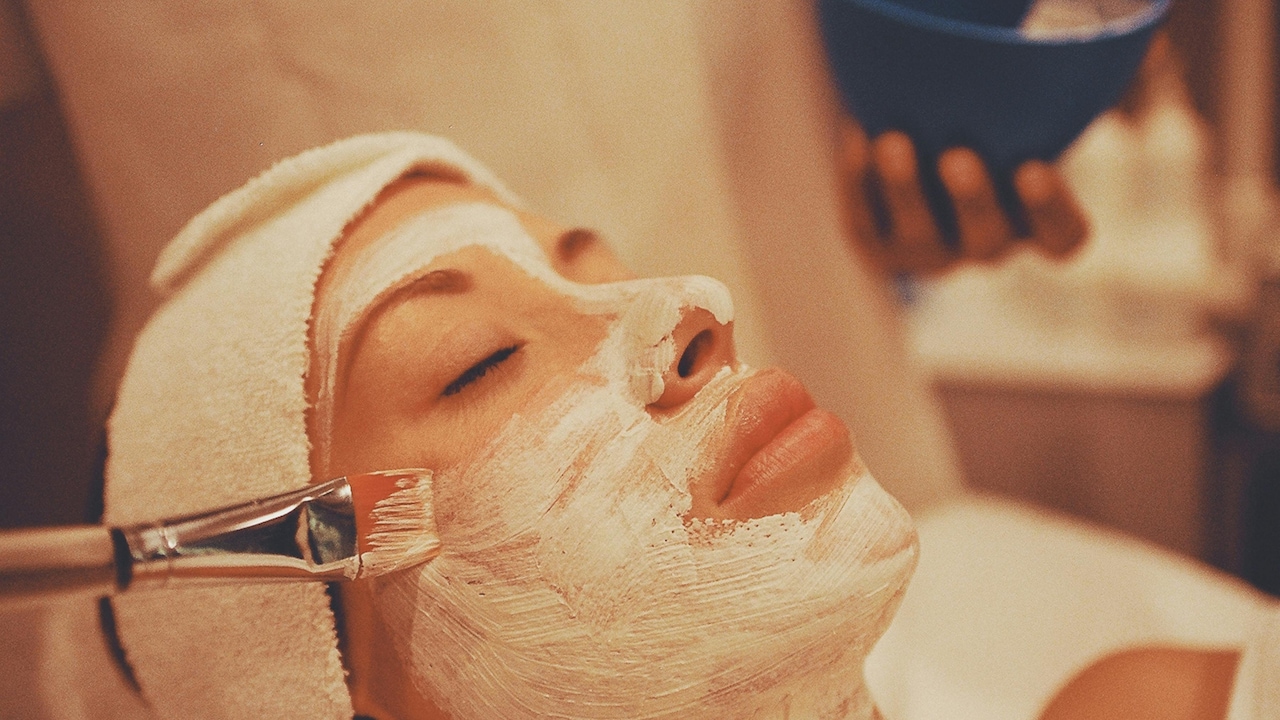
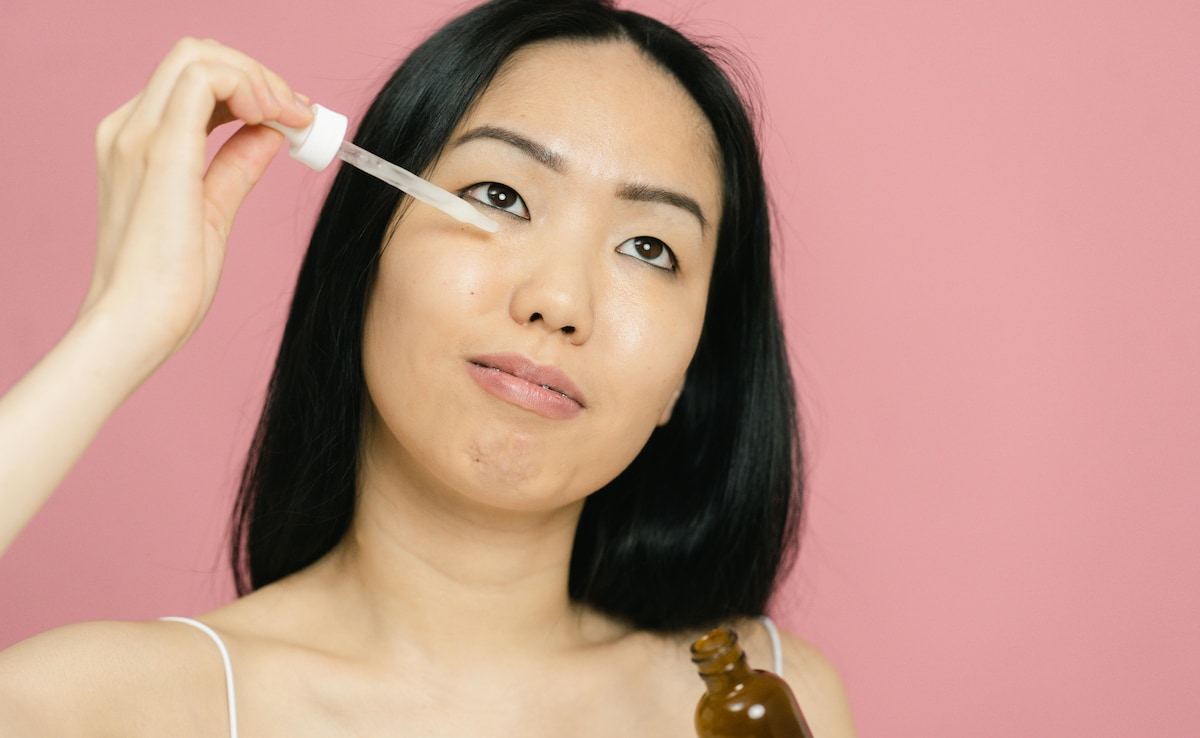
Overwashing vs Underwashing: Finding Your Hair's Sweet Spot; Photo Credit: Pexels
Understanding What Your Hair Really Needs
The Myth Of Daily Washing Equals Clean Hair
Daily washing carries an almost moral weight; clean hair equals good hygiene, right? Not quite. Hair does not gather dirt in the same way hands or clothes do. The scalp produces sebum, a natural oil that protects and nourishes strands. Washing every day often strips this oil away before it can do its job.
In cities where pollution levels fluctuate wildly, the urge to shampoo daily feels justified. Yet, constant cleansing can push the scalp into overdrive. It starts producing even more oil to compensate, leaving hair greasy sooner. That cycle becomes frustratingly familiar: wash, dry, oil, repeat.
A better approach involves observing how hair behaves over a few days. Does it truly feel dirty, or just slightly limp? There's a difference. A light rinse or a gentle brush often revives hair without a full shampoo session. Clean does not always mean freshly washed.
When Overwashing Starts Showing Its Effects
Overwashing rarely announces itself loudly. Instead, it creeps in slowly. Hair begins to feel rough at the ends. Frizz appears even on humid days when it should behave. The scalp may itch, not because it is dirty, but because it feels stripped.
Many notice increased hair fall during this phase. While washing itself does not cause hair loss, weakened strands break more easily. Add heat styling into the mix, and the damage compounds.
Consider the familiar scenario of preparing for a festive gathering. Shampoo, blow-dry, style, done repeatedly within a week. By the time the last event arrives, hair looks tired rather than glamorous.
The solution does not demand abandoning shampoo altogether. Instead, spacing out washes gives the scalp time to rebalance. Switching to gentler formulas also helps. Hair often responds quickly when given a chance to breathe.
Also Read: Make Greasy Hair Look Fresh And Voluminous With These Dry Shampoos Under ₹500
The Hidden Problems Of Underwashing
Skipping washes may sound like a healthy alternative, but underwashing brings its own challenges. A scalp left uncleaned for too long collects oil, sweat, dust, and product residue. This buildup clogs follicles and may lead to dandruff or irritation.
The discomfort becomes hard to ignore. Itchy patches, visible flakes, and that unmistakable heaviness signal that hair needs attention. In warmer climates, sweat accelerates this process. A skipped wash after a long commute or workout can quickly turn into an unpleasant experience.
There's also the aesthetic side. Hair loses its bounce and begins to look flat. Even the best styling products struggle to perform on a greasy base.
Striking a balance means recognising when skipping a wash crosses into neglect. Cleanliness still matters, just not in excess.
Understanding Your Hair Type Matters Most
No two heads of hair behave the same way. Straight hair tends to show oil faster because sebum travels easily along the shaft. Curly or wavy hair, on the other hand, often appears drier since oils take longer to spread.
This difference explains why some people wash every other day while others stretch it to a week. Neither approach is inherently right or wrong.
For example, someone with fine, straight hair might notice oiliness within 48 hours. Meanwhile, thicker, textured hair may still feel fresh after four days. Following another person's routine rarely works.
Observing patterns becomes key. How does hair feel on day two? Day three? Adjust accordingly. Hair care, at its core, is deeply personal.

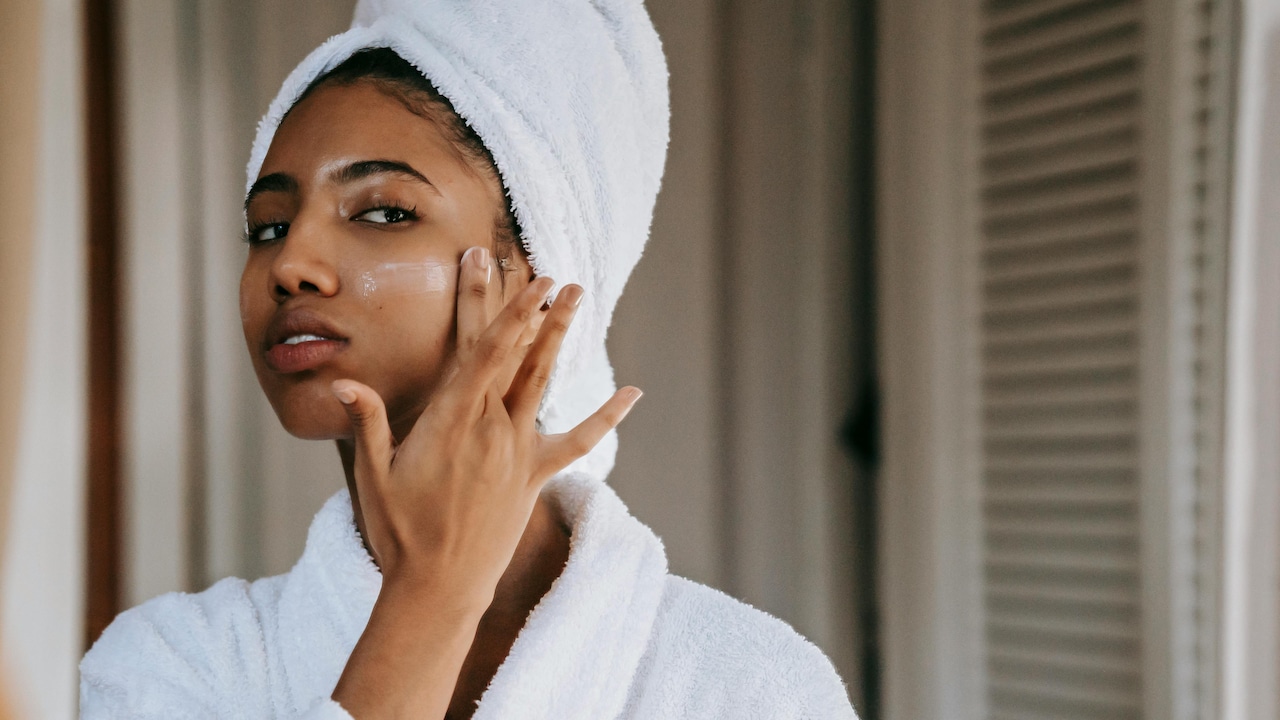
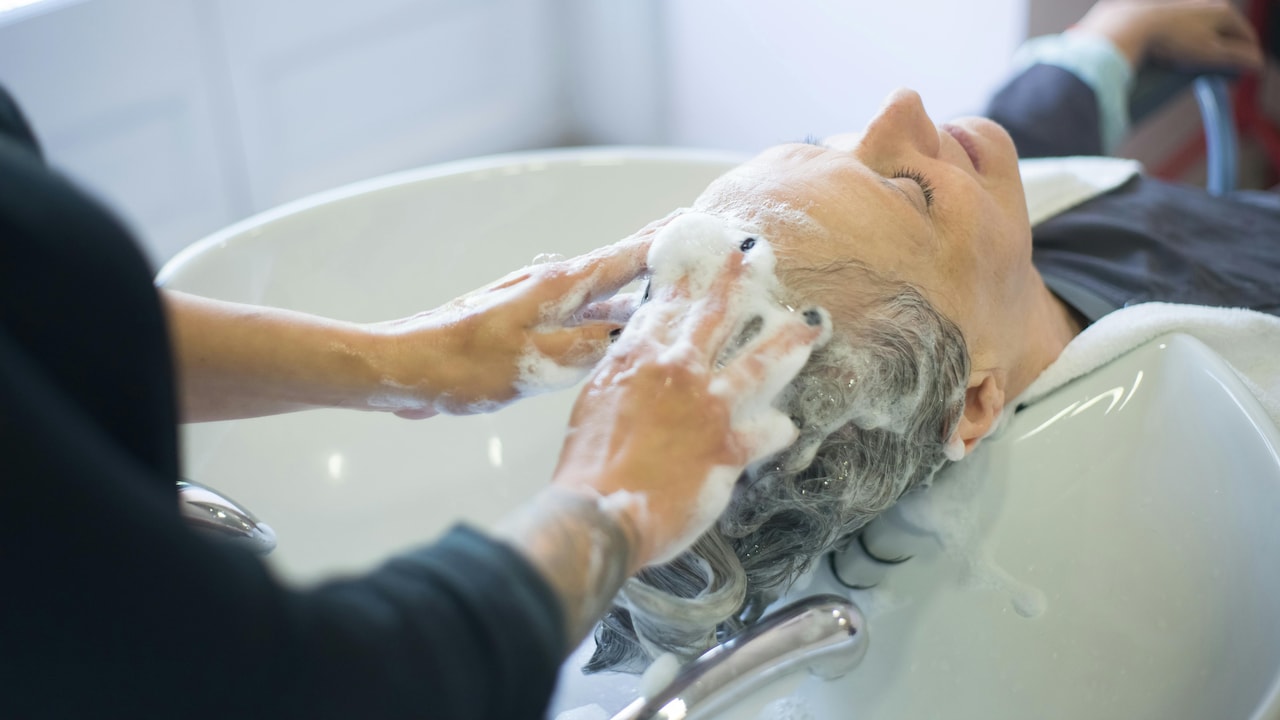
Overwashing vs Underwashing: Finding Your Hair's Sweet Spot; Photo Credit: Pexels
Climate Plays A Bigger Role Than Expected
Weather quietly influences hair behaviour more than most realise. Humidity encourages frizz, while dry air pulls moisture away from strands. In coastal areas, hair may feel greasy sooner due to constant moisture in the air.
During monsoon months, washing frequency often increases. The combination of sweat and humidity creates a sticky feeling that's hard to ignore. Conversely, cooler months allow longer gaps between washes.
Even travel can disrupt routines. A weekend in a hill station may leave hair feeling fresher longer, while returning to a bustling city reverses that effect.
Adjusting habits with the seasons helps maintain balance. Hair does not follow a calendar; it responds to its environment.
The Role Of Lifestyle And Routine
Daily routines shape hair care choices more than any product ever could. Someone who exercises regularly or commutes through crowded streets may feel the need to wash more often. Meanwhile, a desk-bound schedule allows more flexibility.
Consider the difference between a weekday and a relaxed Sunday. On busy days, quick fixes like dry shampoo or tying hair up become convenient. On slower days, a proper wash feels refreshing.
Food habits also play a subtle role. Diets rich in oils and spices sometimes influence scalp behaviour, though the effect varies from person to person.
Understanding lifestyle patterns helps create a routine that feels natural rather than forced. Hair care should fit into life, not disrupt it.
Product Build-Up Is Often Overlooked
Modern hair routines often involve more than just shampoo and conditioner. Serums, leave-in creams, heat protectants, all promise better hair days. Yet, they leave behind residue that accumulates over time.
Even expensive products, sometimes costing upwards of ₹1,000, can weigh hair down if not washed out properly. The result? Hair that feels coated rather than clean.
This build-up often gets mistaken for natural oiliness. People respond by washing more frequently, which leads back to overwashing issues.
Occasional deep cleansing helps reset the scalp. A clarifying shampoo once every few weeks can remove residue effectively. The key lies in moderation, not elimination.
Overwashing vs Underwashing: Finding Your Hair's Sweet Spot; Photo Credit: Pexels
Listening To Your Scalp's Signals
The scalp communicates more clearly than most realise. Itchiness, tightness, or excessive oiliness all signal imbalance. Ignoring these signs often leads to bigger problems.
A comfortable scalp feels neither too dry nor overly greasy. Hair sits lightly and moves easily. These subtle cues guide washing frequency better than rigid schedules.
For instance, if the scalp feels tight after washing, the routine may be too harsh. If it feels greasy within hours, overwashing might be the culprit.
Learning to interpret these signals takes time, but it pays off. Hair care becomes intuitive rather than confusing.
Cultural Habits And Changing Trends
Hair washing habits often pass down through generations. Weekly oiling followed by a thorough wash remains a familiar ritual in many homes. It carries a sense of comfort and routine.
However, modern lifestyles have shifted these patterns. Busy schedules leave less time for elaborate routines. Quick washes replace traditional methods.
Trends also play their part. Social media promotes everything from daily washing to “no shampoo” movements. Navigating these extremes can feel overwhelming.
Blending tradition with practicality often works best. A weekly oil massage paired with flexible washing days strikes a healthy balance.
Finding Your Personal Sweet Spot
There's no universal rule for how often hair should be washed. The sweet spot lies somewhere between overwashing and underwashing, shaped by individual needs.
Experimentation helps. Try extending the gap between washes by a day. Observe how hair responds. Adjust gradually rather than making drastic changes.
Small habits make a difference. Using lukewarm water instead of hot, choosing mild shampoos, and avoiding excessive styling all support healthier hair.
The goal isn't perfection. It's consistency. Hair thrives on routines that feel sustainable and comfortable.
Products Related To This Article
1. Pilgrim Australian Tea Tree Non-Drying Anti-Dandruff Shampoo for Itchy Scalp (400 ml)
2. Kesh King Organic Onion Shampoo with Curry Leaves | Anti Hair Fall | Paraben Free| (1000 ml)
3. Re'equil Hair Fall Control Shampoo (250 ml)
4. The Plant Fix Plix Rosemary Advanced Anti Hair Fall Shampoo,Reduces Hairfall & Promotes Hair Growth (100 ml)
5. RAAGA PROFESSIONAL Pro Botanix Shampoo | Anti Hair Fall | 200 ml (200 ml)
Hair care rarely follows strict rules. It bends, adapts, and responds to everyday life. Overwashing and underwashing sit on opposite ends of the spectrum, each bringing its own set of challenges. Between them lies a space where hair feels balanced, healthy, and easy to manage.
Finding that sweet spot requires attention, patience, and a willingness to experiment. There's no need to chase trends or follow rigid schedules. Instead, listening to what the scalp and strands need often leads to better results.
In the end, good hair days aren't about perfection. They're about understanding, adjusting, and embracing what works best, one wash at a time.
(Disclaimer: This article may include references to or features of products and services made available through affiliate marketing campaigns. NDTV Convergence Limited (“NDTV”) strives to maintain editorial independence while participating in such campaigns. NDTV does not assume responsibility for the performance or claims of any featured products or services.)