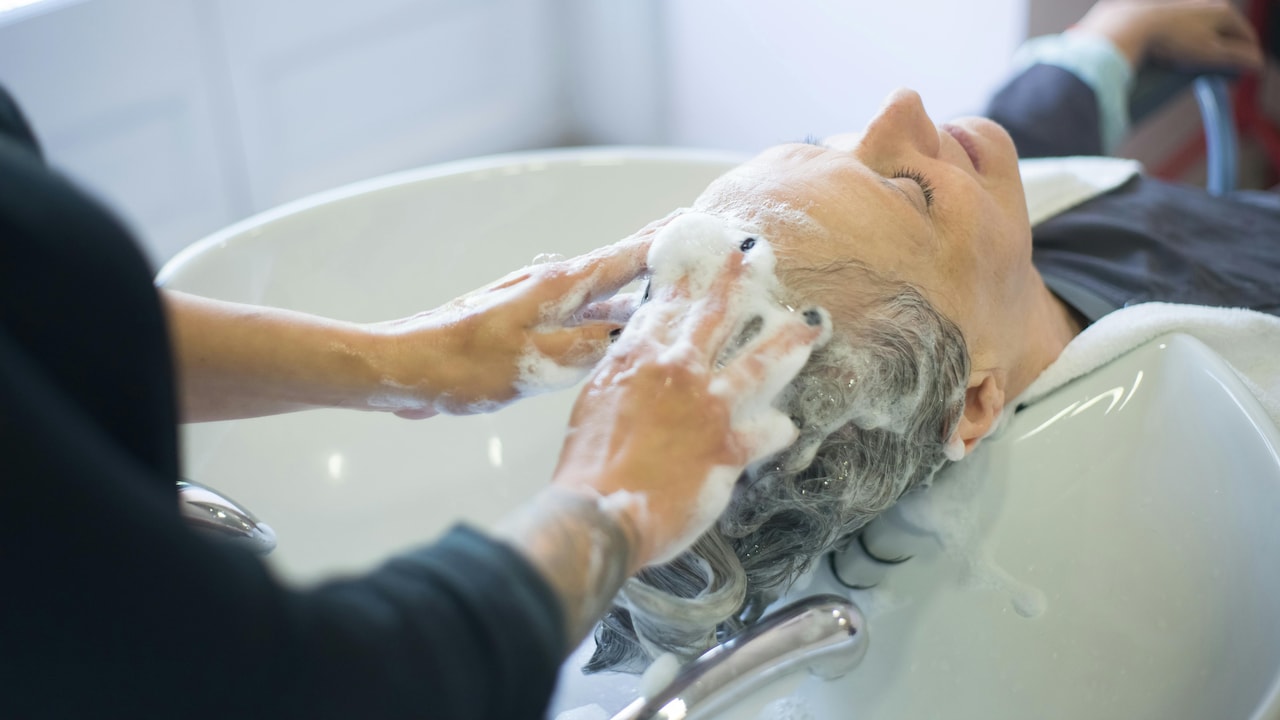
Why Face Steamers Cannot 'Open Pores' The Way Social Media Claims
Face steamers may soften oil and dirt, but they do not “open pores” the way social media claims. This is what steam actually does to the skin, and why overdoing it can backfire.
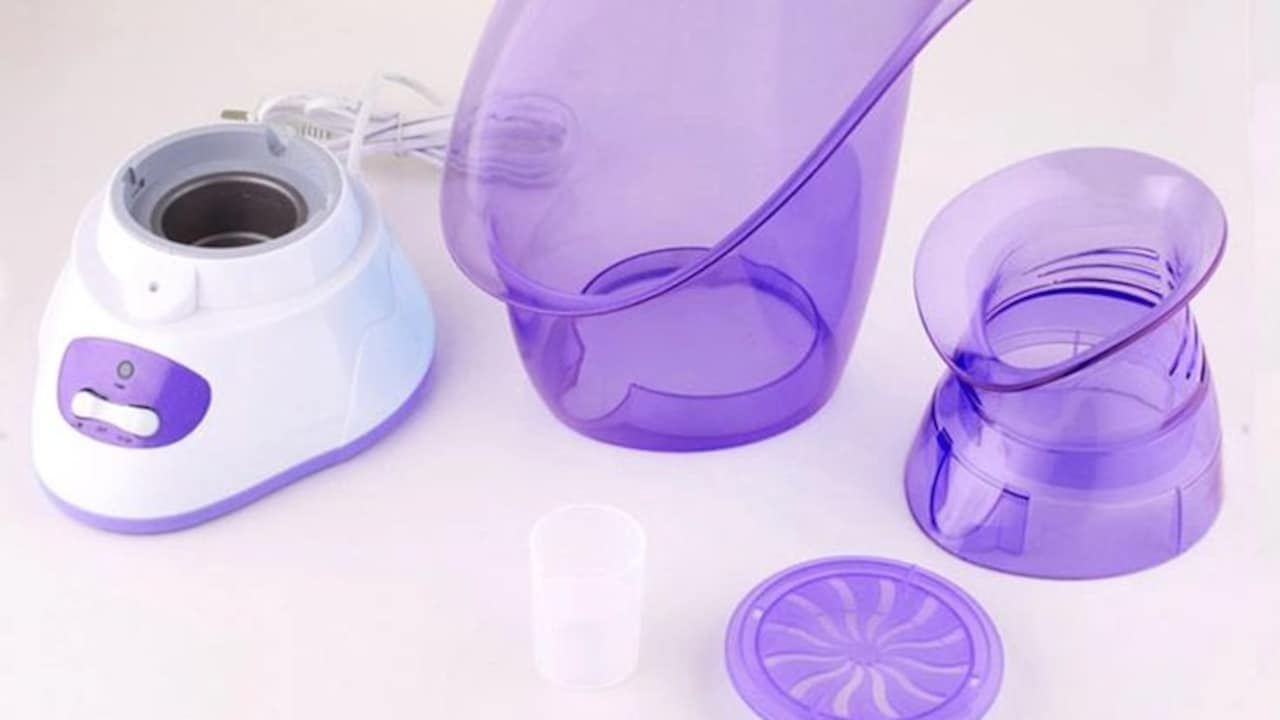
The Truth About Face Steamers: Why Pores Do Not "Open" With Steam
Few beauty trends enjoy the staying power of face steaming. Grandmothers leaned over bowls of hot water long before influencers started waving pastel-coloured gadgets in front of ring lights. Somewhere between old-school skincare rituals and social media marketing, a simple act turned into a scientific-sounding promise. Steam, according to countless videos, “opens pores” and flushes away every trace of dirt, oil, and stress. It sounds believable. After all, skin feels softer after steaming. Blackheads appear easier to remove. The face glows for a short while. Add soothing music, eucalyptus vapour, and fancy gadgets priced anywhere between ₹1,500 and ₹12,000, and the entire experience begins to resemble a spa day at home. But the skin does not work the way the internet often describes it. Pores cannot physically open and close like windows during the monsoon season. They have no hinges, no muscles, and certainly no secret mechanism activated by warm mist. The truth sits somewhere between biology and beauty marketing.
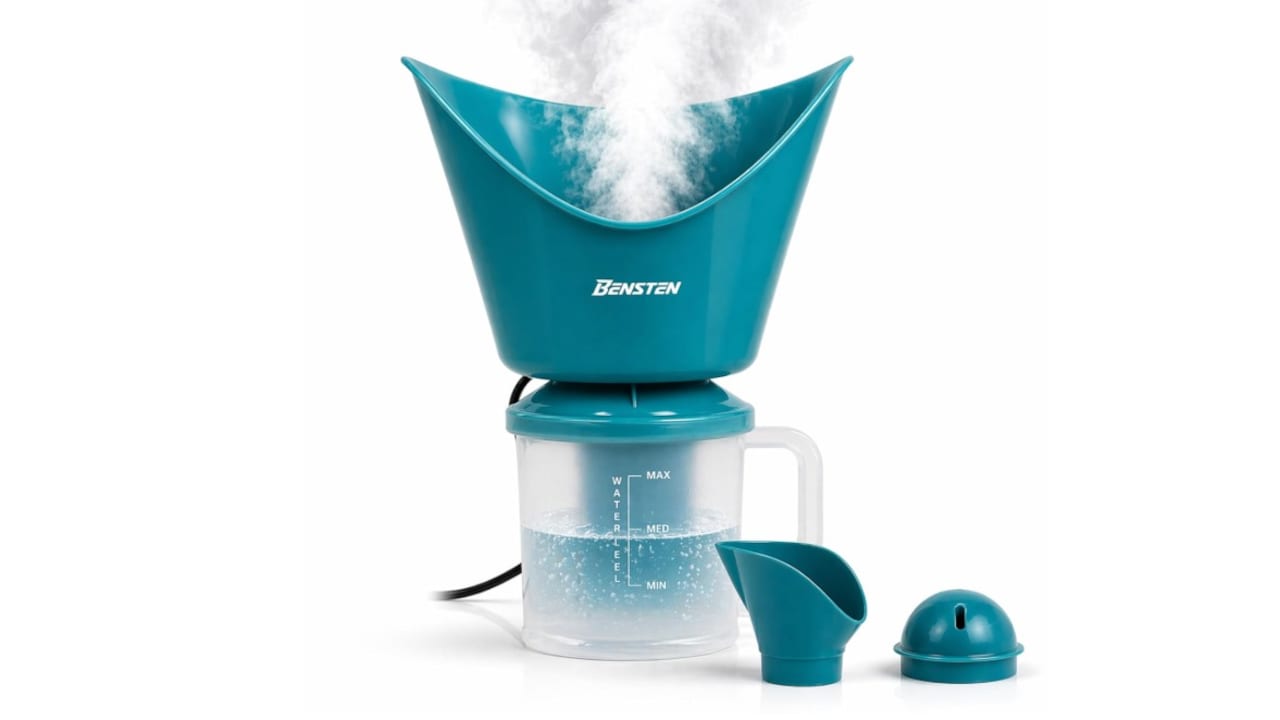
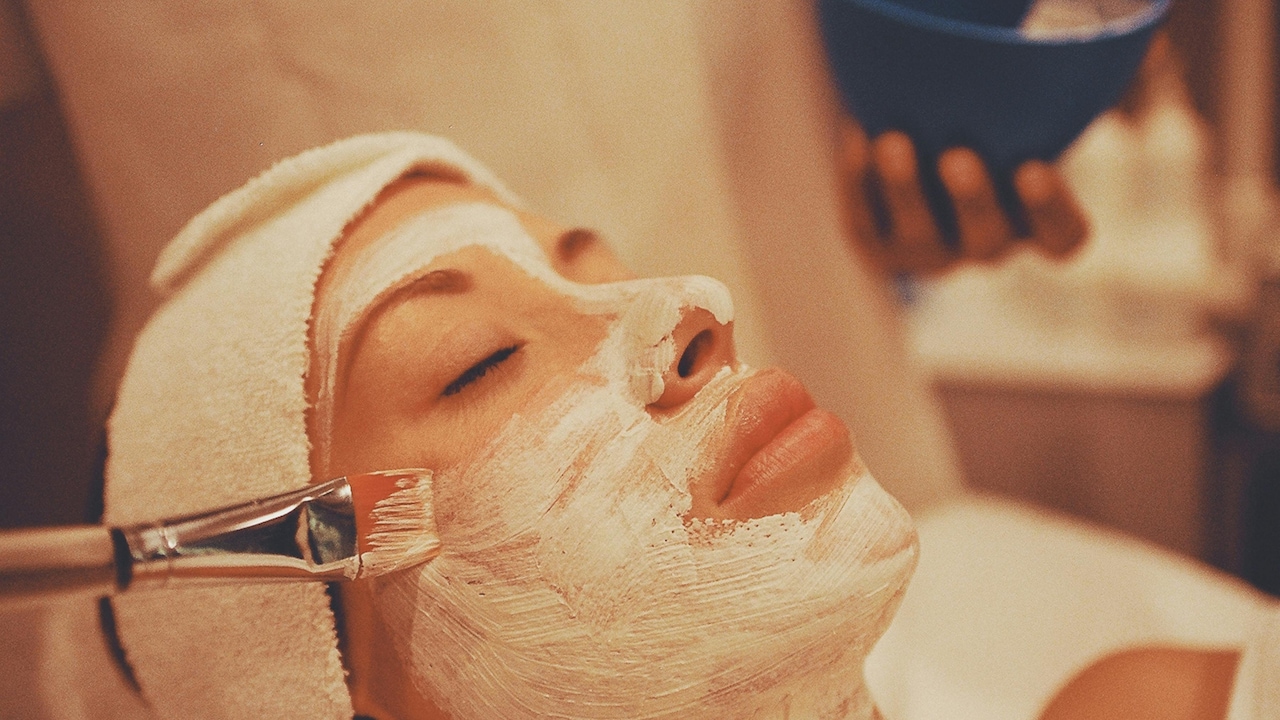
The Truth About Face Steamers: Why Pores Do Not "Open" With Steam; Photo Credit: Amazon
That does not mean face steamers are useless. They can help in certain situations when used properly. Yet the claims floating around online often exaggerate what steam can realistically achieve. Understanding the difference matters because overdoing steam treatments can leave skin irritated, dehydrated, or painfully sensitive. The skincare world already feels crowded with miracle ingredients, overnight fixes, and expensive devices that promise celebrity-level glow. Face steaming deserves a more honest conversation, one rooted in science, practicality, and real-life skincare habits instead of dramatic before-and-after clips filmed under flattering bathroom lighting.
The Science Behind The Steam: What Really Happens To Your Skin
Pores Are Not Tiny Doors
The biggest misconception surrounding face steamers begins with the language itself. “Opening pores” sounds vivid and satisfying. Unfortunately, skin anatomy refuses to cooperate with the metaphor.
Pores are simply openings on the skin connected to hair follicles and oil glands. They release sebum, sweat, and dead skin cells. Unlike doors or taps, pores do not contain muscles that allow them to expand and contract on command. Heat cannot magically swing them open, and cold water cannot slam them shut.
What actually happens during steaming feels less dramatic but makes far more sense. Warm steam softens the debris sitting inside pores. Oil and dead skin become looser and easier to remove. That temporary softening creates the illusion of “open pores”. It explains why blackheads seem easier to extract after a steaming session.
Think of hardened butter left outside during summer. It becomes softer and easier to spread, but the container itself does not change shape. Skin behaves similarly. Steam affects what sits inside the pores rather than altering the pore structure.
The problem starts when social media turns this temporary effect into skincare mythology. Many creators describe steaming as if it permanently transforms skin texture. Some even claim pores shrink afterwards if cold water follows immediately. Biology disagrees. Genetics, ageing, sun damage, and oil production influence pore appearance far more than temperature changes from a facial steamer.
Also Read: How To Pick The Right Face Steamer: 10 Tips And 5 Top Picks
Warm Mist Can Make Skin Feel Better
Part of the reason face steaming remains popular comes down to simple human psychology. Warm mist feels comforting. It mimics the relaxing sensation of sitting near a hot cup of chai during heavy rain or stepping into a warm shower after a stressful local train commute.
Steam increases circulation temporarily. Blood vessels near the surface dilate slightly, giving skin a flushed and fresh appearance. That post-steam glow convinces many people that something transformative has happened. In reality, the effect resembles the rosy cheeks people get after exercise or hot weather.
There is also the emotional side of skincare rituals. A ten-minute steaming session forces people to pause. Phones go down, music plays softly, and the brain receives a small break from constant notifications. The ritual itself feels luxurious, even if the science behind “opening pores” falls apart under scrutiny.
Beauty brands understand this emotional connection very well. That explains why face steamers often arrive wrapped in elegant packaging with words like detoxifying, purifying, and rejuvenating printed across glossy boxes. The experience becomes part wellness ritual, part skincare treatment.
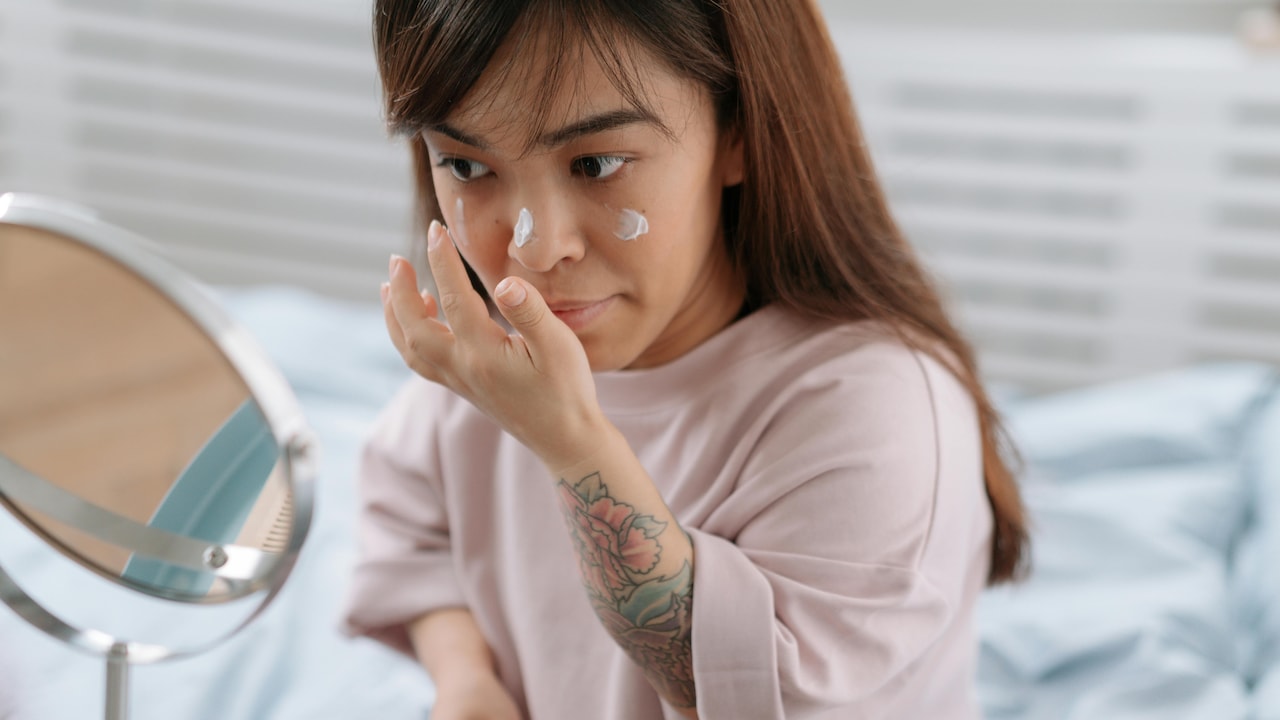
None of this makes steaming fake or pointless. Relaxation matters. Self-care matters. The issue arises when temporary comfort gets marketed as a deep scientific skincare transformation. A ₹7,000 steamer cannot rewrite skin biology no matter how aesthetic the bathroom setup looks on Instagram.

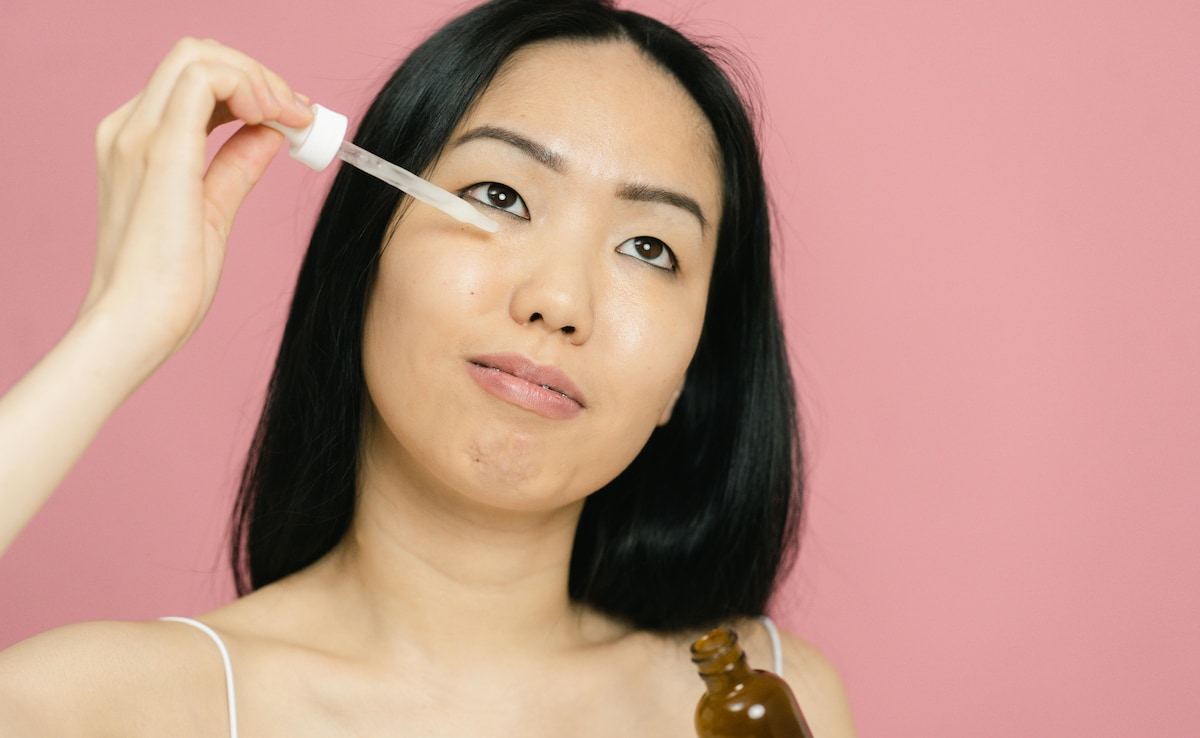
The Truth About Face Steamers: Why Pores Do Not "Open" With Steam; Photo Credit: Pexels
Blackheads Become Easier To Remove
One reason steaming developed such a loyal following comes from its effect on blackhead removal. Steam softens the hardened oil and dead skin trapped inside pores. As a result, extractions become easier and slightly less aggressive.
This benefit created the “steam opens pores” myth in the first place. People noticed that blackheads loosened after exposure to warm vapour, so the assumption sounded logical. Yet the pore itself never opened wider. The debris simply softened enough to move more easily.
Professional facials often include steaming before extractions for this reason. The process reduces the force required to remove congestion. Without softening, aggressive squeezing can damage skin and leave dark marks that linger for weeks. Anyone who has battled stubborn blackheads before a wedding season knows that temptation all too well.
Still, softer blackheads do not mean steam clears pores completely. Excessive squeezing after steaming can trigger inflammation, broken capillaries, and irritation. Many social media videos skip this warning entirely while zooming dramatically into extracted gunk under bright studio lights.
There is also a strange satisfaction attached to extraction videos online. Watching impurities leave the skin feels oddly rewarding, almost like unclogging a blocked sink after days of frustration. Skincare creators know this. That explains why steaming often appears alongside extraction tools in viral content.
Done gently and occasionally, steaming may help prepare skin for cleansing. Done obsessively, it can push skin into irritation territory surprisingly fast.
Excessive Steam Can Damage Skin Barriers
The skin barrier rarely gets the attention it deserves until things go horribly wrong. One week of over-exfoliation or excessive steaming can leave skin angry, red, flaky, and painfully sensitive.
Steam exposes skin to prolonged heat and moisture. While brief exposure may feel soothing, excessive steaming strips natural oils from the skin surface. Once those oils disappear, the protective barrier weakens. Skin then loses moisture more easily and becomes vulnerable to irritation.
People with sensitive skin, rosacea, eczema, or active acne often react badly to repeated steaming. Instead of achieving glow, they end up with redness and stinging that lasts hours or even days. Unfortunately, many social media tutorials recommend streaming several times a week without acknowledging these risks.
Climate also matters. Hot and humid weather already stresses the skin barrier. Adding frequent steaming on top of sweaty commutes, pollution, and strong active ingredients creates a perfect recipe for irritation. Skin does not always need more heat.
Dermatologists generally recommend moderation. Around five to ten minutes once a week works for many people. Anything longer risks dehydration rather than hydration. Ironically, too much steam can leave skin drier even though the process involves water vapour.
The beauty industry often celebrates “more” as better. More products, more tools, more steps. Skin, however, frequently responds best to balance. Sometimes the healthiest skincare decision involves stopping before the face resembles a momo basket.
Steam Does Not Detox The Skin
“Detox” remains one of the most overused words in skincare marketing. Face steamers often get advertised as tools that remove toxins from the skin. The claim sounds impressive until one asks a simple question: which toxins exactly?
The human body already contains highly efficient detox systems. The liver and kidneys handle that responsibility daily without requiring lavender steam or expensive facial gadgets. Skin plays many roles, but functioning as a major toxin disposal system is not one of them.
Sweating during steaming does not flush harmful substances from pores in the magical way beauty ads suggest. Sweat mainly contains water, salt, and tiny traces of other compounds. The glow people notice after steaming comes from increased circulation and temporary hydration at the surface, not toxin removal.
Yet detox language sells beautifully because it taps into modern anxiety. People feel surrounded by pollution, processed food, stress, and endless screen time. The idea of cleansing everything away through a comforting ritual feels emotionally appealing.
Marketing often transforms ordinary skincare effects into dramatic wellness narratives. A warm mist treatment suddenly becomes a purification ceremony. Add calming background music and minimalist packaging, and the illusion becomes even stronger.
That does not mean steaming offers zero benefits. Warm vapour can feel relaxing and may support cleansing routines when used gently. But detoxifying the body? That belongs more in advertising copy than dermatology textbooks.
Pore Size Mostly Depends On Genetics
Many people buy face steamers hoping to shrink large pores permanently. Unfortunately, genetics usually has the final say.
Pore size depends largely on inherited skin type, oil production, collagen levels, and ageing. Some people naturally produce more sebum, making pores appear larger. Sun damage and reduced collagen over time also stretch pore walls, creating a more noticeable texture.
Steam cannot permanently change these structural factors. Temporary swelling and softness may create the impression of smoother skin for a few hours, but the effect fades quickly. Social media often exploits this short-term improvement by filming results immediately after treatments under bright lighting.
Filters also deserve a mention here. Many skincare demonstrations online use smoothing effects so subtle that viewers barely notice them consciously. Yet the final result looks unrealistically flawless. Pores disappear not because of steam but because editing technology quietly steps in.
That creates impossible expectations. Someone spends ₹4,500 on a trendy facial steamer expecting airbrushed skin, only to discover perfectly normal pores still exist afterwards. Disappointment follows, along with another search for the next miracle device.
Healthy skin contains texture. Real pores exist on every face. The obsession with completely invisible pores says more about beauty standards than actual skincare science.
Ironically, many celebrities praised for “glass skin” probably rely more on lighting teams, makeup artists, hydration, and good genetics than steaming devices sold during festive sales.
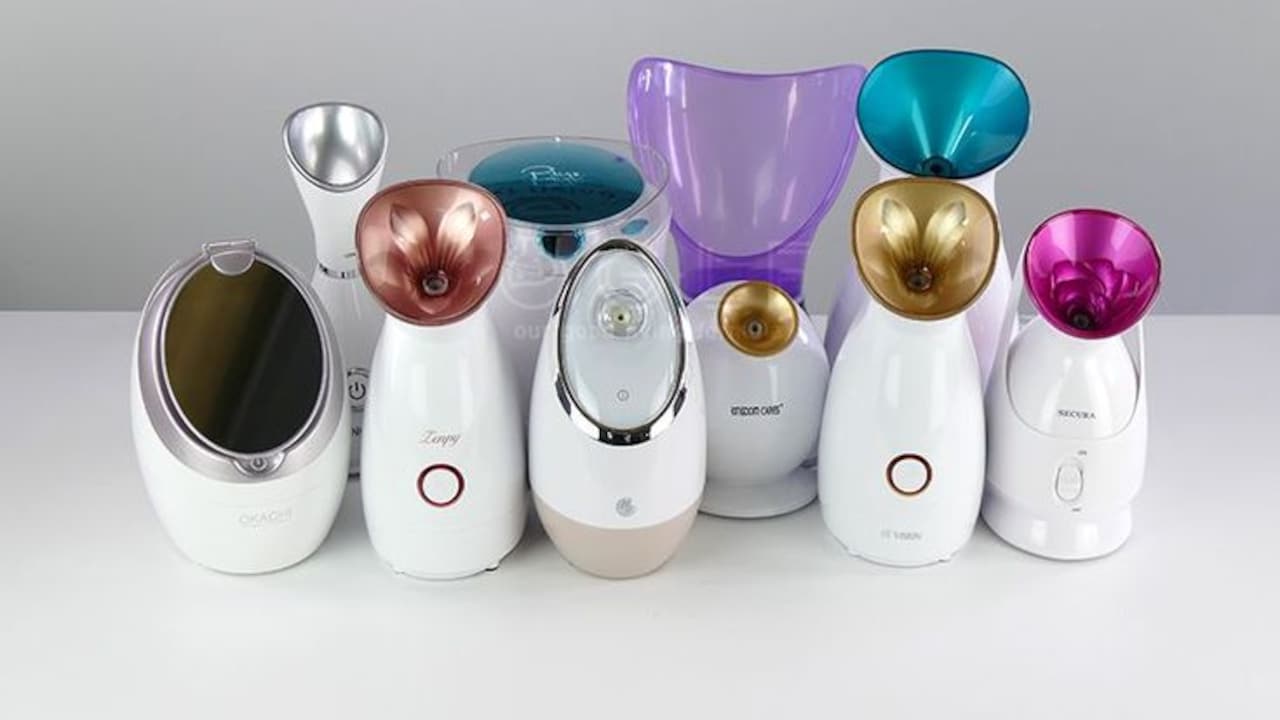
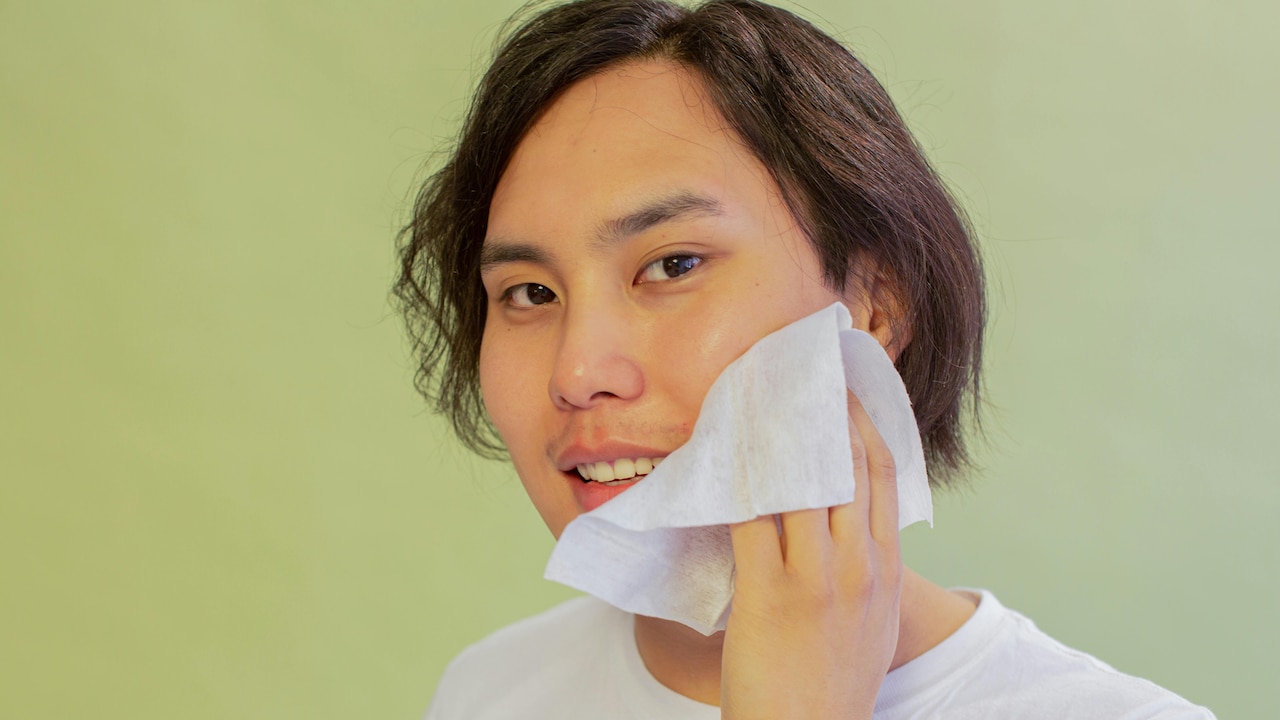
The Truth About Face Steamers: Why Pores Do Not "Open" With Steam; Photo Credit: Pexels
Steam Alone Cannot Treat Acne
Acne sufferers often turn to steaming, hoping the heat will clear clogged pores and reduce breakouts. The reality feels far more complicated.
Acne develops because of excess oil, bacteria, inflammation, hormones, and clogged follicles working together. Steam may soften surface debris slightly, but it cannot tackle the deeper causes behind recurring pimples.
In some cases, excessive heat can actually worsen acne. Warm environments encourage inflammation and irritation, especially for inflamed cystic breakouts. Oversteaming also disrupts the skin barrier, which may trigger even more oil production as the skin attempts to compensate.
The confusion partly comes from old beauty advice passed down casually through generations. Many people grew up hearing that steam “cleans everything out”. While cleansing matters, acne treatment usually requires a more targeted approach involving ingredients like salicylic acid, benzoyl peroxide, retinoids, or professional guidance.
Another issue lies in hygiene. Poorly cleaned steamers can harbour bacteria and mineral build-up over time. Pressing a dirty device close to acne-prone skin defeats the entire purpose of skincare.
That said, occasional steaming before cleansing may help some people feel fresher temporarily. The keyword remains temporarily. Steam supports skincare routines at best. It does not replace evidence-based acne treatment.
The internet loves shortcuts because they sound exciting. Unfortunately, skin often prefers consistency over drama. A boring routine followed regularly usually beats trendy hacks filmed with cinematic lighting and lo-fi background music.
Expensive Steamers Often Overpromise
Modern face steamers resemble futuristic gadgets. Some include ionic technology, aromatherapy compartments, nano mist functions, LED lights, and promises of “spa-grade rejuvenation”. The marketing sounds impressive enough to convince anyone during a midnight online shopping spiral.
Yet many expensive devices perform the same basic function as a bowl of warm water and a towel. They produce steam. That is essentially it.
The beauty industry thrives on transforming ordinary experiences into luxury solutions. A simple skincare step becomes premium once wrapped in sleek packaging and scientific jargon. Words like nano ionic hydration create the impression of advanced dermatological innovation, even when evidence remains limited.
Price also creates psychological expectation. Someone spending ₹10,000 on a facial gadget naturally wants dramatic results. That emotional investment increases the likelihood of perceiving temporary improvements as major transformations.
Social media intensifies this effect. Influencers often present steaming routines inside spotless bedrooms with calming music, fluffy headbands, and perfect lighting. The entire setup sells aspiration as much as skincare. People buy not just the steamer but the fantasy surrounding it.
There is nothing wrong with enjoying beauty gadgets. Pleasure matters. Rituals matter. Yet consumers deserve honest expectations before investing heavily in products marketed almost like miracle machines.
Sometimes, the fanciest skincare device still cannot outperform sunscreen, hydration, proper sleep, and resisting the urge to pick at pimples during stressful cricket matches.
Skincare Works Better With Consistency
The truth about healthy skin feels almost disappointingly simple compared to viral skincare hacks. Consistency matters more than occasional dramatic treatments.
A gentle cleanser, moisturiser, sunscreen, and suitable active ingredients usually deliver better long-term results than frequent steaming sessions. Skin responds well to routines that protect rather than overwhelm it.
Face steaming fits best as an occasional supporting step rather than the centrepiece of skincare. Used carefully, it may enhance relaxation and help soften buildup before cleansing. Problems begin when people expect it to erase pores, cure acne, detox skin, and create a celebrity-level glow overnight.
The beauty industry often rewards extremes because dramatic claims attract clicks. “Steam may gently soften debris before cleansing” lacks the excitement of “Open Your Pores For Instant Glass Skin”. One sounds medically accurate. The other sounds viral.
Consumers increasingly face pressure to chase perfection through endless products and devices. Yet skin changes naturally because of weather, hormones, stress, sleep, diet, and age. No facial steamer can freeze human biology in place.
Real skincare involves patience. Results appear gradually, often quietly. That reality rarely trends online because subtle progress does not generate millions of views.
Ironically, the healthiest skincare mindset may involve stepping away from constant beauty advice occasionally. Skin usually appreciates less chaos and fewer experiments.
Products Related To This Article
1. HealthSense Steamer for Cold & Cough
2. Labros Steamer for Cold & Cough, Vapourizer & Steamer for Face steam
3. Asbob 3 in 1 steamer for cold and cough
4. CARESMITH 2 In 1 Face Steamer + Steamer For Cold & Cough
5. Facial Steamer K-33S for Face, Nose and Cough Steam Vaporizer
6. 3 in 1 vaporizer steamer for cough,cold and facial
7. AGARO Facial Steamer With Nano Ionic HotSteaming Technology
Face steamers occupy an interesting space between skincare science and self-care ritual. They can feel soothing, relaxing, and mildly beneficial when used properly. Warm steam softens debris, supports cleansing routines, and creates a temporary glow that many people enjoy.
What steam cannot do, however, is physically “open pores” the way social media confidently claims. Pores cannot open and close like tiny doors. Much of the dramatic language surrounding steaming comes from marketing, misunderstood biology, and the internet's endless appetite for beauty shortcuts.
That does not mean steaming deserves complete dismissal. Like many skincare practices, its value depends on realistic expectations and moderation. Occasional use may complement a healthy routine. Excessive use can irritate skin and weaken the protective barrier.
Perhaps the bigger lesson sits beyond face steamers altogether. Modern beauty culture often turns ordinary skincare moments into exaggerated promises. Every gadget becomes revolutionary. Every product claims transformation. Meanwhile, healthy skin still depends mostly on simple habits repeated consistently over time.
And honestly, something is refreshing about that truth. No flashy device required.
(Disclaimer: This article may include references to or features of products and services made available through affiliate marketing campaigns. NDTV Convergence Limited (“NDTV”) strives to maintain editorial independence while participating in such campaigns. NDTV does not assume responsibility for the performance or claims of any featured products or services.)