10 Ways To Apply Tinted Lip Balm Without Making The Colour Look Streaky
Tinted lip balm looking patchy or uneven? Discover 10 simple application tricks to achieve smooth, natural-looking colour, prevent streaks and keep your lips looking fresh throughout the day.
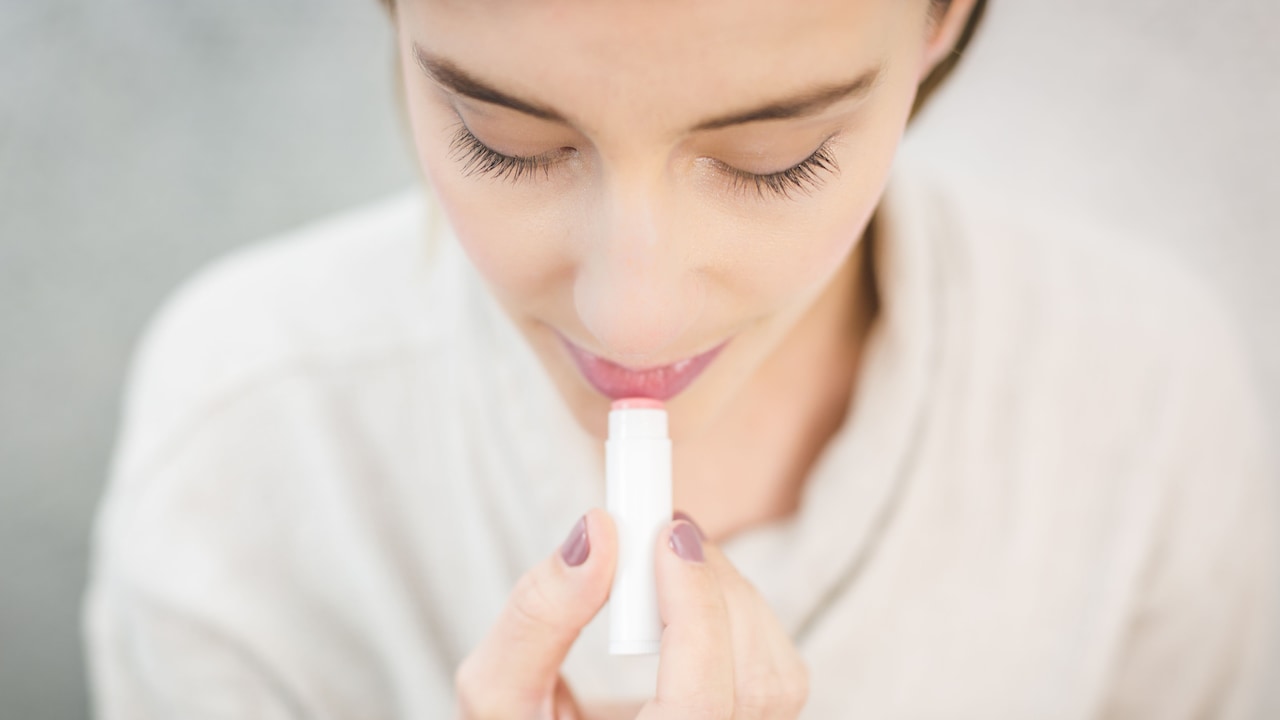
How To Apply Tinted Lip Balm Evenly: 10 Tips For A Smooth, Natural Finish
Tinted lip balms promise the best of both worlds: a little colour, a little moisture and none of the fuss that comes with a full lipstick routine. They're the sort of beauty essential that slips easily into a handbag, survives a busy morning commute and comes to the rescue when lips need a quick refresh. But there's one frustrating catch. Sometimes, instead of that effortless wash of colour, the balm leaves behind streaks, uneven patches or darker lines around the edges. The problem isn't always the product. Dry lips, hurried application and even the way a balm interacts with skincare can affect the finish. Some formulas glide beautifully on smooth lips but cling to every flaky spot when the weather turns dry. Others deposit more pigment than expected, making repeated swipes look surprisingly messy. Fortunately, achieving an even tint doesn't require professional makeup skills or an elaborate beauty routine. A few thoughtful changes can make a noticeable difference. From preparing the lips properly to choosing the right application technique, these ten practical tips can help tinted lip balm look smoother, fresher and more flattering.
10 Ways To Apply Tinted Lip Balm Without Making The Colour Look Streaky
Photo Credit: Pexels
Simple Application Tips For A Smooth, Streak-Free Lip Tint
1. Start With Clean Lips To Prevent Uneven Colour
A flawless tinted lip balm application begins before the product touches the lips. Leftover lipstick, dried toothpaste, food residue and skincare products can interfere with how evenly the pigment spreads. That innocent-looking layer of moisturiser around the mouth might also cause the balm to slip in certain areas while sticking stubbornly to others.
Start by gently wiping the lips with a clean, damp cotton pad or soft cloth. This removes surface residue without stripping away the lips' natural moisture. There's no need to scrub aggressively. A few gentle movements should leave the surface fresh and ready for colour.
Pay particular attention after breakfast or a cup of milky chai. Oils from food and drinks can create a slippery film that prevents the tint from settling evenly. Applying more balm over that layer rarely improves matters.
Allow the lips to dry slightly before applying the product. They should feel comfortable rather than wet or excessively slippery.
This small preparation step takes less than a minute, yet it can prevent much of the patchiness that makes tinted balm frustrating. Think of it as giving the colour a clean canvas rather than expecting it to work miracles over yesterday's leftovers.
2. Gently Exfoliate Flaky Lips Before Applying Balm
Dry, flaky lips are among the biggest reasons tinted lip balm looks streaky. Pigment tends to collect around loose skin, creating darker spots that become more noticeable with every additional swipe. Even a beautiful rosy shade can look uneven when it settles into rough patches.
Gentle exfoliation can help, but restraint matters. Lips have delicate skin, so harsh sugar scrubs, toothbrushes and vigorous rubbing can cause irritation rather than improve the finish.
Instead, soften the lips with a plain, fragrance-free balm. After allowing it to sit for a few minutes, use a damp, soft cloth to gently lift away any skin that's already loose. Avoid peeling or pulling at stubborn flakes.
Exfoliation shouldn't become an everyday ritual. If the lips feel smooth, skip it altogether. Overdoing the process can damage the surface and leave the lips more sensitive.
For particularly dry or cracked lips, focus on moisturising and repairing the skin barrier rather than exfoliating.
A smooth surface helps tinted balm spread more consistently, but healthy lips matter more than perfectly polished colour. Sometimes, the best beauty trick is knowing when to leave the skin alone.
3. Apply A Thin Layer Of Plain Lip Balm First
Tinted lip balms contain moisturising ingredients, but that doesn't mean every formula provides enough comfort for extremely dry lips. Some pigmented balms feel smooth initially yet cling to rough areas because the lips lack sufficient moisture underneath.
A thin layer of plain lip balm can help create a more comfortable base, particularly during colder weather or after spending hours in air-conditioned rooms.
Choose a lightweight, non-irritating formula and apply just enough to soften the surface. Avoid coating the lips with a thick, glossy layer. Too much product can make the tint slide around, creating exactly the streaks you're trying to prevent.
Wait a minute or two before gently blotting away any excess with a tissue. The lips should feel moisturised without appearing greasy.
Now apply the tinted balm in a thin, controlled layer. The pigment may spread more smoothly because it no longer encounters patches of severely dry skin.
However, this technique depends on the formula. Some tinted balms already contain plenty of emollients and perform better directly on clean lips.
Experiment with both approaches to see which gives the most consistent finish. Makeup routines aren't school examinations; there's rarely one correct answer for everyone.
Also Read: Top 5 SPF Lip Balms Under ₹400 For Everyday Sun Protection
4. Use Short, Controlled Strokes Instead Of Long Swipes
Most people apply lip balm almost automatically. One swipe across the upper lip, another across the lower lip, perhaps a few more for good measure. That approach works reasonably well for transparent balm, but tinted formulas require slightly more attention.
Long, hurried strokes can deposit uneven amounts of pigment, especially when the balm has a soft texture or a rounded tip.
Begin at the centre of the lower lip, where colour naturally draws attention. Move the balm outwards using short, gentle strokes rather than dragging it from corner to corner.
Repeat the process on the upper lip, following its natural shape. Keep the pressure light and avoid repeatedly passing over the same area.
This technique offers better control over where the pigment settles. It also reduces the likelihood of leaving darker patches near the corners of the mouth.
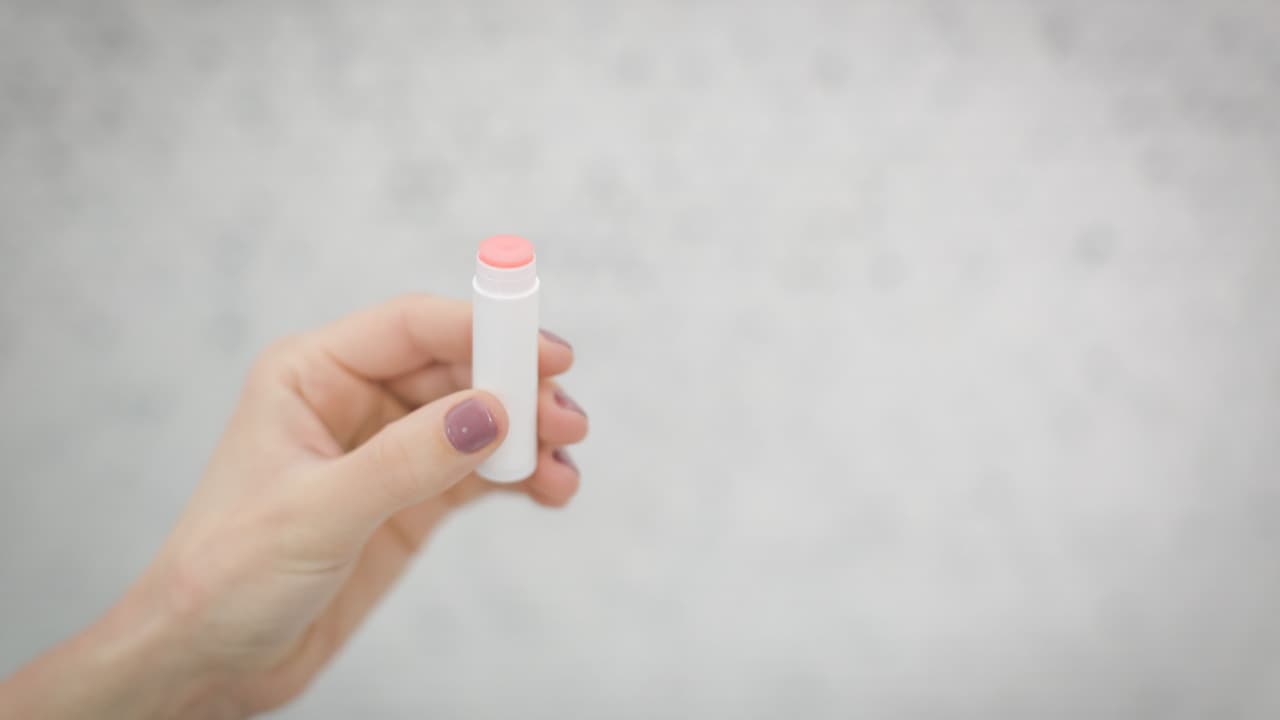
For balms with narrow tips, use the edge carefully to reach smaller areas. Wider sticks may require a little extra precision around the Cupid's bow.
The aim isn't to create a sharply defined lipstick finish. It's to distribute colour evenly while preserving that effortless, slightly relaxed appearance that makes tinted balm so appealing.
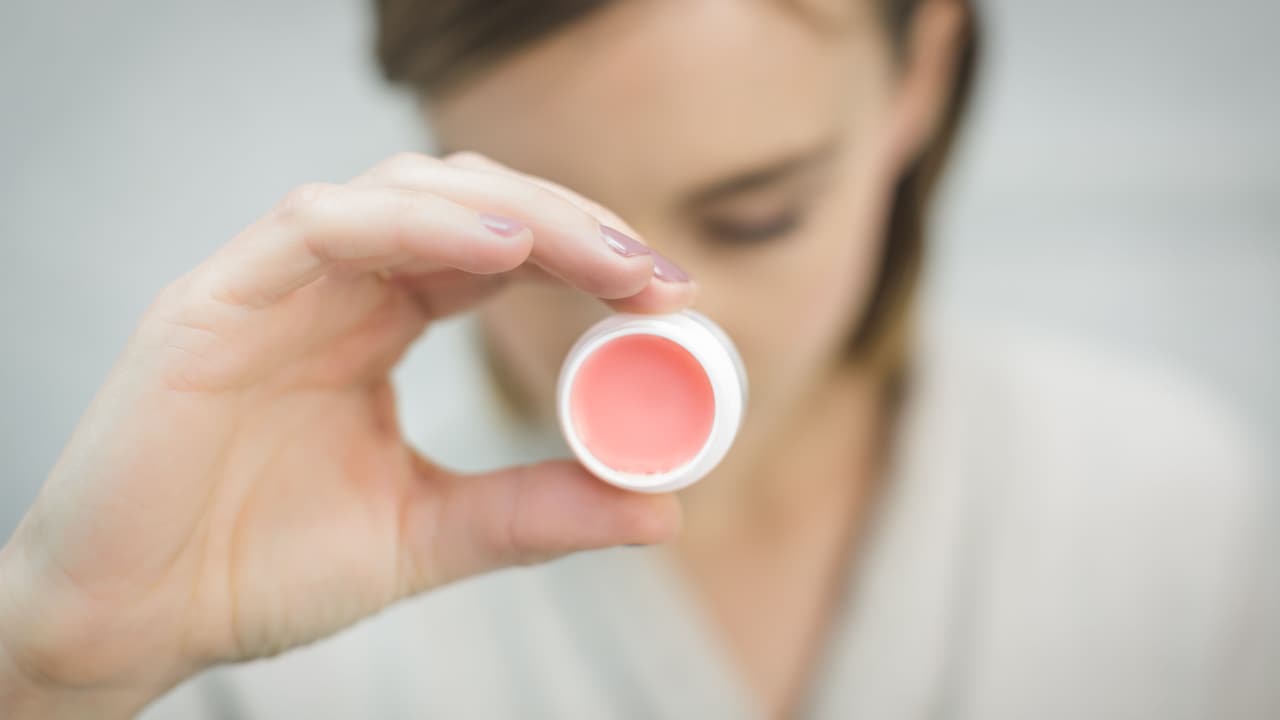
10 Ways To Apply Tinted Lip Balm Without Making The Colour Look Streaky
Photo Credit: Pexels
5. Build The Colour Gradually Instead Of Applying Too Much
One of the easiest ways to make tinted lip balm look streaky is to apply several thick layers at once. While the first swipe might deliver a subtle tint, repeated applications can cause pigment to gather in certain spots and create an uneven finish.
Start with a single, thin layer across both lips. Press them together gently to distribute the product, then check the colour in natural light.
If the shade looks too faint, add another light layer rather than pressing harder with the stick. Gradual application provides better control over colour intensity.
This approach becomes particularly useful with berry, plum and deep rose shades. These colours often contain more noticeable pigment, so uneven distribution can show up quickly.
Remember that tinted balm isn't necessarily designed to deliver the same opaque finish as lipstick. Trying to force a sheer formula into full coverage can make the result look heavy or patchy.
If a particular section appears darker, avoid immediately covering the surrounding areas with more product. Gently blend the excess before deciding whether another layer is necessary.
A soft, even tint usually looks more flattering than an intense colour with visible streaks. Sometimes, stopping after the second swipe is the smartest beauty decision of the morning.
6. Blend The Edges With A Clean Fingertip
Tinted lip balm can occasionally leave a noticeable line where the colour ends, especially around the Cupid's bow or lower lip. While a defined edge works beautifully with certain lipsticks, it may look slightly unnatural with a sheer, casual balm.
Blending helps soften these boundaries and creates a more balanced finish.
After applying the product, use a clean fingertip to gently tap along the edges of the lips. Avoid rubbing back and forth, as this can remove pigment from some areas while pushing it into others.
Light tapping distributes excess colour and helps soften visible streaks. Work from the centre towards the edges when necessary, paying attention to spots where the tint appears darker.
For a more precise approach, use a clean lip brush or small makeup applicator. This can be particularly helpful when wearing stronger shades that stain the skin quickly.
Make sure your hands are clean before touching the lips, especially when applying makeup while travelling.
Blending works best while the balm remains creamy. Once a staining formula sets, correcting uneven areas may become more difficult.
The finished look should feel soft and effortless, as though the lips naturally carry a little extra colour rather than wearing a carefully constructed layer of makeup.
7. Press Your Lips Together Gently To Distribute Pigment
Pressing the lips together after applying tinted balm is a familiar habit. It feels natural, takes barely a second and can help distribute creamy formulas. However, there's a difference between gently pressing the lips and vigorously rubbing them together.
Excessive rubbing can shift pigment towards the edges, disturb an otherwise even layer and cause colour to collect around dry patches.
Instead, apply a light layer of tinted balm and press the lips together once or twice. Keep the movement gentle and controlled.
Open the mouth slightly and check whether the colour has transferred evenly. If the upper lip looks lighter, apply a small amount directly rather than repeatedly rubbing the lips together.
This technique works especially well with creamy, sheer formulas that spread easily under light pressure.
However, some tinted balms have a firmer texture or contain pigments that stain quickly. These products may benefit more from direct application and fingertip blending.
Avoid constantly pressing the lips together throughout the day, particularly when the balm begins to wear off. Doing so can redistribute the remaining pigment unevenly.
The goal is simple: help the colour settle without moving it around unnecessarily. A little pressure goes a long way, and your lips don't need an enthusiastic workout to look good.
8. Choose A Tinted Lip Balm That Suits Your Lip Texture
Not every tinted lip balm behaves the same way. Some formulas offer a sheer, glossy finish, while others provide stronger pigmentation or leave behind a lasting stain. The texture of the product can significantly influence how evenly the colour appears.
For lips that frequently feel dry, creamy balms with moisturising ingredients such as shea butter, squalane or petrolatum may provide a more comfortable application.
If the lips already feel smooth and hydrated, a lightweight tinted formula might offer enough moisture without creating a slippery surface.
Highly pigmented balms deserve extra attention. They can deliver beautiful colour, but they may also highlight uneven application more readily than sheer shades.
The shape of the applicator matters too. A narrow or angled tip offers better control around the corners, while a wider stick can cover the centre quickly.
Before buying, consider how the product looks after several minutes, not just immediately after application. Some formulas settle into lip lines or become patchy as their glossy layer fades.
A shade close to the lips' natural colour can also make minor unevenness less noticeable.
Ultimately, the best tinted balm isn't necessarily the one with the strongest colour payoff. It's the one that feels comfortable, spreads smoothly and fits comfortably into everyday routines.
9. Blot Away Excess Product For A More Even Finish
Blotting might sound like something reserved for traditional lipstick, but it can also improve how tinted lip balm looks. When too much product collects on the surface, the colour may appear uneven, overly glossy or concentrated around certain areas.
A quick blot can remove excess balm while leaving behind a softer wash of pigment.
After applying a thin layer, place a clean tissue between the lips and press gently. Avoid rubbing the tissue across the surface, as this can lift colour unevenly.
Check the result before adding anything else. Often, the tint looks more balanced once the extra product disappears.
For a slightly stronger finish, apply another very light layer after blotting. This technique can help build colour without creating a thick coating.
Be careful with formulas that rely heavily on oils and waxes for their glossy appearance. Excessive blotting may remove much of the visible tint along with the shine.
Similarly, avoid using rough tissues that could irritate sensitive lips.
Blotting proves particularly useful before heading into a meeting, attending a family gathering or stepping out for lunch. It reduces the chances of excess balm gathering around the mouth.
The trick is to remove only what's unnecessary. Your lips should still feel soft, comfortable and naturally coloured.
10. Reapply Strategically Instead Of Layering Over Old Colour
Tinted lip balm rarely stays perfectly even throughout the day. Eating, drinking, talking and occasionally touching the lips can gradually remove the product. Unfortunately, colour doesn't always disappear uniformly.
The centre may fade first, leaving stronger pigment around the edges. Applying another generous layer over everything can exaggerate the difference rather than correct it.
Before reapplying, examine how much colour remains. If the tint has faded evenly, a fresh, thin layer may be all that's necessary.
However, if the lips look patchy, gently blot away the remaining balm with a clean tissue. For stubborn uneven patches, use a slightly damp cotton pad to remove the residue without scrubbing.
Once the surface feels clean and comfortable, apply a fresh layer using controlled strokes.
After meals, make sure the lips are free from food residue or excess oil before reaching for the balm. This helps prevent the new product from slipping around.
Keep a small mirror handy when using strongly pigmented shades. A quick glance can prevent an accidental overapplication.
For everyday touch-ups, prioritise comfort and an even finish over maximum colour intensity.
Tinted lip balm should simplify the beauty routine, not turn every coffee break into a complicated makeup session.
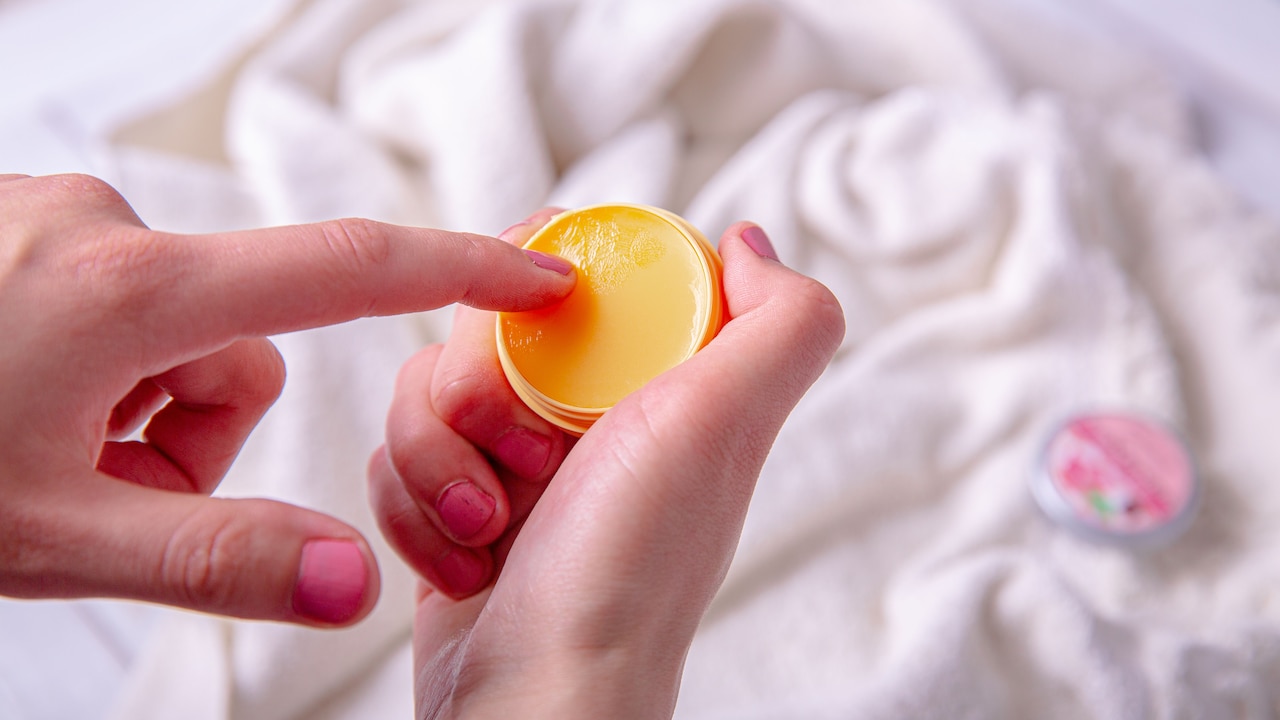
10 Ways To Apply Tinted Lip Balm Without Making The Colour Look Streaky
Products Related To This Article
1. WishCare Tinted Ceramide Lip Balm with SPF50 PA++++ - Kojic Acid - 5 g
2. Mamaearth Beetroot Tinted 100% Natural Lip Balm With Beetroot & Beeswax
3. DOT & KEY Barrier Repair Ceramide + Peptide Lip Balm In-Vivo Tested SPF 50+ PA+++
4. PLIX THE PLANT FIX SPF 30 PA+++ Guava Glowy Lip Tinted Balm With Vitamin C 10g
5. Renee Lip Fix Lip Balm 1.6g
6. FoxTale Lip Up Plumping Lip Contour Tinted Lip Balm 3.5 ml - Freaky Rouge
7. Simple Barrier Repair+ SPF 30 Hydrating Lip Balm with Pro-Ceramides & Cica 10g
Getting tinted lip balm to look smooth and streak-free isn't about mastering complicated makeup techniques. Clean, moisturised lips, gentle application and thoughtful blending can make a remarkable difference. The trick is to work with the product's texture rather than forcing on extra colour.
From using shorter strokes to blotting away excess balm, these small changes help prevent uneven patches and keep the finish looking natural. Most importantly, remember that tinted balm should feel comfortable and easy to wear. A little patience during application can save plenty of frustrating touch-ups later.
(Disclaimer: This article may include references to or features of products and services made available through affiliate marketing campaigns. NDTV Convergence Limited (“NDTV”) strives to maintain editorial independence while participating in such campaigns. NDTV does not assume responsibility for the performance or claims of any featured products or services.)