10 Reasons Hair Serum Controls Frizz At First But Stops Working Later
Hair serum can make frizz disappear within minutes, but the smooth finish rarely lasts all day. Discover 10 reasons your serum stops controlling frizz and how to keep your hair manageable for longer.
Hair Serum Not Controlling Frizz? 10 Common Reasons And How To Fix Them
Freshly styled hair has a certain charm. The strands look smooth, the ends sit neatly, and even the stubborn flyaways seem willing to cooperate. A few drops of hair serum often make this possible. But somewhere between leaving home, travelling through traffic, and reaching the office, the magic starts fading. By lunchtime, the familiar frizz has returned, leaving the hair looking almost as unruly as it did before styling. It's a frustrating experience, especially when the serum initially delivers exactly what its packaging promises. The problem isn't always the product itself. Hair texture, humidity, application techniques, washing habits, and even everyday friction can influence how long a serum controls frizz. Most hair serums work by coating the hair surface, reducing friction, adding shine, and temporarily smoothing rough areas. However, this cosmetic effect doesn't necessarily address the underlying causes of frizz. Understanding why that smooth finish disappears can help you make better product choices and adjust your routine without spending unnecessarily on another bottle. Here are 10 reasons hair serum controls frizz initially but struggles to maintain the results throughout the day.
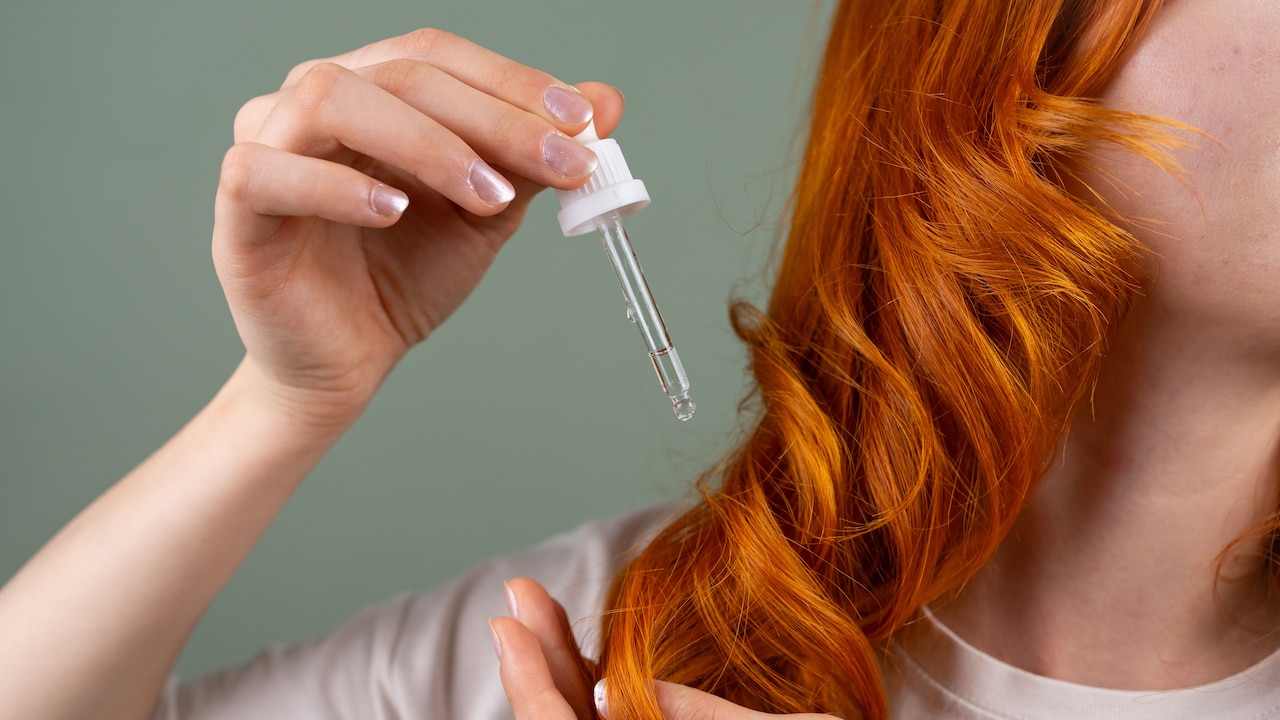
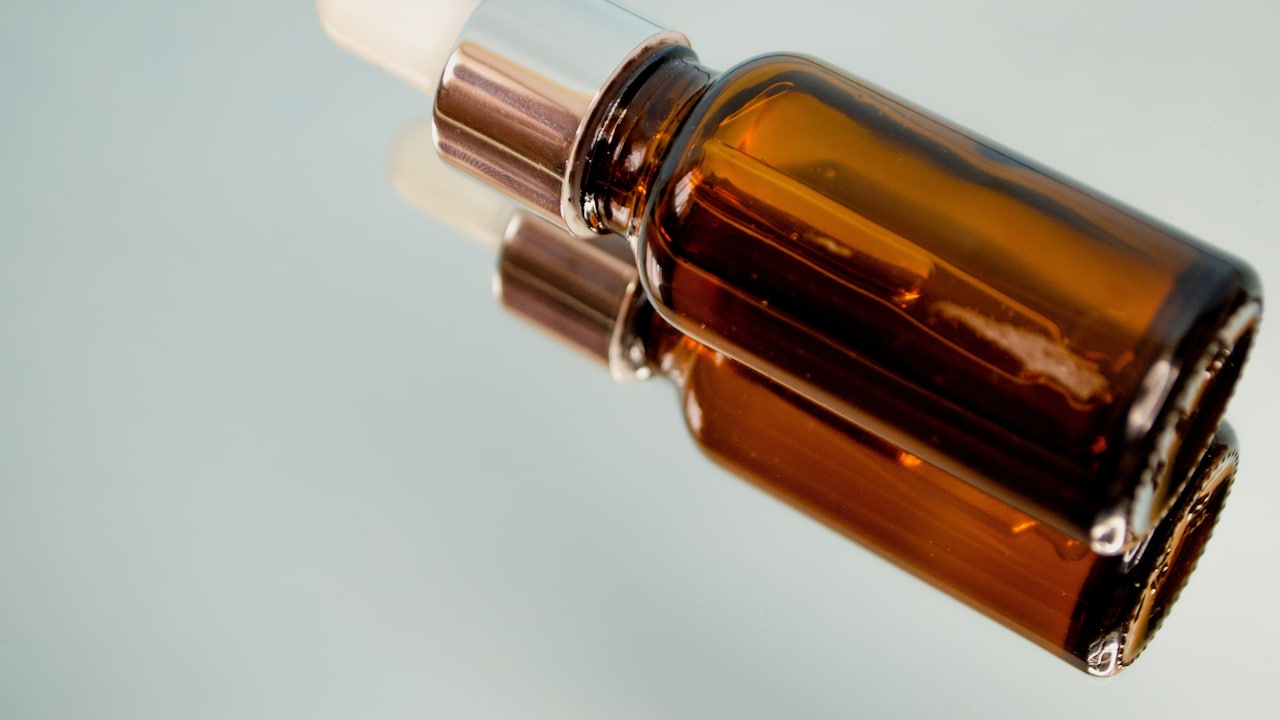
Hair Serum Not Controlling Frizz? 10 Common Reasons And How To Fix Them; Photo Credit: Pexels
Why Hair Serum Loses Its Frizz-Control Effect Over Time
1. Your Hair Absorbs Moisture From Humid Air
Humidity is one of the biggest reasons hair serum seems to lose its effectiveness after a few hours. You might leave home with perfectly smooth hair, only to discover flyaways appearing during a short walk outside. The serum hasn't necessarily disappeared. Instead, moisture from the surrounding air has started affecting the hair's structure.
Hair contains keratin proteins that form temporary hydrogen bonds. These bonds influence how strands hold their shape. When atmospheric moisture enters the hair, some bonds rearrange, causing strands to swell, bend, or return towards their natural texture. The result? Frizz that makes even freshly styled hair look untidy.
This becomes particularly noticeable during the monsoon or in coastal regions where humidity remains high throughout the day. A serum might smooth the outer cuticle temporarily, but not every formula creates an effective barrier against moisture.
Look for products that specifically mention humidity resistance rather than relying on shine-enhancing claims alone. Silicone-based formulations can help reduce moisture-related disruption, although their effectiveness varies.
Also, avoid stepping outdoors immediately after heat styling if your hair still feels warm or damp. Allow it to cool and dry completely before applying a suitable finishing serum.
Also Read: How To Fix Frizzy Hair After Getting Wet In The Rain
2. You're Applying Hair Serum To Hair That's Too Wet
Applying serum immediately after washing seems convenient, especially when you're rushing to get ready. However, dripping-wet hair isn't always the ideal starting point for a conventional finishing serum.
Excess water can interfere with how certain products spread and settle across the hair surface. Some serum may travel down the strands with the water instead of remaining where you need it. Once the hair dries, uneven coverage becomes more obvious. Certain sections stay smooth, while others develop flyaways.
That said, not every serum requires the same application method. Some products work specifically on damp hair, while others perform better as finishing treatments on dry strands. Water-based smoothing products may even benefit from application immediately after washing.
For a conventional silicone-based finishing serum, gently squeeze excess water from the hair using a microfibre towel. Follow the manufacturer's instructions regarding whether to apply it to damp or dry hair.
Spread the recommended quantity between your palms before distributing it through the mid-lengths and ends.
Avoid aggressive towel rubbing, which can create additional friction. A small adjustment to your application timing may improve the final result without requiring a different product.
3. Your Hair Is Dry Beneath The Smooth Surface
One misleading thing about hair serum is how quickly it improves appearance. A few drops can make rough strands feel silky, creating the impression that the hair has received everything it needs.
However, smoother hair doesn't necessarily mean better-conditioned hair.
Many serums primarily improve surface lubrication and shine. They reduce friction and temporarily smooth irregularities along the cuticle. They don't automatically provide the conditioning benefits that dry or damaged hair may need.
Hair exposed to frequent shampooing, strong sunlight, colouring treatments, or heated styling tools can develop a rougher, more porous surface. Such strands may become increasingly difficult to manage, even after serum application.
Think of serum as the finishing touch rather than the foundation of your haircare routine. If the underlying hair remains rough, that polished appearance may disappear when strands encounter humidity or friction.
Use a suitable conditioner after shampooing and consider a leave-in conditioner if your hair frequently feels dry. A weekly conditioning mask may improve manageability, depending on your hair type.
Once your hair feels better conditioned, serum can perform its intended role more effectively. Sometimes, the missing step isn't another styling product but proper conditioning before styling begins.
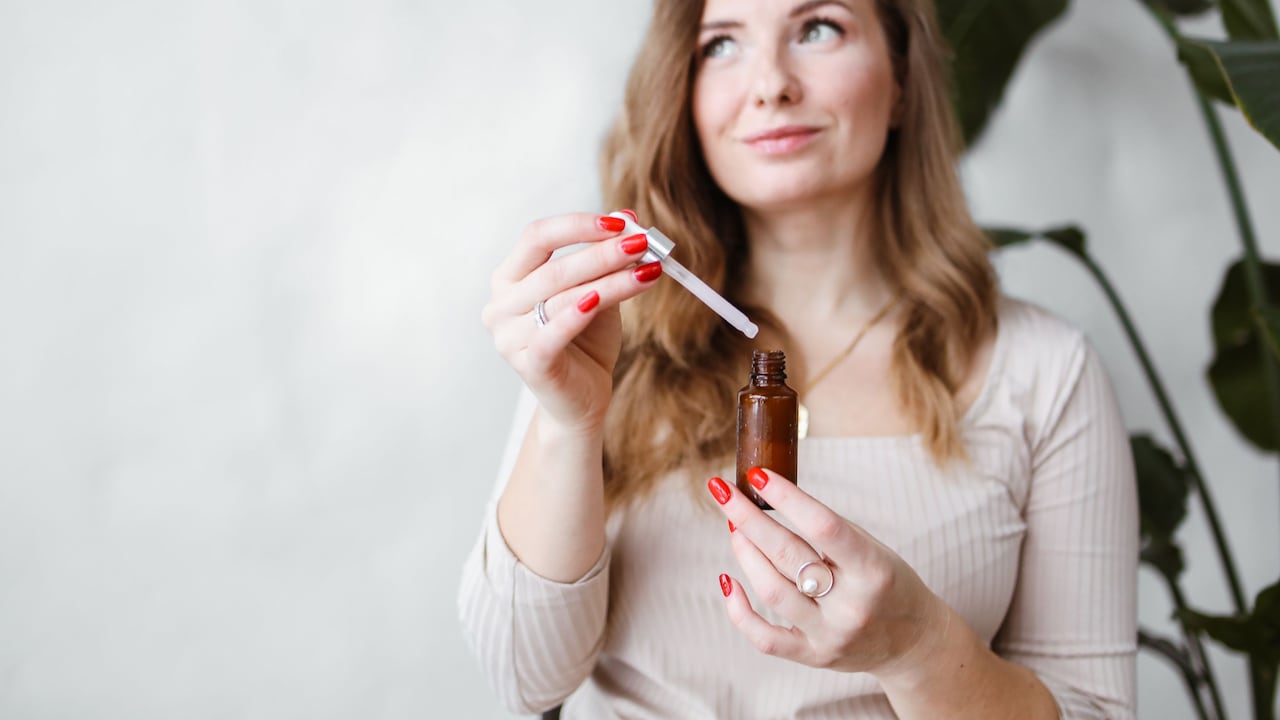
Hair Serum Not Controlling Frizz? 10 Common Reasons And How To Fix Them; Photo Credit: Pexels
4. You're Using More Serum Than Your Hair Actually Needs
When a small amount of serum controls frizz, adding extra product might seem like the obvious way to extend the results. Unfortunately, generous application doesn't always translate into longer-lasting smoothness.
Too much serum can leave hair looking flat, greasy, or unevenly coated. Fine strands may clump together, while heavier formulations can make the roots appear oily. Meanwhile, the sections that genuinely need attention might receive less product than expected.
Excess serum can also encourage repeated touching and brushing as you try to restore volume. This additional handling may disturb your hairstyle and create more flyaways.
The ideal quantity depends on hair length, thickness, texture, and product concentration. A lightweight serum might require several drops for thick hair, while a rich formula may need considerably less.
Start with a small amount and distribute it evenly through your palms. Concentrate on the mid-lengths and ends rather than coating every strand from root to tip.
If certain sections remain frizzy, add a little more only where necessary. For curly or textured hair, applying serum section by section may offer more consistent coverage.
Remember, the goal is controlled application, not making your hair feel as though it has received an oil massage.
5. Product Build-Up Is Making Your Hair Difficult To Manage
A serum that worked beautifully during the first few weeks might gradually seem less impressive. One possible explanation is product build-up, particularly when your routine includes several leave-in treatments, styling creams, oils, and sprays.
Some film-forming ingredients, including certain silicones and conditioning polymers, can accumulate on the hair between washes. This doesn't mean silicones are inherently harmful. Many provide excellent slip, shine, and frizz control.
However, excessive residue may leave strands feeling coated, heavy, or unusually dull. It can also affect how evenly fresh styling products spread across the hair.
Picture applying serum every morning, adding hair oil occasionally, and using dry shampoo between washes. Over time, the combination may create a finish that feels less pleasant than the original smoothness.
Choose a shampoo that cleanses effectively without leaving your hair excessively dry. An occasional clarifying wash may help when residue becomes noticeable, although frequent clarifying can worsen dryness.
You don't need to eliminate every silicone-containing product from your routine. Instead, pay attention to how your hair feels after washing and styling.
Clean, properly conditioned strands generally provide a more consistent starting point for serum application than hair carrying several layers of leftover styling products.
6. Heat Styling Is Damaging The Hair Cuticle
Hair straighteners and blow dryers can make serum appear particularly effective. The hair looks smooth immediately after styling, and the finishing product enhances its shine. But when high temperatures become part of your daily routine, the results may become harder to maintain.
Excessive heat can damage the hair cuticle, the protective outer layer responsible for helping strands remain smooth. Repeated exposure may weaken the hair fibre, increase roughness, and make strands more vulnerable to breakage.
A serum can temporarily improve the appearance of damaged areas, but it cannot permanently repair structural damage caused by excessive heat.
This explains why hair sometimes looks polished immediately after straightening yet develops frizz around the ends later.
Reduce unnecessary heat exposure and choose the lowest effective styling temperature for your hair. Avoid repeatedly passing a straightener over the same section.
Most importantly, don't assume every serum offers thermal protection. A product designed primarily for shine may not provide adequate protection against heated tools.
Use a dedicated heat protectant when necessary, following its application directions. Many finishing serums belong after styling rather than before direct high-temperature contact.
If your ends remain rough despite these changes, a trim may help remove severely damaged sections that cosmetic products cannot restore.
Hair Serum Not Controlling Frizz? 10 Common Reasons And How To Fix Them; Photo Credit: Pexels
7. Your Hair Serum Doesn't Match Your Hair Texture
Not every serum delivers the same results on every hair type. A lightweight formula that works beautifully on fine, straight hair may struggle to control thick, coarse, or tightly curled strands.
Conversely, a rich serum intended for very dry hair might leave fine strands looking limp within minutes.
Hair texture influences how products spread, how much lubrication the strands require, and how effectively a particular formula reduces friction.
For instance, fine hair often benefits from lightweight formulations that provide smoothness without excessive heaviness. Thick or coarse hair may need richer conditioning ingredients, especially when dryness contributes to frizz.
Curly and wavy hair introduce another consideration. Their natural shape can make strands more susceptible to tangling and friction, while brushing after styling may disrupt curl definition.
Rather than choosing a serum solely because it promises glossy hair, examine its intended purpose. Some products focus on shine, others target humidity resistance, and certain formulations provide additional conditioning benefits.
Hair porosity also matters. Highly porous hair may react strongly to moisture changes, making consistent conditioning and humidity-resistant styling particularly useful.
If your serum produces short-lived results despite careful application, experimenting with a formula better suited to your texture may prove more effective than increasing the quantity.
8. Frequent Touching And Brushing Are Disturbing Your Hairstyle
Sometimes, the biggest challenge to frizz control has nothing to do with ingredients. It's what happens to your hair after you've finished styling.
Running your fingers through the strands, repeatedly adjusting a ponytail, or brushing throughout the day creates friction. This movement can separate styled sections and disturb the smooth arrangement achieved during your morning routine.
The problem becomes more noticeable with wavy and curly hair. Brushing dry curls often breaks apart their natural groupings, producing a cloud of flyaways even when the hair isn't particularly damaged.
Everyday activities contribute too. Motorcycle helmets, backpack straps, scarves, and tight collars can rub against the hair. Long strands caught beneath a handbag strap may develop tangles and roughness within hours.
Serum can reduce friction, but it cannot completely eliminate the mechanical effects of repeated handling.
Use a wide-tooth comb when detangling and minimise unnecessary brushing after styling. If you wear your hair in a ponytail, choose a gentle hair tie that doesn't pull tightly against the strands.
For curls, reshape frizzy sections with slightly damp hands and an appropriate styling product rather than brushing everything again.
Sometimes, maintaining the original hairstyle requires doing less rather than applying more.
9. Your Shampoo And Conditioner Aren't Supporting Frizz Control
Hair serum often receives all the attention because it creates the most visible finishing effect. However, the products you use before serum can strongly influence the final outcome.
A shampoo that leaves hair excessively stripped may increase roughness and tangling. Similarly, skipping conditioner can make it harder to achieve a smooth finish, particularly when your hair is naturally dry or chemically treated.
Conditioners contain ingredients that help reduce friction, improve manageability, and smooth the hair surface. Without adequate conditioning, serum may need to compensate for problems that earlier steps could have reduced.
Another common mistake involves choosing products based on unrelated concerns. Someone with an oily scalp might select a strong cleansing shampoo, even though their hair lengths remain dry and frizz-prone.
The scalp and hair lengths don't always require identical care. You can cleanse an oily scalp effectively while giving drier ends more conditioning attention.
Apply shampoo primarily to the scalp, allowing the lather to cleanse the lengths as you rinse. Follow with conditioner suited to your hair's needs.
A leave-in conditioner can provide additional manageability when necessary, especially for hair that tangles easily.
Rather than expecting one serum to solve every concern, build a routine in which cleansing, conditioning, and styling products work together.
10. You're Expecting Hair Serum To Deliver Permanent Frizz Control
Perhaps the most common reason serum feels disappointing is the expectation that one application should keep every strand perfectly smooth until bedtime.
Most conventional hair serums offer temporary cosmetic benefits. They improve lubrication, reduce friction, enhance shine, and help the cuticle lie more smoothly. These effects can be useful, but they don't permanently change the hair's natural texture.
Humidity, physical movement, sweat, washing, and environmental exposure can all influence the finished hairstyle.
Someone with naturally wavy hair may notice strands returning towards their original pattern after straightening. This doesn't automatically mean the serum has failed. The hair is responding to moisture and its natural structure.
It's also worth distinguishing between frizz and natural texture. Waves, curls, and small flyaways aren't necessarily signs of unhealthy hair. Trying to eliminate every irregular strand can lead to excessive styling, product layering, and unnecessary frustration.
Set realistic expectations based on your hair type and daily activities. For longer-lasting definition or smoothness, combine serum with appropriate conditioning and styling techniques.
On particularly humid days, a protective hairstyle may work better than repeated serum application.
The most practical goal isn't permanently motionless hair. It's hair that feels comfortable, looks manageable, and doesn't require constant attention throughout the day.
Products Related To This Article
1. LOreal Paris Hyaluron Moisture Hair Serum With Hyaluronic Acid For Frizz-Free Hair
2. Bare Anatomy Argan Oil & Vitamin E Anti-Frizz Hair Serum
3. ARATA Super Serum For Dry & Frizzy Hair
4. LOreal Professionnel Xtenso Care Serum for Frizz-Free, Smooth & Manageable Hair
5. MATRIX Mega Smooth Anti-Frizz Serum with Shea butter for 4-Days Frizz Control
6. Cureskin Smooth and Shine Hair Serum With Rice & Argan Collagen
7. Plum Coconut & Squalane Nutri-Shine Hair Serum - Controls Fizz & Adds Shine
Hair serum can transform the appearance of frizzy strands within moments, but its effectiveness depends on much more than the product itself. Humidity, dryness, heat damage, unsuitable formulations, product build-up, and everyday handling can gradually undo that freshly styled finish.
Instead of applying more serum whenever frizz returns, examine your complete haircare routine. Better conditioning, gentler styling, and a suitable formula can make a noticeable difference. Ultimately, understanding what your hair needs is far more useful than expecting one small bottle to perform miracles every morning.
(Disclaimer: This article may include references to or features of products and services made available through affiliate marketing campaigns. NDTV Convergence Limited (“NDTV”) strives to maintain editorial independence while participating in such campaigns. NDTV does not assume responsibility for the performance or claims of any featured products or services.)