10 Reasons Body Lotion Feels Sticky Even When You Use Only A Little
Does your body lotion leave a sticky feeling despite using just a little? Discover 10 common reasons behind greasy skin and simple ways to keep it soft, smooth and comfortable.
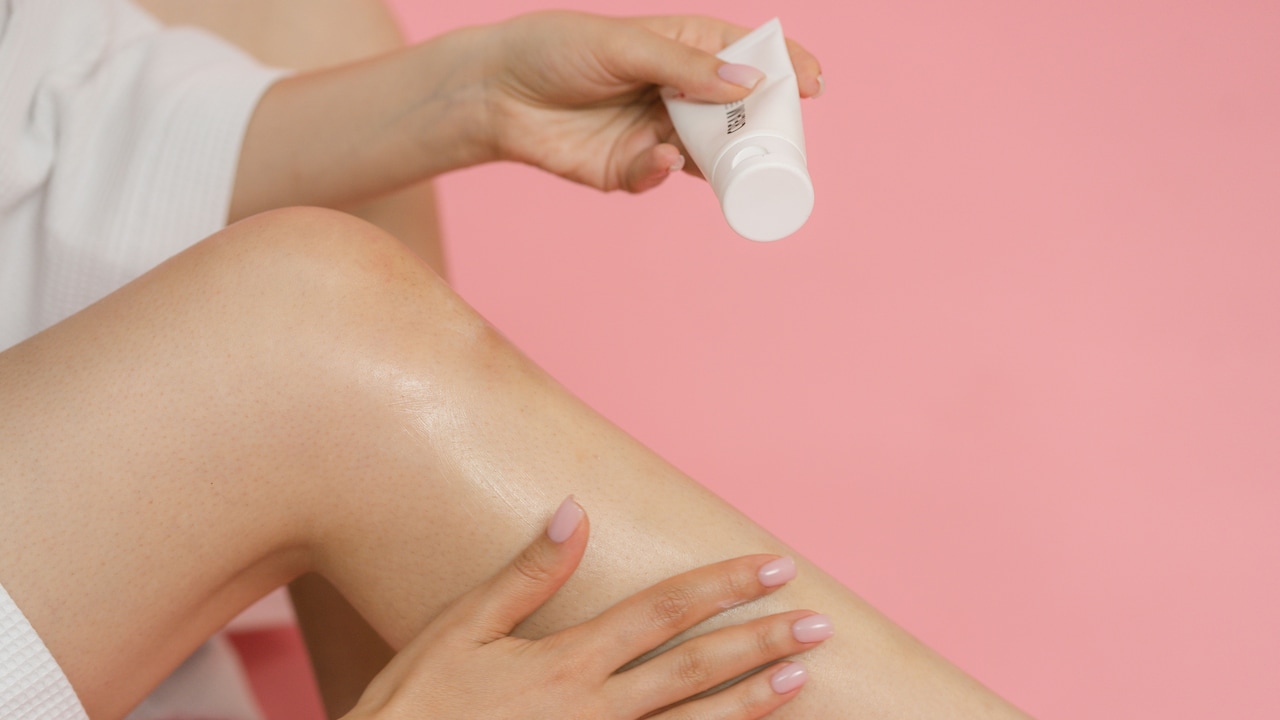
Body Lotion Not Absorbing Properly? 10 Reasons Your Skin Feels Sticky
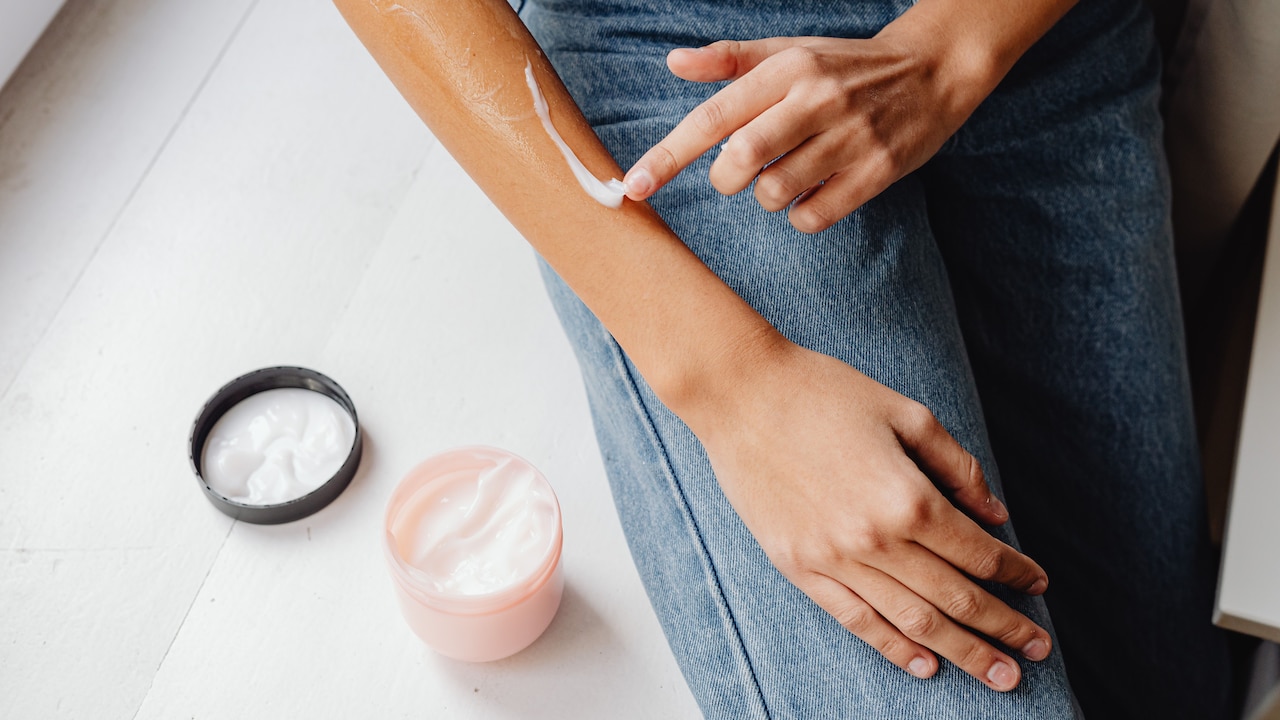
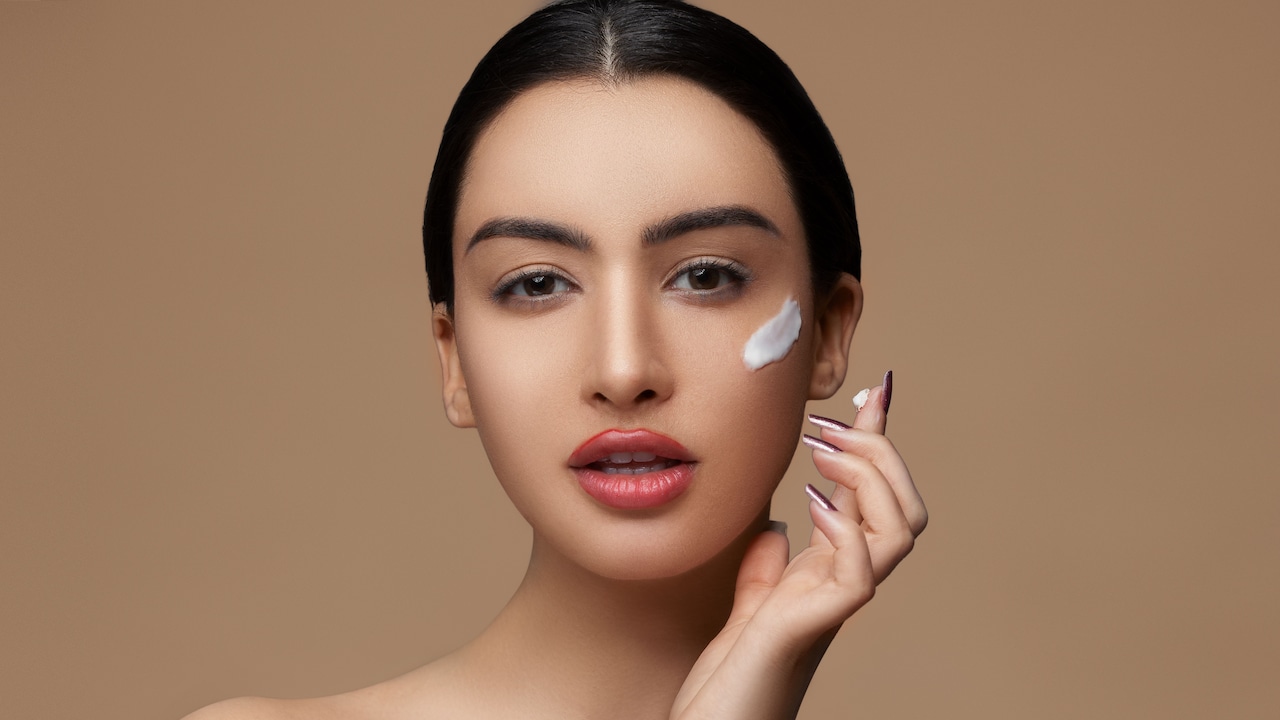
Applying body lotion should leave your skin feeling soft, nourished, and comfortable. Yet, sometimes, even a pea-sized amount creates an unpleasant sticky layer that refuses to disappear. Your clothes cling to your arms, your skin feels warmer than usual, and suddenly, a simple skincare routine becomes an exercise in patience. The frustration only grows when you have already reduced the quantity, expecting a lighter finish. This problem becomes particularly noticeable during humid mornings, sweaty commutes, and warmer months. However, the amount of lotion you apply isn't always responsible. Its ingredients, your skin type, the weather, and even your bathing habits can influence how comfortably a moisturiser settles on your skin. Interestingly, a lotion that feels perfect during winter might become unbearably sticky when the temperature rises. Similarly, products that work beautifully for someone else might leave your skin feeling coated. Understanding these small differences can help you choose better products and avoid unnecessary discomfort. Here are ten common reasons your body lotion feels sticky, along with practical ways to make your moisturising routine more comfortable.
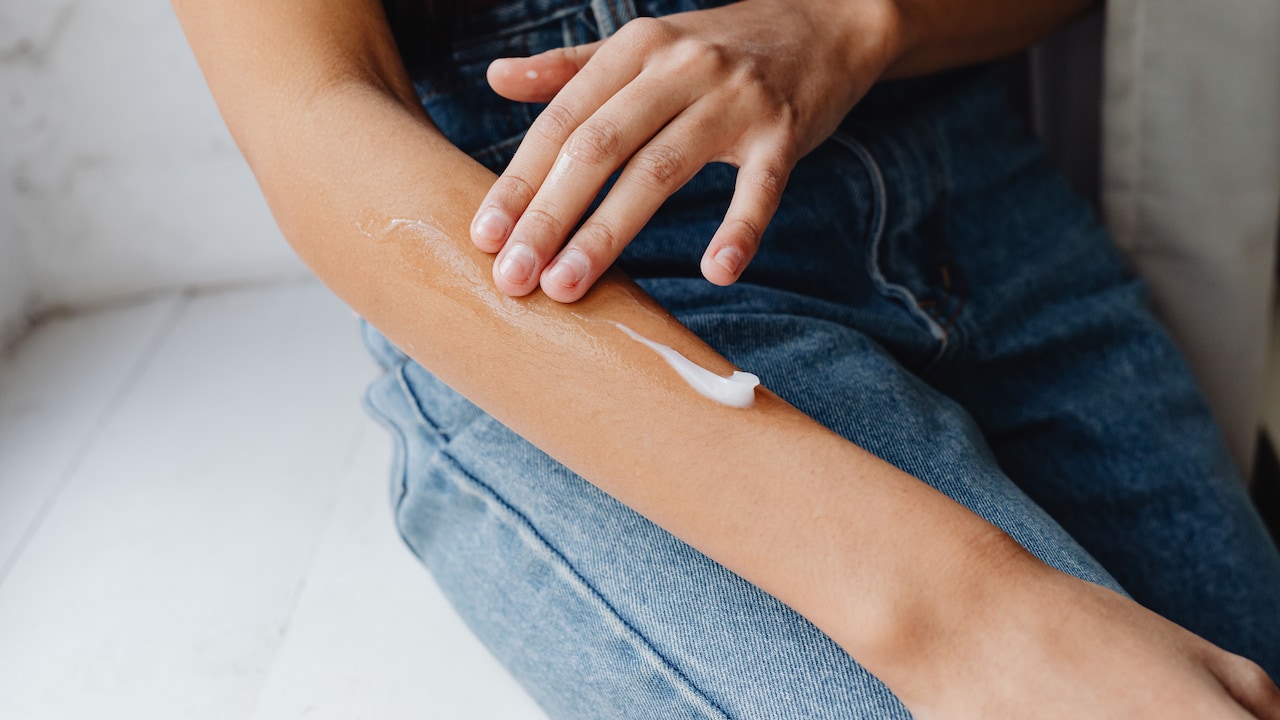
Body Lotion Not Absorbing Properly? 10 Reasons Your Skin Feels Sticky; Photo Credit: Pexels
Why Your Body Lotion Feels Sticky And How To Fix It
1. Your Body Lotion Contains Too Many Heavy Ingredients
A rich body lotion might sound like the perfect solution for dry skin, but heavier formulations don't always feel comfortable. Ingredients such as petrolatum, mineral oil, shea butter, and certain plant oils help reduce moisture loss by forming a protective layer over the skin. While these ingredients can benefit very dry areas, some formulations leave a noticeable coating.
The problem becomes more obvious when you use the same rich lotion across your entire body. Your elbows and heels might appreciate the extra nourishment, but your arms and legs may not need such an intensive formula.
Texture also matters. Two lotions containing similar ingredients can feel completely different because manufacturers use different concentrations and combinations. One might absorb comfortably, while another leaves a greasy or tacky finish.
Instead of avoiding rich moisturisers altogether, consider where your skin needs them most. Reserve thicker creams for dry patches and choose lighter lotions for everyday use.
Look for formulations that describe themselves as lightweight or quick-absorbing, but remember that marketing claims don't guarantee comfort. Testing a small amount on your forearm can reveal more about the finish than an attractive product label.
Also Read: Top 5 Deep Nourishing Body Lotions For Very Dry Skin
2. You Are Applying Lotion When Your Skin Is Too Wet
Applying moisturiser after bathing is generally a good habit because slightly damp skin can benefit from the extra hydration. However, there's a difference between damp skin and skin that's still dripping wet.
When you spread lotion over excessively wet skin, the product mixes with the remaining surface water. Depending on its formulation, this can temporarily create a slippery or sticky sensation. Some lotions also take longer to settle when you apply them over a substantial layer of water.
Imagine stepping out of the shower, quickly rubbing lotion onto wet arms and immediately putting on a cotton kurta. The combination of surface moisture, lotion and fabric can create an uncomfortable feeling that lasts longer than expected.
The solution isn't to wait until your skin becomes completely dry. Instead, gently pat your body with a towel, leaving behind a little moisture.
Apply your lotion while your skin still feels slightly damp, then give it a moment to settle before dressing.
This simple change can improve how comfortable the product feels without compromising your moisturising routine. It also helps you distinguish between genuine product stickiness and the temporary sensation of applying lotion over wet skin.
3. The Weather Is Too Humid For Your Lotion
Humidity changes how skincare products feel, sometimes dramatically. A lotion that works beautifully during a cool December evening might become uncomfortable during a sticky monsoon afternoon.
When the surrounding air already contains considerable moisture, sweat doesn't evaporate from your skin as efficiently. Add a rich body lotion, and the combination of perspiration and moisturiser can leave your arms or legs feeling tacky.
This doesn't necessarily mean your lotion has stopped working. Your skin simply experiences its texture differently under warmer, more humid conditions.
The situation becomes particularly noticeable during crowded train journeys, outdoor shopping trips or mornings when the ceiling fan barely provides relief.
Rather than abandoning moisturiser completely, adjust your routine to suit the weather.
Choose lighter emulsions or gel-based body moisturisers during humid months. Formulations with a less oily finish may feel more comfortable, especially on areas that sweat frequently.
You can also apply a richer cream only to noticeably dry areas instead of covering your entire body.
Remember that humidity doesn't automatically mean your skin needs no moisturiser. The goal is to find a texture that supports your skin without adding to the discomfort of an already sweaty day.
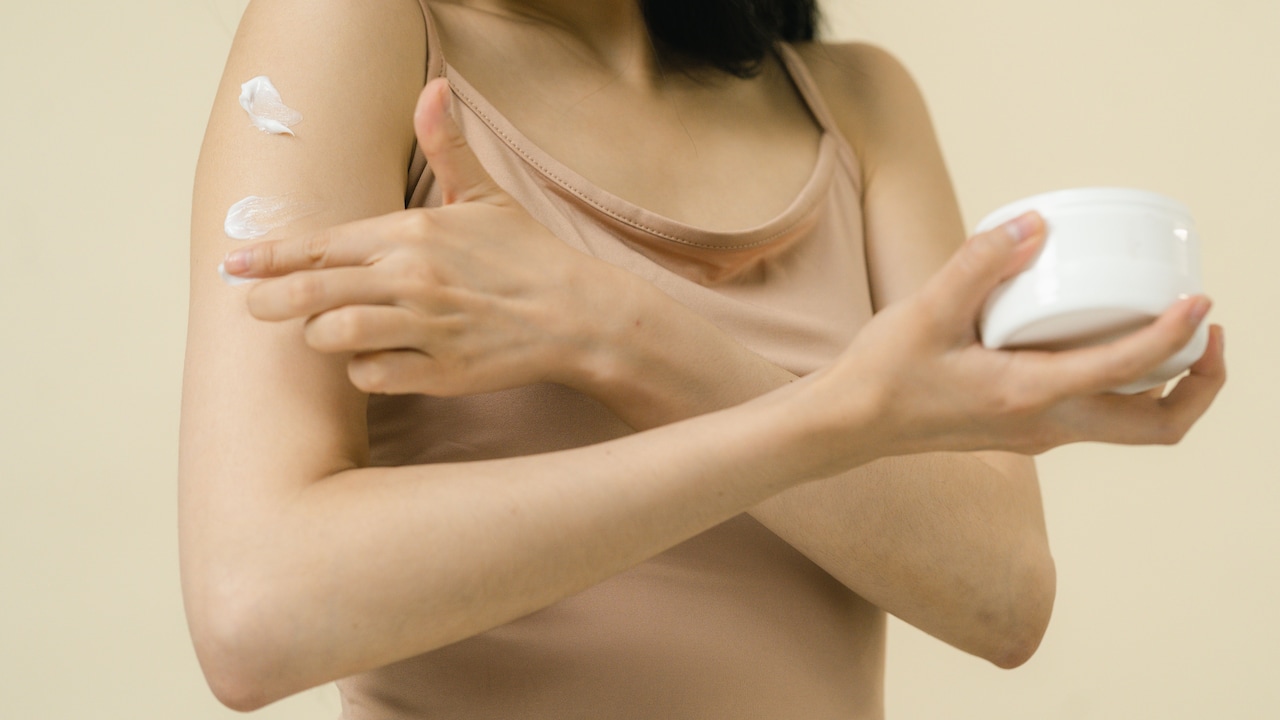
Body Lotion Not Absorbing Properly? 10 Reasons Your Skin Feels Sticky; Photo Credit: Pexels
4. Your Lotion Doesn't Suit Your Skin Type
Not every body lotion works equally well for every skin type. Someone with extremely dry skin might find a thick cream comforting, while a person with naturally oily or sweat-prone skin may experience the same product as unpleasantly sticky.
Body skin also varies from one area to another. Your knees might feel rough, your shins might become flaky, and your back could feel relatively comfortable without much moisturiser.
Using one heavy formula everywhere can therefore create an uneven experience.
For example, applying an intensive body butter to your arms before heading outdoors may leave them feeling coated, even if the same product works wonderfully on your feet before bedtime.
Pay attention to how different areas respond rather than assuming your entire body needs identical care.
For skin that becomes sticky easily, consider a lightweight lotion with humectants such as glycerin or hyaluronic acid, combined with a comfortable balance of emollients.
Dry areas may still benefit from richer products that help prevent moisture loss.
If your skin feels tight after washing but becomes greasy after moisturising, the problem might be the formulation rather than your need for hydration.
Choosing products according to your skin's actual condition can make everyday moisturising considerably easier.
5. You Are Layering Lotion Over Other Skincare Products
Sometimes, the body lotion isn't the only product responsible for that sticky feeling.
The moisturiser might be sitting over body oil, sunscreen, serum or another skincare product that hasn't settled properly.
Each formula contains its own mixture of water, oils, humectants and texture-enhancing ingredients. When you layer several products, their combined finish can feel heavier than any individual product would.
Consider a morning routine involving body oil after bathing, followed by lotion and sunscreen before leaving home. Even when you apply small quantities, the combined layers may create a noticeable coating.
This doesn't mean layering products is inherently wrong. Some skincare routines benefit from combining hydration with ingredients that help reduce moisture loss.
However, unnecessary layering can make your skin uncomfortable, particularly during warmer weather.
Start by examining whether every product serves a clear purpose.
If your body lotion already provides sufficient moisture, you might not need an additional oil across the same areas.
Allow products to settle between applications when practical, and avoid applying more than necessary. If you need sunscreen, don't reduce the recommended amount simply to avoid stickiness. Instead, look for compatible formulas with a comfortable finish.
A simpler routine often feels better.
6. Your Skin Has A Build-Up Of Sweat, Oil And Old Products
Even a freshly applied lotion can feel sticky when your skin already carries a layer of sweat, natural oils or leftover skincare products.
Throughout the day, your skin collects perspiration, environmental particles and residue from products. Applying moisturiser directly over this mixture can create a heavier sensation.
This commonly happens when someone reapplies lotion after returning from work or spending several hours outdoors.
The intention makes sense. Your skin feels uncomfortable, so you reach for moisturiser. Unfortunately, adding more product without considering what's already on the surface may make matters worse.
Another possibility involves inadequate rinsing during bathing. Residual shower gel, body wash or conditioner can affect how your skin feels after applying lotion.
Maintain a gentle cleansing routine and rinse bath products thoroughly.
If your skin feels sweaty, cleanse the area when practical or wait until it feels clean and comfortable before applying additional moisturiser.
Avoid aggressive scrubbing in an attempt to eliminate every trace of residue. Excessive cleansing can irritate your skin and worsen dryness.
The aim is clean, comfortable skin, not that squeaky feeling often associated with stripping away too much of its natural moisture.

Body Lotion Not Absorbing Properly? 10 Reasons Your Skin Feels Sticky; Photo Credit: Pexels
7. Your Lotion Contains Ingredients That Leave A Tacky Finish
Some lotions feel sticky because of the way their ingredients behave on your skin, even when the formula contains relatively little oil.
Humectants such as glycerin help attract and retain water. They play an important role in keeping skin hydrated, but certain formulations with higher concentrations can produce a tacky sensation.
Other ingredients, including some film-forming polymers and thickening agents, can influence how a lotion spreads, dries and feels afterwards.
This explains why a product advertised as oil-free doesn't automatically feel weightless.
You might encounter a lotion that spreads beautifully at first but develops a slightly adhesive finish after a few minutes. Another product may feel slippery during application yet settle into a comfortable texture.
These differences often reflect the complete formulation rather than one particular ingredient.
If stickiness repeatedly bothers you, compare how different lotions feel after ten or fifteen minutes, not just immediately after application.
Try a small amount on clean skin and observe whether the tackiness disappears or persists.
Avoid assuming that familiar skincare ingredients are inherently problematic. Glycerin, for instance, works well in many elegant, non-sticky formulations.
The important question is how the finished product behaves on your skin.
8. You Are Rubbing The Lotion For Too Long
Applying moisturiser doesn't require an elaborate massage session. In fact, repeatedly rubbing a lotion long after you've distributed it can make the application process feel unnecessarily sticky.
Some formulations become tackier as their water content evaporates and the remaining ingredients form a thin layer on the skin.
Continuing to rub during this stage may create friction, making the product feel as though it's dragging rather than gliding.
There's also a common misconception that lotion must disappear completely through vigorous rubbing before it can moisturise properly.
Moisturisers don't need to vanish to work. Some ingredients remain on the skin's surface deliberately to support its protective barrier and reduce moisture loss.
Start with a modest quantity and spread it evenly using gentle movements.
Once you've covered the area, stop rubbing and allow the formulation to settle naturally.
If the lotion continues to feel sticky despite correct application, changing your technique may not solve everything. The product's texture could simply be unsuitable for your preferences.
A good moisturising routine shouldn't resemble a workout for your hands. Gentle application usually does the job without unnecessary effort.
9. Your Skin Is Already Sweaty When You Apply Lotion
Applying lotion immediately after exercising, walking outdoors or finishing household chores can create an uncomfortable combination of moisturiser and perspiration.
Sweat adds moisture and salts to the skin's surface. When you spread lotion over it, the resulting mixture may feel slippery initially and sticky afterwards.
The sensation can become particularly unpleasant around the neck, behind the knees and near the elbows, where warmth and friction often increase discomfort.
Picture finishing a quick morning workout, wiping your arms with a towel and immediately applying a rich lotion. Even a small quantity might feel heavier than expected because your skin is still warm and producing sweat.
Waiting until your body cools down can make a noticeable difference.
After exercise, shower when possible or gently cleanse sweaty areas. Allow excess perspiration to subside before moisturising.
Choose a lightweight product if you tend to sweat frequently, and focus on areas that genuinely need additional moisture.
If you experience unusual sweating, persistent irritation or recurring rashes, don't automatically blame your lotion. These symptoms may need separate attention.
Comfortable skincare often comes down to timing as much as the products themselves.
10. Your Body Lotion Has Changed Texture Or Passed Its Best
A lotion that once felt smooth can become unpleasant when its formulation changes during storage.
Heat, repeated exposure to air and improper storage conditions may affect a moisturiser's consistency. Depending on the product, you might notice separation, unusual thickening or changes in how it spreads.
Leaving a lotion bottle beside a sunny bathroom window or inside a hot vehicle, for example, can expose it to temperatures outside the manufacturer's recommended storage conditions.
Over time, these conditions may affect the product's stability.
An expired lotion doesn't automatically become sticky, and stickiness alone doesn't prove that a product has spoiled. However, an unexpected change in texture deserves attention.
Check the expiry date and any period-after-opening symbol on the packaging. Also notice changes in smell, colour or consistency.
If your lotion develops an unusual odour, separates unexpectedly or causes irritation, stop using it.
Store moisturisers according to their labels, generally away from excessive heat and direct sunlight, and close their containers properly.
You don't need to replace a perfectly good lotion simply because it feels rich. However, if a previously comfortable product suddenly behaves differently, checking its condition makes sense before experimenting with your skincare routine.
Products Related To This Article
1. Cetaphil Moisturising Lotion
2. MCaffeine Sweet Escape Perfume Body Lotion with Niacinamide for Deep Moisturization
3. Mamaearth Rice Water Hydrating Body Lotion with Niacinamide
4. DOT & KEY Vitamin C + E Super Bright Body Lotion with Bloody Orange & Niacinamide
5. The Derma co. 1% Kojic Acid Daily Glow Body Serum-Lotion
6. DR. SHETHS Tea Tree & Lactic Acid Body Lotion with Salicylic Acid & Licorice
7. Chemist at Play Bright Boost Body Lotion with SPF 50+
8. Plum BodyLovin' Oh So Pistachio Body Lotion
Sticky body lotion isn't always the result of applying too much. Heavy formulations, humidity, sweaty skin, product layering, and application habits can all influence how moisturiser feels. Sometimes, the solution is as simple as switching to a lighter texture or applying lotion after gently drying your skin.
Rather than giving up on moisturising, identify what's causing the discomfort. The right body lotion should help your skin retain moisture without making everyday activities unpleasant. After all, soft skin shouldn't come with the added challenge of feeling glued to your clothes.
(Disclaimer: This article may include references to or features of products and services made available through affiliate marketing campaigns. NDTV Convergence Limited (“NDTV”) strives to maintain editorial independence while participating in such campaigns. NDTV does not assume responsibility for the performance or claims of any featured products or services.)