Why Compact Powder Settles Into Fine Lines By The Middle Of The Day
Does your compact powder settle into fine lines by lunchtime? Discover 10 common reasons behind creasing, cakey patches and uneven makeup, along with practical ways to keep your complexion looking smooth.
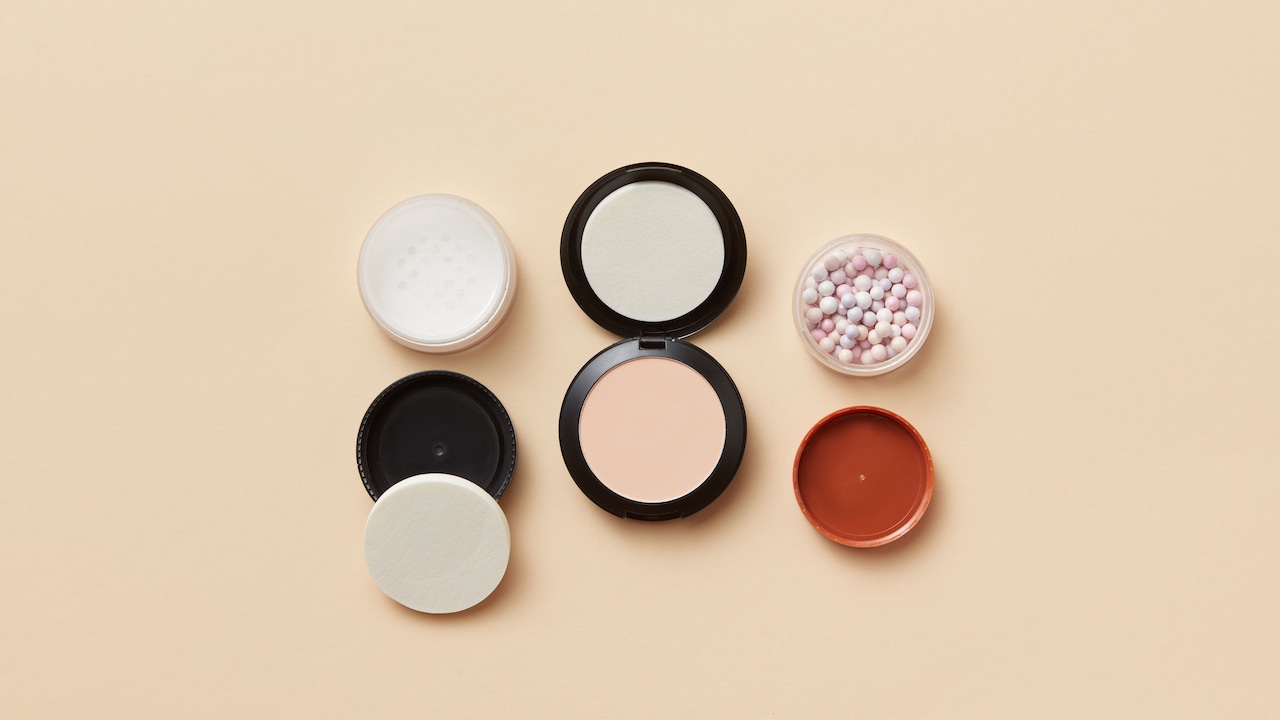
A freshly applied compact powder can make the skin look smooth, even and wonderfully put together. It controls unwanted shine, softens the appearance of pores and gives makeup that final polished touch. Yet, a few hours later, the mirror tells a different story. Fine lines around the eyes become more noticeable, the forehead looks slightly creased, and powder gathers around the nose or mouth. What started as a flawless morning look suddenly needs rescuing before lunch. This problem can feel particularly frustrating during long office hours, humid commutes or busy days spent moving between air-conditioned rooms and outdoor heat. The natural instinct is to apply another layer of powder, hoping to restore that freshly finished appearance. Unfortunately, extra powder can sometimes make the situation worse. Compact powder doesn't necessarily settle into fine lines because of poor product quality or ageing skin. Several everyday factors influence how it behaves, including skincare preparation, application techniques, skin texture and changing moisture levels.
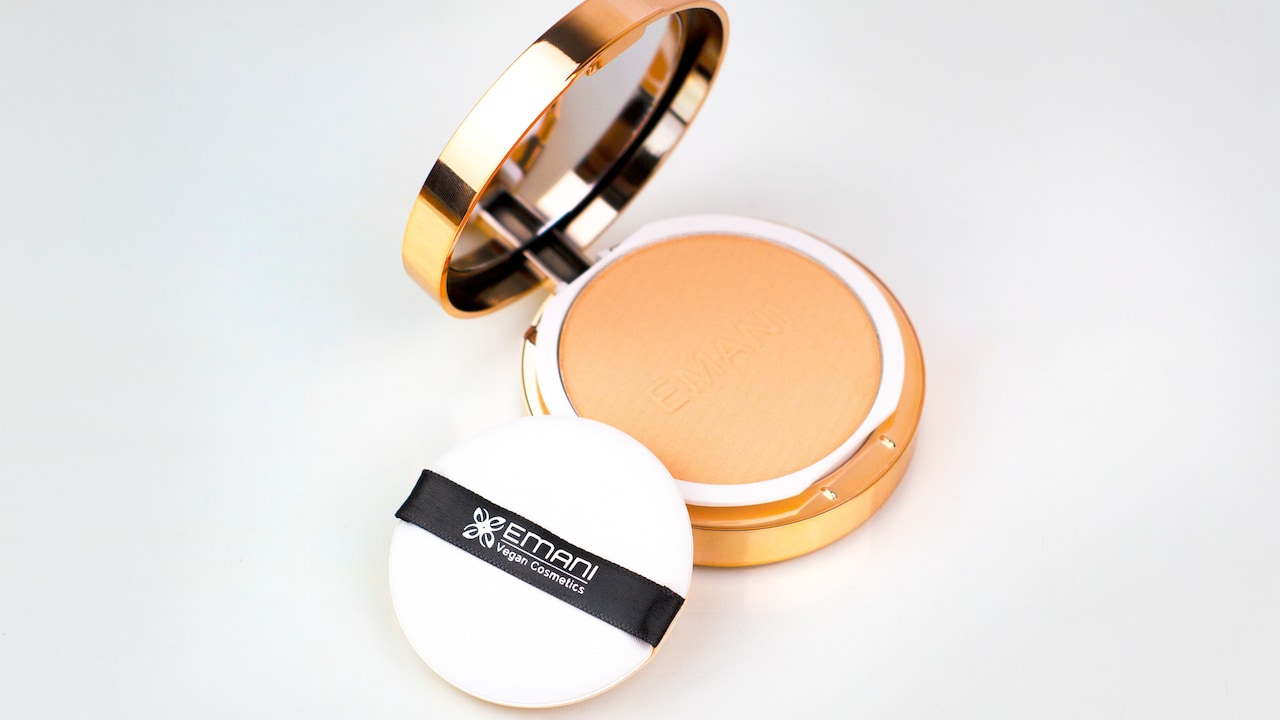
Compact Powder Looking Cakey By Midday? 10 Reasons And How To Prevent It
Photo Credit: Pexels
Understanding these small details can make a surprisingly big difference. Here are ten reasons compact powder settles into fine lines by the middle of the day and what can help prevent it.
10 Reasons Compact Powder Settles Into Fine Lines And How To Prevent It
1. Applying Compact Powder Over Skin That Lacks Moisture
Dry skin creates one of the most common conditions for compact powder to settle into fine lines. When the skin lacks sufficient moisture, its surface may develop tiny rough patches that aren't immediately visible. Powder particles cling to these areas, making fine lines and uneven texture appear more prominent as the day progresses.
The problem becomes particularly noticeable around the eyes, mouth and forehead. These areas experience frequent facial movements, so dryness combined with makeup can exaggerate creasing.
A morning skincare routine that focuses only on cleansing and oil control may unintentionally contribute to this issue. Even people with oily skin can experience dehydration, especially when they spend several hours in air-conditioned environments.
A lightweight moisturiser containing ingredients such as glycerin or hyaluronic acid can help maintain a smoother surface before makeup application. Allowing the moisturiser to absorb before applying the next product also matters.
For particularly dry areas, a slightly richer moisturiser may work better than applying more powder later.
The goal isn't to make the face excessively creamy. It's to create comfortable, hydrated skin that allows compact powder to sit evenly without highlighting every tiny crease.
2. Using Too Much Compact Powder During Morning Makeup
A little compact powder can create a polished finish, but applying several layers often produces the opposite result. Excess powder forms a thicker layer over the skin, making it easier for the product to gather wherever the face naturally folds or moves.
This usually becomes noticeable around smile lines, under the eyes and across the forehead.
Consider a typical weekday morning. There's limited time to get ready, so a few extra swipes of compact powder seem like an easy way to control shine for the entire day. The result might look smooth initially, but the heavier application can become increasingly obvious after several hours.
The solution is to use powder strategically rather than covering every part of the face with equal intensity.
Focus on areas that genuinely need shine control, such as the forehead, nose and chin. Apply a lighter amount around the mouth and eyes, where facial movement naturally creates creases.
A soft brush often distributes loose amounts of powder more evenly than a dense puff. However, a puff can also work well when used with a gentle pressing motion.
Building coverage gradually helps prevent the thick, powdery finish that makes fine lines stand out.
3. Applying Powder Before Foundation Or Concealer Has Settled
Layering makeup too quickly can create problems that only become obvious several hours later. Foundation and concealer need a little time to settle into a comfortable, even layer before compact powder goes on top.
When powder meets a foundation that's still excessively wet or slippery, it may cling unevenly and form small patches of concentrated pigment.
These uneven deposits can become more noticeable as facial expressions, oil and perspiration disturb the makeup.
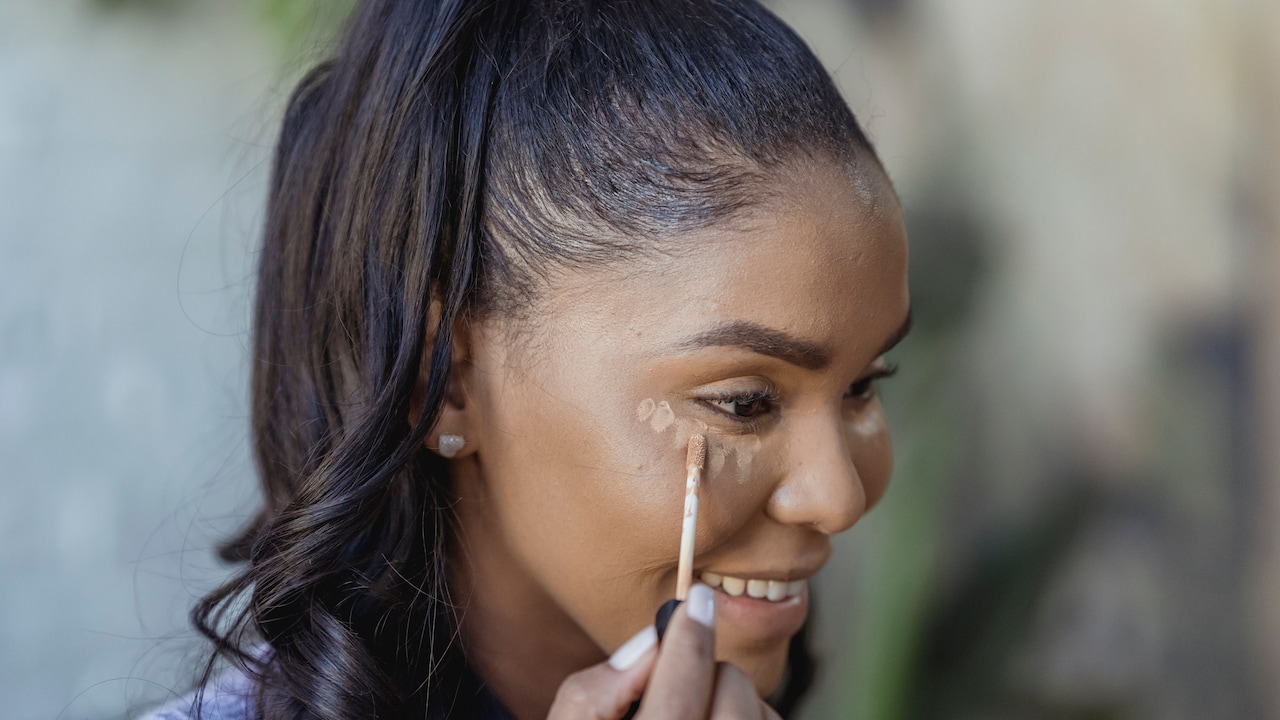
The under-eye area offers a familiar example. Concealer may initially look smooth, but if it has already collected in tiny creases before setting, applying powder directly over those creases can make them more visible.
A better approach involves checking the makeup carefully before applying powder.
Gently smooth away any visible concealer creases with a clean fingertip or makeup sponge. Then apply a very small amount of powder while the concealer still has enough tackiness to hold it.
For the rest of the face, allow foundation to settle briefly and remove any excess product before setting.
This simple adjustment helps create a more even finish without relying on heavy powder application to hold everything together.
Also Read: Busy Mornings Made Easy: Makeup Products To Carry In Your Vanity Bag For Quick Touch Ups
4. Choosing A Compact Powder Formula That Doesn't Suit Your Skin
Not every compact powder behaves the same way, even when two products promise similar coverage or shine control. Their ingredients, texture, pigment concentration and finish can significantly influence how they sit on the skin.
Some highly mattifying formulas absorb oil effectively but may feel uncomfortable on dry or dehydrated areas. Others contain additional coverage pigments that can make fine lines appear more noticeable when applied heavily.
A powder that works beautifully during humid summer afternoons might feel less flattering during cooler months, especially when the skin becomes drier.
The distinction between setting powders and powder foundations also deserves attention. A compact designed to provide substantial coverage can deposit more pigment than a lightweight setting formula.
For skin that already shows fine lines, finely milled powders with a natural or soft-matte finish may offer a more forgiving appearance.
Those with oily skin can still benefit from mattifying products, but they don't necessarily need to apply them across the entire face.
Testing how a powder looks after several hours offers more useful information than judging its performance immediately after application.
A comfortable formula should control unwanted shine without leaving the complexion looking unusually dry, chalky or heavily coated.
5. Applying Compact Powder With The Wrong Makeup Tool
The makeup tool used during application can influence how much powder reaches the skin and where it settles.
Compact powders frequently come with small sponges or puffs that make touch-ups convenient. However, repeatedly rubbing these applicators across the face can create uneven layers, particularly over foundation or concealer.
Dense puffs may also deposit more product than intended when pressed heavily into the compact.
A large, fluffy brush generally provides a lighter application, making it useful for areas that don't require significant coverage. Meanwhile, a soft powder puff can help set specific oily areas through controlled pressing motions.
The technique matters just as much as the tool itself.
Instead of dragging powder across the skin, use gentle tapping or pressing movements. This reduces the chance of shifting the makeup underneath.
Cleaning applicators regularly also helps prevent accumulated product, skin oils and residue from interfering with an even finish.
There's no need to invest in an elaborate collection of expensive brushes. One suitable brush and a clean puff can handle most everyday makeup requirements.
The important detail is controlling product quantity and avoiding unnecessary friction around delicate areas.
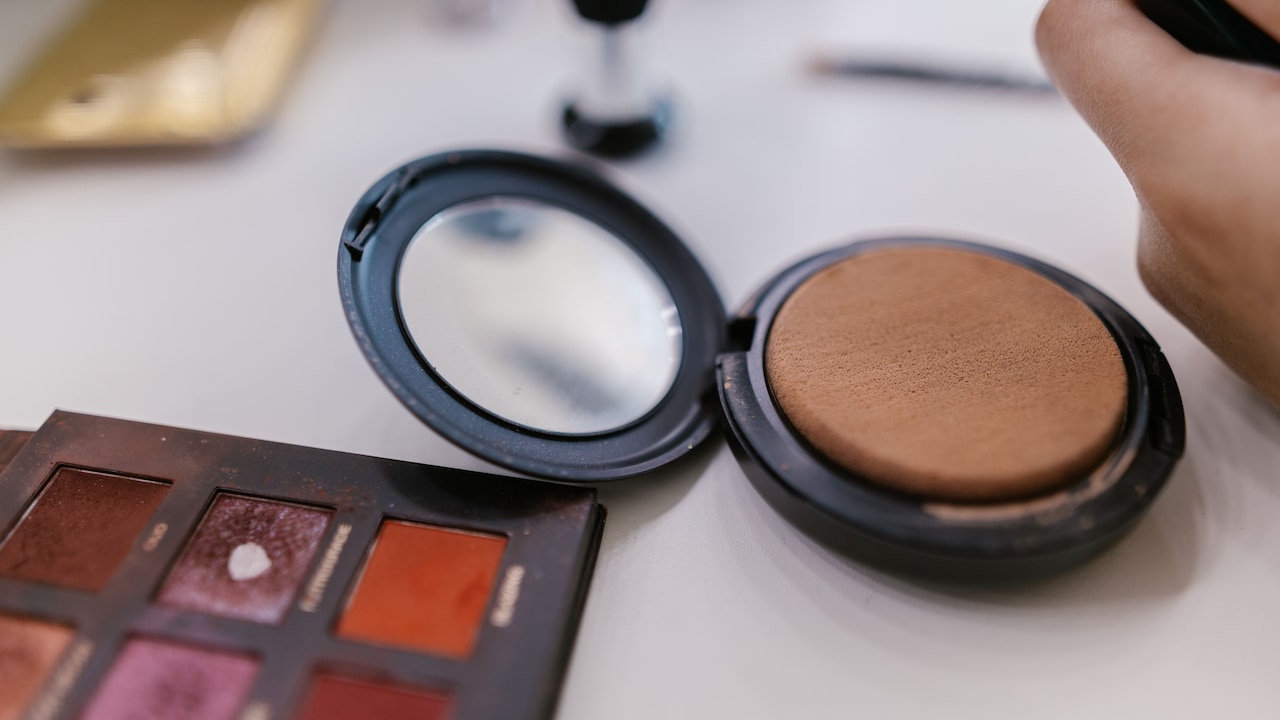
Compact Powder Looking Cakey By Midday? 10 Reasons And How To Prevent It
Photo Credit: Pexels
6. Natural Facial Movements Cause Powder To Gather In Creases
Skin doesn't remain completely still throughout the day. Smiling, talking, laughing, eating and raising eyebrows create constant movement, particularly around the eyes and mouth.
These expressions temporarily fold the skin, including areas where fine lines already exist.
When makeup sits over these moving surfaces, some product can gradually collect inside the creases. Compact powder may make this accumulation more visible because its pigments and particles create contrast against the surrounding skin.
This explains why makeup can look perfect immediately after application but reveal fine lines following several hours of conversation or activity.
The solution isn't to prevent facial expressions. A completely expressionless day would make even the most ordinary office meeting rather awkward.
Instead, apply less product to areas that move frequently.
The under-eye region often needs only a tiny amount of powder, especially when the concealer underneath already provides sufficient coverage.
Similarly, avoiding thick foundation layers around smile lines can reduce the amount of makeup available to settle.
Natural skin texture and movement cannot disappear entirely, but thoughtful makeup placement can keep creasing less noticeable.
7. Excess Oil And Sweat Disturb The Powder Throughout The Day
Compact powder often helps control shine, but its performance can change when the skin produces oil or perspiration.
As natural oils reach the surface, they mix with makeup ingredients and may alter how evenly the powder sits. Perspiration can also disturb the makeup layer, particularly around the upper lip, nose and forehead.
The situation becomes more challenging during crowded commutes, humid weather or afternoons spent outdoors.
A compact powder that looked evenly distributed at breakfast may start appearing patchy by lunchtime. Some areas become shiny while others develop concentrated powder deposits around fine lines.
Applying more powder directly over this mixture can lead to a cakey finish.
A better approach begins with removing excess surface moisture.
Use a clean blotting sheet or soft tissue to gently absorb oil or sweat without rubbing the makeup away. Allow damp skin to dry before applying a minimal amount of powder wherever necessary.
People with combination skin may also benefit from treating different facial areas separately.
The forehead and nose might need additional shine control, while the cheeks and under-eye region may require little or no extra powder.
8. Skipping Gentle Exfoliation Leaves Uneven Skin Texture
Dead skin cells naturally accumulate on the skin's surface before shedding. When this process becomes uneven, certain areas may feel rough, flaky or slightly textured.
Compact powder can cling to these patches, creating a finish that looks less smooth than expected.
Fine lines become more noticeable when powder collects alongside dry flakes or rough areas, particularly around the nose, chin and mouth.
The issue isn't necessarily caused by a lack of cleansing. Regular face washing removes everyday dirt and excess oil, but it doesn't always address persistent surface roughness.
Gentle exfoliation may help some people maintain smoother-looking skin. Products containing mild exfoliating ingredients, such as lactic acid or polyhydroxy acids, can be useful when chosen according to skin tolerance.
However, exfoliating too frequently can damage the skin barrier, increase dryness and make powder application even more difficult.
A cautious approach works better than aggressive scrubbing or using several exfoliating products together.
People with sensitive skin should introduce exfoliating products slowly and avoid applying them over irritated areas.
Consistent moisturising remains equally important because exfoliation alone won't correct dehydration.
Smoother skin preparation can improve makeup application, but healthy skin should always take priority over achieving a perfectly powdered finish.
9. Repeated Touch-Ups Create Multiple Layers Of Product
A compact powder tucked inside a handbag feels like a reliable companion during long days. It's convenient, portable and particularly useful before meetings, photographs or evening plans.
However, frequent touch-ups can unintentionally create the very problem they're supposed to solve.
Each application adds another layer of powder over existing makeup, natural oils and environmental residue. By the afternoon, these layers may become thick enough to highlight fine lines and facial texture.
The situation often starts innocently. A quick touch-up follows the morning commute, another happens after lunch, and a final application comes before heading out.
Without removing excess oil first, the powder can accumulate unevenly.
Rather than applying a fresh layer across the entire face, examine which areas genuinely need attention.
Blot shiny patches gently and apply a small amount of powder only where necessary.
If makeup has already gathered inside a crease, pressing more powder onto it may make the line look deeper. Instead, carefully smooth the area with a clean sponge before deciding whether additional product is necessary.
Sometimes, the best touch-up involves removing excess makeup rather than adding more.
10. Your Skincare And Makeup Products Don't Work Well Together
Even good-quality skincare and makeup products can create an uneven finish when their textures or application methods don't complement one another.
A rich moisturiser, slippery sunscreen, full-coverage foundation and heavily mattifying compact powder might each perform well individually. Layered together, however, they can leave too much product sitting on the skin.
As the day progresses, this combination may shift, separate or collect around fine lines.
The issue becomes particularly noticeable when skincare products haven't had enough time to settle before makeup application.
For example, applying powder over a sunscreen that remains unusually greasy can create patchiness. Similarly, combining several thick cream products may encourage makeup to gather around the nose and mouth.
Simplifying the routine can help identify the problem.
Choose a moisturiser suitable for your skin type, apply sunscreen in the recommended amount and allow the layers to settle comfortably before continuing with makeup.
Avoid reducing sunscreen coverage simply to improve the appearance of compact powder.
If the foundation already offers sufficient coverage, a lightweight setting powder may work better than adding another heavily pigmented compact.
Sometimes, fewer layers create a smoother, more comfortable finish that lasts throughout the day.
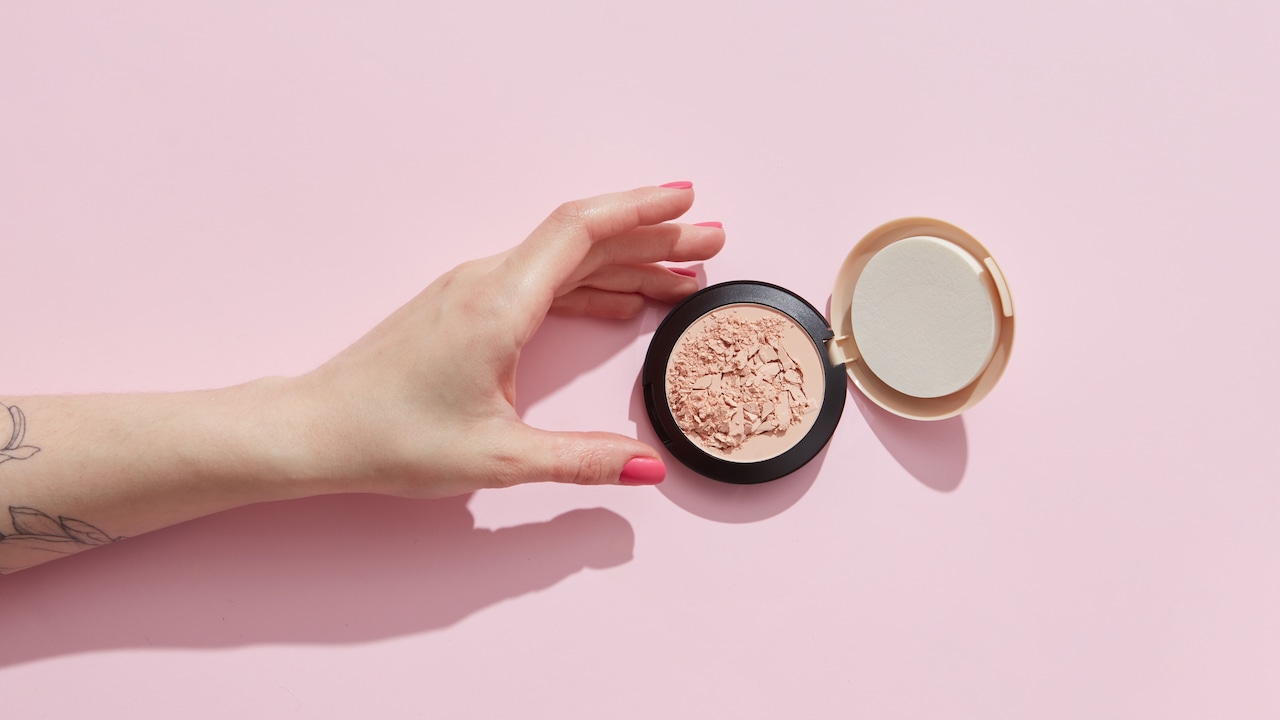
Compact Powder Looking Cakey By Midday? 10 Reasons And How To Prevent It
Photo Credit: Pexels
Products Related To This Article
1. Renee Pro HD 3-IN-1 Compact With Vitamin E-9g-Ivorie
2. FACES CANADA Weightless Stay Matte Compact SPF20 with Vitamin E & Shea Butter
3. Maybelline New York Fit Me Matte + Poreless SPF 32 Compact Powder 6g
4. Coloressence Perfect Tone Compact Powder, Beige, 10gm with FREE Applicator Puff
5. E.l.f. Cosmetics Halo Glow Setting Powder - Medium
6. Revlon Touch & Glow Moisturising Powder
7. Huda Girl Oil Instant Oil Control Gel Compact - 12 g
Compact powder settling into fine lines isn't always a sign that the product has failed. More often, it reflects a combination of skin hydration, makeup application, facial movement and everyday environmental conditions.
Small adjustments can make a noticeable difference. Preparing the skin properly, choosing a suitable formula, applying thinner layers and blotting before touch-ups can help prevent powder from gathering in creases.
Most importantly, makeup should enhance the complexion rather than demand constant attention. Fine lines and natural skin texture are perfectly normal. The aim isn't to erase every expression but to achieve a comfortable, balanced finish that still looks good long after the morning mirror check.
(Disclaimer: This article may include references to or features of products and services made available through affiliate marketing campaigns. NDTV Convergence Limited (“NDTV”) strives to maintain editorial independence while participating in such campaigns. NDTV does not assume responsibility for the performance or claims of any featured products or services.)