How To Keep Dry Skin Soft And Hydrated: A FullBody Moisturisation Guide
Tired of scratching dry skin that feels stretchy and tight? Not anymore. Here is a beginner's guide on how to moisturise dry skin on hands, legs, and your whole body.

Helpful tips to heal dry skin on arms, legs, and your entire body
For many of us, dry skin isn't just a part of winter. Instead, it stays throughout the year, resulting in patchy, rough, and flaky skin all over the body. From ashy elbows to itchy legs, dry skin manifests in various ways. And while using a body lotion can help, it may not give you the desired results. Instead, you need an effective routine that includes following the right practice in showering, moisturising, and aftercare. Not sure how to get started? Look no further. Here is a simple guide on how to moisturise dry skin on hands, legs, and entire body.

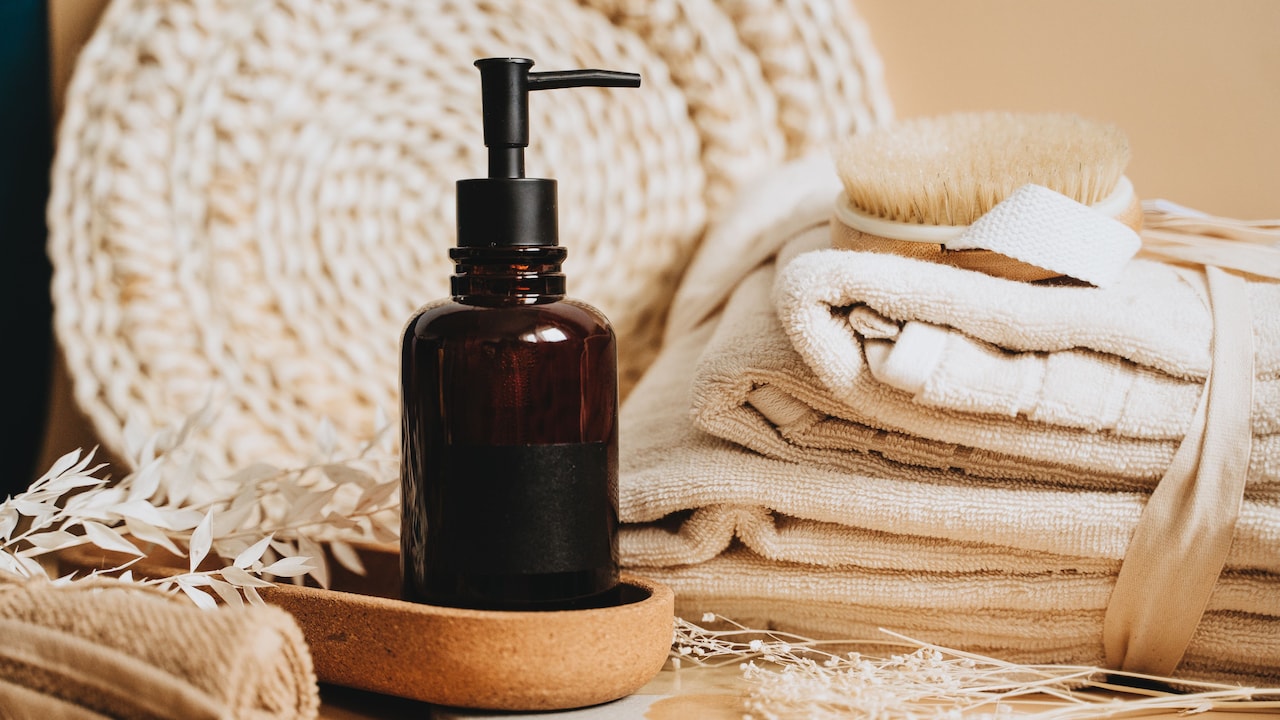
The basics of building a dry skin routine to relieve patchy appearance and flakiness; Photo Credit: Pexels
Caring for dry skin is more than just slathering random body lotions. It's about choosing the right formula, applying it on the right time, and being consistent. If you are unsure of how it all works and where to begin, here are some easy steps to get started.
Also Read: Must-Have Body Care Products for Dry Skin That Deliver Deep Hydration and All-Day Comfort
Moisturisation Guide: Dry Skin Body Routine
1. Ditch Harsh Soaps For Gentle Cleansers
Before splurging on expensive creams and moisturisers, it's important to get the basics right. And for dry skin, it all starts with replacing harsh soaps with gentle cleansers. This is because soaps carry strong fragrances and cleaners that strip the natural oils of your skin, making it feel dry, itchy, ashy, and stretchy.
On the other hand, gentle cleaners feel creamy and moisturising. They clean effectively without leaving your skin squeaky or tight. Moreover, they also protect the skin barrier and maintain the natural pH level. Look for ingredients like glycerin, shea butter, ceramides, and hyaluronic acid for a effective bathing routine.
2. Choose The Right Body Moisturiser
Nowadays, body moisturisers come in various types. From creamy lotions to thick butters, the variety is unending. However, not every moisturiser works the same way. For instance, thick creams perform well on extremely dry elbows and knees. On the other hand, lightweight lotions feel better for palms.
To choose the right moisturiser for dry skin, look for nourishing ingredients like ceramides, natural oils, lactic acid, urea, and glecerin. Avoid anyting that contains strong fragrances and alcohol.
3. Moisturise Right After Showering
Once done with your shower routine, the next step is to moisturise right after bathing. The simple step of applying moisturiser on slightly damp skin can lock in hydration and prevent dryness. Start by patting your skin dry and take generous amount of a thick moisturiser. Apply it evenly and wait until the product is fully absorbed in your skin.

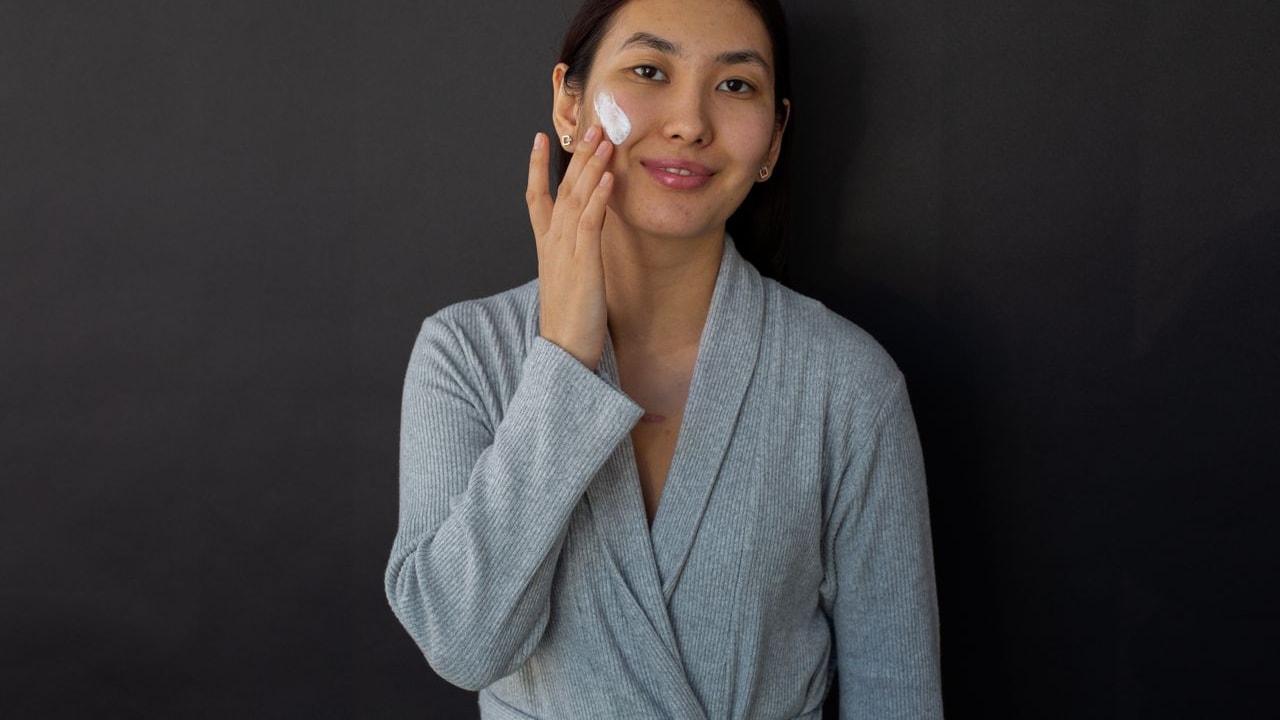
Always moisturise right after showeing to lock in hydration and get softer skin; Photo Credit: Pexels
4. Layer Your Products
For extremely dry skin, one product alone may not give you desired results. Thus, it's important to rely on different formulas to get the best moisturisation effect.
After applying a body lotion, top it up with a generous amount of any thicker cream or butter and massage it in. Give it a few minutes to get fully absorbed.
Next, add a few drops of body oil on your palms and rub to spread evenly. Apply this oil all over your body, especially on elbows and knees.
5. Moisturise Hands After Every Wash
When it comes to moisturising, hands are one of the most neglected areas. Frequent washing, doing dirty dishes, or using hard laundry cleaners can make your hands dry, rough, and painful. Thus, it is important to use a thick, emollient-rich cream immediately after washing.
At night, practices like hand slugging can provide intense treatment for quick repair. This includes apply a heavy moisturiser and wearing cotton gloves to seal all the goodness in your skin. Another tip is to use rubber gloves while doing everyday chores to prevent further skin damage.
6. Moisturise Dry Heels
Dry skin isn't just about the itchy feel and ashy look. Instead, it can also manifest as dry, cracked, and painful heels. Luckily, following the right routine can improve this situation quicker than usual.
To improve the appearance and feel of your dry heels, soak them in warm water for 10-15 minutes. Next, exfoliate using a pumice stone to remove loosened dead skin. While the skin is still soft and damp, apply a thick, urea-based cream and massage it in. Wear cotton socks before going to bed and let the cream do its magic.
Extra Tips To Heal Dry Skin On Arms, Legs, And Body
- Use mild body scrubs or exfoliating gloves once a week to remove dead skin cells
- Avoid taking long hot showers to protect the natural oils on your skin
- Apply moisturiser right after showering to lock everything in
- Layer your body moisturiser, oil, and butter to prevent dryness
- Follow a consistent body care routine for best results
- Drink plenty of water to stay hydrated from the inside as well
- Wear close-back footwear to prevent dry and cracked heels
If dry skin has been stressing you out all these years, it's time to care for it the right way. By understanding your skin's needs, you can build a helpful routine that works the way it is supposed to. From choosing the right cleanser and lotion to being mindful of your showering habits, simple steps can change the entire game.
Products Related To This Article
1. CeraVe Moisturizing Lotion
2. Plum BodyLovin' Vanillla Vibes Body Oil
3. Himalaya Rich Cocoa Butter Body Cream
4. BRILLARE Salicylic Acid Body Lotion
5. Dove Dryness Care Bodywash
6. BIODERMA Atoderm Gel Douche Ultra-Gentle Shower Gel
7. Chemist at Play Dry Cracked Heels Foot Cream
8. FIXDERMA Anti Ageing Hand Cream
9. soulvinee Kumkumadi Face Oil
10. MCaffeine Choco Body Butter
Frequently Asked Questions (FAQs)
1. What is the best way to moisturize dry skin?
The best way to moisturise dry skin is to start with a thick body lotion. Next, top it up with a thicker cream or body butter for extra goodness. Lastly, seal everything in with a body oil.
2. What is the 3 minute moisturiser rule?
The 3-minute moisturiser rule suggest applying a lotion, cream, or body butter within three minutes of showering. This helps damp skin absorb the products better and stay moisturised for hours.
3. Is it good to apply moisturiser every day?
Yes, it is a good habit to apply moisturiser every day. This simple step can make your bodycare routine more effective by preventing dryness and maintaining the right moisture barrier.
4. How do I fix dry skin on my body?
To fix dry skin on your body, start by replacing harsh soaps with gentle cleansers. Next, invest in good body lotions and oils to prevent dryness. Lasly, stay consistent with your routine to get best results.
5. How to choose a good moisturiser for dry skin?
To choose a good moisturiser for dry skin on body, look for labels like ceramides, hyaluronic acid, glycerin, and shea butter. Similarly, opt for prodocuts that are fragrance-free and non-comedogenic to avoid irritation.
(Disclaimer: This article may include references to or features of products and services made available through affiliate marketing campaigns. NDTV Convergence Limited (“NDTV”) strives to maintain editorial independence while participating in such campaigns. NDTV does not assume responsibility for the performance or claims of any featured products or services.)