How To Prevent Diaper Rash In Sticky And Humid Weather Naturally
Worried about your baby getting rashes around the diaper area? Here's how you can prevent diaper rash in humid weather with a few small changes at home.
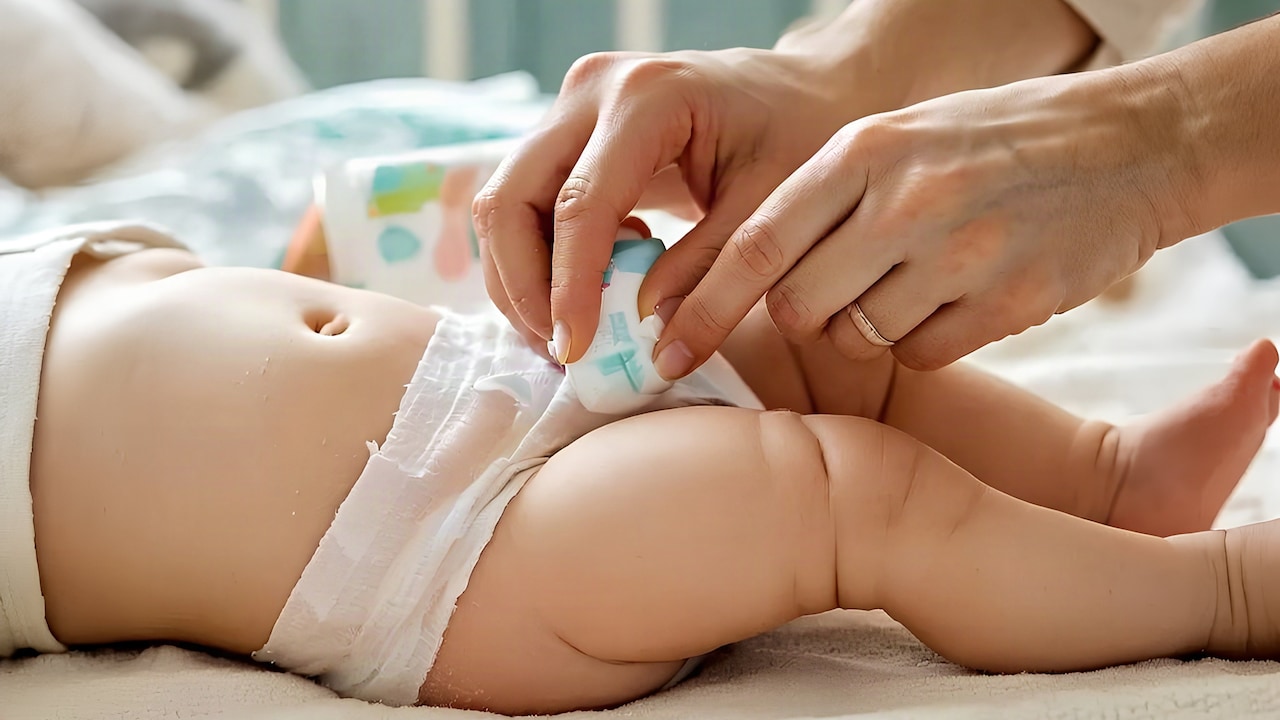
How To Prevent Diaper Rash In Sticky, Humid Weather Naturally
There's a reason mothers dislike the months between June and September almost as much as they look forward to the rain outside. The moment the humidity climbs, a baby's diaper area turns into the perfect little pocket for heat and moisture to sit around all day. You've probably noticed it already. Redness that wasn't there yesterday, a baby who's suddenly fussier during diaper changes, and baby skin that just feels warmer than usual to the touch. It's not always something you did wrong. Sticky weather does all of this on its own, and the good news is that most of it is preventable once you know what's actually going on. This guide is for every parent who's been Googling "Why is my baby's diaper rash not going away?" at 2 am during the monsoon. We'll get into the why and, more importantly, the what-to-do-about-it.
Best Diaper Rash Cream For Humid Weather; Photo Credit: iStock
Why Humid Weather Makes Diaper Rash Worse
Skin under a diaper is already trapped, warm, and a little damp most of the time. Add outside humidity to that mix, and you basically double the moisture the skin is dealing with. Sweat doesn't evaporate as easily when the air itself is thick with water, so it just stays put against your baby's skin.
This constant dampness softens the outer skin barrier, making it weaker and more likely to get irritated by urine, friction from the diaper, or even the fabric of the diaper itself. This explains why rashes tend to flare up more quickly in June than in December.
Signs Your Baby's Skin Is Already Reacting
Look out for patches that look pinker or redder than the surrounding skin, especially around the thighs and the lower tummy. Sometimes it's not full-blown redness yet, just skin that feels slightly rough or warm when you touch it during a diaper change. Babies also tend to squirm more, cry a bit during cleaning, or seem uncomfortable sitting for long stretches once irritation sets in. Catching it at this stage makes a real difference, because it's much easier to calm down early irritation than a rash that's already broken the skin.
Also Read: Top 7 Baby Care Buys Every New Parent Needs
Small Daily Habits That Actually Keep Rashes Away
1. Change Diapers More Often Than You Normally Would
In regular weather, every 3 to 4 hours works fine for most babies. During humid months, try to bring that down closer to every 2 to 3 hours, even if the diaper doesn't feel very full. It's the time spent sitting in dampness that causes trouble, not just the quantity.
2. Give The Skin A Few Minutes Of Air Before The Next Diaper
This one gets skipped a lot simply because it feels like extra effort. But letting your baby lie diaper-free for even 5 to 10 minutes, maybe on a waterproof mat under a fan, gives the skin a genuine chance to dry out completely before it goes back into a closed environment.
3. Pick A Breathable Diaper In The Right Size
A diaper that's too tight traps more heat against the skin, and one that's too loose leads to leakage and more frequent rubbing. Cloth diaper users should stick to lighter, cotton-based options during summer instead of the thicker padded ones. Whatever brand you use, breathability during humid months matters more than absorbency alone.
4. Apply A Thin Layer Of Barrier Cream Every Single Time
A rash cream isn't just for treating an existing rash; it works just as well as a preventive layer between the skin and the diaper. You don't need to apply a thick layer. A thin, even layer at every change is usually enough to keep moisture from sitting directly on the skin.
What You Do During Bath Time Matters Too
1. Stick To Lukewarm Water, Skip The Hot One
Hot water strips away natural oils from an already sensitive area, which leaves the skin more prone to irritation once it's back under a diaper. Lukewarm water cleans just as well without that side effect.
2. Pat The Skin Dry, Never Rub It
Rubbing with a towel, even a soft one, creates friction on skin that's already stressed by the heat. A gentle pat dry, especially in the folds around the thighs, does the job without adding any extra irritation.
3. Go Easy On Talcum Powder In The Folds
Powder can actually cake up when it mixes with sweat in humid weather, and that paste-like buildup ends up causing more friction than it prevents. If you do use powder, a light dusting well away from the diaper area works better than a heavy application right in the folds.
4. Dress Baby In Loose Cotton Between Changes
Tight onesies or synthetic fabric around the waist add to the trapped heat. Loose cotton clothing, especially during the day at home, lets air circulate a little more freely around the diaper region.
When A Rash Needs More Than Home Care
Most humid-weather rashes settle down within 2 to 3 days once you increase diaper changes and start using a barrier cream consistently. But if you notice blisters, pus, a rash that's spreading fast, or your baby running a fever alongside the redness, it's time to stop the home remedies and check in with a paediatrician. Rashes with a fungal component, especially, don't respond to regular creams and need a proper prescription.
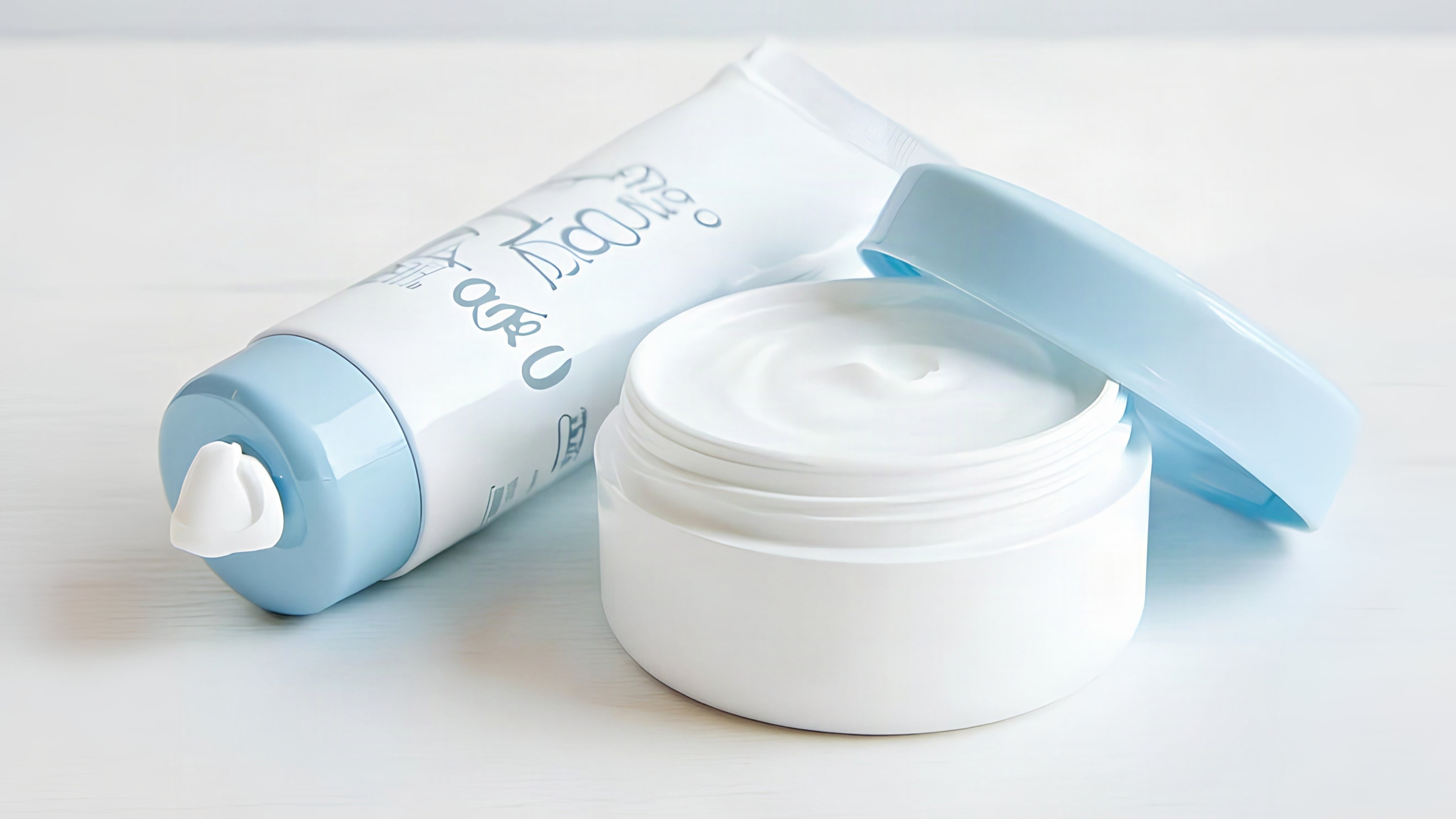
How To Prevent Diaper Rash In Sticky, Humid Weather Naturally; Photo Credit: iStock
Some Diaper Rash Creams You May Like
1. Himalaya Baby Diaper Rash Cream (100 g)
2. Mamaearth Milky Soft Diaper Rash Cream (50 g)
B097YTQYZ6
3. Mee Mee Soothing Diaper Rash Cream With Aloe Vera (100 g)
4. Sebamed Baby Rash Cream, pH 5.5 (100 ml)
5. Mother Sparsh Natural Care Diaper Rash Cream (50 g)
6. LuvLap Baby Diaper Rash Cream with Aloe Vera & Neem (75g)
7. Chicco Baby Moments Diaper Rash Cream (100 g)
8. Cetaphil Baby Diaper Rash Cream with Organic Calendula (70 g)
The products mentioned above are made to support your little one's skin so it stays healthy, comfortable, and covered well during every diaper change. The best part is that all these choices are available on Amazon right now, with pretty attractive discounts, so it feels like a good moment to stock up on a diaper rash cream you trust, without really stressing your budget. Shop now on Amazon.
Frequently Asked Questions (FAQs)
1. Is diaper rash more common in babies during monsoon or summer?
Both seasons can trigger it, but the monsoon tends to be worse because of the added humidity in the air, which slows down how quickly sweat and moisture evaporate from the skin.
2. Should I stop using diapers completely during humid weather?
Not necessary. Going diaper-free for short stretches through the day helps, but a good breathable diaper with regular changes works fine for most babies.
3. Can I use the same rash cream for prevention and treatment?
Yes, in most cases. A thin layer at every change works for prevention, while a slightly thicker layer is usually used once irritation has already started, though it helps to check the product label.
4. Why does my baby's rash get worse at night?
Longer stretches in a wet diaper overnight, combined with less airflow under blankets or swaddles, often make nighttime rashes flare up more than daytime ones.
5. Are cloth diapers better than disposable ones in humid weather?
Cloth diapers made of thin cotton can breathe better, but they need to be changed more frequently since they hold less moisture away from the skin compared to disposable ones.
(Disclaimer: This article may include references to or features of products and services made available through affiliate marketing campaigns. NDTV Convergence Limited (“NDTV”) strives to maintain editorial independence while participating in such campaigns. NDTV does not assume responsibility for the performance or claims of any featured products or services.)