How To Stop Foundation From Sliding Off In Monsoon Humidity
Struggling with melting makeup in the rain? Here is a guide on how to stop foundation from sliding off in monsoon humidity and keep your base fresh all day.
How To Stop Foundation From Sliding Off In Monsoon Humidity
How To Stop Foundation From Sliding Off In Monsoon Humidity
Monsoon season brings a certain kind of relief — cooler temperatures, the smell of wet earth, and a general sense of everything slowing down. But if you wear foundation, the humidity also brings a particular kind of frustration. The base you spent ten minutes blending perfectly starts to shift, separate, and slide off your face before you have even stepped outside properly. It is one of those beauty problems that feels minor until it happens to you every single day for four months straight.
How To Stop Foundation From Sliding Off
Photo Credit: iStock
The good news is that with a few adjustments to your routine, your foundation does not have to disappear the moment moisture hits. It comes down to what you apply before your base, the products you choose, and how you set everything in place. These are not complicated changes — they are small, deliberate ones that make a real difference when the air feels thick and heavy with humidity.
Why Foundation Slides Off During Monsoon Season
1. How Humidity Affects Your Skin's Surface
When the air is loaded with moisture, your skin absorbs some of that humidity and the surface becomes slightly slicker than usual. This creates a barrier that prevents foundation from bonding properly with your skin. Add in the natural oils your face produces — which typically increase in warm, humid conditions — and you have a surface that is actively working against your base staying put.
2. Common Makeup Mistakes That Make It Worse
Skipping primer, applying too many layers of product, or using a formula that is too rich for warm weather are the most common reasons foundation slides. Heavy, dewy formulas that look lovely in winter tend to turn greasy and patchy the second humidity rises. Using fingertips instead of a sponge can also leave excess oil behind, which loosens foundation from underneath over time.
How To Prep Your Skin Before Applying Foundation
Getting your skin ready is probably the single most important step in making foundation last through monsoon conditions. Skipping prep is almost guaranteed to result in patchiness and slippage by midday.
1. Cleanse and Tone Thoroughly
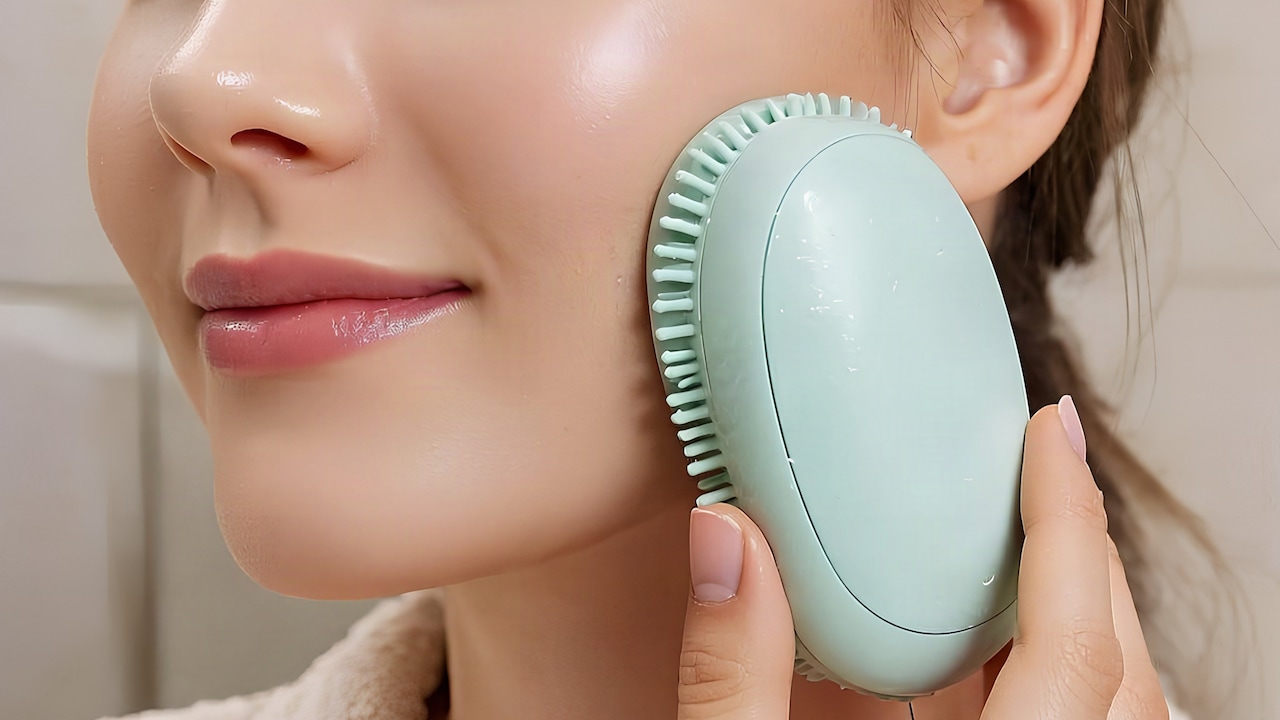
Start with a gentle foaming or gel cleanser to remove any excess oil and overnight residue. Follow up with an alcohol-free toner to tighten pores and balance your skin's surface. A well-toned base absorbs products more evenly, which means your foundation has a better chance of gripping the skin rather than sitting on top of it. Pat dry completely — applying any product onto damp skin is a recipe for it sliding straight off.
2. Use A Mattifying or Pore-Minimising Primer
Primer is non-negotiable during monsoon season. A silicone-based or mattifying primer creates a smooth, slightly grippy layer between your skin and your foundation. Look for ones that specifically mention oil control, pore minimising, or long-wear formulas on the packaging. Apply a thin, even layer across the entire face — including the nose and chin, which tend to get oiled — and let it sit for at least sixty seconds before touching your foundation.
Choosing The Right Foundation Formula For Humid Weather
1. Go For Matte or Satin Finishes
Dewy and luminous foundations are beautiful in dry climates, but they do not hold up in humidity. During monsoon months, swap to a matte or satin-finish formula. These are typically water-resistant, designed to control shine, and formulated to stay in place without shifting or oxidising over the course of a long day. Lightweight, buildable coverage options also tend to perform better than thick, full-coverage ones because there is simply less product to budge.
2. Water-Resistant Formulas Are Worth The Investment
Not all foundations marketed as long-wear are actually humidity-proof. Look specifically for water-resistant or waterproof labels when shopping for monsoon-ready base products. These formulas use different binding agents that resist moisture and sweat, which makes them far more reliable in wet, humid conditions. They may require a dedicated makeup remover at the end of the day, but that trade-off is absolutely worth it when your base is still intact eight hours later.
Setting Your Foundation So It Stays Put All Day
1. Bake With Translucent Setting Powder
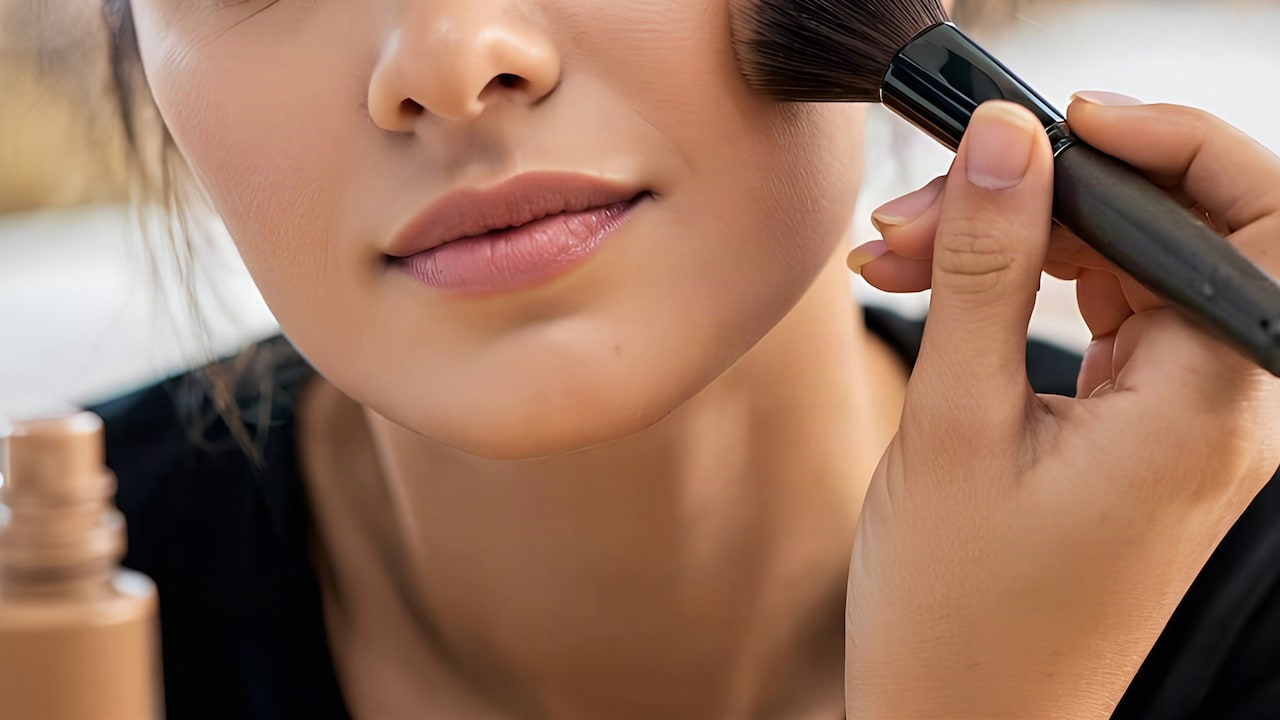
Once your foundation is applied and blended, use a damp beauty sponge to press a translucent setting powder onto the areas that tend to get oily — the T-zone, around the nose, and under the eyes. Leave it to sit for sixty to ninety seconds, then dust away the excess with a fluffy brush. This technique, known as baking, locks foundation into place far more effectively than a quick dusting of powder alone.
2. Finish With A Long-Wear Setting Spray
A good setting spray is the final step that ties everything together. Choose one with oil control or a mattifying finish rather than a hydrating mist, which will only add more moisture to an already humid situation. Hold the bottle about thirty centimetres from your face and mist in an X-and-T motion to distribute it evenly. Setting sprays form a flexible film over your makeup that helps everything move with your face rather than cracking or sliding off as the day goes on.
How To Stop Foundation From Sliding Off
Photo Credit: iStock
Some Products You May Like
1. Maybelline New York Fit Me Matte+Poreless Liquid Foundation
2. Be!Myn RealMatch Hydra Matte Liquid Foundation
3. MARS SPF50 PA++++ High Coverage Foundation
4. Lakme Xtraordin-airy Mattereal Mousse Foundation
5. FACES CANADA SPF30 All Day Hydra 3IN1 Mini Matte Foundation+Moisturizer
6. Mary Jo K Color Changing Color Control Intensive Moist Foundation
7. Daily Life Forever52 Ultra Definition Liquid Foundation
8. SWISS BEAUTY Shiny Pearl Water Drop Blemish Balm BB Foundation
Monsoon humidity can make even the best foundation melt, slide, or separate by midday, but the right skincare prep and makeup techniques can help it stay fresh for hours. By using a lightweight moisturiser, mattifying primer, long-wear foundation, and setting everything with powder and setting spray, you can create a humidity-resistant base that withstands sweat and excess oil. A few small changes in your makeup routine can make a big difference, ensuring your foundation looks smooth, flawless, and shine-free throughout the rainy season.
Frequently Asked Questions (FAQs)
1. Does sunscreen make foundation slide in humidity?
Certain sunscreens — particularly chemical ones — can create a slippery layer under foundation. If you notice sliding, try switching to a gel-based or mattifying SPF formula, or use a tinted SPF that doubles as your base.
2. Which foundation type lasts longest in monsoon weather?
Matte, water-resistant foundations with buildable coverage tend to perform best. Powder foundations can also work well for oily skin types during this season.
3. Is primer really necessary in summer and monsoon months?
Yes, especially during monsoon. Primer extends the wear of foundation considerably and helps it grip the skin instead of sitting loosely on the surface.
4. How often should I blot during the day?
Blot as needed using oil-absorbing sheets rather than powder — too many layers of powder can cause patchiness. Two to three times throughout the day is usually enough for most people.
5. Can I wear foundation in the rain at all?
Yes, with the right prep and waterproof products. A good primer, water-resistant foundation, and a setting spray make a combination that can handle light rain and high humidity without completely breaking down. Shop now on Myntra.
(Disclaimer: This article may include references to or features of products and services made available through affiliate marketing campaigns. NDTV Convergence Limited (“NDTV”) strives to maintain editorial independence while participating in such campaigns. NDTV does not assume responsibility for the performance or claims of any featured products or services.)