10 Reasons Retinol Causes Flaking Around The Mouth And Nose And How To Reduce Irritation
Retinol can trigger flaking around the mouth and nose when skin becomes dry, sensitive or overexposed. Learn the common causes of irritation and simple ways to use retinol more comfortably.
What are the causes of skin peeling from retinol and how to fix it
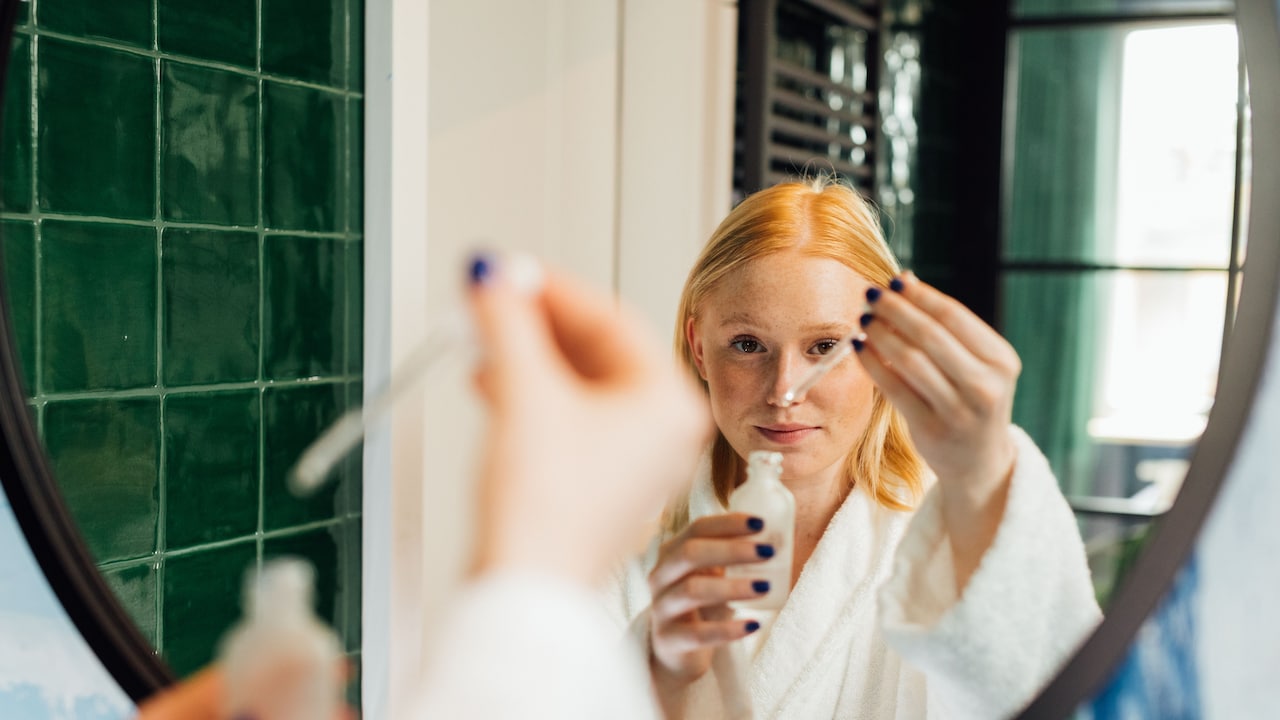
Retinol has earned its place on bathroom shelves for good reason. A vitamin A derivative, it can support smoother-looking skin, improve uneven tone and soften the appearance of fine lines over time. Yet anyone who has enthusiastically applied a new retinol serum before bed and woken up looking as though their nose has survived a minor sandstorm knows that the ingredient demands patience. Flaking often appears first around the corners of the mouth, beside the nostrils and along the folds of the nose. These areas are naturally sensitive, constantly moving and frequently exposed to saliva, tissues, food, sweat and cleansing. Add a powerful skincare active, and irritation can arrive surprisingly quickly.

Why does retinol cause peeling around the nose and mouth
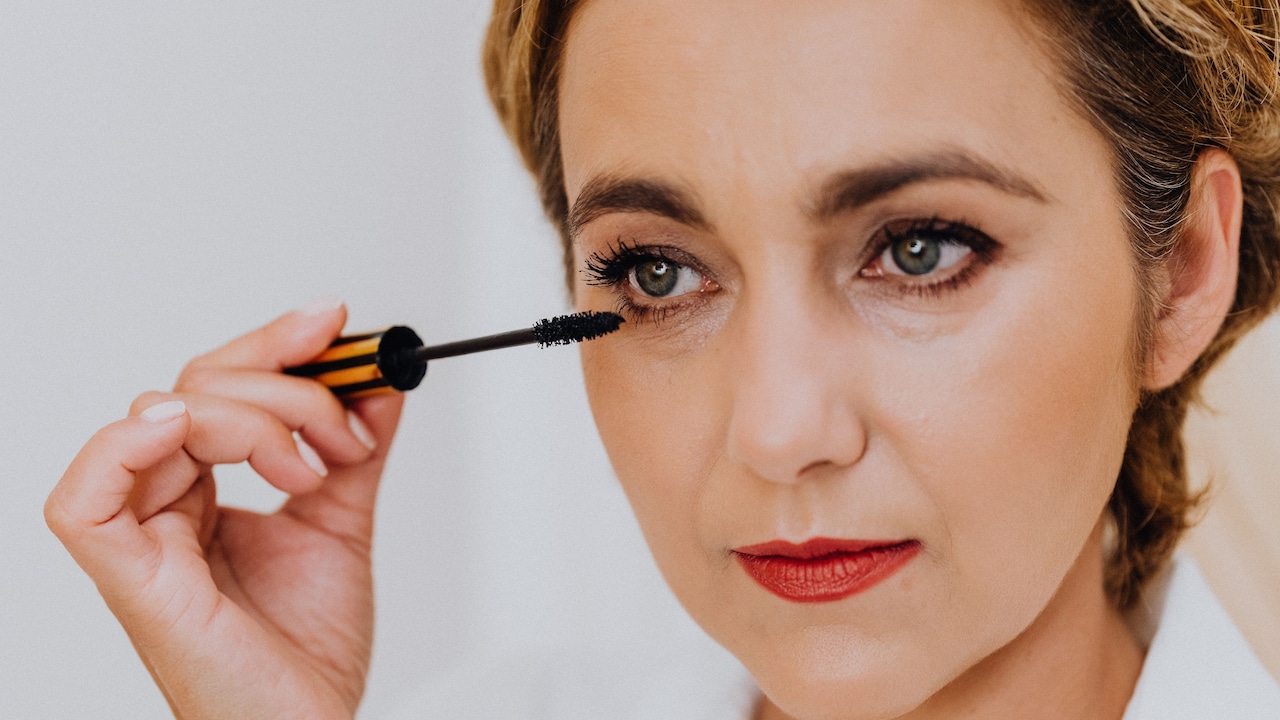
Photo Credit: Pexels
Retinol itself is not automatically a bad match for sensitive areas. More often, the problem lies in strength, frequency, application technique or the products surrounding it. Here are ten common reasons retinol causes flaking around the mouth and nose, along with practical ways to make the experience far more comfortable.
Also Read: Best Retinol Creams for Anti-Aging and Wrinkle Reduction Under Rs. 1100
Why Retinol Triggers Flaking Around The Mouth And Nose
1. Retinol Speeds Up Skin Cell Turnover
Retinol influences the way skin cells renew themselves. That is one reason people use it for texture, dullness and visible signs of ageing. During the adjustment period, however, faster turnover can make the outer layer of skin feel dry, tight or flaky.
The mouth and nose often show these changes first because the skin around them can be more reactive. Tiny flakes may appear beside the nostrils or below the lower lip, particularly after cleansing. Makeup can make the problem look even more obvious, turning a small patch of dryness into something resembling cracked paint by lunchtime.
The solution is not to scrub the flakes away. Aggressive exfoliation can worsen irritation and weaken the skin barrier further. Instead, reduce how often retinol is used. Someone applying it every night could switch to twice a week and increase slowly only when the skin feels comfortable.
A nourishing moisturiser also helps. Apply enough to remove that stretched, papery feeling. Retinol works through consistency over time, not through winning a nightly endurance contest.
2. The Mouth And Nose Have Naturally Vulnerable Skin
Not every part of the face behaves the same way. The skin around the lips and nostrils experiences constant movement from talking, eating, smiling and facial expressions. The folds beside the nose can also trap moisture, cleanser and skincare products.
That makes these areas particularly easy to irritate.
The corners of the mouth may already experience occasional dryness from saliva, toothpaste or spicy food. Meanwhile, repeated nose wiping during a cold or allergy season can leave the nostrils tender before retinol even enters the picture.
Applying retinol directly over these areas can therefore feel much stronger than applying the same amount to the forehead or cheeks.
One simple trick is to create a protective boundary. Before applying retinol, place a thin layer of plain moisturiser around the nostrils, corners of the mouth and edges of the lips. Then apply the retinol to the rest of the face.
This small buffer reduces accidental migration into delicate creases. Think of it as giving the sensitive zones their own tiny security guard.
3. The Retinol Strength May Be Too High
A stronger product does not always mean faster or better results. Retinol comes in different concentrations, and moving straight to a powerful formula can leave the skin struggling to adapt.
This is especially common when skincare shopping becomes a numbers game. A higher percentage can sound more impressive on the label, but skin rarely cares about bragging rights.
When the concentration is too intense, dryness may appear alongside burning, redness, itching or persistent peeling. The mouth and nose often complain first.
Beginners may find a lower-strength retinol easier to tolerate. Starting gently gives the skin time to adjust while still allowing regular use. Someone who already owns a strong product does not necessarily need to throw it away. Using it less frequently or applying moisturiser before retinol can reduce its intensity.
Pay attention to what the skin is doing rather than what the packaging promises. If flaking becomes increasingly uncomfortable, reduce usage and allow the skin barrier to recover.
Slow progress may feel less exciting, but comfortable consistency usually beats an aggressive routine followed by several weeks of damage control.
4. Retinol Is Being Applied Too Frequently
One of the easiest mistakes to make with retinol is assuming that daily use should begin immediately. Enthusiasm takes over, the bottle comes out every night, and three days later the area beside the nose starts peeling like sunburn.
Retinol usually requires an adjustment period. For many people, using it two nights a week at first works better than jumping into nightly application.
Spacing out applications gives the skin time to recover between doses. Once dryness, stinging and flaking settle, frequency can gradually increase.
A simple rhythm could involve applying retinol on Monday and Thursday nights for a few weeks. If the skin remains calm, another night can be added. There is no prize for reaching seven nights a week.
Flaking is useful feedback. It often signals that the current routine is moving faster than the skin can handle.
During irritated periods, pause other strong actives and focus on gentle cleansing and moisturising. When the skin feels normal again, restart retinol slowly rather than returning to the previous frequency.
Skin remembers pressure remarkably well. A little restraint can save a great deal of peeling.
5. Too Much Product Is Being Used
Retinol is one of those products where enthusiasm can become expensive in more ways than one. Applying a thick layer will not necessarily produce quicker results, but it can dramatically increase irritation.
For most of the face, a pea-sized amount is usually enough. That tiny portion can look almost comically insufficient in the palm, particularly when compared with generous moisturiser application. Yet retinol is designed to be spread thinly.
Using too much makes it easier for the product to collect around the nostrils, lip corners and smile lines. Those areas then receive a heavier dose and may start flaking sooner.
Dot the product lightly across the forehead, cheeks and chin before blending. Avoid placing a concentrated blob beside the mouth or nose.
After application, wash the hands and resist the temptation to add another layer simply because the face does not feel coated.
Skincare does not need to feel heavy to be effective. In fact, with retinol, subtlety often works better. One pea-sized portion can also make the bottle last longer, which is a welcome bonus when a tiny serum already costs several hundred or even a few thousand ₹.
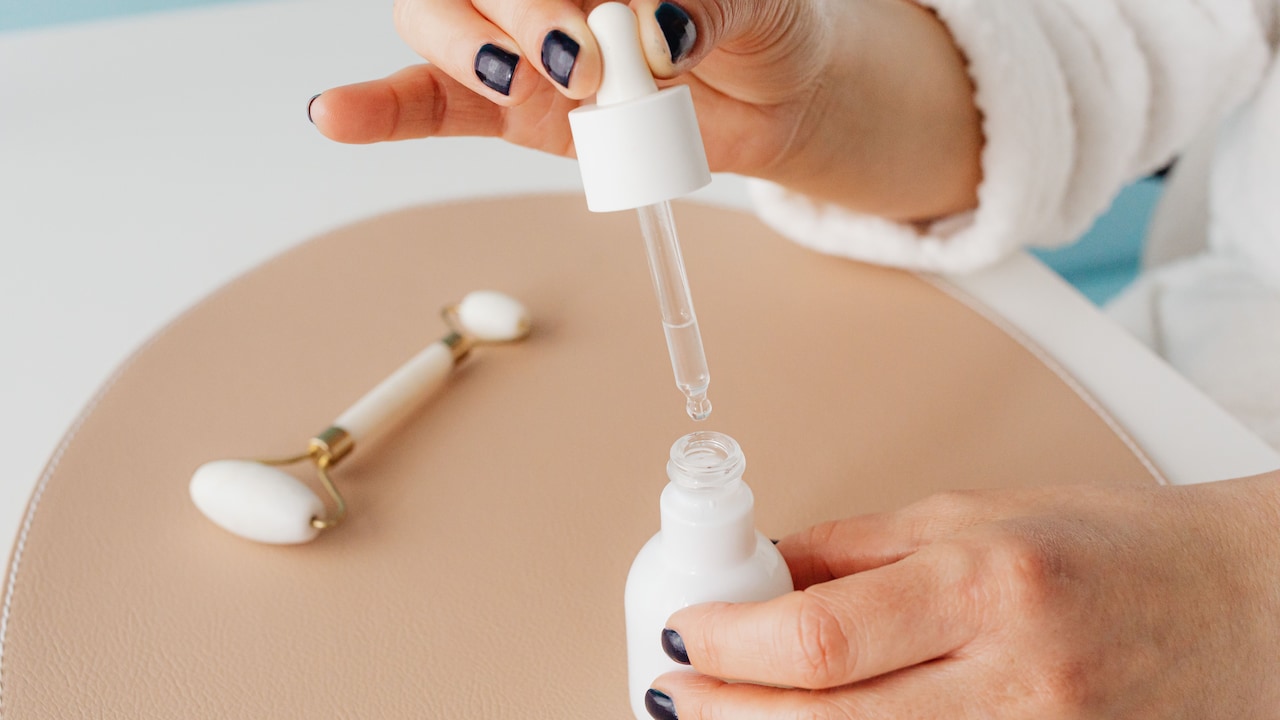
Using too much quantity can also cause the skin to peel
Photo Credit: Pexels
6. Retinol Is Being Applied To Damp Skin
Freshly washed skin feels like the obvious canvas for skincare, but applying retinol while the face is still damp can intensify irritation.
Water can increase the penetration of certain skincare ingredients. As a result, retinol may reach the skin more aggressively than expected. The effect can be especially noticeable around the nose and mouth, where water often remains trapped in small folds.
After cleansing, pat the face dry gently rather than rubbing it with a towel. Give the skin a little time to dry completely before applying retinol.
This becomes particularly important after a warm shower, when the skin may already feel more receptive and slightly flushed.
People with sensitive skin can go a step further and apply moisturiser before retinol. This technique, sometimes called buffering, reduces direct contact without removing retinol from the routine.
The goal is not to create the strongest possible application. It is to find the strength the skin can tolerate consistently.
Retinol should feel like a long-term routine, not an accidental chemical practical from school.
7. Other Active Ingredients Are Adding To The Irritation
Retinol rarely works alone in a skincare cabinet. There may also be vitamin C, exfoliating acids, acne treatments, scrubs, masks and perhaps one mysterious serum bought during a late-night sale.
The problem begins when too many active ingredients meet on the same evening.
Alpha hydroxy acids, beta hydroxy acids, benzoyl peroxide and strong exfoliating products can all increase dryness or irritation when combined carelessly with retinol. The delicate skin around the mouth and nose may then become flaky, sore or red.
Simplifying the routine can make an enormous difference.
On retinol nights, use a gentle cleanser, moisturiser and the retinol product itself. Leave stronger exfoliating treatments for different days unless a dermatologist has recommended another routine.
Even physical scrubs deserve caution. Scrubbing visible flakes may feel satisfying for approximately thirty seconds, but irritated skin can become angrier afterwards.
A crowded skincare routine is not automatically a better one. Sometimes the most sophisticated approach is knowing what to leave out.
When irritation appears, reducing the number of active products often reveals which ingredient or combination caused the trouble.
8. The Skin Barrier Is Already Compromised
Retinol has a much harder time behaving politely when the skin barrier is already irritated.
The barrier forms the outer protective layer that helps prevent excessive water loss and shields skin from environmental stressors. Harsh cleansers, over-exfoliation, dry weather, excessive sun exposure and frequent use of strong actives can weaken it.
Signs may include tightness, sensitivity, roughness and stinging when ordinary moisturiser is applied. Adding retinol at this stage can turn mild dryness around the nose or mouth into visible peeling.
Instead of pushing through, give the skin time to recover.
Choose a gentle cleanser and a moisturiser containing barrier-supporting ingredients such as ceramides, glycerine or squalane. Avoid scrubs and strong acids until the skin no longer feels raw or uncomfortable.
Once things settle, reintroduce retinol gradually.
This approach can feel frustrating when a carefully planned skincare routine gets interrupted. Yet continuing through significant irritation rarely makes the process faster.
Healthy skin tolerates active ingredients better. Repairing the foundation first can make retinol much easier to use later.
9. Retinol Is Migrating Into Skin Folds Overnight
Retinol does not always stay exactly where it is placed. Skincare products can spread slightly after application, especially when layered with moisturiser or pressed against a pillow.
That means retinol applied safely to the cheeks or chin may eventually migrate towards the corners of the mouth or folds beside the nose.
These creases can collect product, creating a stronger local concentration. By morning, the rest of the face may look perfectly normal while one stubborn patch beside the nostril starts peeling.
Careful placement can help.
Keep a small distance between retinol and naturally sensitive zones. Applying a thin layer of moisturiser or a bland occlusive product around the lip corners and nostrils can create a buffer.
It may also help to apply retinol earlier in the evening rather than seconds before falling into bed. Give each skincare layer time to settle.
Pillowcases deserve regular washing too, especially when multiple nighttime products are involved.
Sometimes persistent flaking is not about the overall routine at all. It is simply a case of one hardworking ingredient wandering into a neighbourhood where it was never invited.
10. The Rest Of The Routine Is Not Moisturising Enough
Retinol and moisturiser make better partners than retinol and stubbornness.
If the routine includes a foaming cleanser, retinol and little else, the skin may struggle to retain enough moisture. Air conditioning, hot showers, winter weather and long hours indoors can add to the dryness.
The mouth and nose usually reveal the problem quickly.
Choose a moisturiser that leaves the skin comfortable rather than tight. Apply it after retinol, or both before and after retinol if sensitivity is a recurring problem. This moisturiser-retinol-moisturiser approach is often called the sandwich method.
Morning care matters too. Gentle cleansing, moisturising and broad-spectrum sunscreen can help protect skin while it adjusts.
Do not forget hydration simply because the forehead feels oily. Combination skin can produce excess oil while still experiencing dehydration or irritation around the mouth.
If flaking becomes painful, cracked or persistent despite reducing retinol, professional advice is worthwhile. Retinol should improve a skincare routine over time, not make every smile feel uncomfortable.
Sometimes the missing ingredient is not another serum. It is simply enough moisturiser.
Products Related To This Article
1. RE' EQUIL 0.1% Retinol Night Cream
2. CeraVe Resurfacing Retinol Serum For Blemish-Prone Skin
3. SkinInspired Retinol Night Cream For Wrinkles & Anti-Aging
4. Neutrogena Visible Repair Retinol Serum
5. The Ordinary Retinol 0.5% in Squalane
6. Minimalist Anti-Aging Night Serum with 0.3% Retinol
7. Lacto Calamine 10% Retinol Complex Face Serum with Hyaluronic Acid & Gotu Kola
Flaking around the mouth and nose is one of the most common frustrations associated with starting retinol, but it does not always mean the ingredient needs to disappear from the routine forever. Often, the skin is asking for a gentler approach.
Lowering the frequency, using a smaller amount, applying retinol to completely dry skin and protecting delicate areas can make a noticeable difference. Moisturiser also deserves a starring role, particularly while the skin adapts.
Most importantly, avoid treating peeling as proof that retinol is working. Healthy progress does not require visible suffering. Mild adjustment can happen, but persistent burning, swelling, cracking or severe irritation deserves attention rather than another layer of product.
Retinol is best approached like learning a new recipe: begin carefully, adjust according to the results and resist adding every ingredient in the cupboard at once.
With patience and a simpler routine, the flaky patches around the nose and mouth can often settle down while retinol continues doing what it was bought to do in the first place.
(Disclaimer: This article may include references to or features of products and services made available through affiliate marketing campaigns. NDTV Convergence Limited (“NDTV”) strives to maintain editorial independence while participating in such campaigns. NDTV does not assume responsibility for the performance or claims of any featured products or services.)