In What Order Should You Apply Your Skincare Products
Learn the correct order to apply skincare products and see how proper layering helps each product absorb and work better for your skin every single day.
In What Order Should You Apply Your Skincare Products
There was a time when skincare meant little more than a facial wash and moisturiser. Now, shelves are filled with serums, face toners, essences, spot treatments, face oils, and sunscreens, all promising healthier skin. Social media routines with ten or more steps have only made things more confusing for beginners and even regular skincare users.

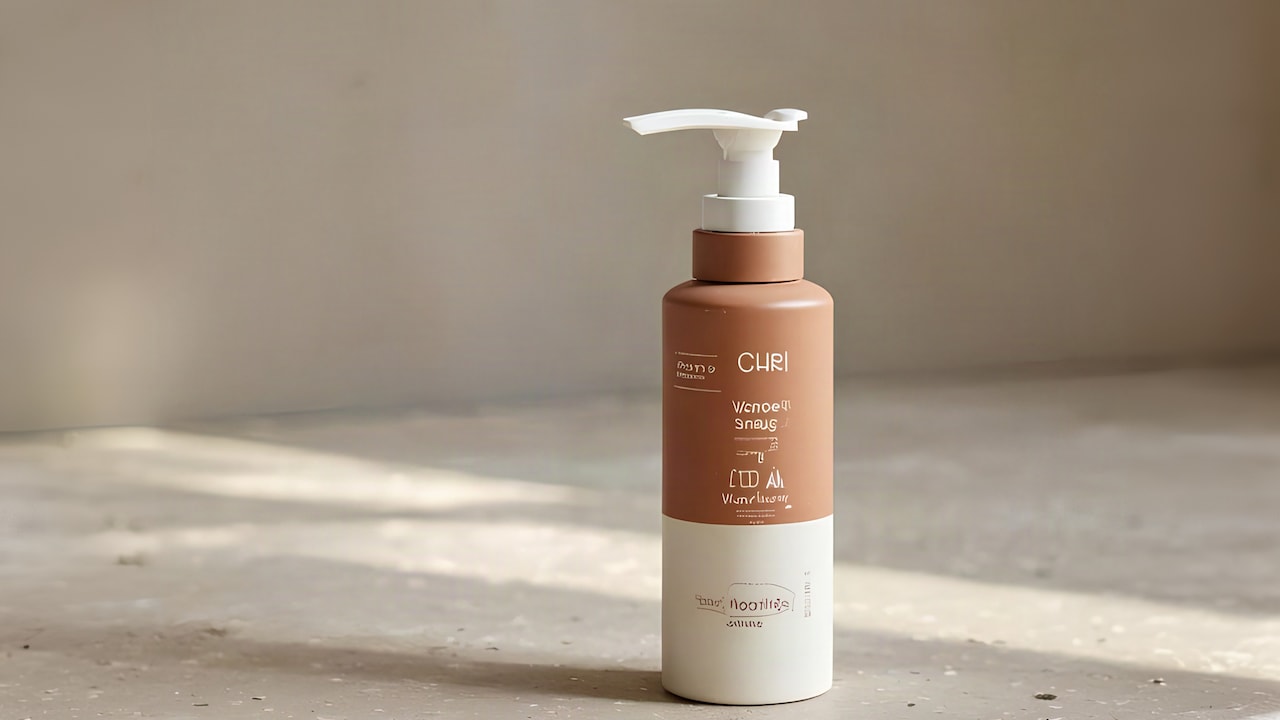
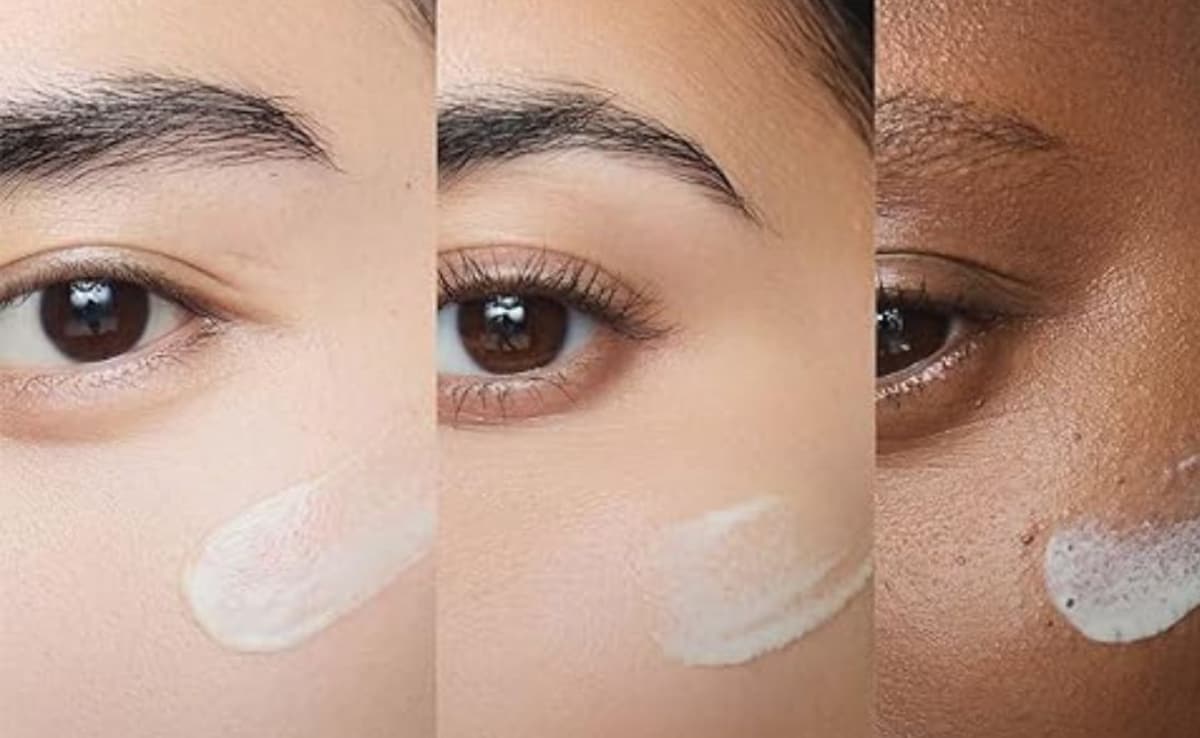
Learn the proper way to layer skincare products for better absorption and healthier skin daily; Photo Credit: Amazon
If you have ever stood in front of a mirror wondering whether face serum comes before moisturiser or if sunscreen is the last step, you are not alone. The order of skincare products matters because it affects how well each formula is absorbed into the skin. This guide breaks down the right skincare sequence simply and practically.
Also Read: Glow Smarter This Summer With India's Best Skincare Heroes
Why Does The Order Of Skincare Products Matter?
Skincare products have different textures and purposes, so applying them in the wrong order can prevent some ingredients from absorbing properly or losing their effectiveness. For example, if a heavy cream is applied before a lightweight serum, it can prevent the serum from effectively reaching the skin, resulting in reduced benefits.
The easy rule is to start with the lightest consistency and then move toward the heaviest. Water-based formulas usually should go first; then come the more gradual, thicker lotions; and finally the rich creams or oils, so they can seal everything in.
Step 1: Start With A Cleanser
Cleansing is the foundation of every skincare routine. It takes away dirt, sweat, makeup, extra oil, and the pollution stuff that tends to pile up on the skin during the day or night.
In the morning, a gentle cleanser does a kind of refresh thing for your skin before you put on the next products. At night, cleansing gets even more important because it clears off makeup, sunscreen, and impurities. If you wear bold makeup or waterproof sunscreen, doing double cleansing, with an oil-based cleanser and then a water-based face wash, can help clean your face a bit more completely.
Step 2: Apply Toner Or Essence
Toners have evolved beyond the drying formulas many people remember. Modern toners and essences are designed to hydrate, soothe, and prepare the skin for the next products.
This step helps replenish moisture after cleansing and allows serums to absorb better. Pat the product gently into the skin instead of rubbing it harshly. If your skin feels tight after washing, a hydrating toner can make a noticeable difference.
Step 3: Use Serums And Treatments
Serums contain concentrated active ingredients targeted at specific concerns like acne, dullness, pigmentation, dehydration, or fine lines. Since these products are lightweight, they should be applied before heavier creams.
Vitamin C serums are commonly used in the morning for antioxidant protection and brightness, while ingredients like retinol are usually reserved for nighttime routines. If you use multiple serums, apply the thinnest one first and wait a few seconds before layering the next. Spot treatments for acne can also be used during this step. Apply them directly to affected areas instead of all over the face.
Step 4: Lock In Hydration With Moisturiser
Moisturiser helps seal hydration into the skin and supports the skin barrier. Even oily skin types benefit from moisturiser because skipping it may lead to increased oil production.
Pick a moisturiser that matches your skin type; for example, gel-based formulas usually feel more lightweight, which suits oily skin pretty well. If your skin is dry, then cream-based products often work more smoothly; they tend to be more nourishing. Also, try putting the moisturiser on after your serums; that way, you help prevent moisture from escaping and the whole complexion stays more balanced, calm, and even.
Step 5: Finish With Sunscreen During The Day
Sunscreen is like the last, most crucial step in any daytime skincare routine. It helps shield your skin from UV harm, premature ageing, tanning, and those stubborn pigmentations.
Put sunscreen on after moisturisers and before makeup. Most dermatologists usually suggest SPF 30 or above for everyday use. Even if you're inside most of the time, sunscreen can still make a difference, because sun exposure sneaks in through windows and also from screens.

See how the right skincare application order helps your products work better every single day; Photo Credit: Amazon
Should Face Oils Come Before Or After Moisturiser?
Face oils are usually applied after moisturiser because they create a protective layer that seals moisture in the skin. Applying oil before lighter products may prevent them from absorbing properly.
However, if you use very lightweight facial oils, you can also mix a few drops with your moisturiser. This works especially well for dry skin during colder months.
Morning Vs Night Skincare Routine
Your skincare order generally stays the same, but the products themselves may change depending on the time of day.
Morning skincare is mostly about protection and hydration. This is when ingredients like vitamin C and sunscreen are super useful, and yes, it matters. Later, nighttime skincare turns into more of a repair mode, so it becomes a better window for exfoliants, retinol, and those richer moisturisers that feel more coated.
Also, you do not really need a 10-step routine to get healthy skin. Often a straightforward routine, with the right order, works better than stacking too many things all at once, like trying to do everything rapidly.
Common Skincare Layering Mistakes To Avoid
Using excellent skincare products is important, but sometimes over-layering them or just applying everything in a way that isn't right can make the skin feel irritated instead of doing good. One frequent mishap is grabbing too many active things at once, and especially mixing acids, retinol, and exfoliating products together, because such actions can end up weakening the skin barrier.
Another thing people forget is to put product on way too fast, like not letting it settle at all. You don't need to wait several minutes between each step, but allowing each layer a few seconds to absorb may help prevent pilling. Don't skip sunscreen during the day, especially if you use ingredients that make your skin more sensitive to sunlight.
1. Avoid Using Too Many Active Ingredients Together
Layering products with strong ingredients like retinol, salicylic acid, glycolic acid, and vitamin C all at once may irritate the skin. Instead of overloading your routine, focus on a few products that target your main skin concerns.
2. Do Not Apply Thick Products Before Lightweight Ones
Putting heavy creams or oils before your serums can sort of stop the lighter stuff from sinking in the right way. If you obey the lightest-to-heaviest rule, then each product has a better chance of doing its job more effectively.
3. Never Skip Sunscreen In Your Morning Routine
Honestly, even the best skincare routine may not be effective enough without sunscreen. Daily SPF helps shield the skin from UV damage, pigmentation, and premature ageing, especially if you're also using exfoliating or brightening ingredients.
Some Skincare Products You May Like
1. Cetaphil Gentle Skin Cleanser
2. COSRX Advanced Snail 96 Mucin
3. Minimalist 10% Vitamin C Face Serum
4. CeraVe Moisturising Cream
5. Neutrogena Hydro Boost Water Gel
6. La Roche-Posay Anthelios Sunscreen
7. Beauty of Joseon Relief Sun Aqua-fresh Rice + B5, SPF 50+ PA++++
The right skincare products help your skin stay soft, bright, and well-protected every day. Pick gentle toners, serums, moisturisers, and SPF that match your skin type and daily needs. Use them step by step, stay regular, and let your skin get the care it needs. Find your perfect skincare picks for clear, calm skin today. Shop now on Amazon.
Frequently Asked Questions (FAQs)
1. What is the correct skincare order for beginners?
A simple skincare routine includes cleansing, toner, serum, moisturiser, and sunscreen throughout the day. At night, sunscreen is skipped.
2. Can I skip toner in my skincare routine?
Yes, toner is optional. However, hydrating toners can help prep the skin and add extra moisture.
3. Should sunscreen be applied before or after moisturiser?
Sunscreen should always be the final step in your daily skincare routine after moisturiser
4. How long should I wait between skincare steps?
You typically only have to wait about 30 seconds to one minute between the layers, especially if it's for serums or treatments.
5. Can I use vitamin C and retinol together?
Many people prefer using vitamin C in the morning and retinol at night to avoid irritation and keep the routine balanced.
(Disclaimer: This article may include references to or features of products and services made available through affiliate marketing campaigns. NDTV Convergence Limited (“NDTV”) strives to maintain editorial independence while participating in such campaigns. NDTV does not assume responsibility for the performance or claims of any featured products or services.)