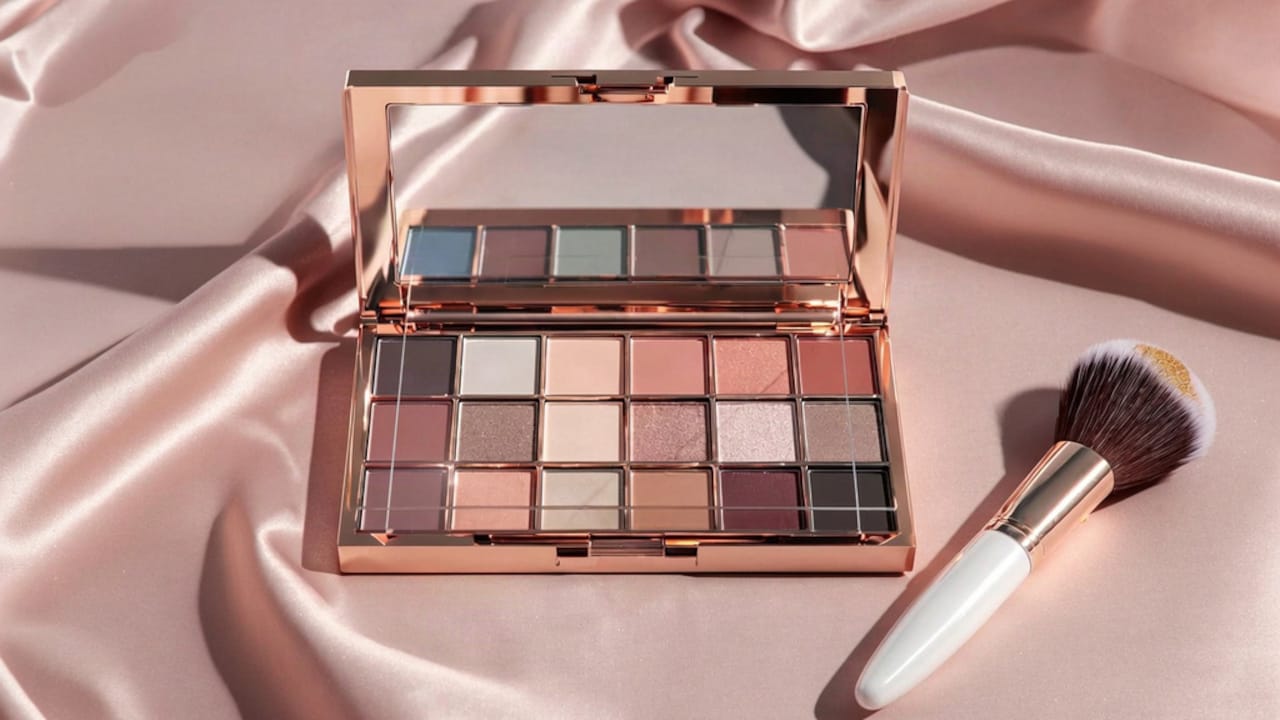
Oily Skin, But Makeup Melts Anyway? How Do Oil-Control Setting Sprays Work?
Oily skin ruining your makeup? Oil-control setting sprays promise longer wear and less shine. But do they really work or just delay the meltdown? This is what actually happens on your skin.
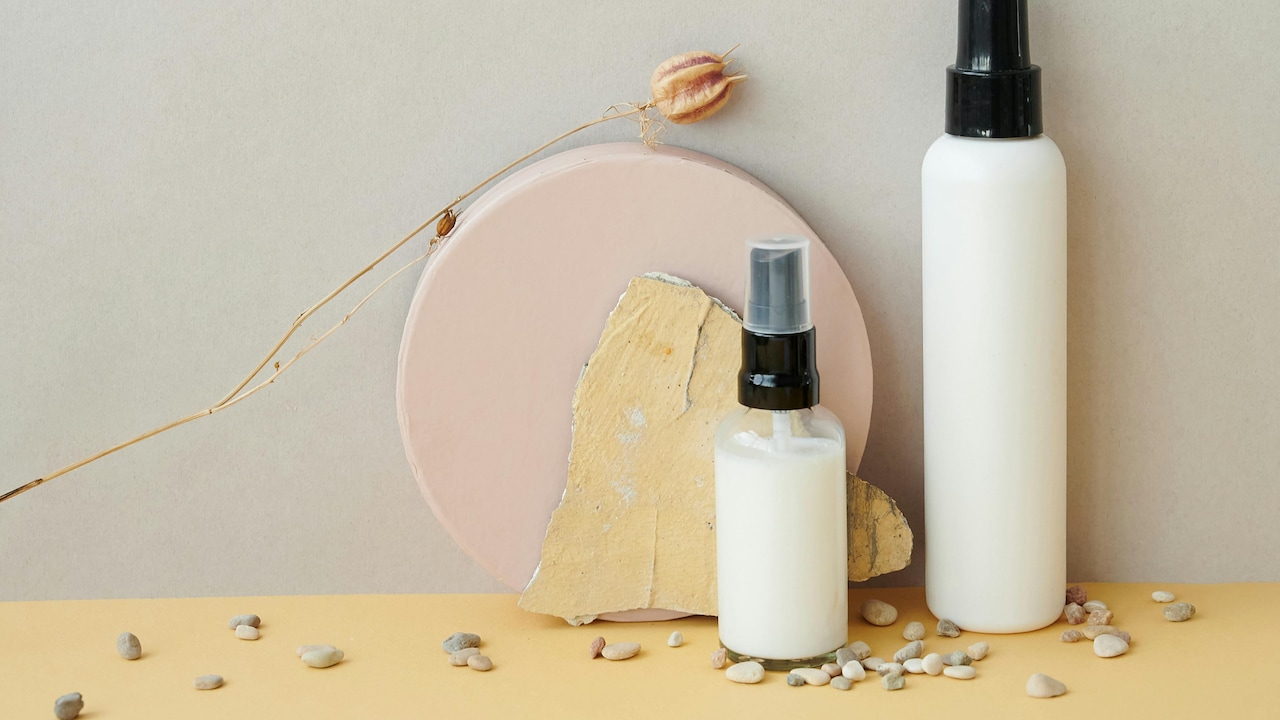
Do Oil-Control Setting Sprays Really Work For Oily Skin? Here's The Truth
Anyone who has stepped out during peak summer with a freshly done face knows the frustration. Makeup looks flawless at home, but within hours, foundation begins to slip, eyeliner fades, and that carefully applied base turns patchy. Blame it on excess sebum, humidity, crowded trains, or simply the heat radiating off concrete streets.
Oily skin produces more sebum than necessary, and while that natural oil keeps skin supple, it also disrupts makeup. This is where oil-control setting sprays enter the conversation. Marketed as the final step that “locks” makeup, these sprays have gained popularity across beauty counters and online carts alike. But beyond the glossy claims, there is genuine science at play.
Understanding how these sprays function can help decide whether they are a quick fix or a long-term solution. More importantly, it helps separate hype from actual benefit, saving both money and effort in the process.

Do Oil-Control Setting Sprays Really Work For Oily Skin? Here's The Truth; Photo Credit: Pexels
Why Oil-Control Setting Sprays Matter More Than You Think
What Causes Makeup To Melt On Oily Skin?
Makeup melting is not just about poor products or rushed application. The real culprit lies beneath the surface, sebaceous glands working overtime. These glands produce sebum, a natural oil that maintains hydration. However, when production goes into overdrive, it begins to interfere with makeup layers.
Imagine applying foundation over a surface that slowly releases oil throughout the day. That oil mixes with pigments, loosens their grip, and causes them to slide. Add humidity into the mix, and the situation escalates. Sweat breaks down formulas further, leaving behind streaks and uneven patches.
Daily life adds its own complications. Long commutes, crowded offices, and outdoor errands expose skin to pollution and fluctuating temperatures. Even something as simple as touching the face transfers oils and disrupts makeup.
This is why oily skin often struggles to hold makeup intact for long hours. It is not just about surface shine but a continuous cycle of oil production that actively pushes makeup away.
The Role Of Setting Sprays In Makeup Routines
Setting sprays often feel like the finishing touch, a quick mist before heading out. Yet their purpose goes beyond aesthetics. These sprays act as a bridge between skincare and makeup, creating a cohesive layer that binds everything together.
Unlike powders, which sit on top of the skin and absorb oil, sprays work at a more integrated level. They form a lightweight film that holds makeup particles in place. This film reduces movement caused by facial expressions, sweat, and environmental exposure.
For oily skin, the appeal lies in their promise of longevity. A good setting spray not only locks makeup but also helps control shine without making the face look flat or cakey. This becomes particularly useful during long days, whether attending events or navigating hectic work schedules.
The convenience factor adds to their charm. A few spritzes take seconds but can extend makeup wear by hours. It feels almost like insurance for the effort invested in getting ready.
Also Read: Best Makeup Locking Setting Sprays Under ₹800
How Oil-Control Setting Sprays Actually Work
Oil-control setting sprays rely on a blend of ingredients that form a breathable yet effective barrier on the skin. Once sprayed, these ingredients create a thin film that holds makeup in place while managing oil production.
One key mechanism involves polymers. These are flexible compounds that bind makeup particles together, preventing them from shifting. Think of it as a delicate net that keeps everything secure without feeling heavy.
Another important aspect is oil absorption. Many sprays include ingredients that absorb excess sebum as it appears, reducing shine throughout the day. This keeps the surface looking matte without stripping the skin of moisture.
Some formulas also contain alcohol or similar agents that evaporate quickly. This creates a temporary tightening effect, helping makeup adhere better. However, balanced formulations ensure that the skin does not feel dry or irritated.
In essence, these sprays do not stop oil production entirely. Instead, they manage its impact, allowing makeup to stay intact despite the skin's natural processes.
Key Ingredients That Make A Difference
The effectiveness of any oil-control setting spray lies in its formulation. Certain ingredients play a crucial role in delivering results that last beyond a few hours.
Silica often appears in these sprays for its oil-absorbing properties. It helps reduce shine without leaving a chalky residue, making it a favourite in mattifying products. Similarly, clay-based components can absorb excess oil while maintaining a smooth finish.
Film-forming agents, such as acrylates, create the invisible layer that holds makeup together. These ingredients ensure that the foundation and concealer do not separate when exposed to oil and sweat.
Botanical extracts sometimes add a soothing touch. Ingredients like green tea or aloe vera help calm the skin, balancing the effects of stronger oil-control agents.
Water-based formulations also matter. They prevent heaviness and ensure the spray feels refreshing rather than sticky.
Choosing the right combination of these ingredients can make the difference between a spray that simply feels good and one that truly performs under challenging conditions.

Do Oil-Control Setting Sprays Really Work For Oily Skin? Here's The Truth; Photo Credit: Pexels
Difference Between Setting Spray And Fixing Spray
The terms “setting spray” and “fixing spray” often get used interchangeably, but they serve slightly different purposes. Understanding this distinction can prevent disappointment after a purchase.
Setting sprays focus on blending layers of makeup and enhancing longevity. They help powders melt into the skin, creating a more natural finish. The effect feels subtle but noticeable, especially in reducing that overly powdered look.
Fixing sprays, on the other hand, aim for durability. They contain stronger film-forming agents designed to hold makeup in place for extended periods. These sprays are often preferred for events, long shoots, or occasions where touch-ups are not convenient.
For oily skin, oil-control variants of both types exist. However, fixing sprays tend to offer more resistance against sweat and sebum. The trade-off can be a slightly tighter feel on the skin.
Choosing between the two depends on the day's demands. A regular workday might call for a setting spray, while a wedding or outdoor event might benefit from a fixing spray with oil-control properties.
Do They Really Control Oil Or Just Delay It?
A common question arises: do these sprays genuinely control oil, or do they simply postpone the inevitable shine? The answer sits somewhere in between.
Oil-control setting sprays do not alter how much oil the skin produces. That process remains regulated by internal factors like hormones and genetics. However, they significantly influence how that oil interacts with makeup.
By absorbing excess sebum and reinforcing makeup layers, these sprays slow down the visible effects of oiliness. Shine appears later, and when it does, it looks less disruptive. Makeup remains intact for longer periods, reducing the need for frequent touch-ups.
In practical terms, this means fewer mirror checks during a long day and less reliance on blotting papers. While the skin continues its natural function, the outward appearance stays controlled and polished.
So, while they may not be a permanent solution to oily skin, they offer a reliable way to manage its impact in daily life.

Do Oil-Control Setting Sprays Really Work For Oily Skin? Here's The Truth; Photo Credit: Pexels
Common Mistakes While Using Setting Sprays
Even the best setting spray can fall short if used incorrectly. Small missteps often lead to disappointing results, making it seem like the product does not work.
One common mistake involves spraying too close to the face. This results in uneven distribution and can leave droplets that disturb makeup. Holding the bottle at a reasonable distance ensures a fine, even mist.
Another issue lies in overuse. More product does not always mean better hold. Excess spray can make the skin feel sticky and may even break down makeup instead of setting it.
Timing also matters. Spraying before makeup has settled can disrupt layers, while waiting too long may reduce effectiveness. Applying it right after finishing makeup allows the spray to bind everything together properly.
Skipping skincare preparation is another oversight. Without a well-prepped base, even the best spray struggles to perform. Clean, moisturised skin provides the ideal foundation for long-lasting results.
How To Choose The Right Spray For Your Skin
Selecting the right oil-control setting spray can feel overwhelming with so many options available. However, a few considerations can simplify the process.
Skin sensitivity plays a key role. Those prone to irritation should look for alcohol-free formulas that still offer oil control without causing dryness. Ingredients like soothing extracts can add an extra layer of comfort.
Climate also influences choice. In humid environments, stronger oil-control formulations work better. Lightweight sprays may feel refreshing but might not hold up under intense heat and sweat.
Budget matters too. Effective options exist across price ranges, from ₹500 to ₹2,500 and beyond. Expensive does not always mean better; the formulation and compatibility with skin type matter more.
Trial and observation often lead to the best results. Testing a spray during a regular day provides insight into how it performs under real conditions, rather than relying solely on claims.
Can Setting Sprays Replace Other Oil-Control Products?
Setting sprays offer convenience, but they do not entirely replace other oil-control methods. Instead, they work best as part of a broader routine.
Primers, for instance, create a smooth base and reduce oil breakthrough from the start. Oil-free foundations contribute to longevity, while powders help absorb excess shine during the day.
A setting spray acts as the final seal, enhancing the performance of everything applied beforehand. Skipping earlier steps and relying solely on a spray may lead to underwhelming results.
That said, for quick outings or minimal makeup days, a good oil-control spray can handle the job surprisingly well. It offers a balance between effort and effectiveness, making it a versatile addition to any routine.
Ultimately, combining products strategically yields the best outcome, ensuring that makeup stays fresh even during demanding conditions.
Products Related To This Article
1. FACES CANADA Ultime Pro Matte Makeup Fixer
2. Perenne Prep & Set Matte Long Lasting Makeup Setting Spray With Niacinamide
3. COSLUXE UCANBE All Day Makeup Setting Fixer Spray
4. TYPE BEAUTY INC Set Me Up Mattifying SPF35 Setting Spray with Niacinamide
5. MILANI Make It Last Matte Finish Charcoal Make-Up Setting Spray
Oily skin does not have to mean constant touch-ups or disappearing makeup. Oil-control setting sprays provide a practical solution that fits seamlessly into modern routines. By forming a protective layer, absorbing excess oil, and enhancing makeup longevity, they address one of the most common beauty frustrations.
While they do not stop oil production, they manage its effects effectively, allowing makeup to remain intact for longer periods. Understanding how they work, choosing the right formulation, and using them correctly can make a noticeable difference.
In a world where long days and unpredictable weather are part of everyday life, having a reliable product that keeps makeup in place feels less like a luxury and more like a necessity.
(Disclaimer: This article may include references to or features of products and services made available through affiliate marketing campaigns. NDTV Convergence Limited (“NDTV”) strives to maintain editorial independence while participating in such campaigns. NDTV does not assume responsibility for the performance or claims of any featured products or services.)