Physical Scrub Vs Chemical Exfoliant: Which One Should Beginners Choose?
Confused between face scrubs and chemical exfoliants? This beginner-friendly guide explains which option is gentler, safer, and better suited for smoother, healthier-looking skin.

Physical Scrub Vs Chemical Exfoliant: Which One Should Beginners Choose?
Walk into any beauty aisle, local chemist, or online sale festival, and exfoliation will appear everywhere. Walnut scrubs, coffee scrubs, peel pads, toners with acids, glow serums, fruit enzyme masks; each one promises baby-soft skin by Sunday. For a beginner, that choice can feel less like skincare and more like board exam revision. Exfoliation simply means removing dead skin cells from the surface of the skin. When done well, it can reduce dullness, soften rough patches, clear clogged pores, and help moisturisers sit better. When done badly, it can leave the skin angry, red, dry, or more sensitive than a cousin asked about marriage plans at a family function.
Physical Scrub Vs Chemical Exfoliant: Which One Should Beginners Choose?
Photo Credit: Pexels
The real question is not whether exfoliation works. It does. The better question is which type suits a beginner: a physical scrub or a chemical exfoliant? Both can help, but they work very differently. One buffs with tiny particles. The other loosens dead cells with gentle acids. For new users, that difference matters more than the fancy label on the bottle.
Beginner's Guide To Choosing The Right Exfoliant
The Basic Difference Between Scrubs And Acids
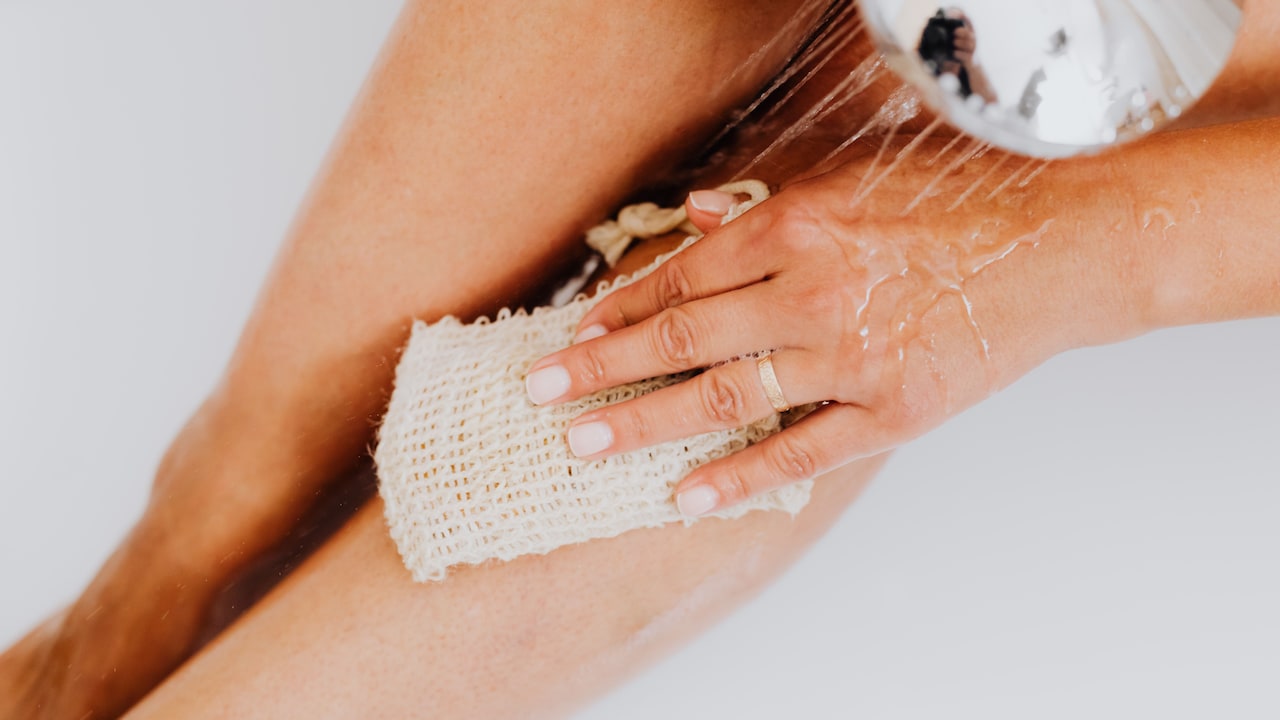
A physical scrub uses small particles to manually polish the skin. These particles may come from sugar, oats, coffee, rice powder, walnut shell, apricot seed, or synthetic beads. When massaged on the face, they remove dead cells through friction. It feels instantly satisfying, almost like cleaning a dusty window and seeing sunlight rush in.
A chemical exfoliant works without rubbing. It uses ingredients such as AHAs, BHAs, or PHAs to loosen the bonds between dead skin cells. Once those bonds soften, the skin sheds the dull layer more evenly. Glycolic acid, lactic acid, mandelic acid, salicylic acid, and gluconolactone often appear in these products.
For beginners, the key difference lies in control. Scrubs depend on hand pressure, particle size, and rubbing time. Chemical exfoliants depend on formula strength, skin type, and frequency. A gentle chemical exfoliant often gives more even results because it does not need harsh rubbing. Still, the word “chemical” scares many people. In skincare, chemical does not mean dangerous. Water itself is a chemical. The trick lies in choosing the right one.
Why Physical Scrubs Feel So Familiar
Physical scrubs feel easy because most people understand them straight away. Rough surface, gentle rubbing, smoother skin. No complicated acid names. No waiting for a toner to absorb. No fear of “peeling” like a snake in summer. That familiar feeling explains why scrubs have stayed popular for years.
There is also an emotional side. A scrub gives instant feedback. The grainy texture feels like it is doing something. After rinsing, the face may feel cleaner and softer. For someone used to dust, sweat, sunscreen, and pollution, that squeaky-clean finish can feel deeply satisfying after a long commute or a sticky afternoon.
But this comfort can mislead beginners. The skin on the face is thinner and more delicate than the skin on elbows, knees, or heels. A scrub that feels “effective” may actually create tiny surface scratches if the particles are sharp or the pressure is too strong. Many people also scrub longer when they want faster results. Sadly, skin does not reward enthusiasm in this case. It prefers patience, not elbow grease.
The Problem With Harsh Granules
Not all scrubs cause trouble, but harsh granules can behave like tiny pieces of sandpaper. Crushed walnut shell, apricot seed, and rough coffee grounds may have uneven edges. When rubbed over the cheeks, nose, or forehead, they can irritate the skin barrier. The damage may not show as a dramatic cut. It often appears as stinging, tightness, redness, bumps, or a strange roughness that refuses to leave.
Beginners often mistake this tight feeling for cleanliness. In reality, tight skin usually means the barrier has lost comfort and moisture. Once the barrier weakens, even a basic face wash can sting. Sunscreen may burn. A trusted moisturiser may suddenly feel wrong. That is when skincare starts behaving like a daily soap opera.
The risk grows when people use scrubs with acne. Rubbing active pimples can spread irritation and make inflammation worse. It can also disturb healing spots and increase the chance of marks. A soft scrub used once in a while may suit some resilient skin types, but gritty face scrubs need caution. The face does not need polishing like a brass diya before a festival.
How Chemical Exfoliants Work On The Skin
Chemical exfoliants sound intimidating, but many of them work in a surprisingly gentle way. AHAs, such as lactic acid, glycolic acid, and mandelic acid, work mainly on the surface. They help loosen dead cells and improve dullness, rough texture, and uneven tone. Lactic acid and mandelic acid often suit beginners better because they tend to feel milder than glycolic acid.
BHAs, especially salicylic acid, can move through oil. This makes them useful for blackheads, whiteheads, and oily, acne-prone skin. They help clean inside pores rather than only polishing the top layer. That is why many people with clogged noses or bumpy foreheads see better results with salicylic acid than with a scrub.
PHAs, such as gluconolactone, work more slowly and gently. They suit sensitive or dry skin that gets upset easily. The best part is that chemical exfoliants do not need rubbing. A beginner can apply a low-strength product, moisturise, and let the formula do the work. It feels less dramatic at first, but the glow often looks more natural and even over time.
Which Option Suits Oily And Acne-Prone Skin
Oily and acne-prone skin often does better with a chemical exfoliant, especially salicylic acid. Excess oil mixes with dead skin cells and creates clogged pores. A scrub may smooth the surface for a day, but it cannot always reach the oily build-up inside the pore. Salicylic acid has an advantage here because it works well in oil-rich areas.
This does not mean every pimple needs acid treatment. Angry, painful acne needs a gentler plan and sometimes professional advice. But for blackheads on the nose, small bumps on the chin, and frequent congestion, a beginner-friendly salicylic acid product used once or twice a week can help. Start low. More is not more in skincare; more is often a shortcut to irritation.
A scrub can worsen active acne when rubbed too firmly. It may break pimples, increase redness, and leave the skin feeling raw. Those satisfying grainy particles may feel productive, but acne-prone skin rarely enjoys rough handling. Think of it like traffic at a busy signal. Honking harder does not clear the road. A calmer system works better.
Which Option Suits Dry Or Sensitive Skin
Dry or sensitive skin needs kindness before ambition. When the skin already feels tight, flaky, or easily irritated, rough scrubs can make it more uncomfortable. A soft, creamy scrub may seem tempting, but friction still creates risk. For beginners in this category, a mild chemical exfoliant usually makes more sense, especially lactic acid, mandelic acid, or a PHA.
Lactic acid has a useful quality because it can exfoliate while also supporting hydration. Mandelic acid works more slowly due to its larger molecular size, so many sensitive skin types tolerate it better. PHAs take the softest route and can suit skin that reacts to almost everything, including weather changes, new face washes, or overenthusiastic salon facials.
The golden rule is simple: repair before you exfoliate. If the skin burns, peels, cracks, or stings daily, pause exfoliation. Use a gentle cleanser, a plain moisturiser, and sunscreen until the skin feels steady again. Exfoliation should improve comfort and glow. It should not feel like a spicy pani puri challenge on the cheeks.
The Beginner's Biggest Mistake: Doing Too Much
The most common beginner mistake is not choosing the wrong product. It is using the right product too often. A new exfoliant enters the shelf, excitement takes over, and suddenly the face gets scrubbed or acid-treated every night. Within a week, the glow disappears, and irritation arrives with full drama.
Skin renews itself naturally. Exfoliation only helps that process along. It does not need daily pushing, especially at the start. Beginners should exfoliate once a week, then slowly increase only if the skin stays calm. Oily skin may tolerate twice a week. Sensitive skin may prefer once every ten days. The mirror, not the marketing claim, should guide the routine.
Another mistake is mixing everything. A scrub on Monday, glycolic toner on Tuesday, retinol on Wednesday, acne gel on Thursday, and a brightening mask by the weekend can overwhelm the barrier. Skin likes consistency more than chaos. Choose one exfoliant, use it gently, and give it time. A peaceful routine often beats a crowded dressing table full of half-used bottles.

Physical Scrub Vs Chemical Exfoliant: Which One Should Beginners Choose?
Photo Credit: Pexels
Price, Packaging, And The ₹500 Trap
A higher price does not always mean a kinder exfoliant. Many beginners assume that a product worth ₹2,000 must work better than one under ₹500. Sometimes it does. Often, it only has prettier packaging and a fragrance that smells like a hill-station holiday. The ingredient list matters more than the jar.
Physical scrubs can look affordable, with many options priced between ₹150 and ₹500. That makes them easy to grab during a grocery run. But a cheap scrub with rough particles can cost more later if it damages the barrier and leads to extra repair products. A gentle chemical exfoliant may cost more upfront, perhaps ₹400 to ₹1,200, but it can last longer because beginners use it only once or twice a week.
Packaging also matters. Leave-on acids in opaque bottles or tubes often stay more stable than products in open jars. Fragrance-heavy formulas may feel luxurious, but sensitive skin may complain. Beginners do not need the fanciest product. They need a simple formula, clear instructions, low strength, and enough patience to avoid turning one skincare step into a science project.
Also Read: What Are The Best Korean Skincare Ingredients For Monsoon Skin?
How To Start Without Annoying Your Skin
A beginner should start exfoliation like learning to ride a scooter: slowly, carefully, and not in the middle of peak traffic. Choose one product. Use it at night. Apply it once a week for the first few weeks. Follow with a plain moisturiser. Use sunscreen the next morning, even when staying mostly indoors near windows or stepping out only for chai.
Do not exfoliate on the same night as retinol, strong acne treatments, facial waxing, threading, or bleaching. The skin already deals with enough stress from heat, dust, sweat, and shaving or hair removal. Give it breathing room. Also, avoid using a physical scrub and a chemical exfoliant in the same routine. That combination can turn a glow plan into a rescue mission.
A patch test helps. Try the product on a small area near the jaw or behind the ear before using it all over the face. Mild tingling can happen with some acids, but burning, swelling, or lasting redness means stop. Good exfoliation should feel boring in the moment and rewarding later.
So, Which One Should Beginners Choose?
For most beginners, a gentle chemical exfoliant is the better first choice. It gives more even exfoliation, needs no rubbing, and can target common concerns more precisely. Oily, clogged skin can start with low-strength salicylic acid. Dry or sensitive skin can try lactic acid, mandelic acid, or a PHA. Dull, rough skin may enjoy a mild AHA once a week.
That said, physical scrubs are not villains wearing black capes. Some people with resilient, non-acne-prone skin may enjoy a very soft scrub occasionally. The scrub should have fine, smooth particles and a creamy base. It should glide, not drag. The pressure should feel lighter than applying kajal, not like scrubbing a steel tiffin box.
The best choice depends on skin type, patience, and habits. Anyone who tends to rub hard should skip face scrubs. Anyone who forgets sunscreen should treat acids with respect and build that habit first. The beginner-friendly answer is clear: choose gentle, choose slow, and choose the product that keeps the skin calm after the glow fades.
Physical Scrub Vs Chemical Exfoliant: Which One Should Beginners Choose?
Photo Credit: Pexels
Products Related To This Article
1. WBC WORLDBEAUTYCARE WBC Body Exfoliating Glove - Pure Viscose Fibre
2. mCaffeine Exfoliating Coffee Body Scrub Powder Jar for Tan Removal
3. Soft Silicone Back Scrubber Long Handle Bath Brush
4. DR.RASHEL De-Tan Scrub For Face & Body
5. Episkey Silicone Body Scrubber for Bath
6. Be Bodywise 10% De Tan Lactic AHA Exfoliating Body Scrub
7. Beauty by Earth Dry Brushing Body Brush for Lymphatic Drainage Cellulite
Exfoliation can make skincare feel exciting because it offers visible change. A smoother nose, brighter cheeks, fewer flaky patches, and softer makeup application can lift the mood more than a perfectly timed monsoon playlist. But skin is not a floor tile, and exfoliation is not deep cleaning. It is a small nudge to help the skin shed what it no longer needs.
Physical scrubs offer instant satisfaction, but they depend heavily on pressure and texture. That makes them risky for beginners, especially those with acne, sensitivity, or a weak skin barrier. Chemical exfoliants sound scarier, yet low-strength formulas often work more gently and evenly. They also allow better matching with skin concerns, from clogged pores to dullness and rough texture.
For a first exfoliant, beginners should usually choose a mild chemical option, use it once a week, moisturise well, and wear sunscreen daily. The goal is not glass skin by Friday. The goal is healthy skin that behaves well on ordinary mornings, sweaty afternoons, and festive nights alike. In skincare, slow progress usually wins. The face deserves a routine that feels less like punishment and more like care.
(Disclaimer: This article may include references to or features of products and services made available through affiliate marketing campaigns. NDTV Convergence Limited (“NDTV”) strives to maintain editorial independence while participating in such campaigns. NDTV does not assume responsibility for the performance or claims of any featured products or services.)