How To Reduce Hyperpigmentation And Tan After Summer?
Wondering how to reduce hyperpigmentation and tan after summer in India? Learn simple skincare steps, ingredients, and habits that help restore even-toned skin.

How To Reduce Hyperpigmentation And Tan After Summer?
Summers are really not fair at all. Your skin often suffers from the scorching heat, sweaty commutes, beach trips, and those unexpected afternoons spent in the sun longer than intended. By the time monsoon starts knocking, many people start noticing stubborn tanning, uneven skin tone, and dark patches that were not there a few months back.

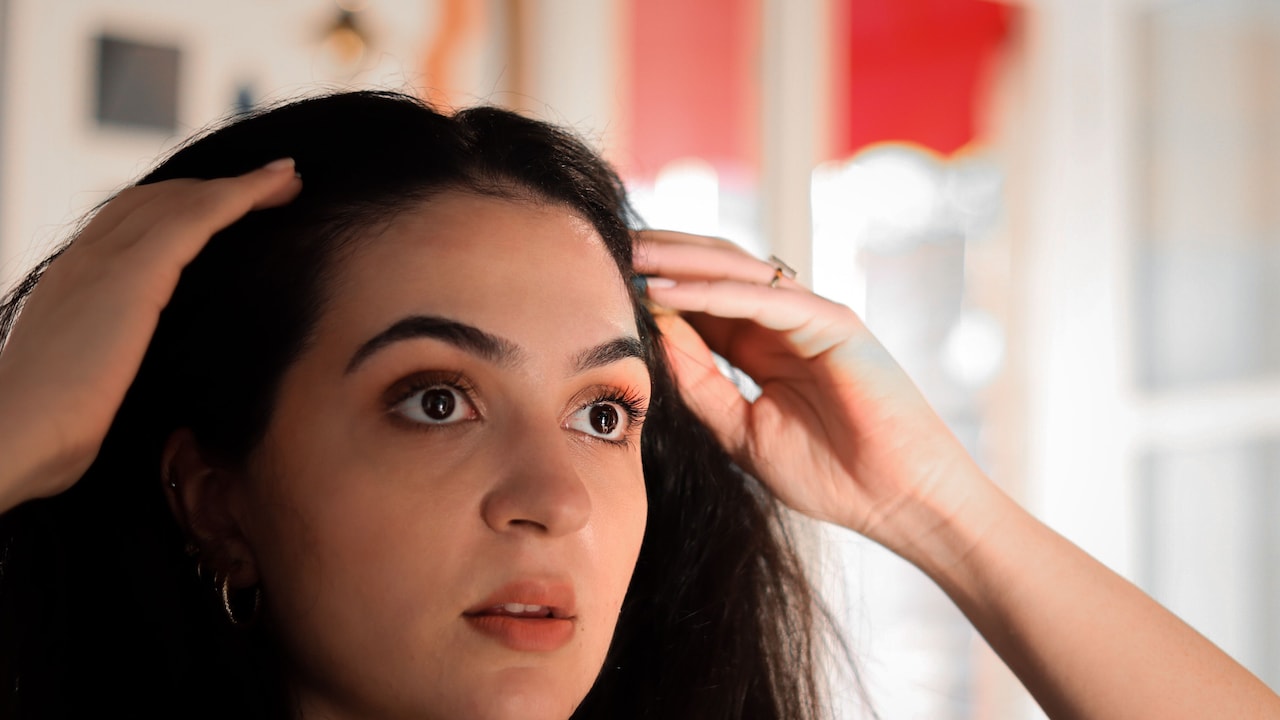
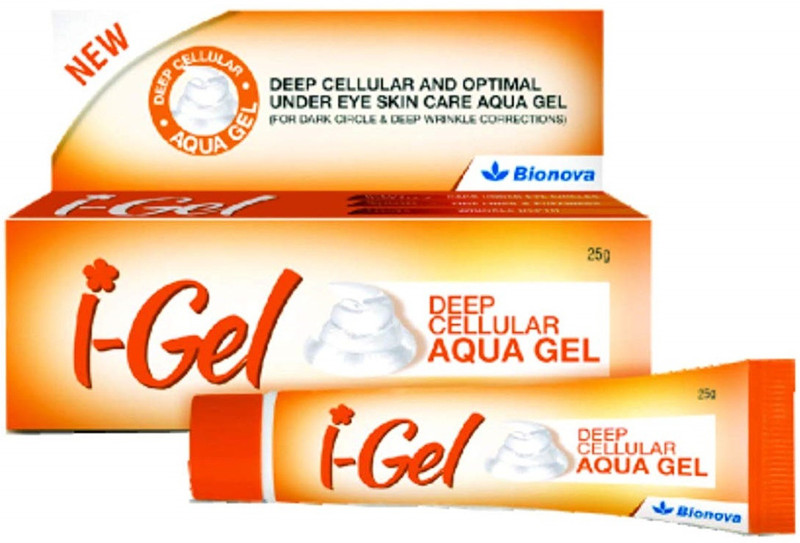
Discover effective ingredients and easy daily habits to reverse summer tanning and uneven skin tone; Photo Credit: iStock
And that's where confusion starts. Is it just tan? Is it hyperpigmentation? Should one exfoliate more? Use vitamin C? Try home remedies? There are too many opinions floating around, honestly. If your skin feels a few shades darker than usual or you're spotting patches that don't seem to fade easily, here's what actually helps and what doesn't.
Also Read: 5 Best Kojic Acid Creams For Summer Under ₹1000
What Causes Hyperpigmentation And Tan In Summer?
Tan and hyperpigmentation may look similar, but they are not the same thing.
A tan is basically your skin getting darker. The reason behind tan is extra melanin formation. However, hyperpigmentation is very different from getting a tan. Hyperpigmentation is the result of damage from the sun. It leads to dark patches of skin and uneven skin tone. It can affect confidence a lot.
Brown skin naturally contains more melanin compared to lighter skin tones, which is beneficial for protection. But the downside is, pigmentation often becomes more noticeable and takes a longer time to fade.
Start With Sun Protection First
Many people spend lots of money on serums and treatments but entirely ignore sunscreen. It's like trying to fill a bucket that has a hole in it.
1. Use Sunscreen Every Single Day
Even if summer is technically over, UV rays are still very much around. Always apply a high-quality and broad-spectrum sunscreen. When buying sunscreens, look for at least SPF 50. Anything below SPF 50 is not usually recommended.
Reapply the sunscreen on your skin every two hours when you step outdoors. One morning application is not enough, especially in current weather conditions.
2. Don't Forget Hidden Exposure
The sun is not only damaging your skin during vacations or outdoor activities. Daily exposure from activities such as biking, walking to work, sitting near windows, or running errands accumulates over time.
Caps, sunglasses, and umbrellas may not sound very exciting, but they genuinely help in reducing pigmentation triggers.
Focus On Brightening Ingredients That Actually Work
The skincare market loves to promise “instant fairness” and “overnight glow". But reality is usually much slower than that.
Certain ingredients have actual research behind them, and these can gradually improve pigmentation over time.
1. Add Vitamin C To Your Morning Routine
Vitamin C is one of the most popular ingredients for a reason. It helps to brighten dull skin, supports collagen production, and can improve uneven skin tone over time.
Consistency matters more than concentration here. A good vitamin C serum, when used daily, can make a visible difference after a few weeks.
2. Look For Niacinamide In Your Products
Niacinamide is one of those ingredients that works quietly in the background. It helps to reduce excess pigmentation, supports the skin barrier, and can even control oil production.
For skin types dealing with humidity and pigmentation together, niacinamide is often a solid choice.
Gentle Exfoliation Can Help Speed Up Recovery
Many people panic after seeing a tan and start scrubbing their faces aggressively, which usually makes things worse. This usually makes things worse.
1. Use Chemical Exfoliants Instead Of Harsh Scrubs
Most people use physical scrubs on their bodies in the hopes that it'll help them with exfoliation. However, that's not effective. You should always use chemical exfoliants like AHAs to remove dead skin cells. Cleanse your skin and exfoliate it twice or thrice a week to see visible results.
2. Avoid Over-Exfoliating
More is not always better here.
If skin feels irritated, red, tight, or sensitive, you're probably doing too much already. A damaged skin barrier can actually make pigmentation appear worse than before.
Typically, a gradual and consistent approach yields the best results.
Your Daily Habits Matter More Than You Think
Skincare products can be beneficial, but they do not work miracles.
1. Prioritise Hydration And Sleep
Skin repairs itself while sleeping. If you're surviving on four hours of sleep and three cups of coffee, your skin will probably show it eventually.
Drinking enough water and maintaining consistent sleep habits both support overall skin recovery.
2. Be Patient With The Process
This is the part nobody wants to hear.
Tanning may take a few weeks to fade away. Hyperpigmentation can take months. Sometimes even longer, depending on its cause.
Jumping between products every ten days usually creates more problems than solutions. Give your routine enough time to work before switching things up again.
When Should You Visit A Dermatologist?
If dark patches continue getting worse, refuse to fade, or appear suddenly, then maybe it's time to consult a dermatologist.
Some forms of pigmentation are linked with hormones, medications, inflammation, or some underlying skin conditions. So, if you see or notice more severe skin problems, you may need to get professional treatments.

Learn how to treat post-summer hyperpigmentation and restore even-toned skin with these expert steps; Photo Credit: iStock
Some Skincare Products You May Like
1. Minimalist 16% Vitamin C Face Serum with Vitamin E & Ferulic Acid for Brightening
2. The Derma Co. 15% Vitamin C Face Serum
3. DOT & KEY Set of 10% Vitamin C+E Super Bright Moisturiser (60 ml) & Face Serum
4. Cetaphil Sun SPF 50 Lightweight Water-Resistant Sunscreen Gel with Vitamin E
5. La Shield Lite SPF 50+ & PA+++ Anti-Tanning Sunscreen Gel
6. Minimalist 10% Niacinamide Face Serum with Zinc
7. L'Oréal Paris Glycolic Bright Melasyl + Niacinamide Serum for Brightening Dark Spots
8. THE ORDINARY Glycolic Acid 7% Exfoliating Toner
Hyperpigmentation takes weeks to months to improve, so pair actives with barrier repair and patience — your summer skin will recover, not overnight, but surely. Post-summer skin needs repair, not punishment — focus on gentle exfoliation, vitamin C, niacinamide, and sunscreen daily to fade tan and dark spots safely. Shop now on Myntra
Frequently Asked Questions (FAQs)
1. How long does a summer tan take to fade naturally?
There's no specific answer to this question, as it depends on more than one thing. How long it takes depends on your skin type, the amount of tanning, and the method/product you use. Usually, it can take almost a month to see results.
2. Can vitamin C remove pigmentation completely?
No, Vitamin C is not meant to act on pigmentation. The main role or use case of vitamin C is to help you get even and brighter skin.
3. Is sunscreen necessary indoors?
Sunscreen is mandatory even if you get indirect sunlight, like if you're sitting or lying down near windows or open balconies. Even a small bit of sun can cause a lot of damage. So, be careful and apply sunscreen if that's the case.
4. Can home remedies remove hyperpigmentation?
Some home remedies may temporarily improve skin appearance, but ingredients like vitamin C, niacinamide, and dermatologist-approved treatments generally give more reliable results.
5. What's the difference between tanning and hyperpigmentation?
Tanning is the skin's temporary response to UV exposure, while hyperpigmentation refers to darker patches caused by excess melanin production from various triggers.
(Disclaimer: This article may include references to or features of products and services made available through affiliate marketing campaigns. NDTV Convergence Limited (“NDTV”) strives to maintain editorial independence while participating in such campaigns. NDTV does not assume responsibility for the performance or claims of any featured products or services.)