How To Choose The Right Shampoo For Oily Scalp During Monsoon
Find the best shampoo for an oily scalp during monsoon. Learn how to choose the right shampoo, key ingredients to look for, and tips for fresher hair.
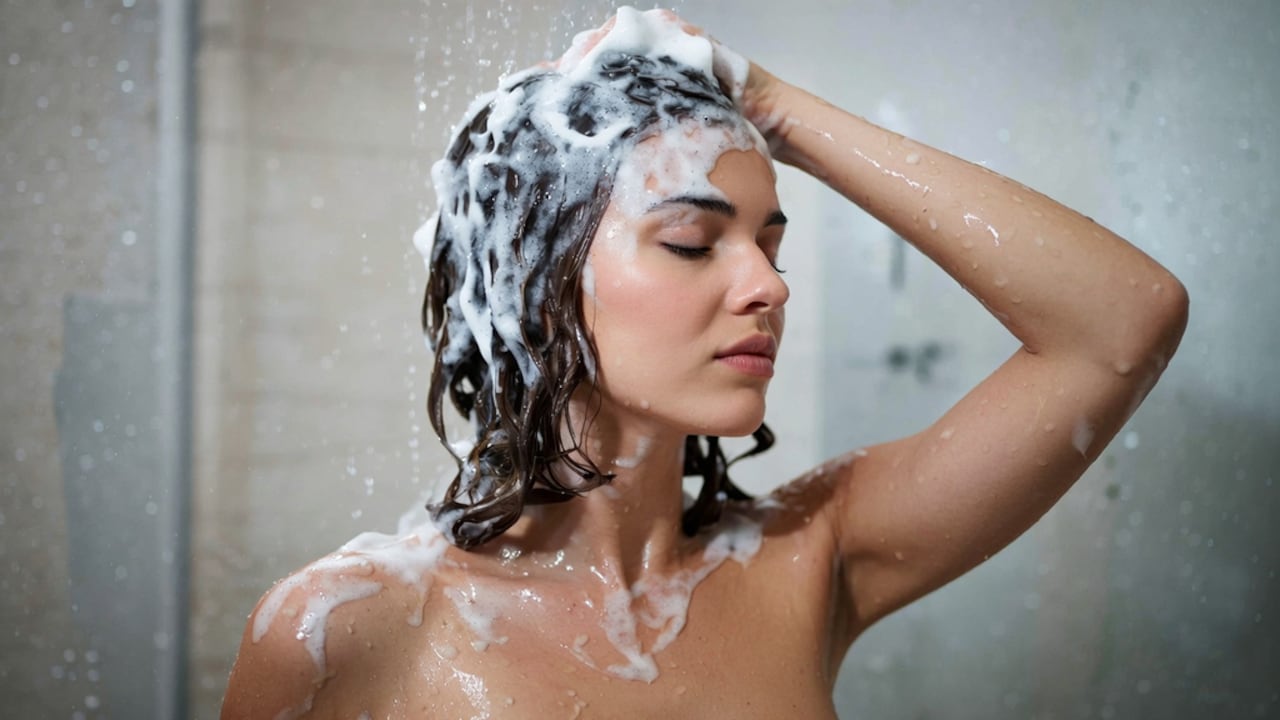
How To Choose The Right Shampoo For Oily Scalp During Monsoon
The monsoon gives some real relief from the scorching temperatures, but it also tosses in a pretty common hair problem: an oily scalp. With all that extra humidity in the air, hair can start looking greasy and feels hard to manage even soon after you wash it. If you've noticed your scalp turning oilier during the rainy season, you're not the only one. There's often more sebum coming out, plus sweat, and those everyday environmental pollutants can pile up faster, so your hair doesn't stay fresh for long.
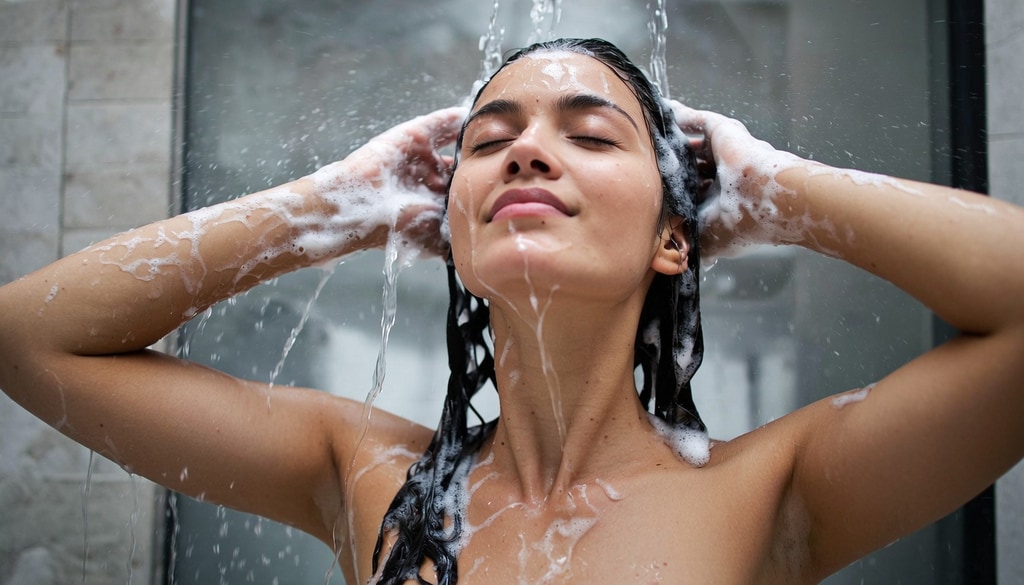
Learn how to choose the right shampoo and habits for cleaner hair this monsoon season.
Photo Credit: iStock
Picking the right shampoo helps, for sure, but with so many choices on shelves, finding the best match isn't always so straightforward. In this guide, we'll walk through what you should search for in a monsoon-friendly shampoo for an oily scalp, which ingredients actually help, and how to set up a hair care routine that keeps your scalp feeling clean, calm, and in balance.
Why Does Your Scalp Become Oilier During Monsoon?
Humidity is one of the main reasons why your scalp can turn oily during the rainy season. When the moisture levels in the air start rising, sweat and the natural scalp oils tend to gather faster. Put together like that, it can make your hair look greasy and lifeless within a day, even if you wash it.
The problem becomes more noticeable when dirt, pollution, and styling product residue mix with excess oil. Over time, this buildup can leave the scalp feeling itchy, uncomfortable, and prone to dandruff-like flakes.
Step 1: Identify Your Scalp Type
Before buying a shampoo, it's important to get a feel for what your scalp is asking for. If your roots become slightly greasy within a day, while the rest of your hair remains normal, you likely have an oily scalp. Realising that kind of thing helps you pick up formulas that deal with extra oil without making the hair lengths feel stripped or dry.
Step 2: Look For Oil-Control Ingredients
Certain ingredients are particularly effective for managing scalp oil during monsoon. Tea tree oil helps cleanse the scalp, while salicylic acid takes care of excess sebum. You can also find ingredients like green tea extract, charcoal, niacinamide and apple cider vinegar that help keep the scalp feeling fresher all day long.
What Type Of Shampoo Works Best For An Oily Scalp?
Not every shampoo is put together the same way. Picking a product made for oily hair, on purpose, can help stop the extra buildup from showing up and it can also make your scalp feel more comfortable.
1. Choose A Clarifying Shampoo
Clarifying shampoos are meant to clear out excess oil, sweat, and bits of leftover product from the scalp. In monsoon season, they can really help hair stay a bit lighter and feel cleaner all day without leaving behind heavy film.
2. Pick A Lightweight Formula
Heavy moisturising shampoos may work well for dry hair, but they can weigh down oily roots. Lightweight formulas cleanse effectively while allowing the hair to maintain volume and movement.
Ingredients To Avoid In Monsoon Hair Care
While a few ingredients help keep oil under control, some others can make the situation feel worse, so it's not just one thing. If you take a moment to understand what to steer clear of, it can spare you from those annoying scalp issues that build up for no good reason.
1. Avoid Excessively Rich Moisturising Ingredients
Shampoos loaded with heavy oils and rich conditioning agents can leave an oily scalp feeling even greasier. During humid weather, these formulas may contribute to a limp and sticky appearance.
2. Limit Heavy Silicone-Based Products
Certain silicones create a coating on the hair shaft that can trap dirt and oil. For those dealing with excess scalp oil, this may result in hair that feels weighed down much sooner.
How Often Should You Wash Your Hair During Monsoon?
Hair washing frequency depends on your scalp condition, daily routine, and the amount of oil your scalp produces.
1. Wash According To Oil Buildup
If your scalp becomes noticeably greasy within 24 hours, washing every alternate day may help keep oil levels under control. The goal is to remove buildup before it becomes excessive.
2. Avoid Overwashing
Even if regular washing looks like the fix at first, over-cleansing can end up pulling away the scalp's own natural oils. Then the scalp may start making even more oil, so you fall into a loop that is not always simple to control, and it can feel a bit stubborn at times.
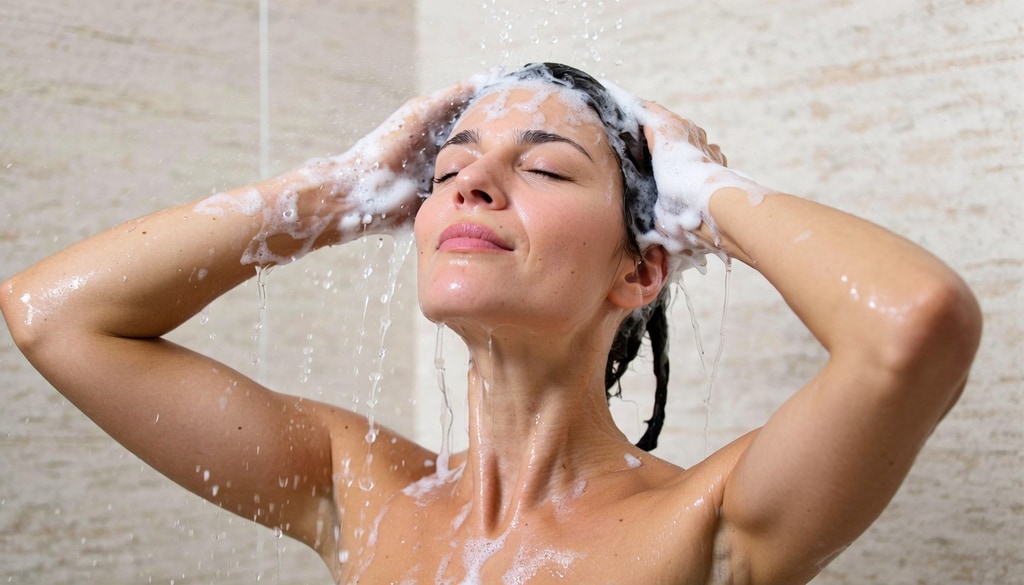
Find the perfect shampoo ingredients to control excess scalp oil and build-up during rainy weather.
Photo Credit: iStock
Top Shampoo Options To Consider
1. Bare Anatomy Anti-Dandruff Shampoo
2. LOreal Paris Hyaluron Pure 72H Purifying Shampoo for Oily Scalp
3. BRILLARE Lactylate Anti-Dandruff Shampoo
4. Nat Habit Tri-Leaf Rosemary Navadha Shampoo
5. Mamaearth Rosemary Anti-Hair Fall Shampoo
6. Lotus Botanicals Ginger Root Dandruff-Control Shampoo
7. Minimalist Anti-Dandruff Shampoo 3.5% with Piroctone Olamine & Salicylic Acid
8. Volamena Ginger & Tea Tree Shampoo To Reduce Dandruff & Clear Scalp
Choosing the right shampoo is only part of the solution. Keep your hairbrush clean, switch out pillowcases more often than you think you need, and try to reduce using heavy styling products too much; that way you can cut down on oil buildup. Also don't keep touching your hair all day, because that can move dirt plus oil from your hands to your scalp, even if you don't notice it.
Frequently Asked Questions (FAQs)
1. Which shampoo is best for an oily scalp during monsoon?
A clarifying shampoo containing ingredients like tea tree oil, salicylic acid, or charcoal is often a good choice for controlling excess oil during humid weather.
2. Can monsoon humidity make my hair greasy faster?
Yes, when humidity stays high, your body can make more sweat, and then the natural scalp oils feel way more present, so hair tends to look oily sooner.
3. Should I use a moisturising shampoo if I have an oily scalp?
Lightweight moisturising formulas may work, but heavily moisturising shampoos can make oily roots feel greasier during monsoon.
4. Is sulphate-free shampoo suitable for oily hair?
Many sulphate-free shampoos can effectively cleanse excess oil while being gentler on the scalp than harsher cleansing formulas.
5. How often should I wash oily hair during monsoon?
The ideal frequency depends on your scalp, but many people with oily hair find that washing every alternate day helps manage oil buildup effectively.
(Disclaimer: This article may include references to or features of products and services made available through affiliate marketing campaigns. NDTV Convergence Limited (“NDTV”) strives to maintain editorial independence while participating in such campaigns. NDTV does not assume responsibility for the performance or claims of any featured products or services.)