When Your Base Betrays You: 10 Signs Your Foundation Isn't Working, And How To Choose One That Does
Creasing, oxidisation or breakouts? Discover 10 expert signs your foundation isn't working, and how to read labels and test formulas like a pro.
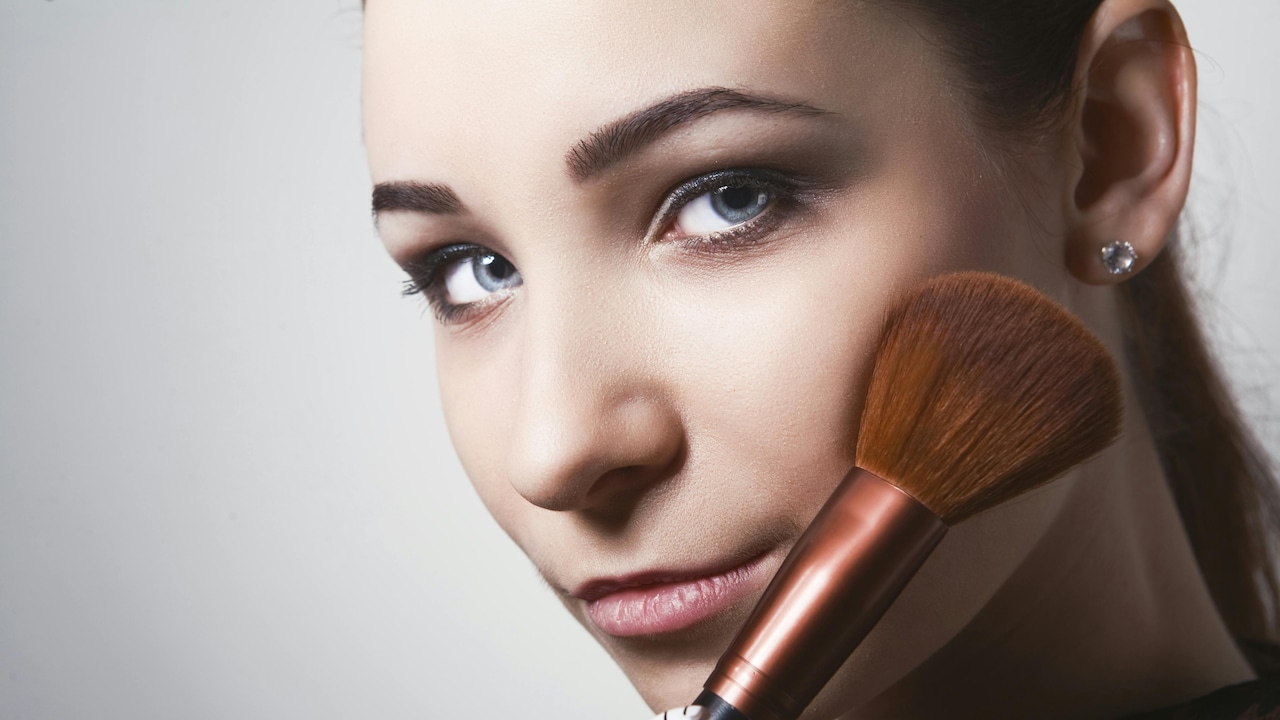
The perfect foundation should disappear, never announce itself.
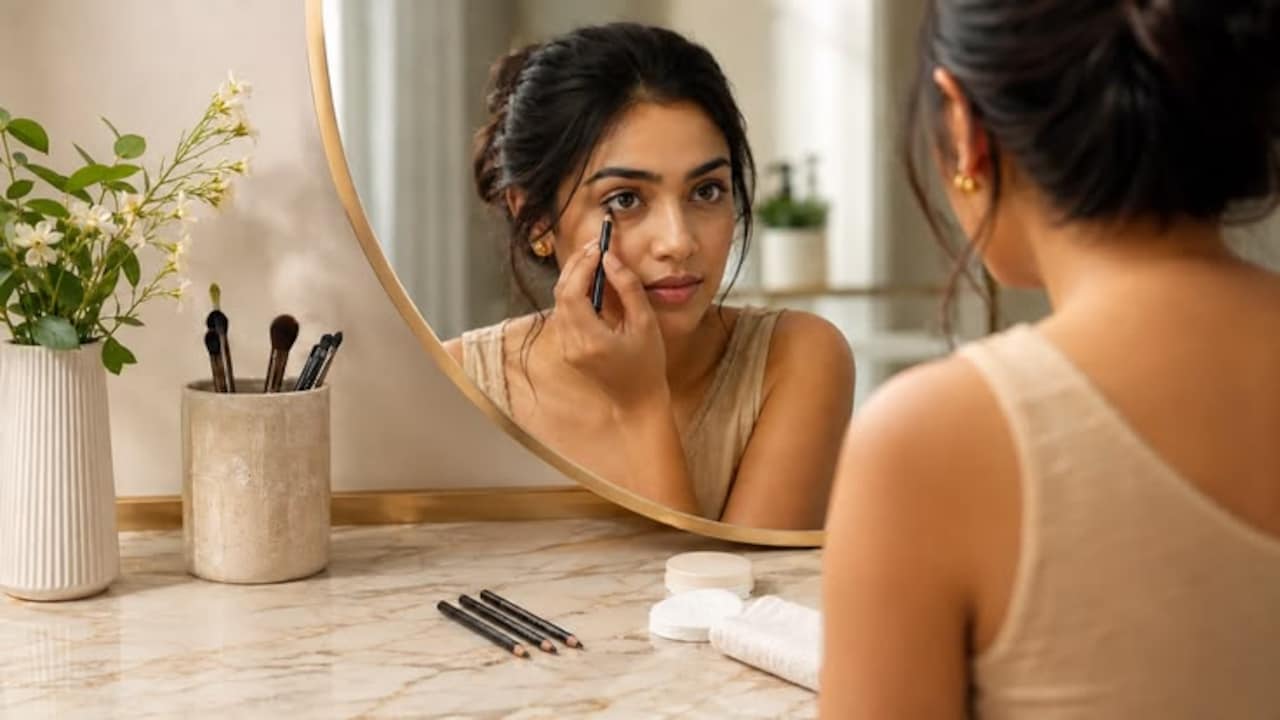
Foundation is rarely blamed first. When makeup fails, we fault the weather, the brush, our skin that day, or even ourselves. But more often than not, the problem lies beneath everything else, locked into the very base meant to unify, blur and perfect. A foundation that does not work for you does not merely underperform; it actively sabotages the skin, altering texture, tone and behaviour across the day.
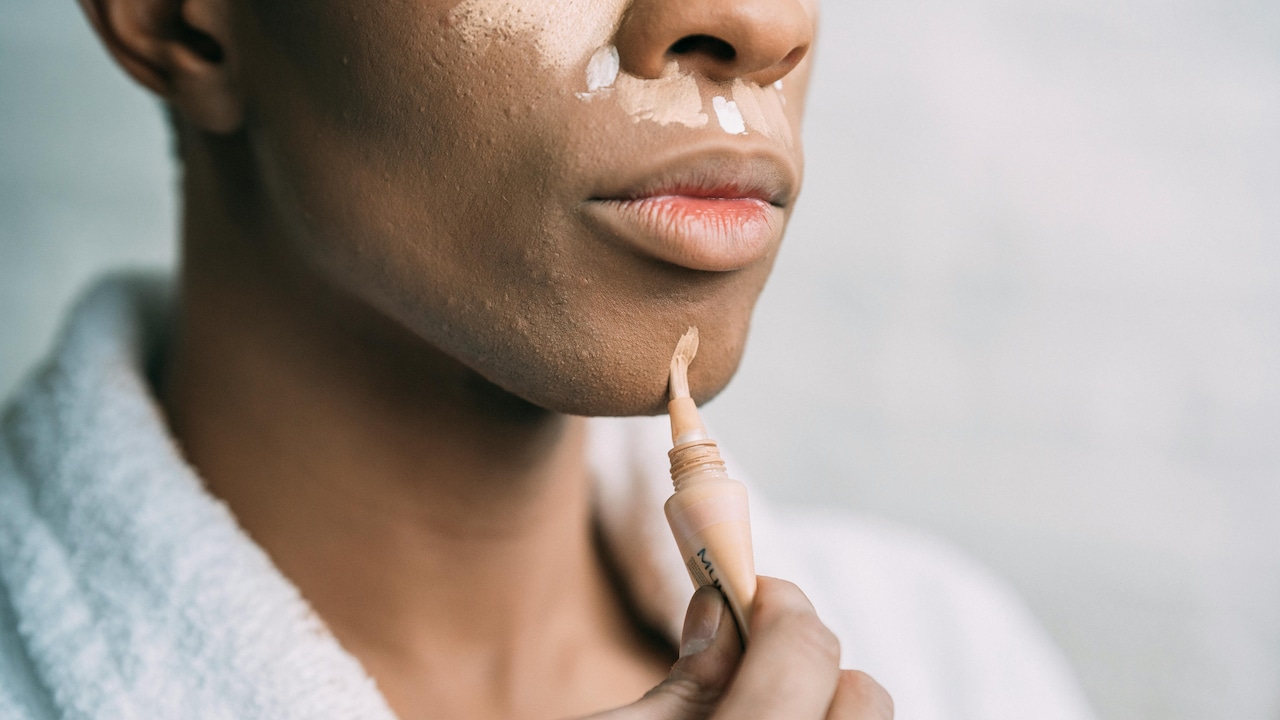
A good foundation settles into skin; a bad one sits on top of it.
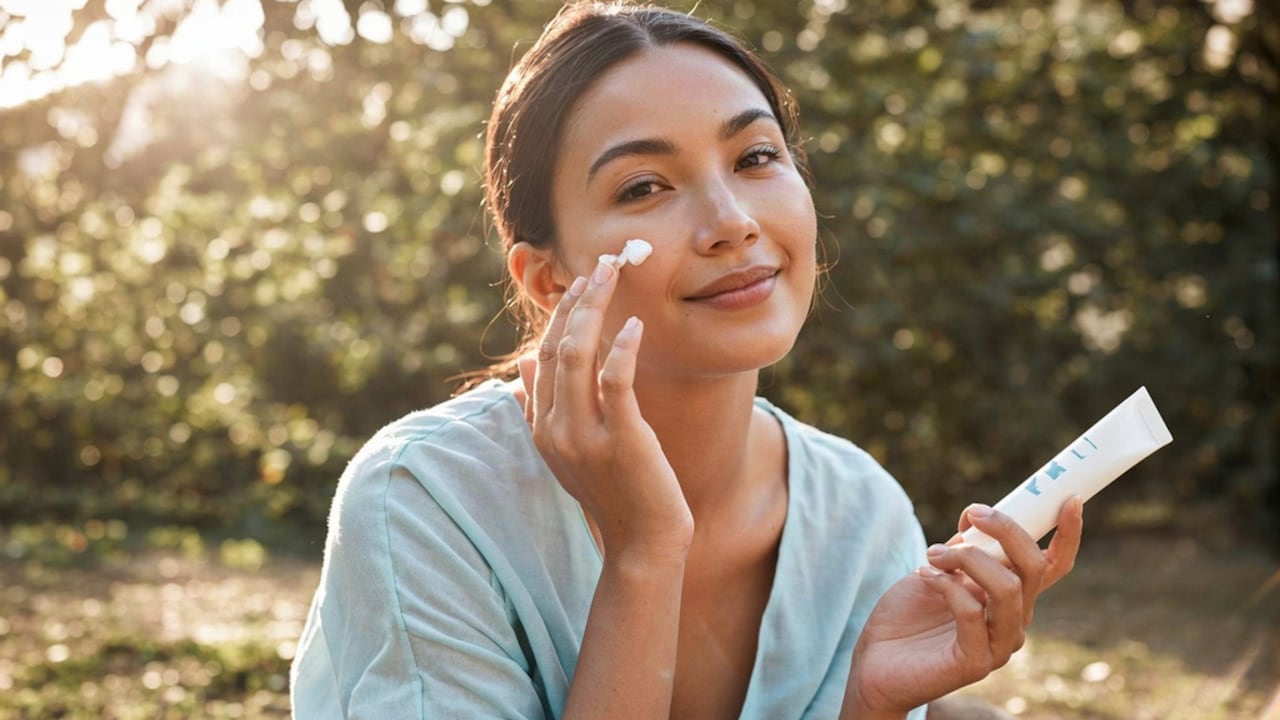
Photo Credit: Pexels
Learning to recognise when a foundation is incompatible is a skill, one that sits at the intersection of chemistry, skin physiology and visual discernment. Below, we break down 10 signs your foundation is not serving you, followed by how to decode labels and test formulas like an expert so your next purchase feels intentional, not hopeful.
Also Read: Build Your Skincare Routine From Scratch: The 4-Step Simple Routine For Everyone
10 Signs Your Foundation Is Not Working For You
1. When The Skin Never Looks Settled
A foundation that truly works for you achieves a state makeup artists often describe as settling, the moment when pigment, emollient and skin appear indistinguishable. If that moment never arrives, if the base continues to sit on the skin rather than within it, something is fundamentally off.
Constant patchiness, separation around pores, or foundation visibly clinging to micro‑dryness suggests a mismatch between formula architecture and skin condition. Heavy silicones may reject dehydrated skin. Matte powders may leach moisture from an already compromised barrier. Dewy formulas may fail to anchor to oil‑rich skin.
A well‑matched foundation adjusts to skin. A poor one resists it.
2. The Colour Is Correct, Until It Isn't
One of the most deceptive signs of a failing foundation is that it initially looks perfect. Only later, under daylight, office fluorescents, or evening shadows, does the imbalance reveal itself. The skin may look ashen, unnaturally warm, or oddly flat.
This almost always points to an undertone miscalculation. Depth is easy; undertone is not. Warm, cool and neutral barely scratch the surface, particularly for olive, golden‑green or muted undertones common across South Asian and Mediterranean skin.
If your face and neck silently disagree all day, the foundation is telling you it was misunderstood.
3. Oxidisation That Alters Rather Than Settles
Some foundations warm slightly as they dry, that is normal. But when a shade darkens dramatically, pulls orange, or becomes muddy, oxidisation has crossed from chemistry into chaos.
Oxidisation occurs when pigments (especially iron oxides) react with oxygen, oils or acidic skincare. Skin with higher sebum production accelerates the process. A foundation that oxidises significantly is unstable on your skin, even if it performs well on others.
If your mid‑day reflection feels like someone else's foundation entirely, the formula is not calibrated for you.

If your base needs constant fixing, it isn't the right formula for you.
Photo Credit: Pexels
4. Wear Time That Fails Your Real Life
Longevity is not just about how long makeup lasts, it is about how it wears. A foundation that disappears around the nose, mouth or jaw does not have adequate film‑forming support for your skin's movement, oil or sweat patterns.
Conversely, foundations engineered for extreme longevity can behave rigidly, cracking or emphasising texture where the skin naturally flexes.
When base makeup cannot withstand conversation, humidity, or a workday without visible breakdown, it is mismatched to your lifestyle as much as your skin type.
5. Lines, Folds and Micro‑Creases Appear Too Soon
Foundations that settle aggressively into fine lines often contain fast‑setting agents, high pigment loads or absorbent powders. These formulas prioritise coverage and longevity over elasticity.
The issue is not age, it is skin flexibility. If creasing appears minutes after application, the foundation lacks the ability to move with your face.
A successful formula stretches, diffuses and rebounds. A failing one freezes.
6. Your Skin Begins To Misbehave
Congestion, unexplained breakouts or persistent redness appearing after introducing a new foundation should never be dismissed. Foundation sits on the skin longer and more densely than most colour products; incompatibility reveals itself quickly.
Potential triggers include:
- Occlusive oils that trap bacteria
- Fragrance compounds irritating the skin barrier
- Certain silicones creating congestion for acne‑prone skin
- Preservatives that reactive skin cannot tolerate
If your skin calms the moment foundation is removed, it has been negotiating discomfort all day.
7. The Finish Never Matches the Promise
Marketing language is aspirational. Skin chemistry is brutally honest. A “skin‑like satin” foundation that looks greasy by noon or chalky by evening is not lying, it is reacting.
Finish is not inherent. It is contextual. Oil production, hydration levels and climate will transform the look of any base.
When the finish continuously misses the mark regardless of prep, the foundation's design does not align with your skin's behaviour.
8. Other Products Refuse To Cooperate
A high‑functioning foundation is a stabilising layer. Blush blends seamlessly; bronzer diffuses evenly; powder melts in. When products drag, skip or lift the base, the foundation's surface integrity has failed.
Overly emollient formulas resist powders. Foundations that never properly set repel layering. The canvas matters as much as the paint.
If your entire routine struggles downstream, the foundation is the weak point.
9. The Colour Shifts Unevenly Across The Face
Some foundations oxidise selectively, darkening on the nose and chin faster than the perimeter due to oil concentration. This creates a subtle but damaging imbalance: dimension is lost, skin appears dull, and the face lacks coherence.
Foundation should age evenly. Unequal tonal evolution signals uneven pigment stability.
10. Relief Is The Final Step
The truest test often comes last. When removing foundation feels like relief—when skin immediately looks calmer, brighter or more comfortable, the verdict is clear.
The right foundation leaves skin unchanged or improved beneath it. Anything else is compromise disguised as coverage.
How To Choose Right: Reading Labels Like An Insider
Luxury foundations succeed because they balance chemistry, cosmetic elegance and skin respect. This is what to look for:
1. Base Composition
- Water‑based: lighter, oil‑friendly
- Silicone‑based: smoothing, pore‑blurring
- Oil‑based: nourishing for very dry or mature skin
Check the first 5 ingredients, they tell the real story.
2. Pigment Architecture
High iron oxide concentration means coverage but also higher oxidisation risk. Balance matters.
3. Alcohol Placement
Early placement boosts wear but compromises hydration and barrier function.
4. Fragrance And Sensitisers
Even luxury fragrance can irritate over time, particularly with daily wear.
5. Functional Actives
Niacinamide, ceramides and hyaluronic acid only help when properly formulated, and not everyone benefits from them.
How To Test A Foundation Properly
- Always test on the jawline, never the wrist
- Wait 30 to 45 minutes before deciding
- Check under natural light
- Layer concealer or powder on top
- Patch‑test over two days if skin is reactive
Foundations reveal their truth with time, not mirrors.
A foundation that truly works is not discovered by chance, it is chosen with intention. Understanding your skin's texture, undertone, behaviour and tolerance allows you to move beyond trial‑and‑error and towards a base that enhances rather than negotiates with your complexion. When the chemistry aligns, foundation stops being something you wear and becomes something you simply are.
This is where smart tools and thoughtful retail make all the difference. Platforms like Tira simplify the process with their Try It On feature, allowing you to virtually explore shades and finishes before committing, especially helpful when undertones and oxidisation can make or break a formula. Combined with Tira's wide, carefully curated range of foundations across finishes, coverage levels and skin types, the guesswork is significantly reduced.
If you're refining your base wardrobe or finally replacing a foundation that never quite worked, exploring options on Tira offers both clarity and confidence. Use the Try It On feature to shortlist, compare formulas suited to your skin needs, and order your perfect match directly on Tira, so your next foundation feels considered, not compromised.
Because the right foundation doesn't correct your skin. It understands it.
Top Foundations You May Like On Tira
1. FENTY BEAUTY Pro Filt'r Soft Matte Foundation
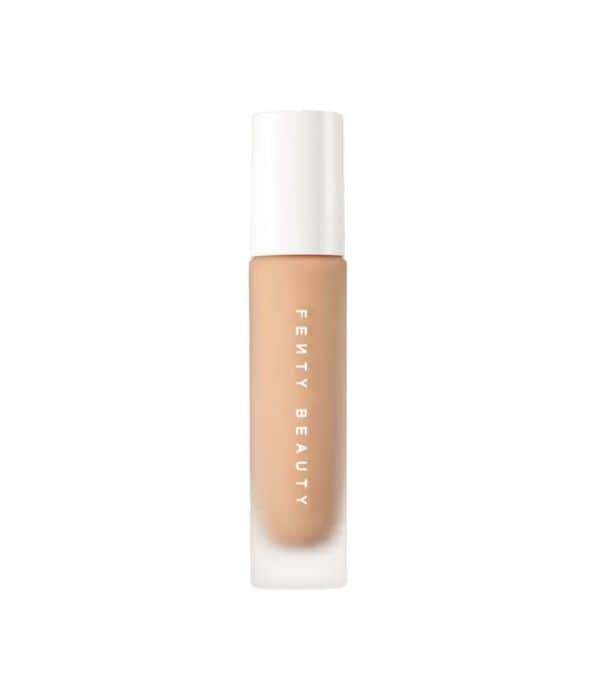
Click To Buy FENTY BEAUTY Pro Filt'r Soft Matte Foundation
Photo Credit: Tira
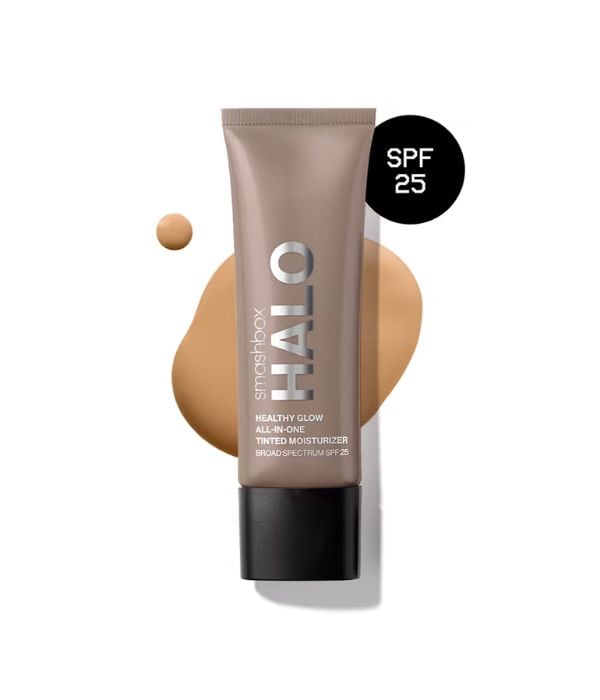
2. Smashbox Halo Healthy Glow Tinted Moisturizer Broad Spectrum SPF 25
3. L'Oreal Paris Infallible 24H Tinted Serum Foundation
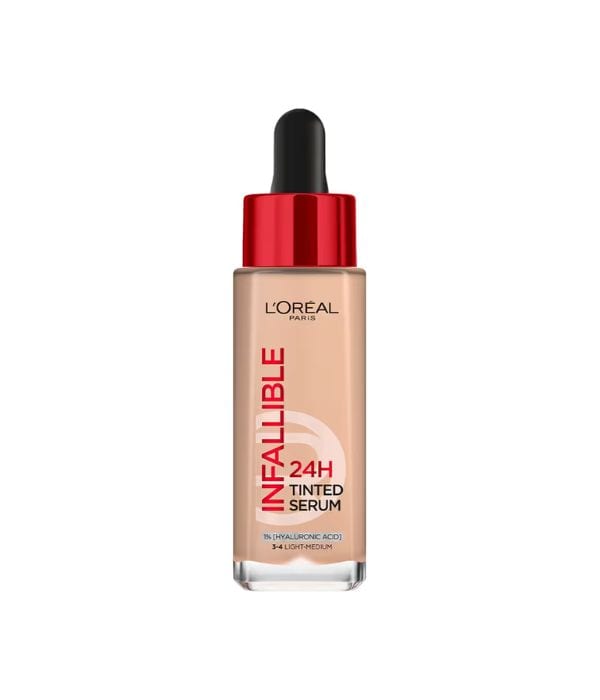
Click To Buy L'Oreal Paris Infallible 24H Tinted Serum Foundation
Photo Credit: Tira
4. Daily Life Forever52 Pro Artist Ultra Definition Liquid Foundation BUF001
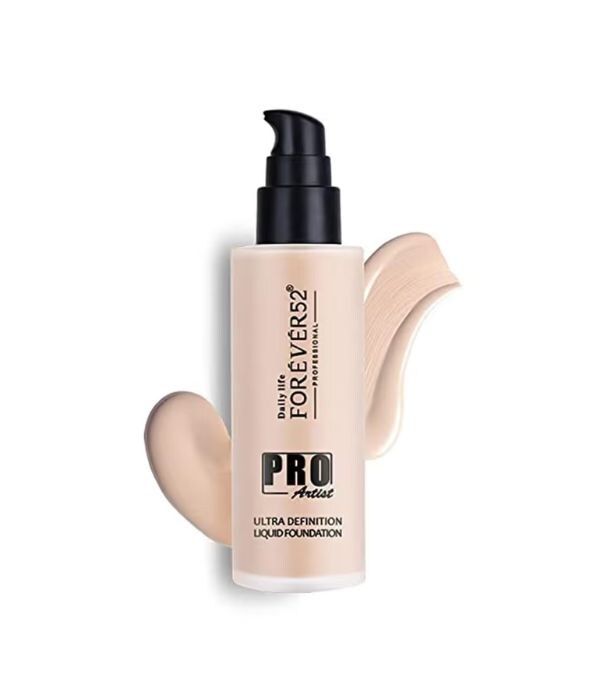
Click To Buy Daily Life Forever52 Pro Artist Ultra Definition Liquid Foundation BUF001
Photo Credit: Tira
5. Renee Pro Broadway Foundation
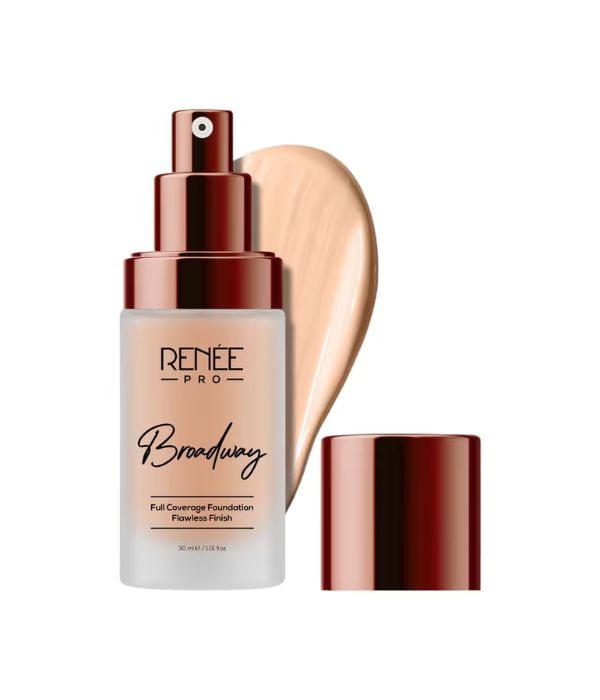
Click To Buy Renee Pro Broadway Foundation
Photo Credit: Tira
6. Akind Drop A Hint Hydrating Skin Tint SPF 30 PA+++ Dewy Skin And Sun Protection
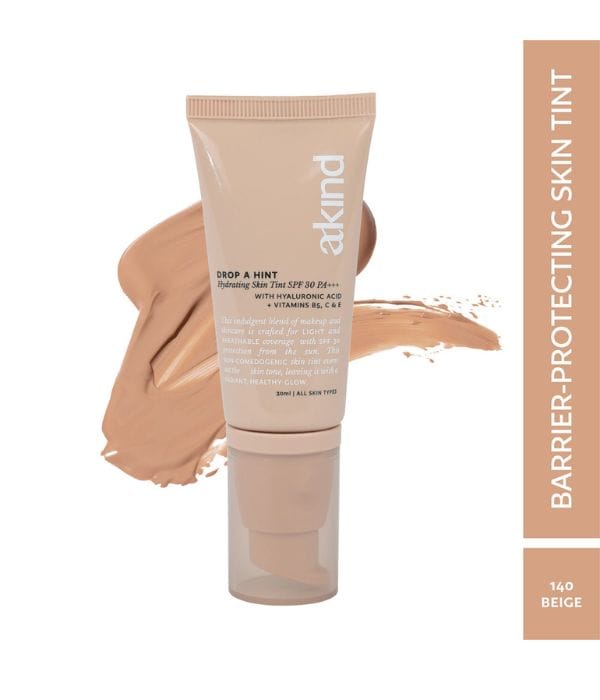
Click To Buy Akind Drop A Hint Hydrating Skin Tint SPF 30 PA+++ Dewy Skin And Sun Protection
Photo Credit: Tira
7. Colorbar Full Cover SPF 30 Make-up Stick Foundation
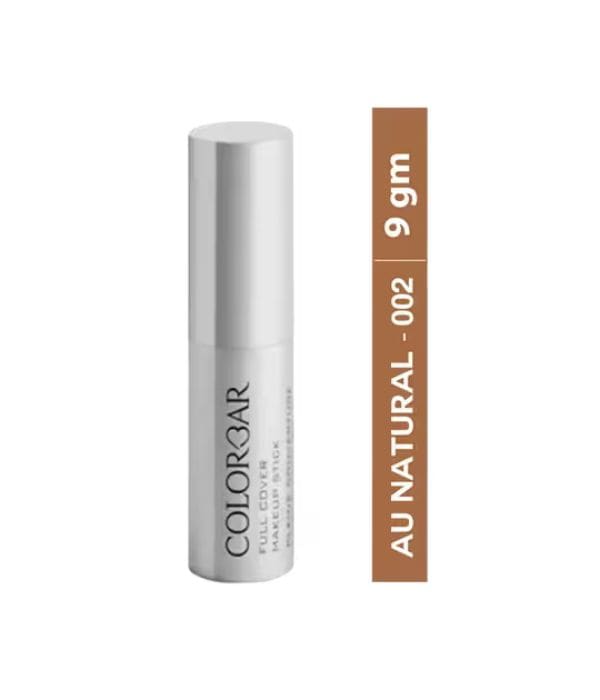
Click To Buy Colorbar Full Cover SPF 30 Make-up Stick Foundation
Photo Credit: Tira
8. CLINIQUE Even Better Makeup Foundation SPF 15
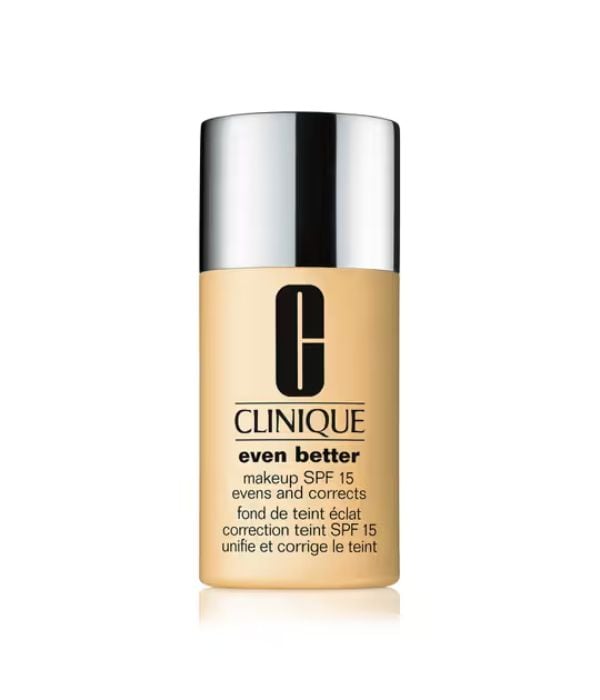
Click To Buy CLINIQUE Even Better Makeup Foundation SPF 15
Photo Credit: Tira
Frequently Asked Questions (FAQs)
1. How do I know if my foundation shade is wrong?
If your face looks noticeably different from your neck or chest in natural light, or turns grey, orange or muddy after a few hours, the shade or undertone is incorrect.
2. Why does my foundation look good initially but bad later?
This is usually due to oxidisation or oil interaction. The pigments may be reacting with oxygen, sebum or skincare underneath.
3. Can foundation cause breakouts even if it's non‑comedogenic?
Yes. “Non‑comedogenic” is not a regulated claim. Fragrance, heavy silicones or certain emulsifiers can still irritate or congest sensitive skin.
4. Should the foundation feel heavy on the skin?
No. A correctly matched foundation should feel neutral after a few minutes, neither tight nor noticeable throughout the day.
5. Is it better to choose the foundation based on skin type or finish?
Both matter, but skin behaviour comes first. Finish will always adjust to skin chemistry, while skin type dictates how the formula performs long‑term.
(Disclaimer: This article may include references to or features of products and services made available through affiliate marketing campaigns. NDTV Convergence Limited (“NDTV”) strives to maintain editorial independence while participating in such campaigns. NDTV does not assume responsibility for the performance or claims of any featured products or services.)