Why Do Some Products Cause Breakouts Even When Non-Comedogenic?
Non-comedogenic doesn’t guarantee clear skin. Breakouts can still happen due to skin type, ingredient combinations, environment, and usage habits. Understanding why helps make smarter skincare choices.
Why Do Some Products Cause Breakouts Even When Non-Comedogenic?
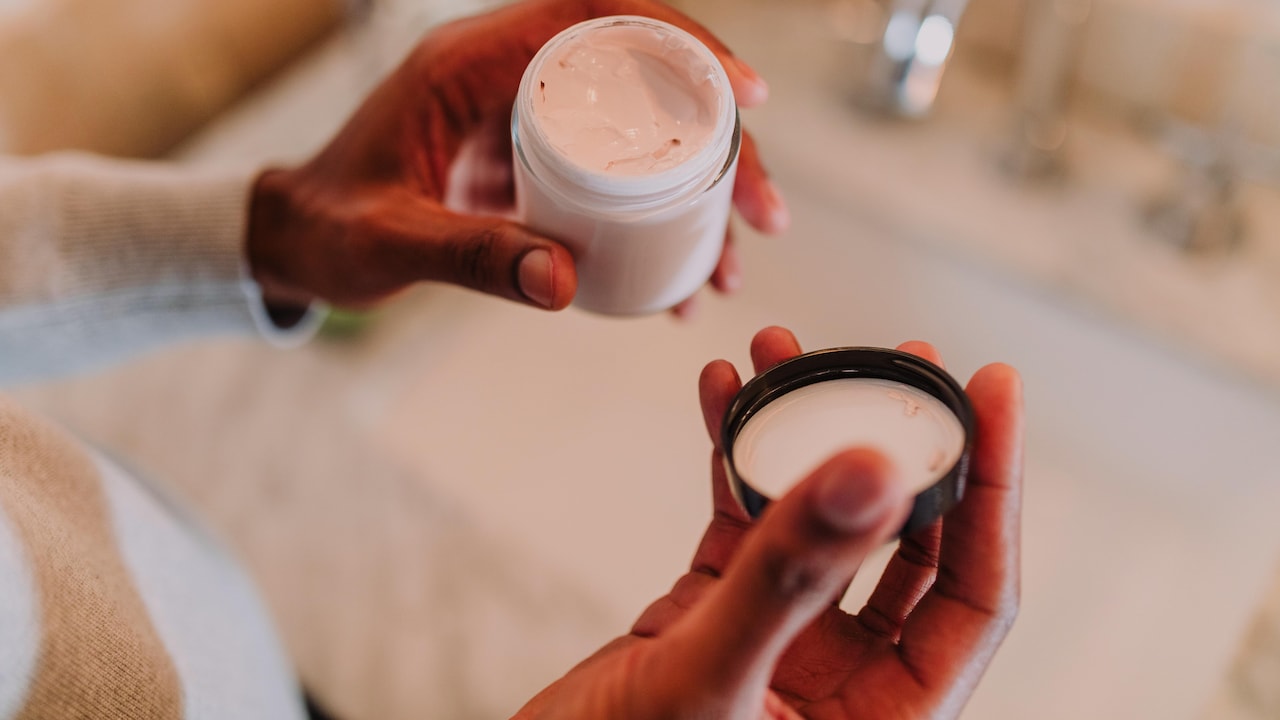
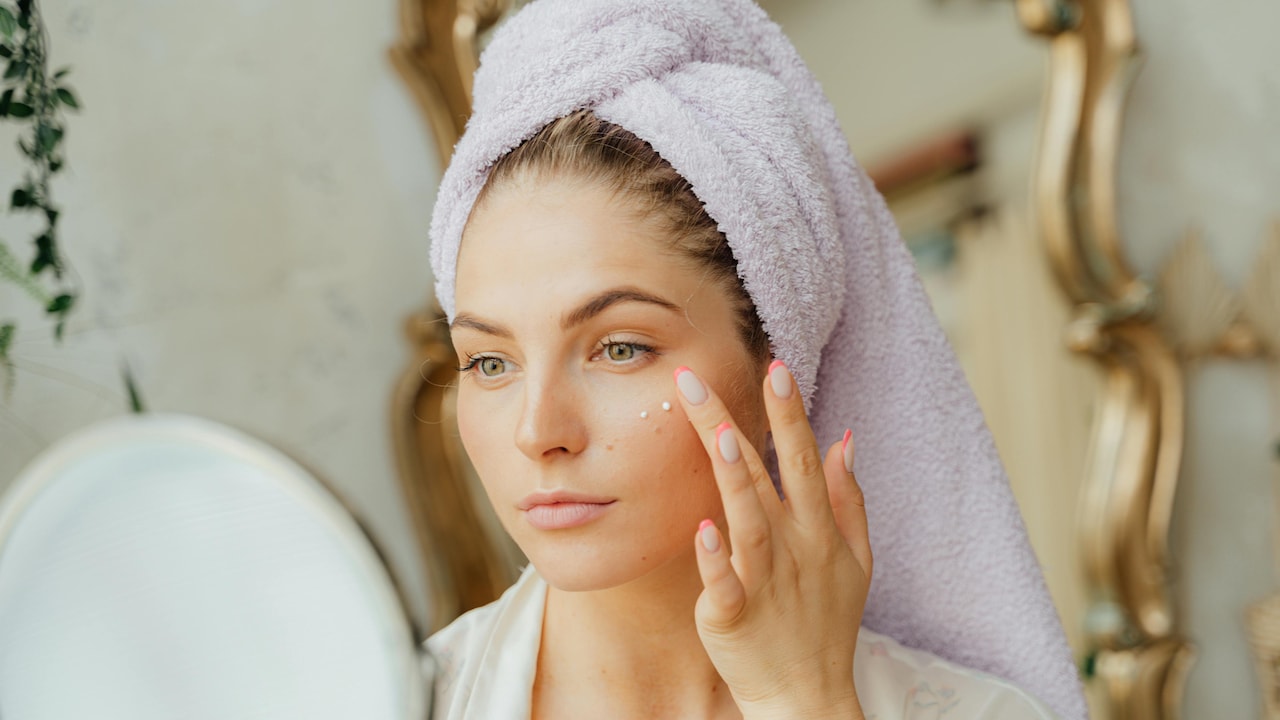
The skincare aisle can feel like a maze of promises. Bottles whisper words like gentle, dermatologist-tested, and of course, non-comedogenic. It sounds reassuring, almost like a seal of safety for acne-prone skin. But then comes the confusion: why does a product labelled as pore-friendly still lead to breakouts? Many have faced that sinking feeling. A new moisturiser goes on silky smooth, the scent feels luxurious, and within a week, tiny bumps appear along the jawline. It's frustrating, especially when the label suggests it shouldn't happen. The truth sits somewhere between science, marketing, and individual skin behaviour. Understanding this gap between expectation and reality helps take control of skincare choices. While labels guide, they don't tell the whole story. Skin, after all, has its own opinions.
Why Do Some Products Cause Breakouts Even When Non-Comedogenic?; Photo Credit: Pexels
What Really Causes Breakouts Despite Non-Comedogenic Labels
The Label Isn't Strictly Regulated
Non-comedogenic sounds official, almost medical. In reality, the term doesn't follow strict global regulation. Brands often decide what qualifies, based on their own testing methods or interpretations.
This lack of standardisation means one company's non-comedogenic formula may behave very differently from another's. A cream tested on a small group under controlled conditions may still react unpredictably on everyday skin exposed to heat, pollution, or stress.
Imagine buying a snack labelled low sugar without a clear definition of what low means. The same ambiguity exists here. The label offers a hint, not a guarantee.
This doesn't make brands dishonest, but it highlights a gap. Skincare marketing leans on trust, while skin responses depend on countless variables. So, when breakouts happen, the label alone cannot shoulder the blame or the expectation.
Skin Types React Differently
No two skins behave the same way. What feels lightweight and soothing on one person might trigger clogged pores on another. Genetics, hormones, and even diet quietly influence how skin reacts.
For example, oily skin often produces excess sebum, which can mix with product ingredients and trap debris. Dry skin, on the other hand, may react by overcompensating, leading to unexpected congestion.
Consider a friend who swears by a certain sunscreen. It works perfectly for them, yet causes breakouts for someone else. The difference doesn't lie in the product alone; it lies in how each skin type processes it.
Skin isn't just a surface; it's a dynamic system. It adapts, resists, and sometimes rebels. That's why a label designed for general use cannot account for individual quirks.
Also Read: What Does Non-Comedogenic Mean? A Guide To Choosing The Right Sunscreen For Acne-Prone Skin
Ingredient Combinations Matter More Than Individual Ones
A product may avoid known pore-clogging ingredients, yet still cause trouble because of how components interact. Formulation plays a quiet but powerful role.
Think of it like cooking. Individually, spices taste pleasant. Combine them incorrectly, and the dish feels overwhelming. Similarly, certain ingredients may become problematic when layered together or mixed with other products in a routine.
For instance, layering a heavy moisturiser over a silicone-based serum may trap oils underneath, leading to congestion. Even a non-comedogenic foundation can worsen the effect when combined with occlusive skincare.
The real story lies in synergy. Products don't exist in isolation; they interact with everything applied before and after. Breakouts often reflect this chain reaction rather than a single culprit.
Climate And Environment Play A Role
Hot, humid weather changes everything. Skin produces more sweat and oil, which alters how products sit and behave. A cream that feels breathable in cooler months may feel suffocating during peak summer.
Urban environments add another layer. Dust, pollution, and grime cling to the skin, mixing with skincare products and increasing the chance of clogged pores.
Picture a typical day: stepping out into traffic fumes, sweating through the afternoon, then reapplying sunscreen without cleansing properly. Even the best-formulated product can struggle under such conditions.
The environment acts as an invisible partner in skincare. It shapes outcomes in ways that labels cannot predict. So, what works during a hill station holiday may not translate well to a bustling city routine.
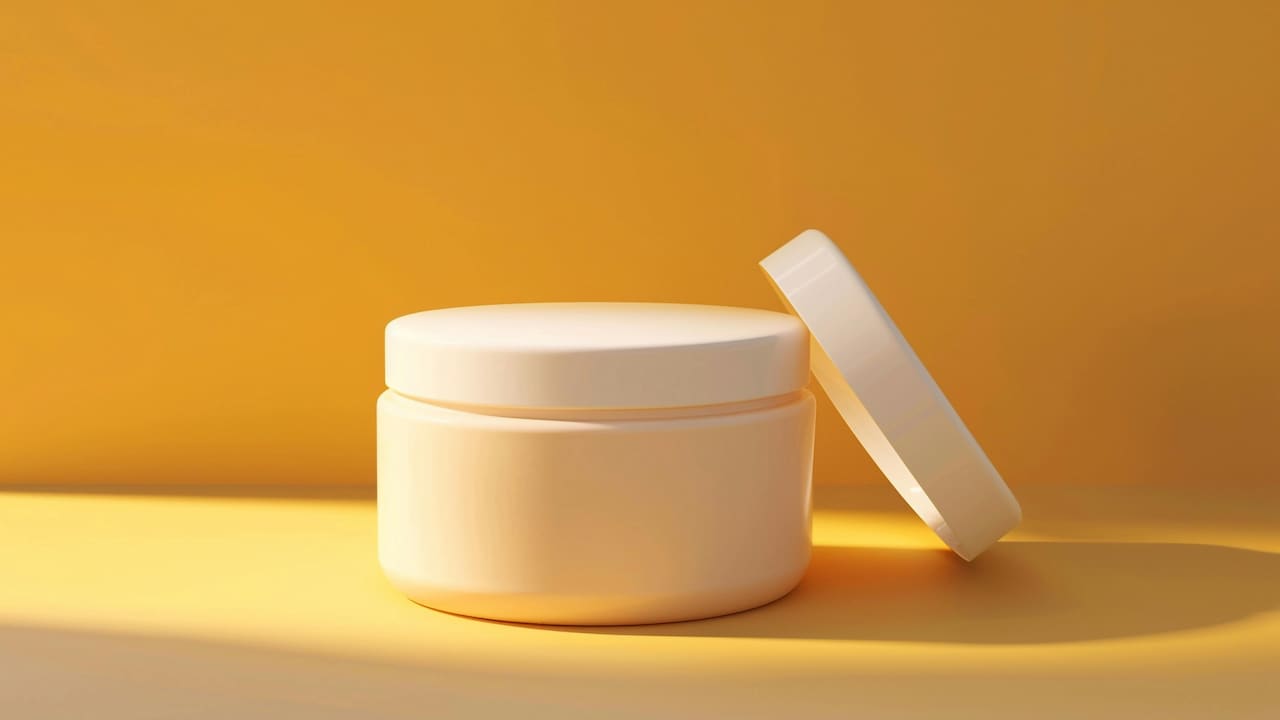
Why Do Some Products Cause Breakouts Even When Non-Comedogenic?; Photo Credit: Pexels
Overuse Can Turn Gentle Into Problematic
More doesn't always mean better. Using generous amounts of even a well-formulated product can overwhelm the skin.
Layering multiple safe products often creates a heavy barrier. This traps oil and prevents natural shedding of dead skin cells, leading to clogged pores over time.
There's a certain temptation to do more, extra serum for glow, extra moisturiser for hydration. Yet skin thrives on balance. Overloading it, even with non-comedogenic formulas, disrupts that balance.
A simple routine often outperforms a complicated one. Sometimes, the breakout isn't about what's used, but how much of it ends up on the skin.
Hidden Irritants Trigger Breakouts
Breakouts don't always stem from clogged pores. Irritation can mimic acne, creating redness, bumps, and discomfort.
Fragrances, preservatives, and even certain botanical extracts may irritate sensitive skin. The reaction leads to inflammation, which can resemble acne or worsen existing conditions.
That soothing lavender scent or herbal infusion might feel calming, yet the skin may interpret it differently. The result? Tiny, stubborn bumps that refuse to settle.
This kind of breakout often confuses people. The product claims to be gentle, yet the skin feels irritated. Understanding this distinction helps identify whether the issue lies in clogging or sensitivity.
The Skin Barrier Might Already Be Compromised
Healthy skin acts as a barrier, protecting against irritants and bacteria. When this barrier weakens, even mild products can cause issues.
Over-exfoliation, harsh cleansers, or frequent use of actives like retinol can leave skin vulnerable. In such a state, products that usually behave well may suddenly trigger breakouts.
It's similar to walking barefoot on a smooth floor versus a rough road. When the barrier weakens, even small irritants feel intense.
Repairing the skin barrier often reduces unexpected breakouts. Hydration, gentle care, and patience play a bigger role than switching products repeatedly.
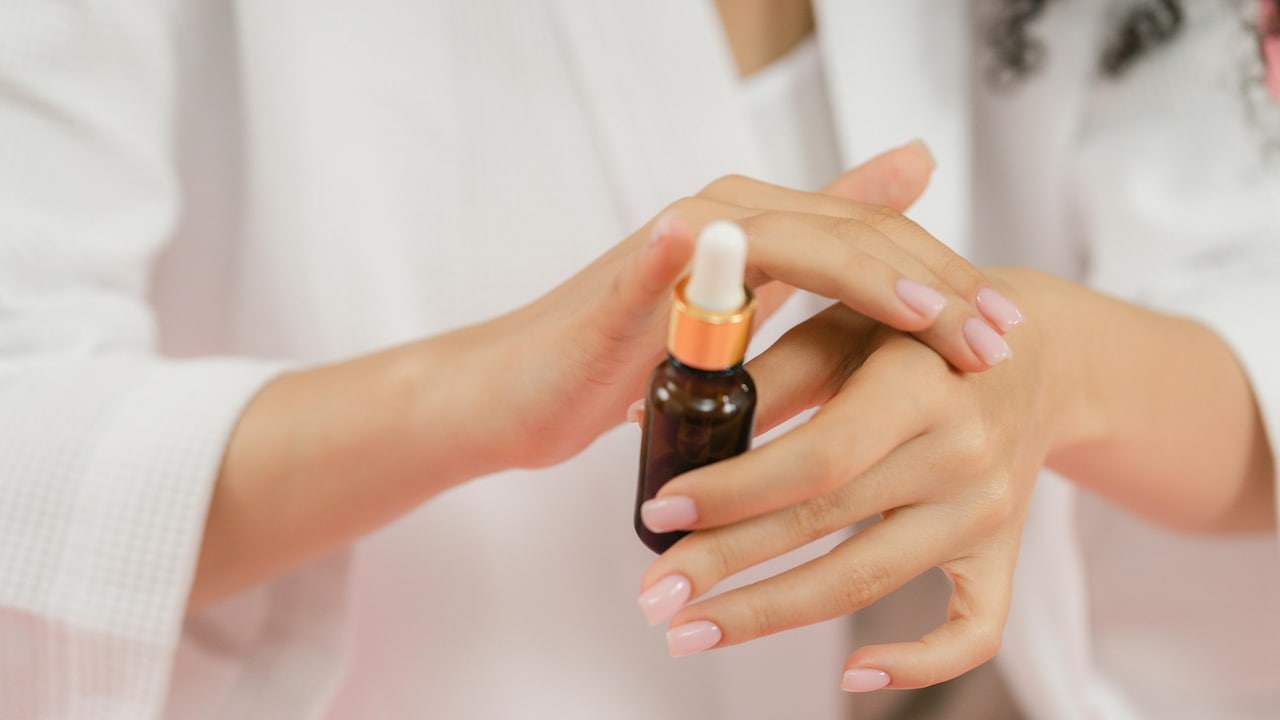
Why Do Some Products Cause Breakouts Even When Non-Comedogenic?; Photo Credit: Pexels
Hormonal Changes Influence Reactions
Hormones quietly shape skin behaviour. Monthly cycles, stress, or lifestyle changes can increase oil production and sensitivity.
During certain phases, skin becomes more reactive. A product that worked flawlessly last month might suddenly feel heavy or clog pores.
This fluctuation often leads to confusion. It's easy to blame the product, but the underlying cause may lie within the body.
Understanding this rhythm helps manage expectations. Skincare doesn't exist in isolation; it mirrors internal changes as much as external ones.
Non-Comedogenic Doesn't Mean Acne-Proof
The term focuses specifically on pore-clogging potential. It doesn't account for bacterial growth, inflammation, or other acne triggers.
Acne is complex. It involves oil production, bacteria, hormonal shifts, and immune responses. A product may avoid clogging pores but still influence other factors that contribute to breakouts.
For example, a moisturiser may feel light yet create an environment where acne-causing bacteria thrive. The label doesn't cover this aspect.
This distinction matters. It shifts expectations from absolute prevention to informed selection. Products help manage skin, not control every variable.
Patch Testing Often Gets Ignored
In the rush to try new products, patch testing rarely gets the attention it deserves. Yet it remains one of the simplest ways to prevent widespread breakouts.
Applying a small amount on a less visible area helps observe reactions before committing to full use. It's a small step, but it saves time, money, and frustration.
Skipping this step often leads to regret. A full-face application reveals problems too late, turning excitement into damage control.
Patience may not feel glamorous, but it pays off. Skin appreciates slow introductions far more than sudden changes.
Products Related To This Article
1. Deconstruct Oil-Free Moisturizer
2. Emolene - Moisturizing Cream, Hydronourish Dry Skin
3. Minimalist Dark Spots Removal Serum with 2% Alpha Arbutin for Hyperpigmentation
4. CeraVe Moisturizers, Moisturizing Cream For Dry To Very Dry Skin
5. Dot & Key Barrier Repair Moisturizer For Normal, Dry, Combination & Sensitive Skin
The promise of non-comedogenic feels comforting, but it doesn't tell the whole story. Skin is complex, shaped by environment, lifestyle, and internal rhythms. Products interact with this system in ways that labels cannot fully predict.
Breakouts don't always signal a bad product. Sometimes, they reflect mismatched routines, changing conditions, or simple overuse. Understanding these nuances helps shift the approach from blind trust to mindful selection.
Clear skin rarely comes from chasing perfect labels. It grows from listening to how skin responds, adjusting gently, and keeping routines realistic. Because in the end, skincare isn't about finding flawless products, it's about finding what works, consistently and quietly, over time.
(Disclaimer: This article may include references to or features of products and services made available through affiliate marketing campaigns. NDTV Convergence Limited (“NDTV”) strives to maintain editorial independence while participating in such campaigns. NDTV does not assume responsibility for the performance or claims of any featured products or services.)