Spring Skin Slump: Why Your Skin Feels Dry Even After Winter And What To Do About It
Still dealing with dry, tight skin even after winter? Discover why post-winter or early-spring dryness occurs and the best ways to restore soft, healthy skin.

Your skin takes longer to recover from winter than the weather does.
You'd think that the moment winter bows out, your skin would rejoice and glow like a blooming spring flower. The season of spring arrives with warmer afternoons, sunnier mornings, and the promise of fresher, dewier days. And yet, when you look in the mirror in late February or March, the reflection tells a different story. Your cheeks feel tight, your forehead looks oddly dull, and your moisturiser seems to be evaporating into thin air.

Spring dryness isn't dehydration alone, it's barrier fatigue.
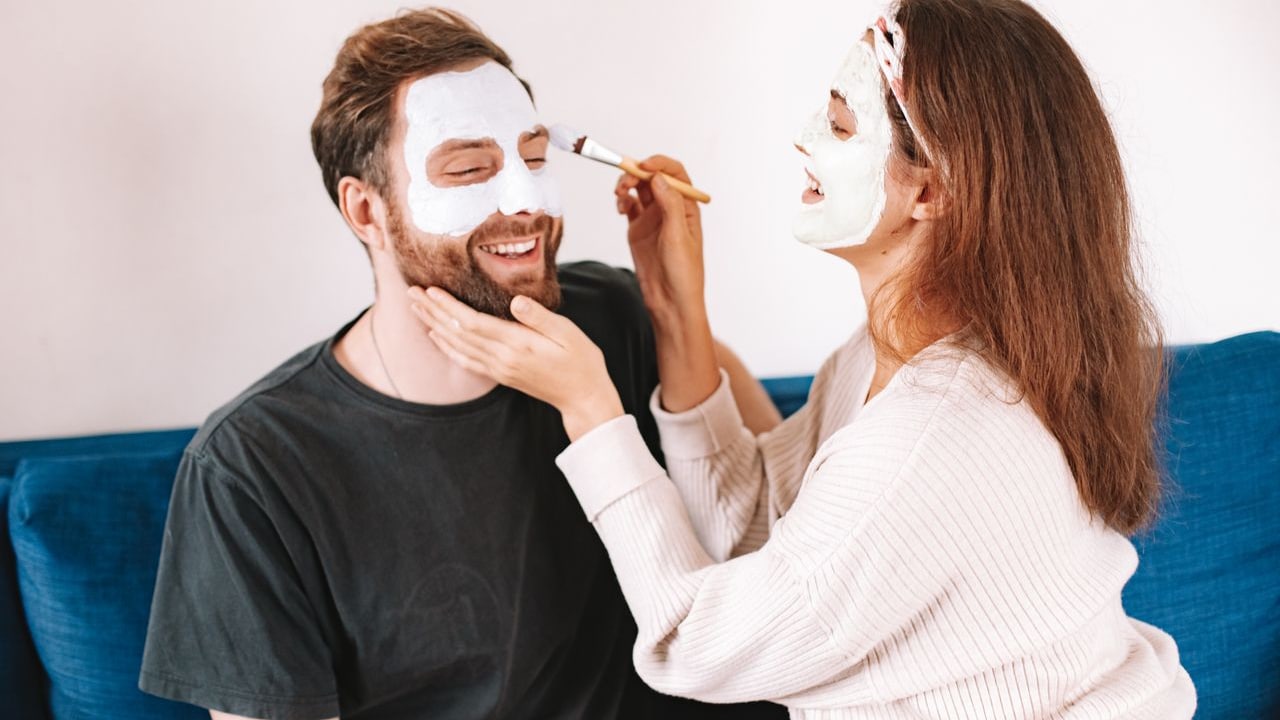
Photo Credit: Pexels
If that sounds like something you're experiencing as you read this, welcome to the "spring skin slump", that frustrating in‑between phase when winter is technically over, but your skin hasn't quite got the memo yet. It's not just you. Most people (including me) experience lingering dryness well into early spring, especially in climates with erratic temperatures and dry, polluted air. The skin is still recovering from months of cold winds, low humidity, heaters, and long hot showers, and it doesn't regenerate as quickly as the weather shifts.
Also Read: How To Stop Makeup Separation: Fix Skincare Prep Errors For A Flawless Foundation
But here's the reassuring part: that stubborn dryness is both normal and manageable. You don't need an elaborate regime or a dozen new products. What you need is to understand what's going on beneath the surface, and how to help your skin bounce back.
Why Your Skin Is Still Dry, Even Though Winter Is Over
The transition from winter to spring isn't a dramatic "switch". Temperature rises, yes, but humidity doesn't magically return overnight. Throughout winter, your skin barrier, the natural protective layer that keeps moisture in, becomes weakened. Central heating, hot baths, cold winds, and dry indoor air slowly strip away the oils that keep your skin soft and supple.
So when spring arrives, your skin is essentially operating on an overdraft: depleted, overworked, and still trying to rebuild itself. And because early spring still brings chilly mornings, sudden drops in temperature, and inconsistent humidity, your skin continues losing moisture faster than it can replenish it.
Another factor? Pollution. Urban air pollution dehydrates the skin throughout the year, and during seasonal transitions, your skin becomes even more sensitive to pollutants. The result: dryness, dullness, and an overall feeling of tight, uncomfortable skin.
And then, there's the common mistake nearly everyone makes, switching prematurely to their "summer skincare". Gel-based moisturisers and cleansers that feel refreshing in May are far too light for February or March. Your skin is still craving the comfort and nourishment of winter formulations, just without the suffocating heaviness.
What This Spring Dryness Usually Feels Like
Your skin needs layers of hydration, not layers of products.
Photo Credit: Pexels
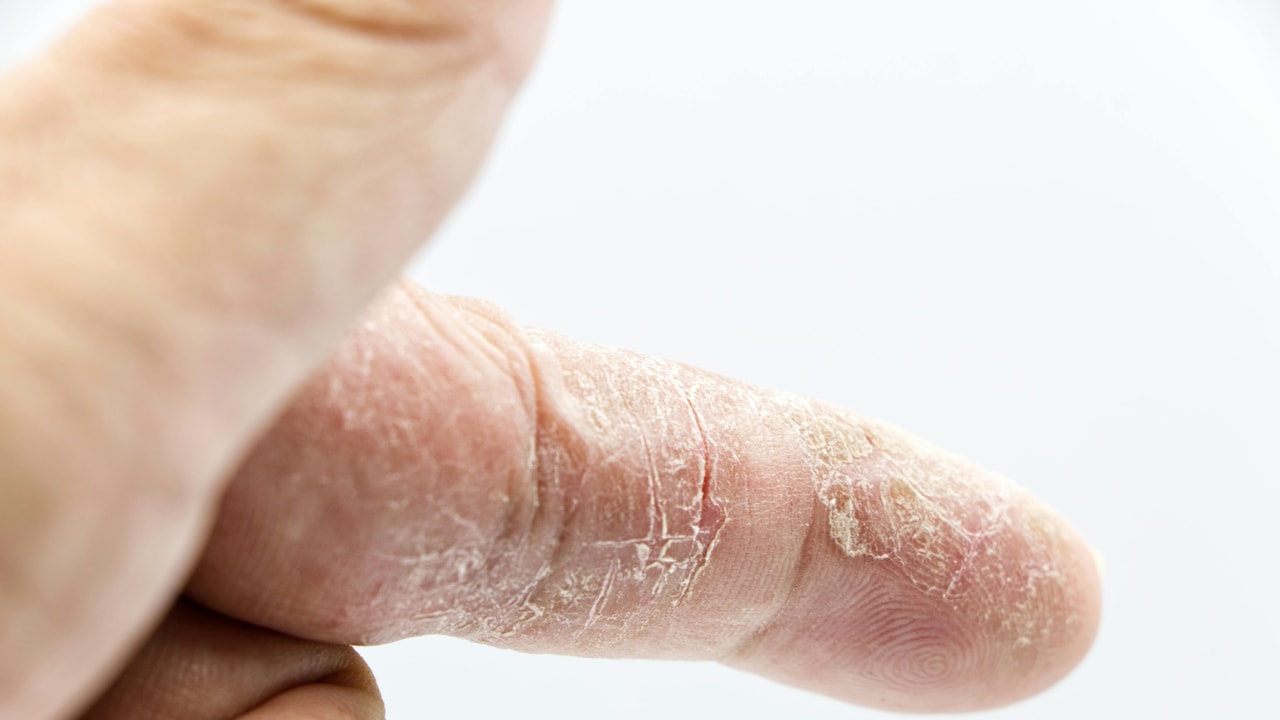
If you find your face feeling stretched right after cleansing, if makeup refuses to sit evenly, or if your skin looks flat despite drinking enough water, you're right in the middle of the spring skin slump. Many people also feel roughness around the nose, chin, and forehead, classic signs that your skin barrier is still recovering. Some even experience itchiness on arms and legs, a reminder that body skin suffers just as much as facial skin during this period.
The trick is not to panic, not to scrub, and definitely not to switch to harsh exfoliants, thinking you need a "deep clean". What you truly need is repair, moisture, and consistency.
What You Should Actually Do About It
The goal for early spring isn't to overhaul your skincare, but to gently guide your skin back to balance. Think of it as rehabilitation, not reinvention.
1. Start with the right cleanser
- Avoid heavily foaming cleansers or anything claiming to give a "squeaky clean" finish, they strip natural oils.
- Choose a cream‑based or low‑foam hydrating cleanser.
- It cleans effectively without worsening dryness.
2. Layer your hydration (don't rely on one thick cream)
- Begin with a hydrating serum containing hyaluronic acid or glycerin to draw moisture into the skin.
- Follow it with a moisturiser rich in ceramides, peptides, or squalane to strengthen the barrier.
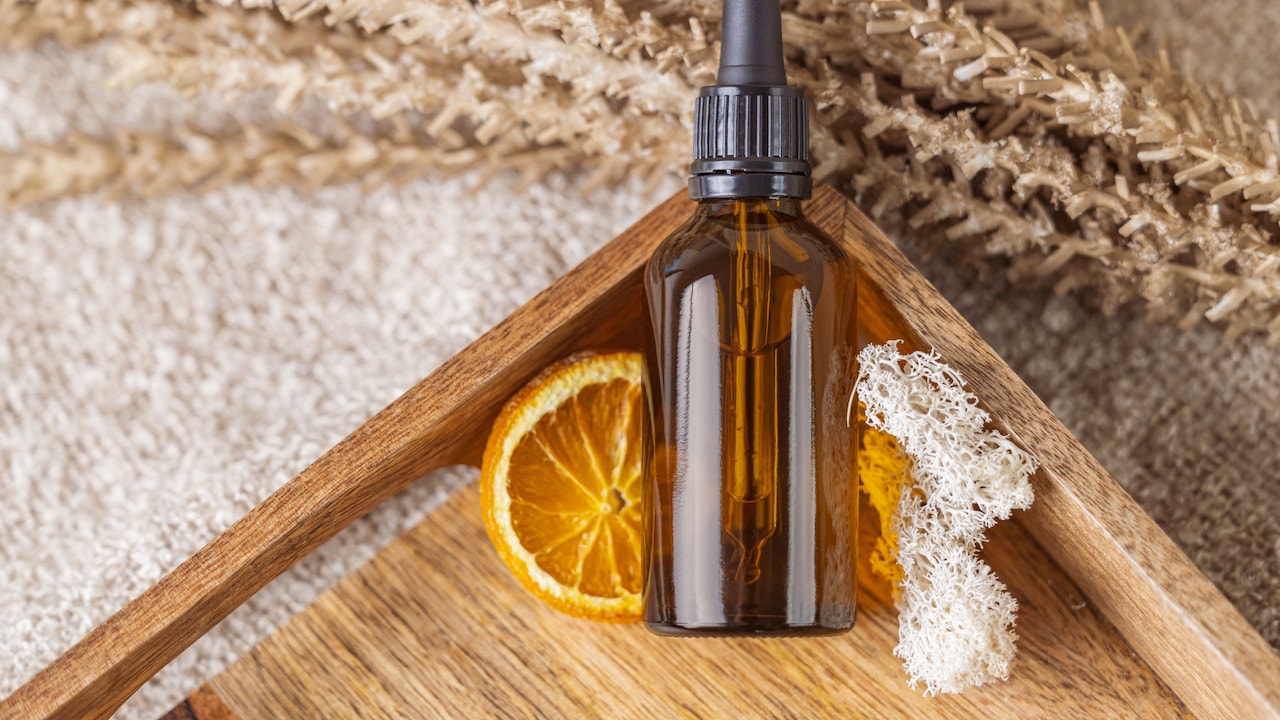
- If your skin feels extra dry at night, add a few drops of a light facial oil or switch to a richer night cream.
3. Exfoliate gently and sparingly
- Resist the urge to scrub away the dryness.
- Once‑a‑week exfoliation is more than enough.
- Choose mild options like lactic acid; avoid strong peels or gritty scrubs until your skin settles.
4. Fix your shower routine
- Hot showers are one of the biggest culprits behind moisture loss.
- Switch to lukewarm water to avoid stripping your skin.
- Apply moisturiser within minutes of stepping out of the shower.
- Use thick lotions or nourishing body oils to lock hydration in.
5. Add moisture to your environment
- Use a humidifier to maintain healthy moisture levels in the air.
- No humidifier? Even a bowl of water near your bed helps reduce dryness overnight.
- This small change can noticeably improve your skin in a few days.
6. Don't skip sunscreen
- Spring sunshine isn't as gentle as it looks, UV exposure worsens dryness and dullness.
- A hydrating SPF protects the skin barrier while shielding you from early spring sun.
When To Look Deeper
Most spring dryness resolves within a few weeks of making these small adjustments. But if you notice persistent redness, burning, rashes, or patches that refuse to heal, it may be something more than seasonal dryness, possibly eczema, dermatitis, or an underlying sensitivity that requires a dermatologist's attention.
The Takeaway
Seasonal changes are tough on the skin, and the shift from winter to spring is particularly tricky. The dryness you're experiencing is not a flaw, not bad skincare, and not dehydration alone, it's simply your skin taking its time to recover from months of harsh conditions.
With the right care, a gentler cleanser from Cetaphil, smart hydration from Laniege, lukewarm showers, humidified air, and consistent SPF, your skin can easily escape the spring skin slump. Give it a little patience, a touch of nourishment from Myntra's elaborated portfolio of daily and luxury skin care brands, and by the time spring fully blooms, your skin will too.
Top Products To Use To Beat Spring Skin Slump
1. Simple Kind To Skin Refreshing Facial Wash
2. Cetaphil Gentle Skin Cleanser With And Pro-Vitamin B5 And B3
3. MCaffeine Set Of 2 Berries Brightening Coffee Face Scrub
4. Aqualogica IIIuminate+ Hydra Gel Moisturizer
5. Foxtale Intense Hydrating Gel Moisturiser With Hyaluronic Acid
6. Hyphen All I Need Sunscreen SPF50 PA++++ In-Vivo Tested Moisturising Sunscreen
7. MCaffeine By the Blues Brightening Perfume Body Lotion 5% Niacinamide
8. Lakme 9-To-5 Peptide Lip IV Hydrating Lip Balm 10g (Bare Minimum Hydration)
Frequently Asked Questions (FAQs)
1. Why does my skin stay dry even after winter ends?
Because the humidity doesn't return immediately. Your skin barrier is still recovering from winter's low moisture, heaters, and hot showers.
2. Is dryness in early spring normal?
Completely. Transitional weather often triggers dryness, dullness, and sensitivity. Many people experience a “spring skin slump.”
3. Should I change my skincare routine when spring starts?
Gradually, yes, but not too quickly. Keep using hydrating cleansers, nourishing moisturisers, and barrier‑repair products before
switching to lighter formulas.
4. Does pollution make spring dryness worse?
Absolutely. Pollutants weaken the skin barrier and accelerate moisture loss, making dryness more noticeable during seasonal shifts.
5. How long does post‑winter dryness last?
With the right care, it usually improves within 2 to 4 weeks. Persistent redness or itching may need dermatologist attention.
(Disclaimer: This article may include references to or features of products and services made available through affiliate marketing campaigns. NDTV Convergence Limited (“NDTV”) strives to maintain editorial independence while participating in such campaigns. NDTV does not assume responsibility for the performance or claims of any featured products or services.)