Why Your Razor Causes Bumps And How To Avoid Them
Razor bumps often come from simple shaving mistakes like dull blades, poor prep, or wrong technique. Learn what causes them and how small changes can keep your skin smooth and irritation-free.
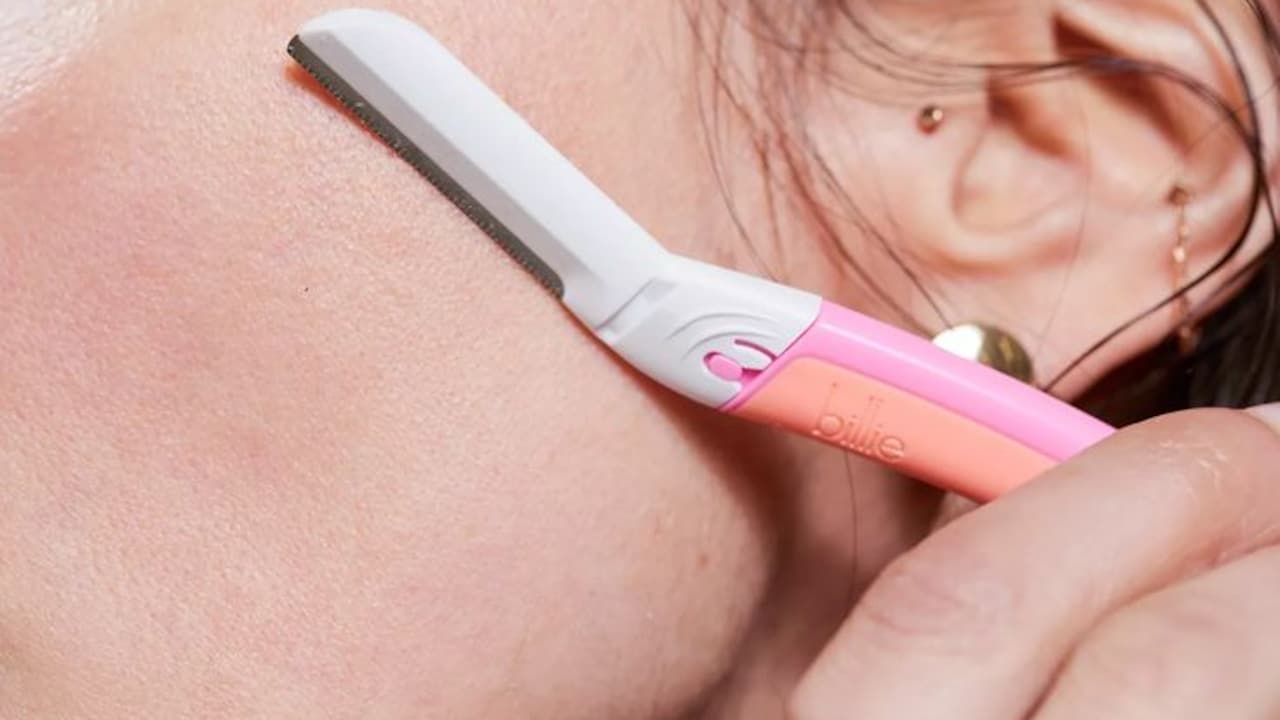
Why Your Razor Causes Bumps And How To Avoid Them
A fresh shave often promises a clean, confident start to the day. Yet, for many, that promise fades into irritation, redness, and those stubborn razor bumps that seem to arrive uninvited. The mirror reflects not smooth skin but tiny, inflamed spots that itch, sting, and refuse to settle down. Razor bumps do not simply appear out of nowhere. They form because of everyday habits, some so routine that they barely get a second thought. A hurried shave before catching a train, a blade used a few too many times, or skipping proper preparation can all play a part. The good news is that smoother skin does not demand expensive products or complicated routines. It calls for awareness, a few mindful changes, and a bit of patience. Understanding why razor bumps occur is the first step towards preventing them. The next step lies in transforming shaving from a rushed chore into a thoughtful ritual that actually respects the skin.

Why Your Razor Causes Bumps And How To Avoid Them; Photo Credit: Pexels
Common Causes Of Razor Bumps And How To Fix Them
1. Using A Dull Blade
A blade past its prime does more harm than good. Instead of slicing hair cleanly, it drags and tugs, creating tiny tears on the skin's surface. These micro-injuries often become inflamed, leading to razor bumps that linger longer than expected.
Many people stretch the life of a razor to save money. A blade that costs ₹100 may feel worth using for weeks, but the cost shows up on the skin. A dull razor forces multiple passes over the same area, increasing friction and irritation.
A sharp blade, on the other hand, glides smoothly and cuts hair cleanly in one go. It reduces the need for repeated strokes and keeps the skin calm. Replacing blades regularly might feel like an extra expense, but it saves discomfort and time spent dealing with irritation.
A simple rule works well: if the razor pulls instead of gliding, it needs replacing. Smooth skin begins with a sharp start.
2. Skipping Proper Preparation
Jumping straight into shaving without preparing the skin is like ironing a wrinkled shirt without steam; it simply does not work well. Dry hair is tougher to cut, and dry skin is more prone to irritation.
Warm water softens hair and opens pores, making shaving easier and gentler. A quick rinse with warm water or a shower before shaving makes a noticeable difference. Adding a quality shaving cream or gel further reduces friction and allows the blade to glide effortlessly.
Skipping this step often leads to uneven shaving and increased pressure on the blade. That pressure causes cuts, irritation, and eventually, bumps.
Even on busy mornings, taking two extra minutes for preparation changes the entire experience. Think of it as setting the stage; when the skin feels ready, the razor behaves better.
Also Read: Top 5 Epilators That Remove Hair From the Root and Save You Salon Trips
3. Shaving Against The Grain
Shaving against the direction of hair growth might seem like a shortcut to a closer shave, but it often leads to trouble. When hair gets cut too close, it curls back into the skin instead of growing outward. This ingrown hair becomes the root cause of razor bumps.
Many people chase that ultra-smooth finish, especially before an important event or meeting. The temptation to go against the grain feels strong. However, the immediate smoothness often comes with delayed irritation.
Shaving in the direction of hair growth reduces the risk of hair getting trapped beneath the skin. While the result may not feel as close, it keeps the skin healthier and calmer over time.
A better approach involves patience, multiple gentle passes in the direction of growth rather than one aggressive stroke against it. Smoothness should not come at the cost of comfort.
4. Applying Too Much Pressure
Pressing the razor harder does not lead to a better shave. It leads to damaged skin. The blade is designed to cut hair with minimal force, yet many people instinctively push harder, especially when hair feels stubborn.
This pressure scrapes away the top layer of skin, leaving it exposed and vulnerable. The result often includes redness, burning sensations, and those familiar bumps.
A light touch works best. Let the razor do its job without forcing it. Holding the razor at the correct angle and allowing it to glide naturally creates a smoother and safer shave.
Think of shaving like writing with a pen; pressing too hard only tears the paper. A gentle hand makes all the difference.
Why Your Razor Causes Bumps And How To Avoid Them; Photo Credit: Pexels
5. Not Cleaning The Razor Properly
A razor that is not cleaned properly becomes a breeding ground for bacteria. Each shave leaves behind hair, dead skin, and shaving cream residue. Without proper cleaning, these elements build up and transfer back onto the skin during the next shave.
This bacteria can clog pores and irritate freshly shaved skin, leading to inflammation and bumps. The issue becomes worse when the razor is stored in a damp environment, such as a bathroom shelf.
Rinsing the blade thoroughly after each use removes debris and keeps it hygienic. Allowing it to dry completely prevents bacterial growth. Occasionally, disinfecting the razor with alcohol adds an extra layer of protection.
A clean razor ensures that each shave begins fresh, not with leftover problems from the previous one.
6. Over-Shaving The Same Area
Going over the same patch of skin repeatedly might seem like a way to achieve perfection, but it often leads to irritation. Each pass removes more than just hair; it also strips away protective layers of skin.
This repeated action causes redness, sensitivity, and increases the chances of ingrown hairs. It becomes a cycle where the more one tries to fix uneven spots, the worse the skin reacts.
A better approach involves slow, deliberate strokes and rinsing the blade frequently. If a patch does not feel smooth after one pass, reapply shaving cream before going over it again.
Patience plays a key role here. Skin responds better to careful attention than aggressive correction. Less truly becomes more in this case.
7. Using Harsh Products
Not all shaving products suit every skin type. Some contain strong fragrances or chemicals that irritate sensitive skin. While they may smell appealing or create a rich lather, they can trigger reactions that lead to bumps and redness.
Skin often gives subtle signals, such as tightness, dryness, or a slight sting. Ignoring these signs leads to bigger issues later. Choosing products with soothing ingredients like aloe vera or chamomile helps maintain balance.
A simple switch in shaving cream or aftershave can transform the entire experience. Spending ₹200 more on a gentle product often saves the discomfort of dealing with irritated skin for days.
The goal is not just a smooth shave but also a calm, happy surface that feels comfortable throughout the day.

Why Your Razor Causes Bumps And How To Avoid Them; Photo Credit: Pexels
8. Ignoring Exfoliation
Dead skin cells can trap hair beneath the surface, leading to ingrown hairs and bumps. Without regular exfoliation, these cells build up and create a barrier that prevents hair from growing outward.
Exfoliating removes this layer and allows hair to emerge naturally. It also smoothens the skin, making shaving easier and more effective.
This does not require harsh scrubbing. Gentle exfoliation once or twice a week using a mild scrub or chemical exfoliant works well. Overdoing it can irritate the skin, so balance remains important.
Think of exfoliation as clearing a path. When the path is clear, hair grows freely, and the razor glides without resistance.
9. Shaving Too Frequently
Daily shaving might feel necessary, especially for maintaining a polished look. However, skin needs time to recover. Constant shaving irritates the surface and increases sensitivity, making bumps more likely.
Hair that is too short can also curl back into the skin more easily, leading to ingrown hairs. Giving the skin a day or two between shaves allows it to heal and reduces irritation.
For those who prefer a consistently clean appearance, using an electric trimmer occasionally can help. It maintains neatness without stressing the skin.
Finding the right balance between grooming and skin care ensures long-term comfort rather than short-term perfection.
10. Neglecting Aftercare
The shave does not end when the razor is set aside. What follows matters just as much. Freshly shaved skin is sensitive and needs care to recover.
Skipping aftercare leaves pores open and vulnerable to bacteria. Applying a soothing aftershave or moisturiser helps calm the skin and reduce inflammation. Products with alcohol may feel refreshing, but can dry out the skin and worsen irritation.
Hydration plays a key role. Well-moisturised skin heals faster and resists bumps more effectively. A light, non-greasy moisturiser works well for daily use.
Aftercare is like the final note of a song; it completes the experience. Without it, the routine feels unfinished, and the skin pays the price.
Products Related To This Article
1. Bombay Shaving Company Flexi Smooth Stud Razor
2. Carmesi Reusable Face Razor for Women's Facial Hair
3. Letsshave Evior 3 Sensitive Shaving Razor Value Set
4. PARKER Safety Razor Men Variant Adjustable Double Edge Safety Razor
5. Kai Veitnam Can-Bubble Face Razor for Women
Razor bumps may seem like a minor inconvenience, but they often reflect deeper habits within a grooming routine. Small actions, using a dull blade, rushing through preparation, or ignoring aftercare, add up over time and show on the skin.
Smooth, irritation-free shaving does not require dramatic changes. It grows from simple, consistent practices that respect the skin's needs. A sharper blade, a gentler touch, and a little patience can transform the entire experience.
The next time the razor comes out, the focus should shift from speed to care. A few extra minutes spent thoughtfully can prevent days of discomfort. In the end, good grooming is not just about appearance; it is about feeling comfortable in one's own skin.
(Disclaimer: This article may include references to or features of products and services made available through affiliate marketing campaigns. NDTV Convergence Limited (“NDTV”) strives to maintain editorial independence while participating in such campaigns. NDTV does not assume responsibility for the performance or claims of any featured products or services.)