The Science Of Fragrance Layering: How To Make Your Favourite Scents Last All Day
Make your fragrance last from morning to night with smart layering. Discover how combining scents, prepping skin, and choosing the right products can turn any perfume into a long-lasting signature.
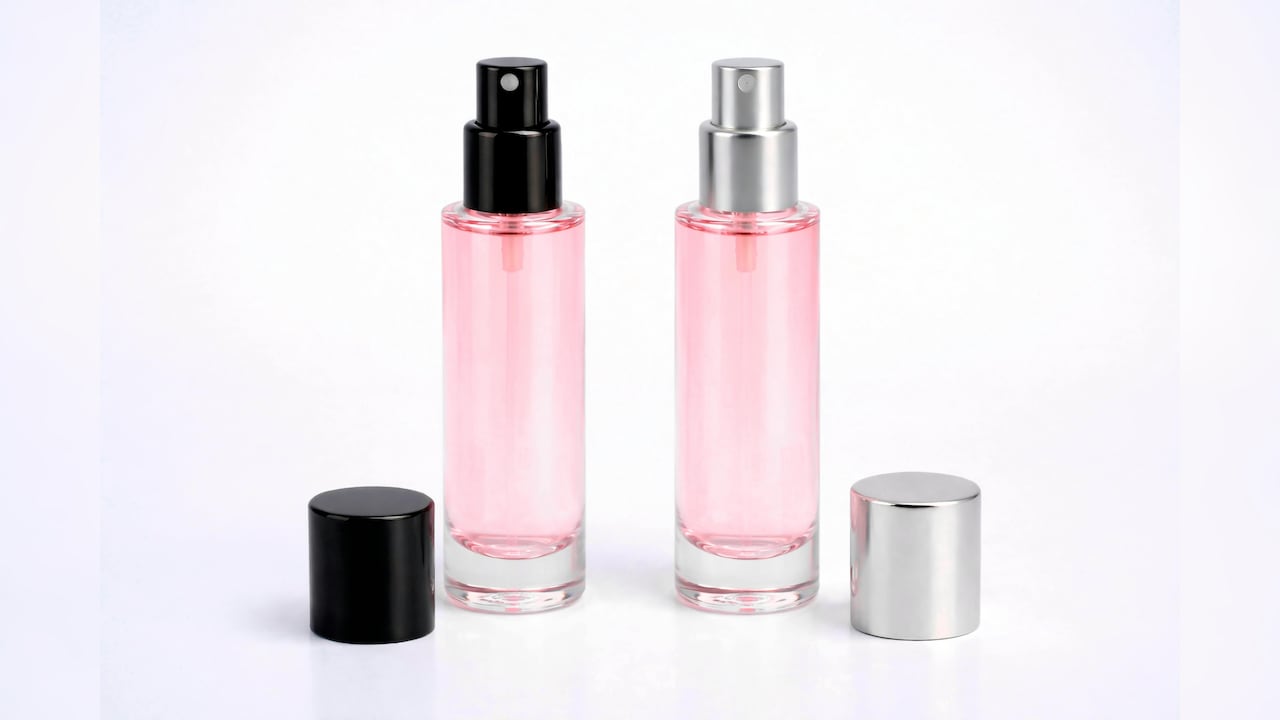
How To Layer Fragrances For Long-Lasting Scent: Expert Tips That Work
A good fragrance does more than smell pleasant. It becomes part of a person's presence, quietly announcing arrival and gently lingering after departure. Yet, many have faced that disappointing moment when a favourite perfume disappears within hours, leaving behind only a faint trace.
The answer lies not in buying stronger or more expensive perfumes, but in understanding the art and science of layering. Fragrance layering involves combining complementary scents and products in a thoughtful way so that they last longer and evolve beautifully throughout the day.
This approach does not demand a luxury budget or shelves filled with international brands priced at ₹10,000 and beyond. With a little knowledge and a touch of creativity, even a modest collection can produce results that feel refined and long-lasting. The process turns daily grooming into a small ritual, something to look forward to rather than rush through.
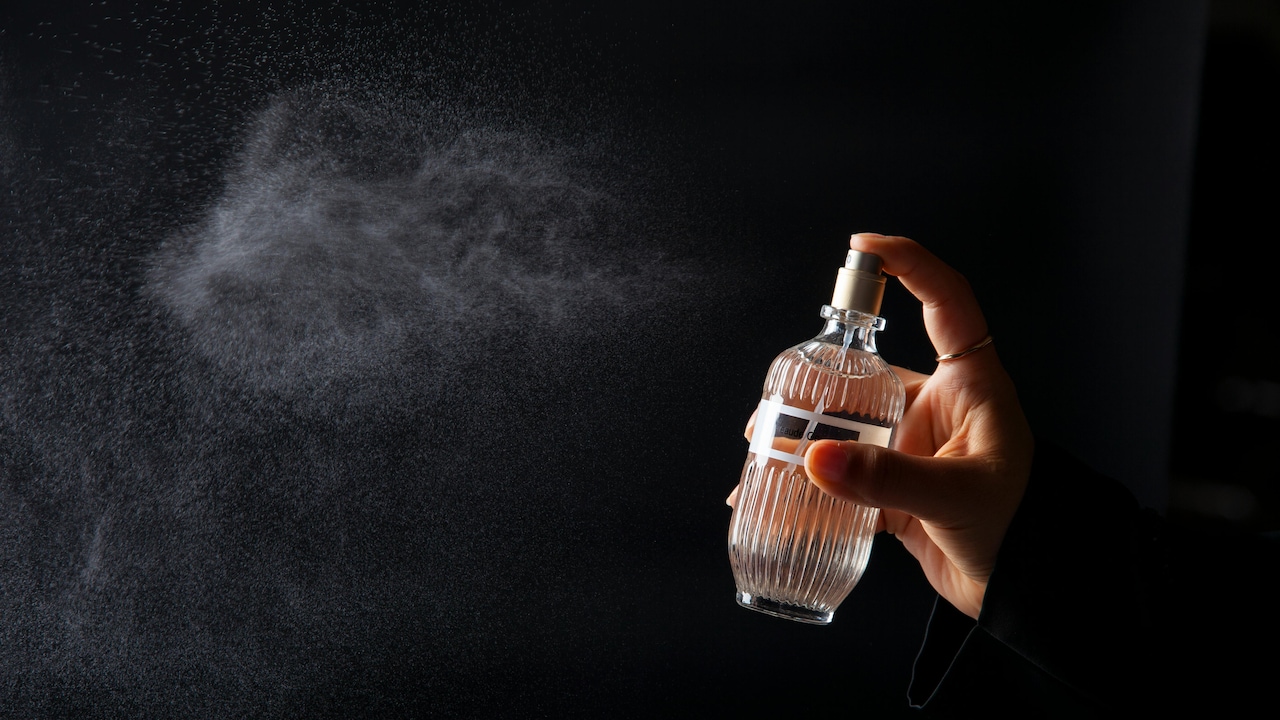
How To Layer Fragrances For Long-Lasting Scent: Expert Tips That Work; Photo Credit: Pexels
Mastering The Art Of Fragrance Layering For All-Day Impact
Understanding The Structure Of Fragrance
Every fragrance tells a story in three acts: top notes, middle notes, and base notes. These layers unfold over time, much like a song that reveals new instruments as it progresses. Top notes greet the senses first. They feel fresh and bright but fade quickly. Think citrus bursts or light florals that lift the mood instantly.
The middle notes form the heart of the fragrance. They last longer and carry the main character of the scent. Rose, jasmine, or spices often take centre stage here. Finally, base notes settle in, grounding the fragrance. Woods, musk, vanilla, and amber create depth and longevity.
When layering fragrances, this structure becomes essential. A mismatch can feel chaotic, like mixing too many spices in a curry. However, when chosen wisely, these notes complement each other and enhance staying power. A citrus top layered over a woody base, for instance, creates both freshness and endurance.
Understanding this structure allows for smarter choices. Instead of guessing, one begins to predict how a scent will behave throughout the day, making layering feel less like experimentation and more like a craft.
Why Skin Preparation Matters More Than You Think
Fragrance does not exist in isolation. It interacts with skin, and that interaction determines how long it lasts. Dry skin tends to absorb fragrance quickly, causing it to fade faster. Well-moisturised skin, on the other hand, holds onto scent molecules for longer.
This is where preparation plays a crucial role. Applying an unscented or lightly scented moisturiser before perfume creates a smooth surface for the fragrance to cling to. It acts almost like a primer, much like what one would use before applying makeup.
Natural oils also work wonders. A small dab of coconut oil or almond oil on pulse points can extend the life of a perfume significantly. The oil traps the fragrance, allowing it to release slowly over time.
Even daily habits matter. Hydration, diet, and climate influence how skin reacts to fragrance. In humid weather, scents may feel stronger but fade unevenly. During cooler months, they might last longer but feel subdued. Adjusting layering techniques based on these conditions ensures consistency.
Also Read: Top 5 Long-Lasting Perfumes That Stay Longer From 9 To 5
Choosing Complementary Scents Without Overpowering
Layering is not about piling on multiple perfumes in the hope that one will stick. It is about harmony. Choosing complementary scents ensures that each layer enhances the other rather than competing for attention.
A simple way to begin involves sticking to the same fragrance family. Floral with floral, woody with woody, or citrus with fresh aquatic notes. This creates a cohesive blend that feels intentional. Once comfortable, one can experiment with contrast. A sweet vanilla base paired with a sharp citrus top can feel refreshing and balanced.
Restraint remains key. Too many strong scents can overwhelm not just the wearer but everyone nearby. A subtle blend often feels more luxurious than an intense mix.
Testing combinations before stepping out helps avoid surprises. What smells delightful at home might feel overpowering in a crowded train or office setting. Layering should enhance presence, not announce it loudly.
The Role Of Body Care Products In Layering
Fragrance layering does not begin with perfume. It starts much earlier, in the shower. Body washes, soaps, lotions, and even deodorants contribute to the overall scent profile.
Using products with similar or neutral scents creates a strong base. A sandalwood soap followed by a lightly scented lotion sets the stage beautifully for a woody perfume. On the other hand, mixing a fruity body wash with a heavy musk fragrance might feel disjointed.
Many affordable brands now offer matching sets, making layering easier without stretching the budget beyond ₹1,500 or ₹2,000. However, even without matching sets, one can build combinations by paying attention to scent families.
The key lies in subtlety. Each product should whisper rather than shout. When combined, they create a cohesive fragrance that feels natural and long-lasting. This approach transforms everyday routines into an intentional layering process.
Pulse Points And Strategic Application
Where fragrance is applied matters just as much as what is applied. Pulse points generate heat, which helps diffuse the scent throughout the day. Common spots include wrists, neck, behind the ears, and even the inner elbows.
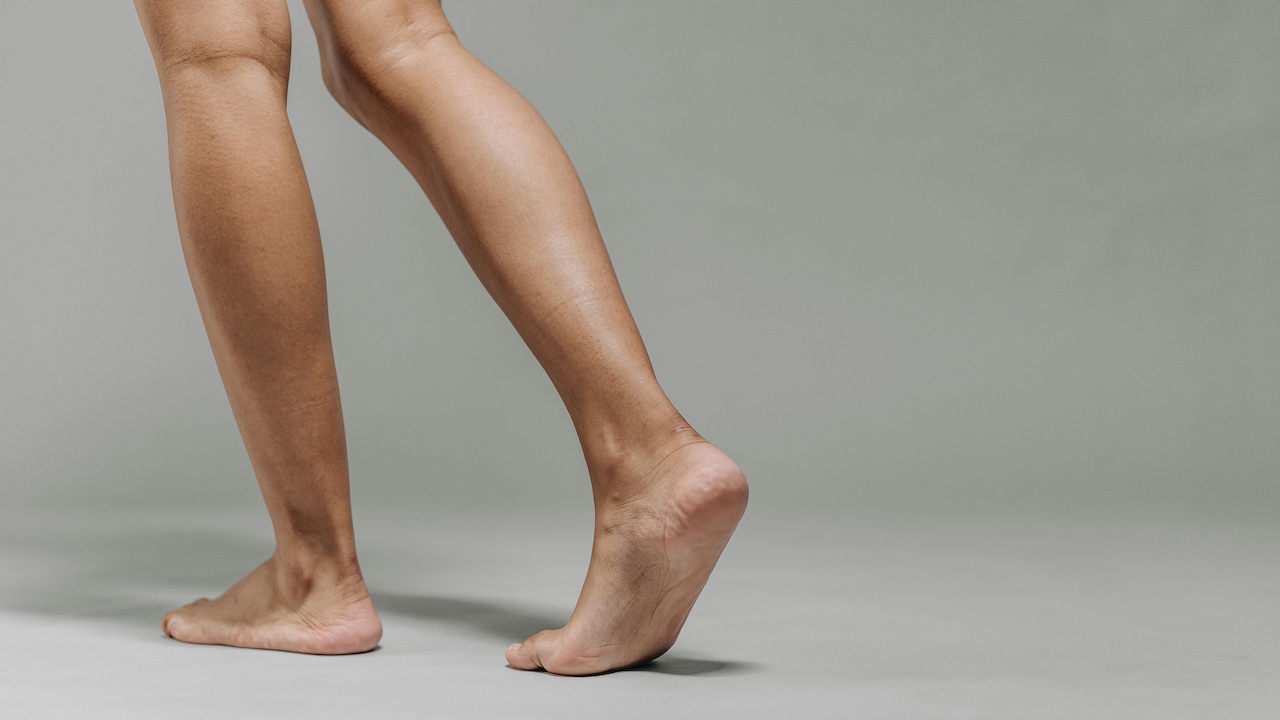
However, many overlook less obvious areas. The back of the knees, for instance, works well when wearing traditional outfits or skirts, allowing the fragrance to rise gently. Hair can also hold scent beautifully, though direct spraying should be avoided to prevent dryness. A light mist on a hairbrush works better.
Layering across these points creates a subtle aura rather than a concentrated burst. Instead of one strong spot, the fragrance surrounds the wearer softly.
Rubbing wrists together after applying perfume remains a common mistake. It breaks down the fragrance structure, causing top notes to fade faster. Letting the scent settle naturally preserves its integrity.
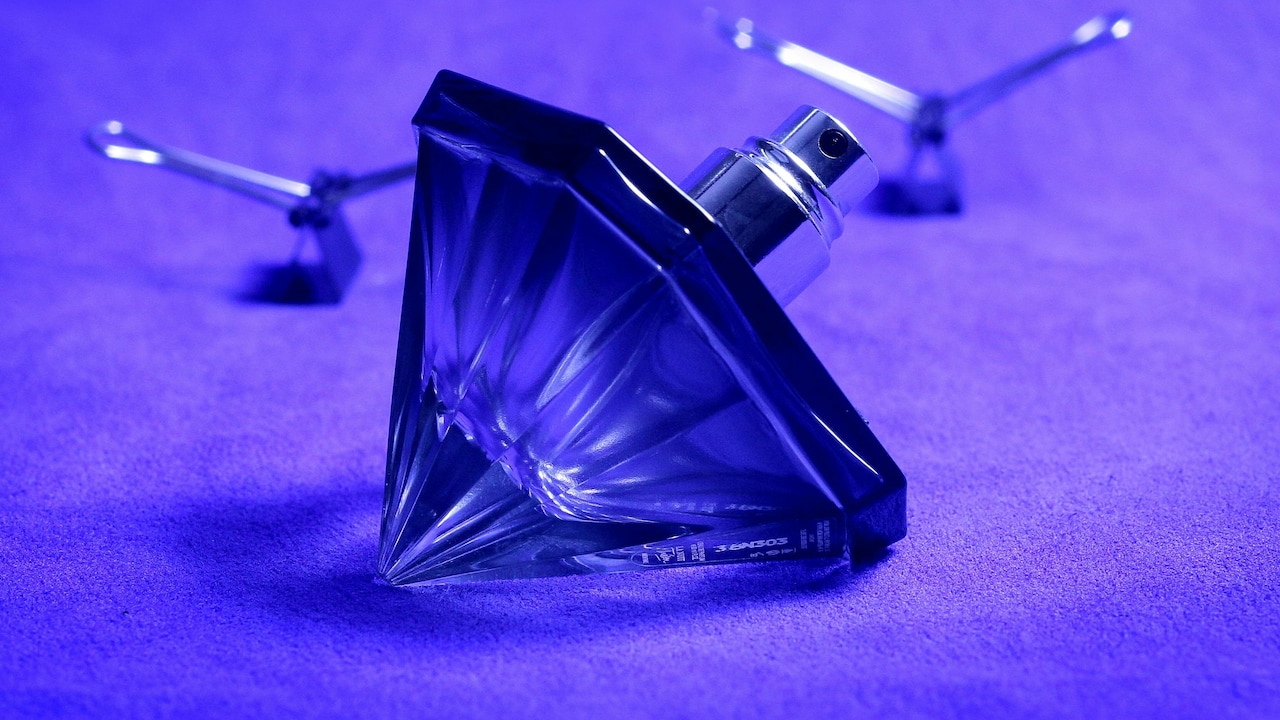
How To Layer Fragrances For Long-Lasting Scent: Expert Tips That Work; Photo Credit: Pexels
Timing Your Layers For Maximum Longevity
Fragrance layering benefits from thoughtful timing. Applying everything at once may feel convenient, but spacing out layers can enhance longevity.
The first layer should go on immediately after a shower when pores are open and skin is slightly damp. This allows the fragrance to absorb better. A second layer can follow before stepping out, adding freshness.
Carrying a travel-sized perfume or roll-on for a midday touch-up keeps the scent alive without overloading it. These small bottles often cost under ₹500 and prove surprisingly effective.
Evening outings may call for a slight shift in fragrance profile. Adding a deeper, warmer note over the existing scent creates a transition that feels seamless yet distinct.
Timing transforms layering from a static routine into a dynamic process that evolves throughout the day.
Clothing And Fabric As Fragrance Carriers
Fabric holds fragrance differently than skin. Cotton, silk, and wool can retain scents for hours, sometimes even days. Spraying a light mist on clothing can extend the life of a fragrance significantly.
However, caution is necessary. Some perfumes may stain delicate fabrics, especially lighter shades. Testing on a small, hidden area prevents unpleasant surprises.
Scarves and dupattas make excellent fragrance carriers. A gentle spritz can create a lingering trail that feels elegant and understated. Wardrobes often carry faint traces of favourite perfumes, turning even freshly worn clothes into part of the layering experience.
Blending fabric and skin application creates depth. While skin releases fragrance with warmth, fabric holds onto it steadily, ensuring a consistent presence.
Seasonal Adjustments For Better Results
Fragrance layering should adapt to the seasons. What works in cooler months may feel overwhelming during peak summer heat.
Lighter, fresher scents suit warm weather. Citrus, aquatic, and green notes feel refreshing and do not become cloying. Layering should remain minimal to avoid intensity.
In cooler weather, richer scents come alive. Vanilla, oud, and spices feel comforting and last longer. Layering can be slightly heavier, creating a cosy aura.
Monsoon brings its own challenges. Humidity can distort fragrances, making them smell sharper or heavier than intended. Choosing balanced, clean scents works best during this time.
Adjusting layering techniques with the seasons ensures that fragrances always feel appropriate and enjoyable.
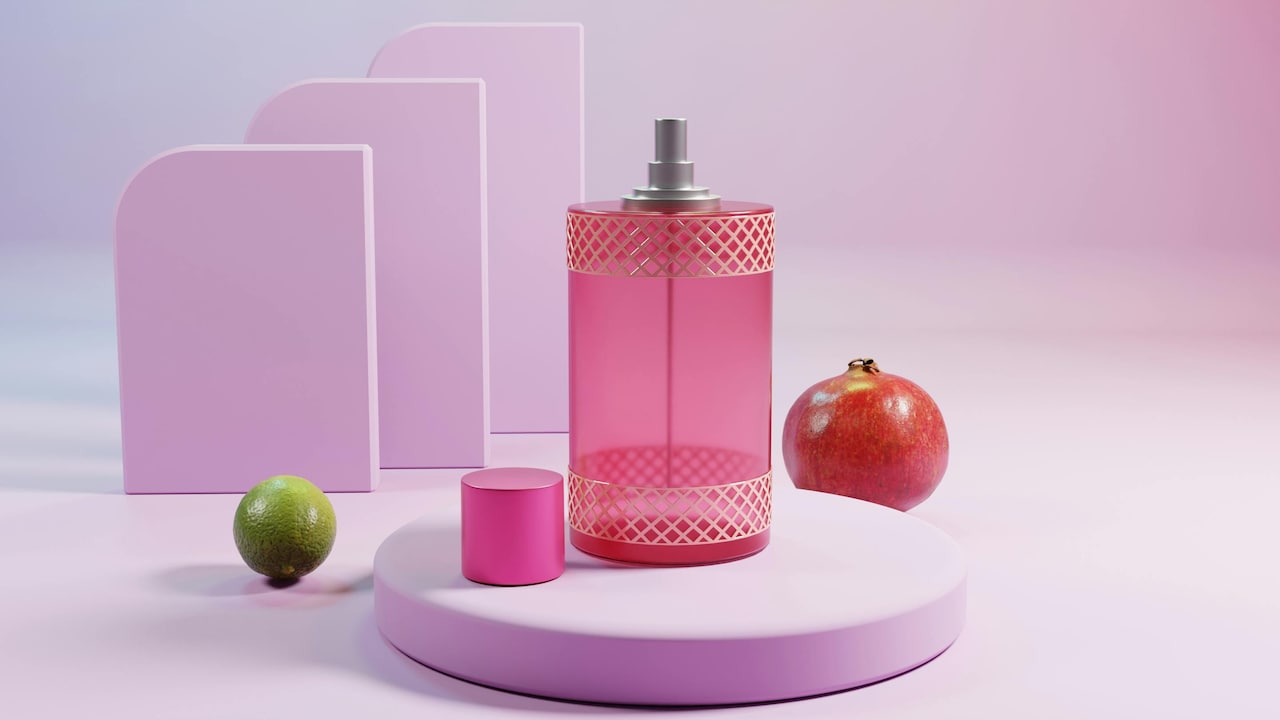
How To Layer Fragrances For Long-Lasting Scent: Expert Tips That Work; Photo Credit: Pexels
Avoiding Common Mistakes In Layering
Many approach layering with enthusiasm but overlook simple pitfalls. Overapplication remains the most common mistake. More does not always mean better. A well-balanced blend often requires less product.
Mixing too many strong fragrances can create confusion rather than harmony. Sticking to two or three layers keeps things manageable and effective.
Ignoring skin chemistry also leads to disappointment. The same perfume can smell different on different people. Testing and adjusting combinations helps find what works best.
Storage matters as well. Heat and sunlight can degrade fragrances, reducing their effectiveness. Keeping bottles in a cool, dark place preserves their quality.
Avoiding these mistakes ensures that layering remains enjoyable rather than frustrating.
Creating A Signature Scent That Feels Personal
Fragrance layering offers something beyond longevity. It allows for personal expression. A signature scent does not have to come from a single bottle. It can emerge from a combination that feels uniquely yours.
This process often involves trial and error. Some combinations may surprise pleasantly, while others might not work at all. Over time, preferences become clearer.
A familiar scent can evoke memories, from festive gatherings to quiet evenings at home. Layering allows these associations to deepen, turning fragrance into something meaningful.
The beauty lies in individuality. No one else will smell the same, even when using similar products. That subtle difference makes a signature scent truly special.
Products Related To This Article
1. Marks & Spencer Men Discover Smoked Oud Eau De Toilette
2. Wild Stone Wild Stone Men Edge Eau de Parfum
3. SKINN by Titan Women Celeste Eau de Parfum
4. Renee Women Goddess Long Lasting Eau De Parfum
5. Carlton London Euphoria Women Gift Set of 4 EDP Perfume
Fragrance layering blends science, creativity, and everyday practicality. It transforms the fleeting nature of perfume into something lasting and personal. By understanding how scents interact with skin, products, and the environment, anyone can create a fragrance experience that endures.
This approach does not demand extravagant spending or expert knowledge. It simply asks for attention, curiosity, and a willingness to experiment. With the right combinations and techniques, a favourite scent can stay present from the first step out in the morning to the final moments of the day.
In the end, fragrance becomes more than a finishing touch. It becomes a quiet companion, evolving, adapting, and leaving behind a trace that feels unmistakably yours.
(Disclaimer: This article may include references to or features of products and services made available through affiliate marketing campaigns. NDTV Convergence Limited (“NDTV”) strives to maintain editorial independence while participating in such campaigns. NDTV does not assume responsibility for the performance or claims of any featured products or services.)