What Sunscreen Should You Use On Cloudy Monsoon
Clouds do not block UV rays, especially during the monsoon. Here is how to pick the right sunscreen for humid, overcast days and actually wear it.
What Sunscreen Should You Use On Cloudy Monsoon
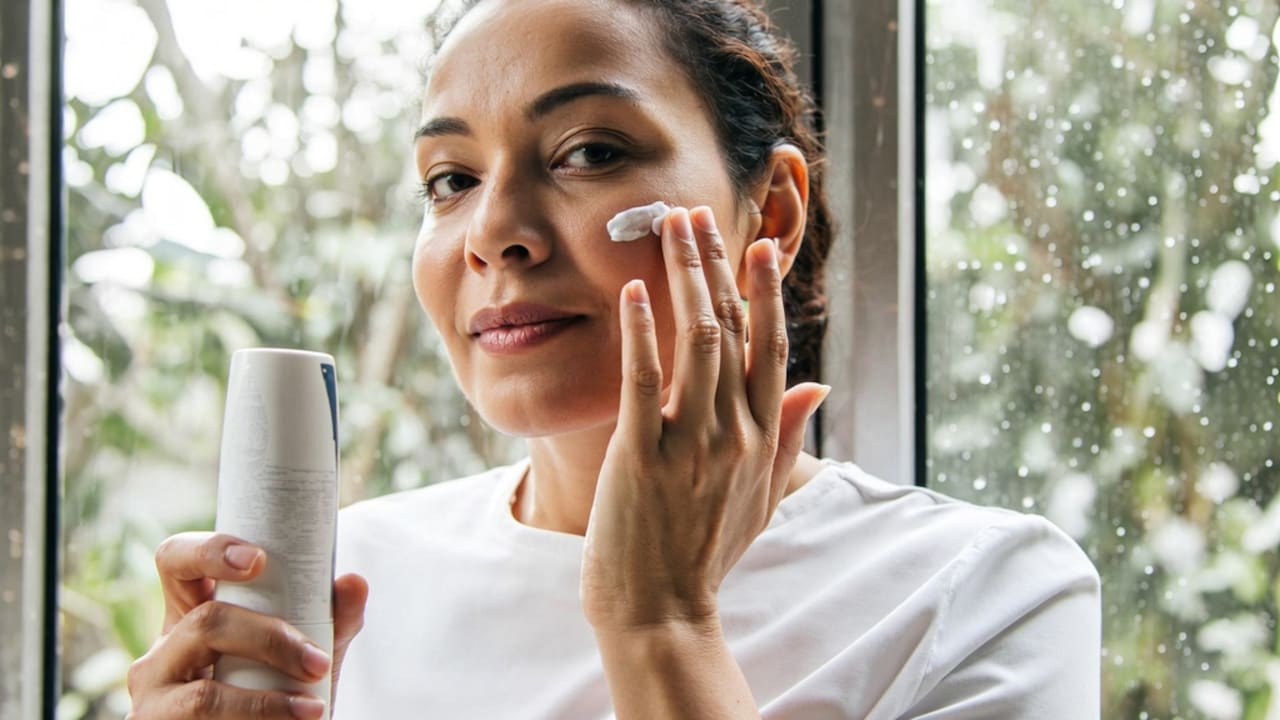
There is a widespread assumption that overcast skies mean you can skip sunscreen. It is understandable. If there is no visible sun, the logic goes, there is no UV exposure. In reality, up to 80 percent of UV rays pass through cloud cover, which means a grey monsoon morning in Mumbai or Chennai carries nearly the same UV risk as a clear summer afternoon.
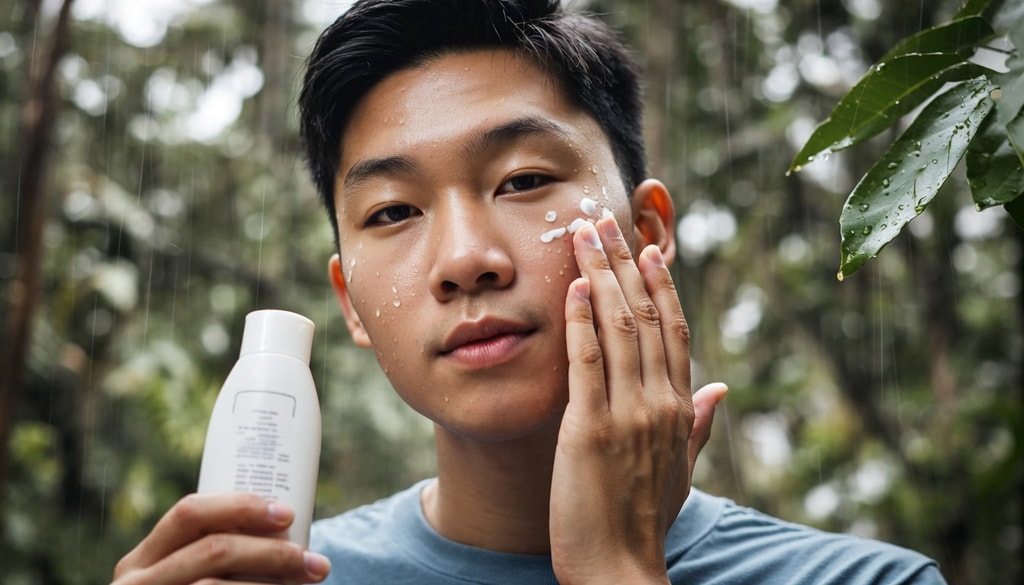
Pick water-resistant, mattifying sunscreens with SPF 30+ for cloudy, humid days to avoid shine and residue.
Photo Credit: iStock
The monsoon adds its own complications on top of that. Humidity makes most sunscreens feel heavier and stickier than usual, sweat breaks down protection faster, and the combination of heat and moisture makes people less likely to reapply. Knowing which formulation to reach for makes the whole thing considerably more manageable.
Also Read: Want To Save Your Legs From Getting Tanned: Here Are Top 10 Sunscreen You Can Grab Under ₹500
What Sunscreen Should You Use During Monsoon Days
The two things that matter most during monsoon months are broad-spectrum protection and a formulation that actually holds up in humidity. A sunscreen that feels comfortable enough to wear daily and does not pill under makeup or sweat off within an hour is worth more in practice than a clinically superior product that gets skipped because it is unpleasant to use.
SPF 30 is the minimum for everyday use, including cloudy days. SPF 50 is a better choice for anyone spending time outdoors, commuting, or sitting near a window for extended periods. The SPF number tells you about UVB protection. The broad-spectrum or PA rating on the label tells you about UVA, which is responsible for skin ageing and deeper skin damage and penetrates cloud cover just as readily.
Step 1: Choose Broad-Spectrum SPF 50 as Your Baseline
On cloudy monsoon days, SPF 50 with a PA+++ or PA++++ rating is the practical standard. The PA rating system, used widely in Indian and Asian sunscreen formulations, indicates UVA protection strength. PA+++ and above is where meaningful UVA defence begins. A sunscreen that only displays an SPF number without any PA or broad-spectrum indication provides only partial information.
Step 2: Pick a Formulation That Works in Humidity
Thick creams and heavy moisturising sunscreens are designed for dry climates and dry skin types. In the Indian monsoon humidity, they tend to feel occlusive, cause breakouts, and sit on the surface rather than absorbing. Gel-based, water-based, or fluid sunscreens are significantly more comfortable in humid conditions and tend to wear better through the day. For oily or combination skin, a matte or dry-touch finish helps control the greasy feeling that humidity amplifies.
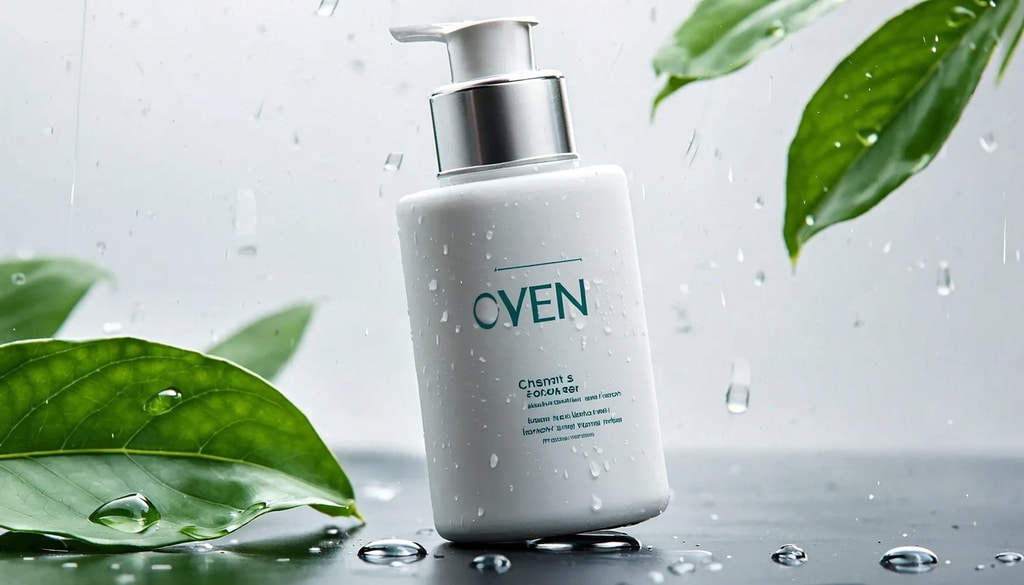
Reapply sunscreen every two hours when outdoors, and use sunscreen-friendly primers to improve wear in humidity.
Photo Credit: iStock
Sunscreen Formulations That Work Best In Indian Monsoon Conditions
Gel-Based Sunscreens for Oily and Combination Skin
Gel sunscreens absorb quickly, feel light on the skin, and do not add to the oiliness that humidity already encourages. They work particularly well under makeup and do not tend to peel or ball up when layered with other products. The tradeoff is that some gel formulations contain alcohol, which can be drying for people with sensitive or dry skin. Check the first few ingredients before buying if dryness is a concern.
Water-Based Fluid Sunscreens for Normal to Dry Skin
A water-based fluid sunscreen sits comfortably between a gel and a lotion in texture. It absorbs well, feels hydrating without being heavy, and holds up reasonably in humidity without the greasy residue that thicker creams leave behind. This category works for most skin types and is the safest choice if you are switching sunscreen formulations for the first time.
Tinted Sunscreens for Everyday Wear
Tinted sunscreens that offer light coverage have become considerably more widely available in Indian skin tones over the last few years. For monsoon days when full makeup feels excessive, a tinted SPF 50 fluid works as both sunscreen and light foundation, which also means one fewer layer in a humid environment. Brands like Minimalist, Re'equil, and Dot and Key have tinted options formulated for Indian skin tones worth exploring.
Chemical vs Mineral Sunscreens in Monsoon Conditions
Mineral sunscreens containing zinc oxide or titanium dioxide sit on top of the skin and physically block UV rays. They tend to leave a white cast, which is more noticeable on deeper Indian skin tones, and they can feel heavier in humidity. Chemical sunscreens absorb UV rays and convert them to heat, feel lighter on the skin, and are generally more comfortable in hot and humid conditions. For daily monsoon use, a chemical or hybrid formulation is usually the more practical choice for Indian skin.
Common Sunscreen Mistakes To Avoid During Monsoon
Not Reapplying After Sweating or Getting Wet
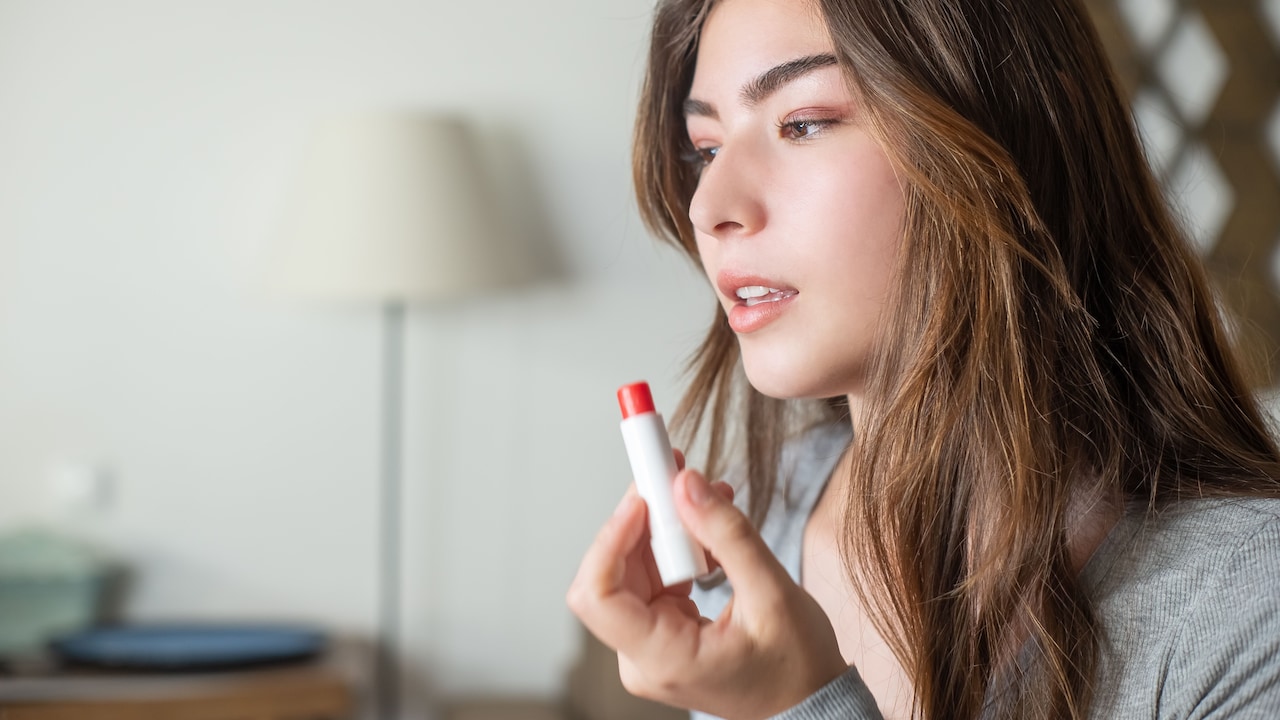
This is the most common and most consequential mistake. Sunscreen breaks down with UV exposure, sweat, and water contact, which means reapplication every two hours of outdoor exposure is not optional. A single morning application is not going to hold through a humid commute, a lunch outing, and an afternoon near a window. Sunscreen sticks and compact powder sunscreens make midday reapplication far more practical than trying to layer liquid sunscreen over a full face.
Using Too Little Product
Most people apply about half the amount of sunscreen needed for the SPF on the label to actually work. For the face alone, about a quarter teaspoon or two finger lengths of product is the standard recommendation. Using less does not mean proportionally less protection. It means considerably less, because SPF is calculated at a specific application weight. During monsoon months when people tend to apply even lighter products more sparingly, this gap widens.
Some Sunscreens Worth Considering for Monsoon Use in India
1. La Shield Fisico SPF 50 PA++++ 100% Mineral Sunscreen
2. SkinInspired InviShield 365 Body Sunscreen Spray SPF 80+ PA++++
3. UV Doux Silicone Sunscreen Gel SPF 50 PA+++
4. Forest Essentials Ayurvedic Mineral Sunscreen with SPF 50 PA++++
5. Minimalist Sunscreen SPF 50 PA+++ with Niacinamide & Multi-Vitamins
6. Dot & Key Watermelon Cooling Sunscreen
7. The Derma Co 1% Hyaluronic Sunscreen Aqua Gel
8. Biotique Bio Sandalwood Sunscreen Ultra Soothing Face Lotion
Frequently Asked Questions (FAQs)
1. Do I really need sunscreen on a completely cloudy monsoon day?
Yes. Cloud cover blocks visible light and heat but lets through the majority of UV radiation, particularly UVA. Skin damage from UV exposure accumulates over time regardless of whether you can feel the sun, so cloudy days still count.
2. What SPF is enough for indoor use during monsoon?
SPF 30 is adequate if you are working in a room with no direct window exposure. If you sit near a window, especially one that gets morning or afternoon light, SPF 50 is the better choice. UVA passes through glass, so proximity to windows matters even indoors.
3. Can I use the same sunscreen in monsoon as I do in summer?
You can, but it may not feel comfortable if your summer sunscreen is a thick moisturising cream. The humidity makes heavier formulations harder to wear. Switching to a lighter gel or fluid version of a similar SPF level is worth doing for the season if skin comfort is an issue.
4. Why does my sunscreen pill or ball up under makeup during monsoon?
Pilling is almost always a layering problem. Silicone-heavy sunscreens and silicone-heavy foundations do not mix well in humidity and the result is that balling-up texture you notice mid-morning. The fix is usually straightforward: check whether your sunscreen and your base makeup share the same formulation type.
5. Is waterproof sunscreen better for monsoon days?
Waterproof sunscreen is not necessarily better; it is simply more suitable for specific situations. If you are outdoors for long stretches, commuting on foot, or likely to get caught in rain, a water-resistant formula holds up better under those conditions. For a regular office day with limited outdoor exposure, it is more product than you need and usually heavier and less comfortable to wear through the day.
(Disclaimer: This article may include references to or features of products and services made available through affiliate marketing campaigns. NDTV Convergence Limited (“NDTV”) strives to maintain editorial independence while participating in such campaigns. NDTV does not assume responsibility for the performance or claims of any featured products or services.)