10 Reasons Hair Serum Stops Controlling Frizz After A Few Hours And How To Make It Last Longer
Hair serum promises smooth, manageable hair, but frizz often returns within hours. Discover 10 common reasons your serum loses its effect and simple ways to keep your hair looking smoother for longer.
Tips to control frizz using hair serums
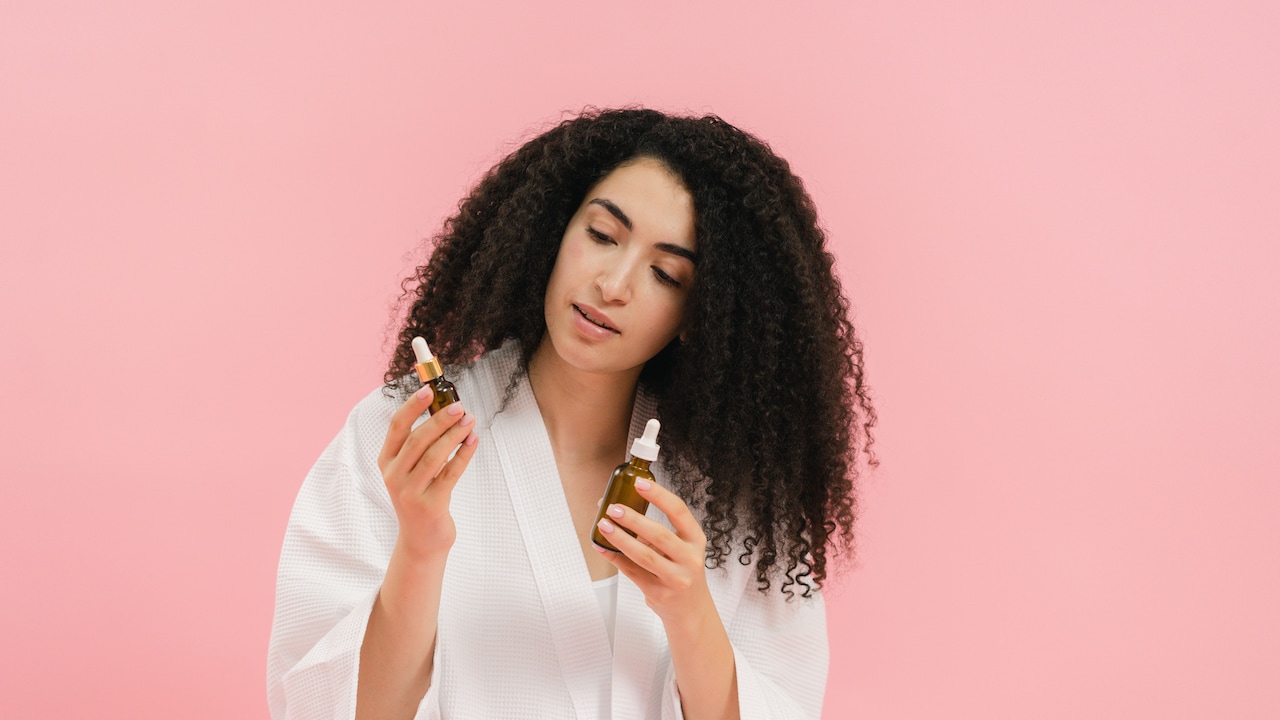
Ever spent twenty minutes getting your hair to look perfectly smooth, only to catch your reflection a few hours later and wonder what happened? The neatly arranged strands have developed a mind of their own, flyaways are everywhere, and that expensive hair serum seems to have disappeared without a trace. It's particularly frustrating when you've followed your usual routine and expected the results to last through the day. Hair serum can make a noticeable difference to frizz, but it isn't a permanent solution. Most smoothing serums work by coating the hair surface, reducing friction and improving shine. Some also help limit moisture movement. However, humidity, hair damage, product formulation and application techniques can influence how long those benefits last.
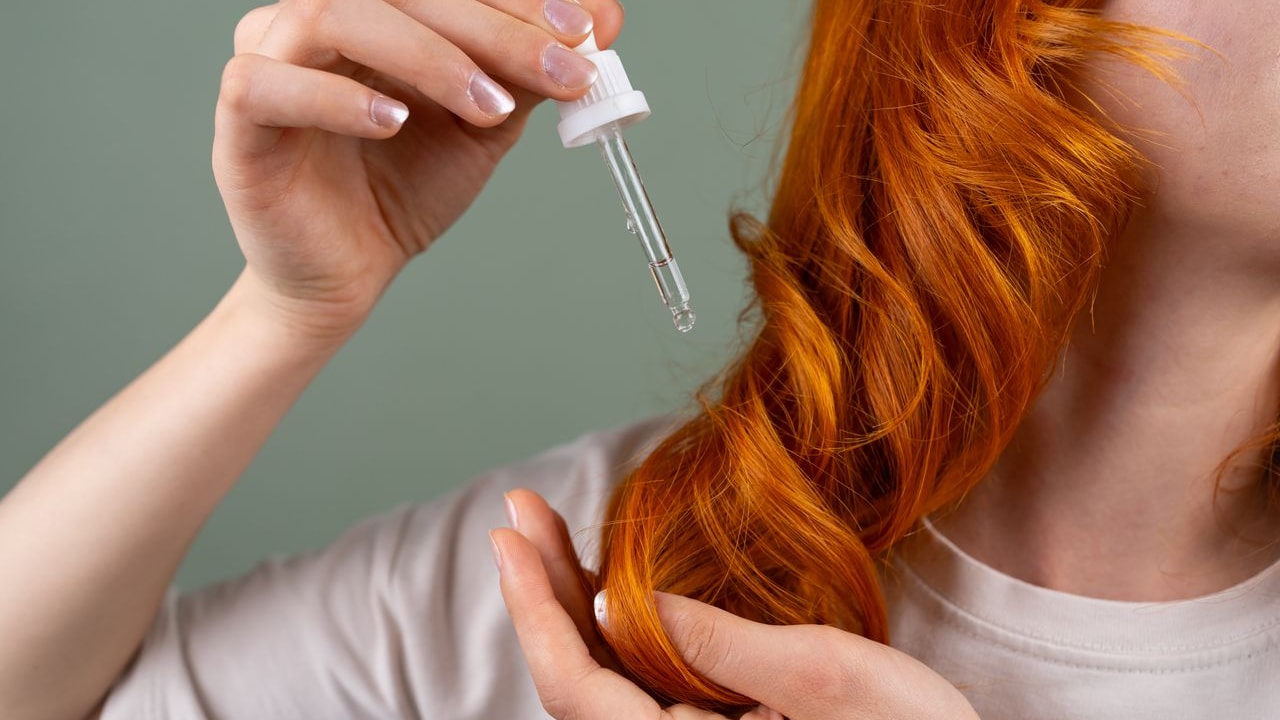
How to control frizz using hair serums
Photo Credit: Pexels
The good news? You don't necessarily need another expensive bottle. Sometimes, changing when you apply serum, how much you use or what you do afterwards can make a bigger difference than switching products. Here are ten reasons your hair serum might stop controlling frizz after a few hours and what you can do to maintain smoother, more manageable hair throughout the day.
Also Read: Different Hair Journeys, Shared Concerns: Why Hair Growth Serums Matter For Both Men And Women
10 Reasons Your Hair Serum Stops Controlling Frizz And How To Fix Them
1. Applying Hair Serum To Completely Dry Hair Can Limit Its Effectiveness
Applying serum to dry hair isn't necessarily wrong. Many products work perfectly well as finishing treatments. However, certain smoothing serums perform better when you apply them to slightly damp hair, especially those designed to support moisture retention and reduce friction during styling.
When hair starts drying without adequate conditioning, its outer cuticle layers may become rougher or more vulnerable to friction. Applying serum afterwards can temporarily smooth the surface, but it won't necessarily address the dryness underneath. That's why freshly styled hair sometimes looks glossy for an hour before returning to its usual frizzy texture.
For serums suitable for damp application, gently squeeze excess water from freshly washed hair using a soft microfibre towel. Avoid vigorous rubbing, which can create additional tangles and friction.
Dispense a small amount of serum, spread it between your palms and distribute it through the mid-lengths and ends. This helps provide a more even coating before styling.
If your hair becomes frizzy again later, a tiny amount of serum on dry strands may help refresh the finish. Just remember to follow the product's instructions, since different formulations work best under different conditions.
2. Using Too Much Serum Can Make Hair Look Greasy Without Controlling Frizz
It's tempting to assume that doubling the serum will double the smoothness. Unfortunately, hair doesn't work that way. Excessive product can leave strands greasy, flat or sticky while stubborn flyaways continue to make an appearance.
Most smoothing serums work primarily on the hair's surface. Once you've distributed enough product to provide a light coating, adding more doesn't automatically improve frizz control. Instead, excess serum may collect unevenly, making some sections look oily while others remain dry.
Fine hair is particularly vulnerable to this problem. A generous pump that works beautifully on thick, coarse hair might leave finer strands looking as though they haven't seen shampoo in days.
Start with a small amount and increase gradually according to your hair length, density and the product's concentration. Rub the serum between your palms before applying it rather than placing a large quantity directly onto one section.
Focus on the areas that need smoothing, usually the mid-lengths and ends. If your roots already produce enough natural oil, there's rarely a reason to coat them with a heavy finishing serum.
The goal is soft, movable hair, not strands that feel permanently laminated.
3. High Humidity Can Overpower Your Hair Serum
One of the biggest enemies of a smooth hairstyle is humidity. You can leave home with perfectly arranged hair and return looking as though you've spent the afternoon standing beside a steaming kettle.
Hair naturally responds to moisture in the surrounding air. When humidity rises, water molecules interact with the hair's internal structure and can change the temporary bonds that help maintain its shape. This becomes particularly noticeable with naturally wavy, curly or porous hair.
A smoothing serum may slow moisture exchange or reduce visible frizz, depending on its formulation. However, not every serum provides strong protection against humid conditions.
If humidity regularly ruins your hairstyle, look for products that specifically mention humidity resistance or anti-frizz performance. Ingredients such as dimethicone and amodimethicone can help smooth the hair surface, although the overall formula determines the results.
You may also benefit from pairing serum with a lightweight styling cream or anti-humidity spray suited to your hair type.
During monsoon weather, hairstyles that work with your natural texture often last longer than those that require your hair to remain completely straight.
Sometimes, successful frizz control means choosing the right styling approach rather than expecting one product to defeat the weather.
4. Applying Serum To Damaged Hair Without Proper Conditioning Gives Temporary Results
Hair that has undergone repeated colouring, bleaching, straightening or heat styling often struggles to retain a smooth appearance. Even a high-quality serum may provide only temporary improvement when the strands have significant surface damage.
The outer cuticle protects the inner structure of each hair strand. Chemical processing and excessive heat can damage this protective layer, increasing roughness, tangling and susceptibility to breakage.
Serum can improve the appearance and feel of damaged hair by coating and smoothing its surface. However, it cannot permanently repair severely damaged cuticles or reverse split ends.
That's where a more complete haircare routine becomes important.
Use a conditioner after shampooing to reduce friction and improve manageability. A suitable hair mask may provide additional conditioning when your lengths feel particularly rough. Some specialised treatments can also help improve the strength or condition of chemically processed hair, although results vary.
Avoid excessive heat and unnecessary chemical treatments while your hair recovers from styling damage.
Regular trims can remove split ends before they travel further up the hair shaft.
Think of serum as the finishing touch rather than the entire repair strategy. It helps hair look smoother, but healthier-looking results usually require consistent care beyond that final pump.
5. Choosing The Wrong Hair Serum For Your Hair Type Can Reduce Frizz Control
Not every serum suits every head of hair. A lightweight formula that makes fine, straight hair look beautifully polished might barely control the volume of thick curls. Meanwhile, a rich silicone-based serum could leave delicate strands feeling heavy.
The problem isn't necessarily the quality of the product. It's the mismatch between the formula and your hair's requirements.
Fine hair usually benefits from lighter products that spread easily without excessive residue. Thick, coarse or highly textured hair may need richer conditioning formulas to improve softness and reduce friction.
Hair porosity can also influence results. Highly porous strands, often associated with damage, may respond differently to moisture and humidity than relatively undamaged hair.
Before purchasing another serum, consider your natural texture, thickness, styling habits and the kind of frizz you experience.
If flyaways appear mainly around the crown, a lightweight finishing product might help. If your entire length becomes rough and puffy, additional conditioning or a more substantial styling formula may work better.
Also, distinguish between smoothing serums, leave-in conditioners and styling products. They can complement one another, but they don't always perform the same job.
Finding the right formula often matters more than choosing the most expensive bottle.
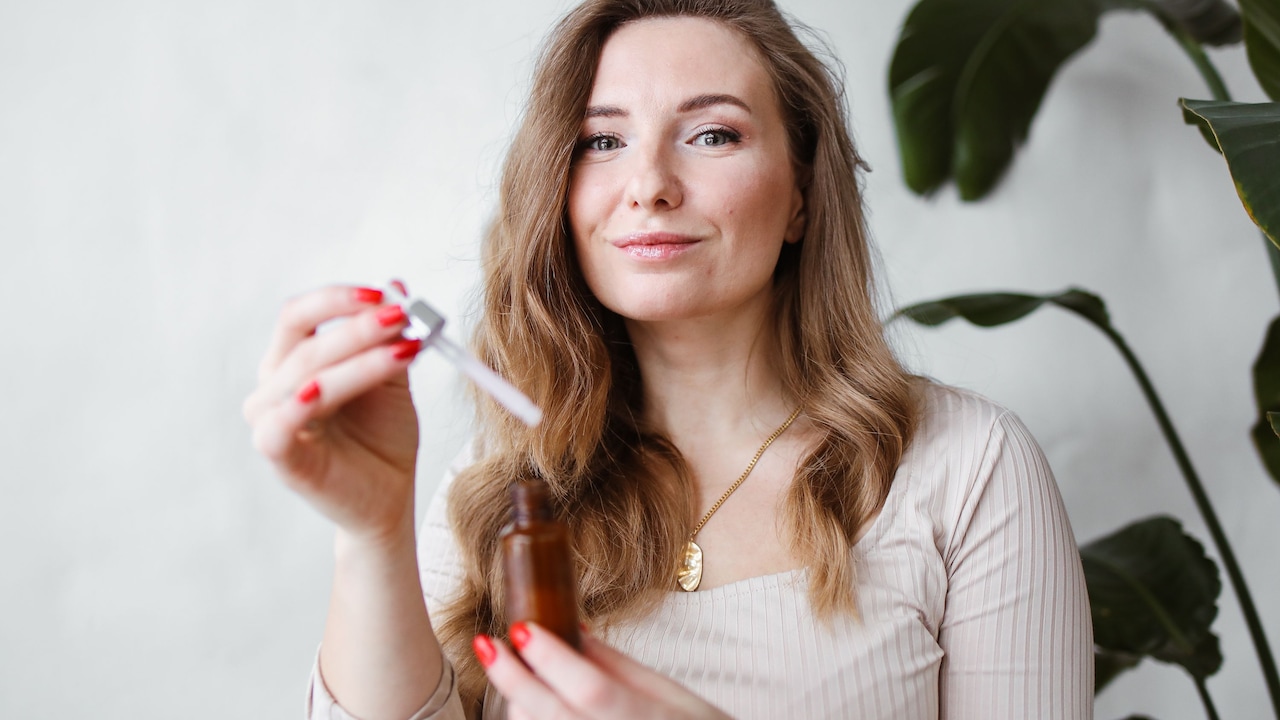
Always consider your hair type before choosing a formula
Photo Credit: Pexels
6. Rubbing Hair With A Rough Towel Can Undo Your Serum's Benefits
Haircare routines sometimes fall apart before the serum bottle even opens. One common culprit is the way people dry their hair after washing.
Vigorous towel rubbing creates friction between the fabric and hair strands. This can disturb the cuticle surface, encourage tangling and increase breakage, particularly when hair is wet and more vulnerable to stretching.
Once the strands become tangled and rough, a little serum may struggle to restore a consistently smooth appearance.
Traditional cotton towels aren't automatically harmful, but rough handling can make them problematic.
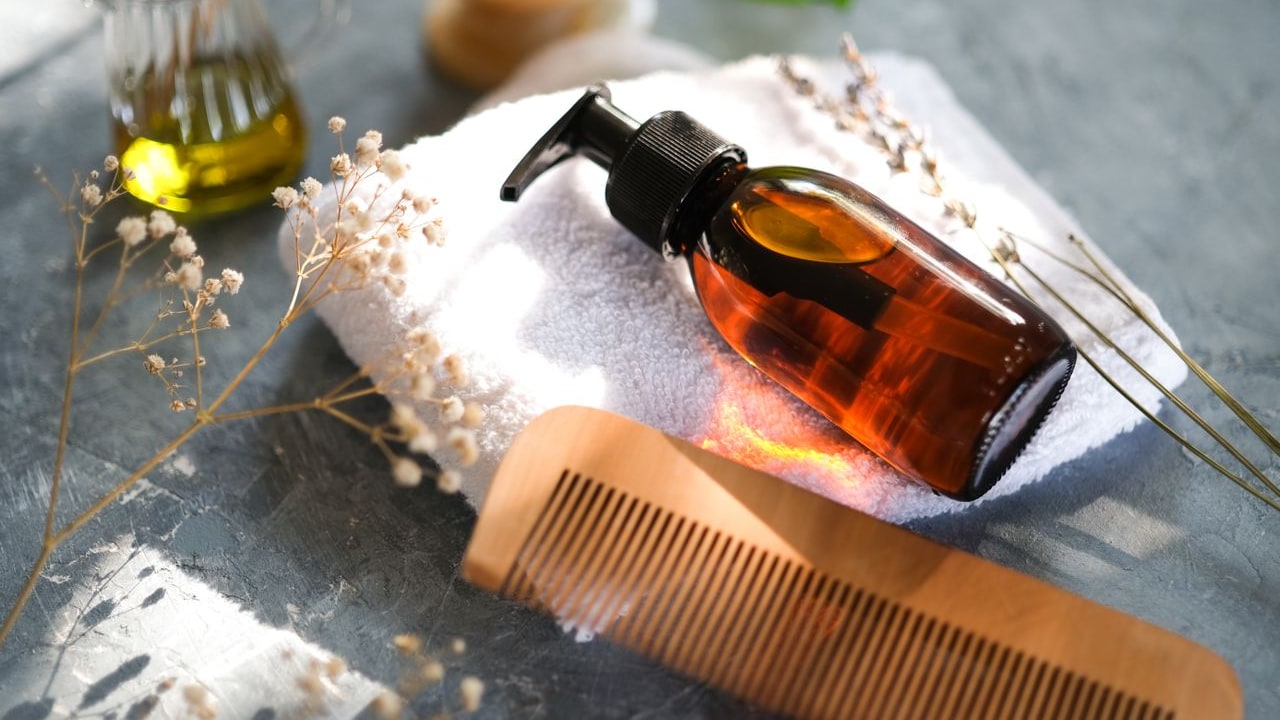
Instead of rubbing your hair back and forth, gently squeeze out excess water. Use a soft microfibre towel or smooth cotton T-shirt to absorb moisture without creating unnecessary friction.
Avoid twisting your hair tightly into a towel for extended periods, especially if it feels fragile or breaks easily.
Once your hair feels damp rather than dripping wet, apply an appropriate leave-in product or serum before detangling and styling.
A wide-tooth comb can help remove knots with less pulling. Start at the ends and gradually work upwards.
These small adjustments might seem insignificant, but preventing friction early in your routine can make maintaining smooth hair considerably easier later.
7. Frequent Touching And Brushing Can Make Frizz Return Faster
Some habits are so automatic that they barely register. Running fingers through your hair during meetings, repeatedly adjusting your parting or brushing every time you notice a flyaway can gradually disturb your carefully styled finish.
Every movement creates friction between strands. Frequent handling can separate naturally grouped sections of hair, increase static under certain conditions and make flyaways more noticeable.
This is particularly relevant for wavy and curly hair. Brushing these textures after they've dried can disrupt curl definition, creating the familiar fluffy appearance that serum alone may struggle to control.
Even straight hair can become messy when repeated handling introduces tangles and disrupts the smooth arrangement of individual strands.
Try completing your detangling before styling rather than brushing repeatedly throughout the day.
For curls and waves, use techniques that preserve their natural pattern. Finger-detangling or using a suitable wide-tooth comb while conditioning may work better than brushing dry hair.
If you notice flyaways during the afternoon, smooth them gently with your palms instead of repeatedly combing the entire length.
A loose braid, low bun or protective hairstyle can also reduce unnecessary movement during long commutes.
Sometimes, the best way to make serum last longer is surprisingly simple: stop touching your hair every fifteen minutes.
8. Excessive Heat Styling Can Make Hair Frizzier Once The Initial Smoothness Fades
A straightener can deliver impressively sleek results in minutes. However, regularly exposing your hair to excessive heat may eventually make controlling frizz more difficult.
High temperatures can damage the cuticle and affect the internal proteins that give hair its strength. Over time, this can increase roughness, dryness and breakage.
A serum may temporarily disguise these problems, but it cannot prevent all the effects of repeated heat exposure.
Another common mistake involves assuming every serum doubles as a heat protectant. Many smoothing products do not provide adequate protection against styling temperatures.
Before using a hairdryer, straightener or curling tool, choose a product that specifically claims heat protection and follow its usage instructions.
Adjust the temperature according to your hair's condition. Fine, coloured or damaged strands generally benefit from gentler settings than resilient, coarse hair.
Avoid repeatedly passing a straightener over the same section, and never use conventional straightening irons on wet hair unless the appliance specifically supports that function.
When blow-drying, direct airflow down the hair shaft and use a concentrator attachment for better control.
Finish with a cool setting if your appliance offers one.
Reducing unnecessary heat exposure can help your hair maintain a smoother appearance over time, making your serum's job considerably easier.
9. Product Build-Up Can Prevent Hair From Feeling Smooth And Manageable
Sometimes, the problem isn't too little serum but too many products competing for space on your hair.
Leave-in creams, styling sprays, oils, dry shampoos and smoothing serums can all leave residues. With repeated use, some ingredients may accumulate and affect how the hair feels and behaves.
This doesn't mean every silicone causes harmful build-up. Many silicone-based ingredients offer valuable smoothing and conditioning benefits, and some wash away more easily than others.
However, excessive residue can make hair feel coated, heavy or difficult to style. You might notice dullness, uneven texture or sections that remain strangely rough despite another round of serum.
If your hair feels unusually weighed down, examine how frequently you wash it and how many leave-in products you apply.
A suitable cleansing shampoo can remove everyday oil, dirt and product residue. Occasional clarifying may help when regular washing no longer leaves your hair feeling clean.
Avoid overusing strong clarifying formulas, particularly on dry, coloured or chemically treated hair, as this can increase dryness.
Follow cleansing with conditioner to restore softness and improve detangling.
Also, consider simplifying your routine. Layering five different products won't necessarily deliver better results than combining two compatible ones.
Clean, properly conditioned hair often provides a better starting point for consistent styling.
10. Skipping A Leave-In Conditioner Can Leave Serum Doing More Than It Should
Hair serum and leave-in conditioner may look similar on a dressing table, but their roles aren't always interchangeable.
Many smoothing serums focus on surface slip, shine and frizz reduction. Leave-in conditioners often contain ingredients that improve softness, detangling and manageability while helping reduce friction during everyday styling.
When hair feels particularly dry or coarse, serum alone might deliver an attractive finish without providing enough conditioning for lasting comfort and manageability.
This explains why some people apply serum repeatedly throughout the day yet continue experiencing rough ends.
After washing, use a rinse-out conditioner appropriate for your hair type. If your lengths still feel dry, consider a lightweight leave-in conditioner before applying serum.
For thick or curly hair, a richer leave-in product may improve definition and softness. Fine hair often needs a lighter formula and smaller quantities to avoid losing volume.
Allow products to spread evenly rather than concentrating everything around the ends.
Remember that not every routine requires both products. Some serums already contain conditioning ingredients, while certain leave-ins provide sufficient frizz control on their own.
The important part is understanding what your hair actually needs instead of expecting a single product to solve dryness, damage, tangling and humidity simultaneously.
Products Related To This Article
1. Livon Keratin Hair Serum for Ultra Glossy & Smooth Hair
2. LOreal Paris Total Repair 5 Repairing Serum with Keratin XS Technology
3. MOXIE BEAUTY Flexi Styling Serum Gel for Curly & Wavy Hair
4. Pilgrim Rootactive Anti Hairfall Serum With Spanish Rosemary
5. Minimalist Frizz Control Complex SPF 30 Hair Serum
6. MATRIX Mega Smooth Anti-Frizz Serum with Shea butter for 4-Days Frizz Control
7. LOreal Professionnel Xtenso Care Serum for Frizz-Free, Smooth & Manageable Hair
Hair serum can be wonderfully useful, but lasting frizz control depends on much more than the product itself. Humidity, damaged cuticles, excessive heat, unsuitable formulas and everyday handling can all affect how smooth your hair looks several hours after styling.
Rather than applying more serum whenever frizz returns, examine your complete routine. Gentle drying, adequate conditioning, suitable products and reduced friction can make a noticeable difference.
Most importantly, remember that naturally textured hair doesn't need to remain perfectly sleek to look healthy or well cared for. A few flyaways are normal. The real goal is softer, more manageable hair that feels comfortable throughout the day, without requiring constant attention to every strand.
(Disclaimer: This article may include references to or features of products and services made available through affiliate marketing campaigns. NDTV Convergence Limited (“NDTV”) strives to maintain editorial independence while participating in such campaigns. NDTV does not assume responsibility for the performance or claims of any featured products or services.)