Why Does Kajal Smudge So Easily? 10 Formula Secrets You Need To Know
Some kajals smudge within hours, while others stay put all day. The difference lies in their formula. This is a simple guide to understanding what makes a kajal last or fade fast.

Explore common causes of smudged kajal and how to prevent it for a flawless look
Few beauty products carry as much nostalgia and everyday relevance as kajal. It slips effortlessly into morning routines, sits snugly in handbags, and often costs less than a quick cup of chai. Yet, for all its simplicity, kajal can be surprisingly unpredictable. One moment it delivers a bold, jet-black line; the next, it melts into soft shadows under the eyes, leaving behind a look that feels more accidental than intentional.
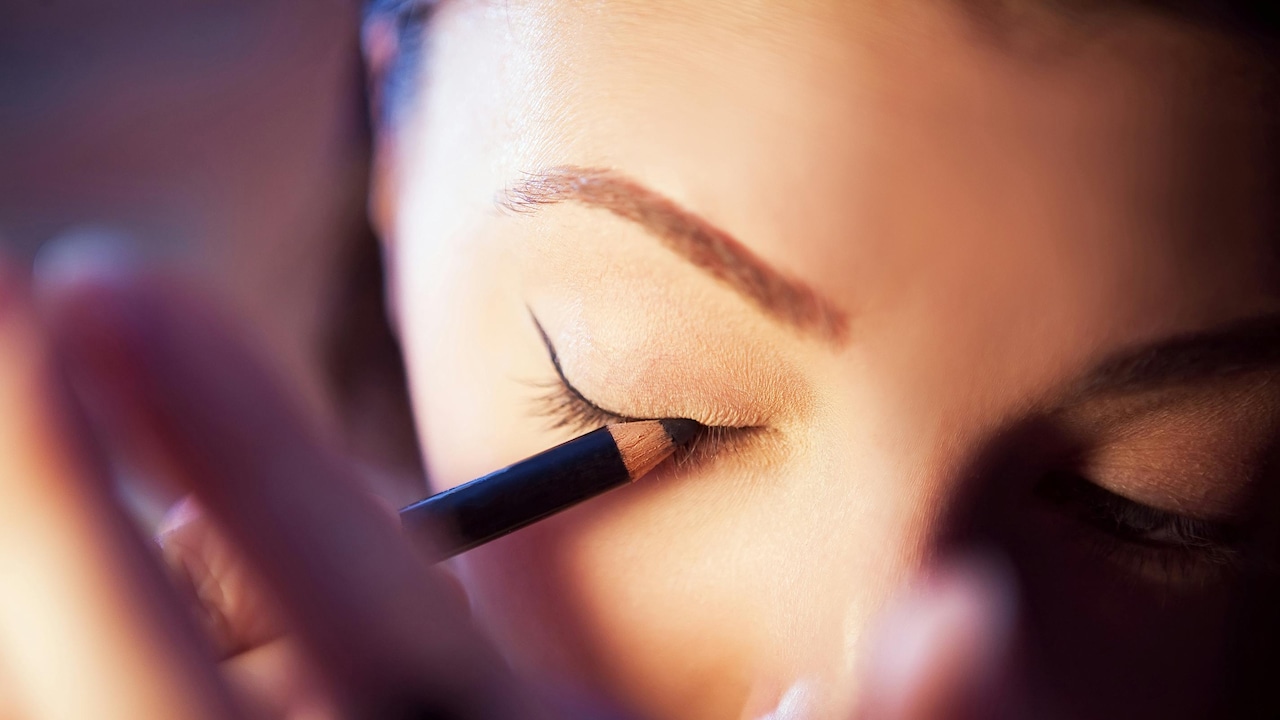
Everything about reasons that make your kajal smudge easily and how to prevent it; Photo Credit: Pexels
Blame often falls on humid weather, long commutes, or even “oily skin”. While these factors play a role, the real story lies deeper, in the formulation itself. Not all kajals are created equal. Some are built for drama and intensity, while others prioritise comfort and ease of use. Understanding these differences helps avoid those mid-day mirror checks where the eyes look like they have survived a monsoon.
This article dives into the science and subtle art behind kajal formulas, breaking down why some smudge instantly and how to choose one that stays put through busy days, crowded trains, and late-night outings.
Also Read: Beyond Black: Colourful Kajals Under ₹500 You Need For A Statement Makeup Look
Understanding Kajal Formulas: What Really Causes Smudging
The Role Of Wax Content In Kajal Formulas
Wax forms the backbone of most kajals. Ingredients like beeswax, carnauba wax, or paraffin give the pencil its structure and help it glide across the delicate eye area. However, too much wax can be a double-edged sword. While it makes the application smooth and creamy, it also softens quickly with body heat. In warmer climates, this means the kajal begins to shift almost immediately after application.
A heavily wax-based kajal feels luxurious on the first swipe. It deposits intense pigment without tugging, which explains its popularity in budget-friendly options priced around ₹150 to ₹300. But that same softness makes it prone to smudging, especially along the lower lash line where moisture and natural oils gather.
The trick lies in balance. A well-formulated kajal uses just enough wax to ensure comfort without compromising longevity. Those who lean too heavily on wax often struggle to stay intact through a full workday. The result is a smoky look that may be intentional for some, but frustrating for those aiming for crisp definition.
Pigment Concentration And Its Impact On Staying Power
Pigment is what gives kajal its deep, dramatic colour. A higher concentration creates that rich, inky black finish many people love. However, more pigment does not always translate to better performance. In fact, highly pigmented kajals can sometimes smudge more easily if the formula lacks the right binding agents.
When pigment particles sit loosely within the formula, they tend to migrate. This becomes especially noticeable in humid conditions or after a long day outdoors. The kajal may look flawless at 9 a.m., but by lunchtime, faint shadows appear beneath the eyes.
On the other hand, a well-balanced formula locks pigment into place. It uses stabilising ingredients that anchor colour without making the texture too dry. Premium kajals, often priced between ₹500 and ₹900, usually excel here. They combine intense colour with better adherence, ensuring that bold lines stay where they belong.
Choosing the right pigment level involves more than just chasing the darkest black. It requires understanding how that colour interacts with the rest of the formula and the environment it faces throughout the day.
The Influence Of Oils And Emollients
Oils and emollients add comfort to kajal. They prevent dragging and make the product feel gentle on the eyes. Ingredients like castor oil or mineral oil often appear in formulations designed for sensitive users. While these components enhance glide, they also increase the likelihood of smudging.
Oils tend to break down the structure. As the day progresses, they mix with natural skin oils and moisture, creating a slippery surface. This allows the kajal to move, fade, or transfer to areas where it was never intended to go.
Yet, removing oils entirely is not the solution. A completely oil-free kajal can feel harsh and may irritate the delicate waterline. The goal is moderation. Balanced formulations include just enough emollients to ensure comfort while maintaining stability.
For those dealing with frequent smudging, switching to a low-oil or oil-controlled kajal can make a noticeable difference. It may feel slightly firmer during application, but the payoff comes in the form of longer-lasting definition and fewer mid-day touch-ups.
Waterline Vs Eyelid: Why Placement Matters
Not all areas of the eye behave the same way. The waterline, in particular, presents unique challenges. It remains constantly moist, which makes it difficult for any product to stay put. Kajals designed for this area often prioritise safety and comfort over longevity.
A kajal that performs beautifully on the eyelid may struggle on the waterline. The constant presence of tears and natural lubrication breaks down the formula quickly. This leads to smudging, fading, or complete disappearance within hours.
Understanding this distinction helps set realistic expectations. A kajal marketed as “waterline safe” may not promise all-day wear. Conversely, products designed for long wear might feel too dry for use inside the eye.
Some advanced formulas attempt to bridge this gap by combining waterproof agents with gentle ingredients. These options often cost more, but they offer better performance across different areas. Choosing the right kajal depends on where it will be used most frequently and what level of durability is expected.
Humidity And Climate Effects On Kajal Performance
Weather plays a powerful role in how kajal behaves. High humidity levels accelerate smudging by softening the formula and increasing skin moisture. In coastal cities, where the air often feels heavy, even the most reliable kajal can struggle to stay intact.
Heat further complicates matters. It melts waxes and activates oils, turning a neat line into a blurred one within hours. This explains why a kajal that performs perfectly in cooler months suddenly becomes unreliable during summer.
Some brands address this issue by incorporating humidity-resistant ingredients. These formulas create a barrier that repels moisture, helping the kajal stay in place despite challenging conditions. They often fall in the mid-to-high price range, around ₹400 to ₹800.
Adapting to the climate does not always require changing the entire routine. Sometimes, choosing a kajal specifically designed for humid conditions makes all the difference. It allows for confident wear, even on days when the weather refuses to cooperate.

High humidity levels can reduce the longevity of kajals; Photo Credit: Pexels
Gel-Based Kajals And Their Smudge Resistance
Gel-based kajals have gained popularity for their impressive staying power. Unlike traditional pencil formulas, they use a gel matrix that adheres more firmly to the skin. This creates a smoother, more stable application that resists smudging.
These kajals often strike a balance between creaminess and durability. They glide easily but set quickly, reducing the chance of movement throughout the day. This makes them a favourite for long events, busy workdays, or occasions where touch-ups are not practical.
However, gel formulas come with their own quirks. They may require sharpening or careful storage to maintain their texture. Some also set so quickly that blending becomes difficult, which may not suit those who prefer a softer, smoky look.
Despite these minor challenges, gel-based kajals remain one of the most reliable options for smudge resistance. They often justify their slightly higher price, typically ranging from ₹350 to ₹700, by delivering consistent performance in varied conditions.
The Science Behind Waterproof Kajals
Waterproof kajals promise endurance. They rely on film-forming agents that create a protective layer over the skin. This layer resists water, sweat, and humidity, making it difficult for the kajal to move or fade.
These formulas often include silicones and polymers that enhance adhesion. Once set, they form a flexible yet durable coating that stays intact for hours. This makes waterproof kajals ideal for long days, emotional moments, or unpredictable weather.
However, this durability comes with a trade-off. Removing waterproof kajal requires a dedicated makeup remover, often oil-based. Without proper removal, residue can build up and cause discomfort.
Another consideration is comfort. Some waterproof formulas feel slightly heavier on the eyes. While they deliver excellent staying power, they may not suit everyone for daily use.
Still, for those seeking a kajal that survives heat, humidity, and long hours, waterproof options remain a dependable choice. They transform the experience from constant maintenance to effortless wear.
Why Budget Kajals Often Smudge Faster
Affordable kajals hold undeniable appeal. They offer accessibility and convenience, often priced under ₹200. However, cost-cutting measures can affect formulation quality.
Budget options frequently rely on simpler ingredient combinations. They may use higher amounts of wax and oil, with fewer stabilising agents. This results in a softer texture that feels pleasant initially but struggles with longevity.
Packaging and manufacturing processes also play a role. Premium brands invest in research and development, refining their formulas for better performance. Budget products may skip these steps, focusing instead on affordability.
This does not mean all affordable kajals are unreliable. Some perform surprisingly well, especially for short durations. However, for extended wear, investing in a slightly higher-priced option often proves worthwhile.
Understanding this balance helps make informed choices. It shifts the focus from price alone to overall value, ensuring that the kajal delivers both comfort and performance.
The Importance Of Setting And Layering Techniques
Even the best kajal can benefit from proper application techniques. Setting the kajal with a matching eyeshadow or lightly dusting powder beneath the eyes can reduce smudging significantly.
Layering creates stability. It locks the product in place and absorbs excess moisture. This technique works particularly well in humid conditions, where natural oils tend to break down makeup quickly.
Preparation also matters. Applying kajal on clean, dry skin improves adherence. Skipping skincare products near the eyes before application can further enhance staying power.
These small adjustments often make a noticeable difference. They transform a good kajal into a great one, extending its wear time without requiring a complete product change.
Mastering these techniques adds a level of control to the process. It ensures that the final look remains intentional, rather than evolving unpredictably throughout the day.
Choosing The Right Kajal For Your Needs
Selecting the perfect kajal involves more than picking a familiar brand. It requires understanding personal preferences, lifestyle, and environmental factors. A student attending long lectures may need a different formula than someone heading to an evening event.
Those with oily skin might benefit from waterproof or gel-based options. Individuals with sensitive eyes may prefer softer, oil-rich formulas despite their tendency to smudge. Each choice reflects a balance between comfort and durability.
Price also plays a role, but it should not be the sole deciding factor. A ₹600 kajal that lasts all day may offer better value than a ₹150 one that requires constant reapplication.
Exploring different formulas helps identify what works best. It turns the process into a personalised experience rather than a one-size-fits-all approach. Over time, this understanding leads to more confident choices and fewer makeup mishaps.
Products Related To This Article
1. Renee Midnight Kohl Kajal Pencil - Waterproof Smudgeproof Color With Sharpener 24 Hrs
2. Lakmé 9 to 5 Eyeconic Kajal Twin Pack, lasts upto 24hrs PO2 (Deep Black, 0.7 g)
3. FACES CANADA Pro HD Deep Black One Stroke Kajal 1.4g (Black, 1.4 g)
4. Pilgrim Smudge-proof Kajal Argan Oil | Lasts up to 12 hrs (Black Mischief, 0.35 g)
5. L'Oréal Paris Kajal (Black, 0.35 g)
Kajal may seem like a simple product, but its behaviour tells a complex story. From wax content to pigment balance, from climate challenges to application techniques, every detail influences whether it stays sharp or smudges away.
Understanding these factors transforms frustration into clarity. It reveals that smudging is not always a flaw but often a result of formulation choices and environmental conditions. With the right knowledge, selecting a kajal becomes less about trial and error and more about informed decisions.
A well-chosen kajal does more than define the eyes. It stays put through crowded days, warm evenings, and everything in between. And perhaps that is the true beauty of it, not just how it looks when applied, but how confidently it lasts.
(Disclaimer: This article may include references to or features of products and services made available through affiliate marketing campaigns. NDTV Convergence Limited (“NDTV”) strives to maintain editorial independence while participating in such campaigns. NDTV does not assume responsibility for the performance or claims of any featured products or services.)