Why Do Matte Lipsticks Crack On Your Lips? The Prep Step Most People Skip
Matte lipsticks crack not because they are bad, but because of one skipped prep step. Discover why it happens and how a simple routine can keep lips smooth, soft, and perfectly matte all day.
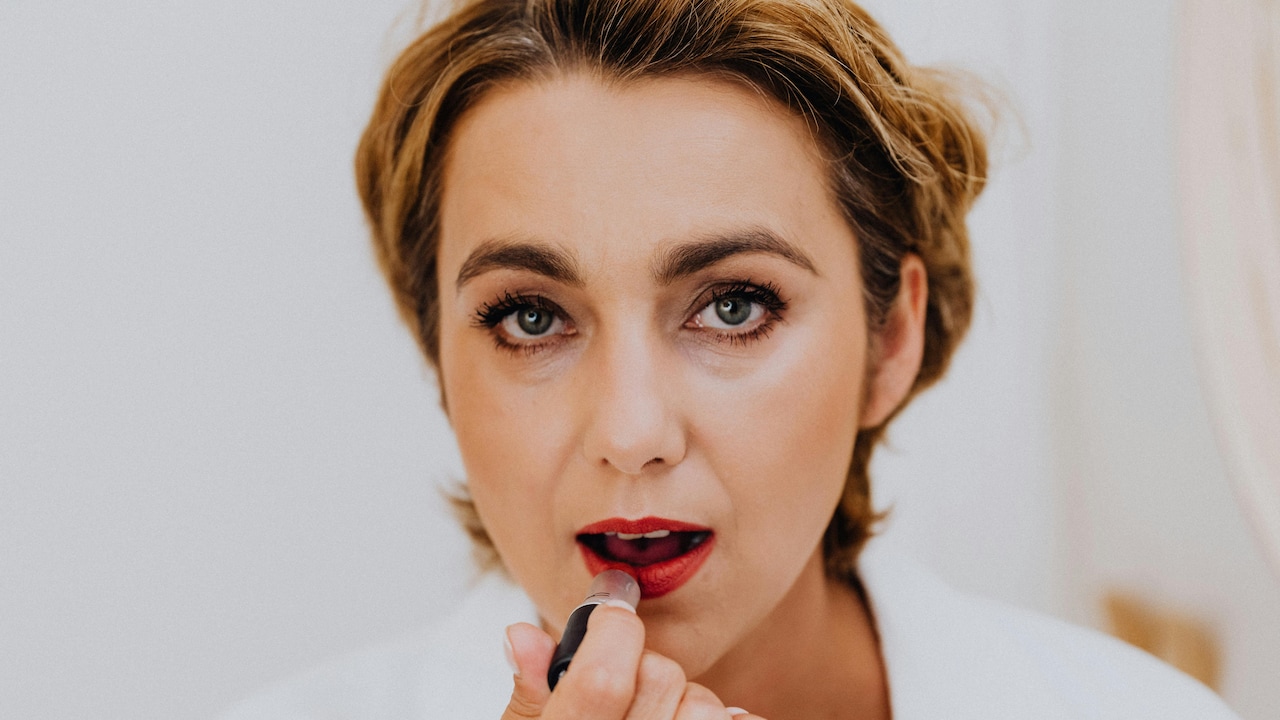
Top reasons why matte lipsticks crack easily
Matte lipsticks have earned a permanent spot in makeup bags. They look sophisticated, stay put through chai breaks, and photograph beautifully. Yet, there is a familiar disappointment that follows the first few hours of wear. That once smooth colour begins to crack, settle into lines, and highlight every dry patch like an unwanted spotlight.
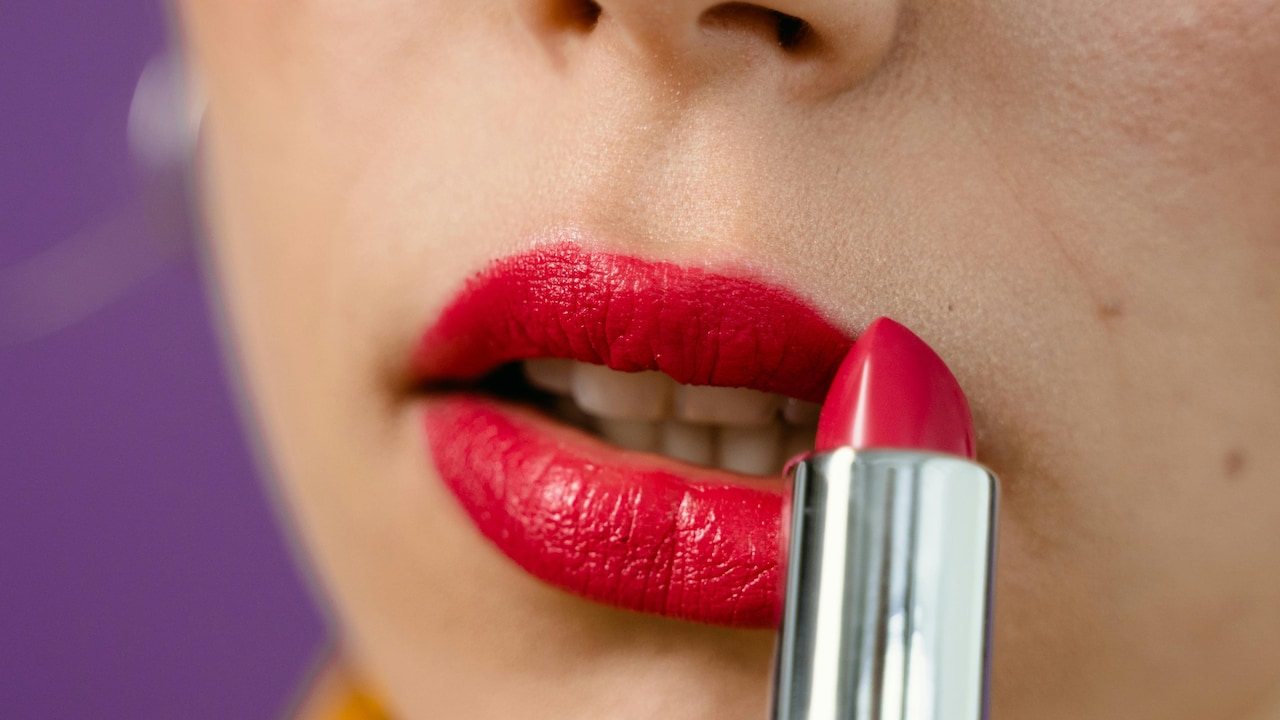
Explore why your matte lipstick cracks soon after application; Photo Credit: Pexels
The blame often falls on the product. Many assume the formula is too dry or simply not worth the hype. But the truth is less dramatic and far more fixable. Matte lipsticks demand a little preparation, and skipping that step leads to the very issues most complain about.
Lips, unlike other areas of the face, lack oil glands. They dry out faster, especially in changing weather, air-conditioned rooms, or long days outdoors. Without proper care, even the most expensive lipstick, whether it costs ₹500 or ₹2,500, struggles to perform well.
Understanding why matte lipsticks crack is the first step towards making them work beautifully. And more importantly, knowing what most people skip can completely change the experience.
Also Read: Top Lipsticks That Do Not Crack Even in Air-Conditioned Rooms
The Real Reason Matte Lipsticks Crack And What Most People Overlook
The Nature Of Matte Lipsticks
Matte lipsticks are designed to do one thing exceptionally well: stay in place. To achieve that velvety, non-shiny finish, these formulas contain less oil and more pigments and powders. This gives that rich colour payoff but also reduces flexibility on the lips.
Unlike creamy or glossy lipsticks, matte formulas do not glide over imperfections. They cling to the surface. This means every tiny crack, line, or dry patch becomes visible. It is like wearing a fitted outfit. If the base underneath is uneven, it shows.
This is not a flaw. It is simply how matte products work. Expecting them to behave like hydrating balms leads to frustration. The trick lies in working with their nature rather than against it.
When lips are smooth and hydrated, matte lipsticks look flawless. When lips are dry, the same lipstick can look patchy within minutes. The difference lies not in the tube, but in the lips themselves.
Lips Are More Delicate Than They Seem
Lips may appear simple, but they are one of the most sensitive areas on the face. The skin here is thinner and lacks oil glands. This makes lips prone to dryness, especially during seasonal changes or long days spent outdoors.
Daily habits contribute more than expected. Skipping water, sipping too much caffeine, or even constant lip licking can dry out lips. Many do not realise that lip licking, although comforting for a moment, actually worsens dryness.
Think of lips as a sponge. Without moisture, they shrink and develop cracks. Applying matte lipstick on top of this is like painting over a rough wall. The finish will never look smooth.
Taking care of lips does not require luxury products or expensive routines. A simple lip balm that costs ₹150 can make a noticeable difference if used regularly. The key is consistency rather than cost.
The Missing Prep Step: Exfoliation
One of the most overlooked steps in lip care is exfoliation. Dead skin builds up on the lips just like it does on the face. Without removing this layer, lipstick cannot sit evenly.
Exfoliation does not have to be complicated. A gentle scrub made at home using sugar and a drop of honey works just as well as many store-bought options. Even a soft toothbrush can do the job if used carefully.
Skipping this step is one of the biggest reasons matte lipsticks crack. Dead skin creates an uneven surface. When lipstick is applied, it settles into those dry patches and highlights them.
Regular exfoliation, done once or twice a week, keeps lips smooth. It also helps lip balms and treatments absorb better. The result is not just better lipstick application but healthier lips overall.
Hydration Is Non-Negotiable
Hydration is often misunderstood. Applying lip balm right before lipstick is not enough. Lips need consistent care throughout the day and night.
Think of hydration as building a foundation. Without it, everything applied on top struggles to stay intact. Drinking enough water, using a nourishing lip balm, and avoiding harsh products all contribute to better lip health.
Night-time care is especially important. Applying a thick layer of lip balm before sleep allows lips to repair overnight. By morning, they feel softer and smoother, ready for lipstick.
Skipping hydration leads to the classic cracking effect. Matte lipsticks amplify dryness because they do not add moisture. They simply sit on the lips. Without hydration underneath, they reveal every flaw.
The Role Of Lip Primers
Lip primers are often ignored, yet they can make a noticeable difference. Just like face primers smooth out skin before foundation, lip primers create an even base for lipstick.
A good lip primer fills in fine lines and prevents lipstick from settling into cracks. It also improves longevity, which is useful during long days or events.
Many skip this step, assuming it is unnecessary. But for those who struggle with matte lipsticks cracking, a primer can be a game-changer.
Even a small amount makes a difference. It creates a barrier between the lips and the lipstick, allowing the colour to glide on more smoothly. The result is a more polished, even finish.
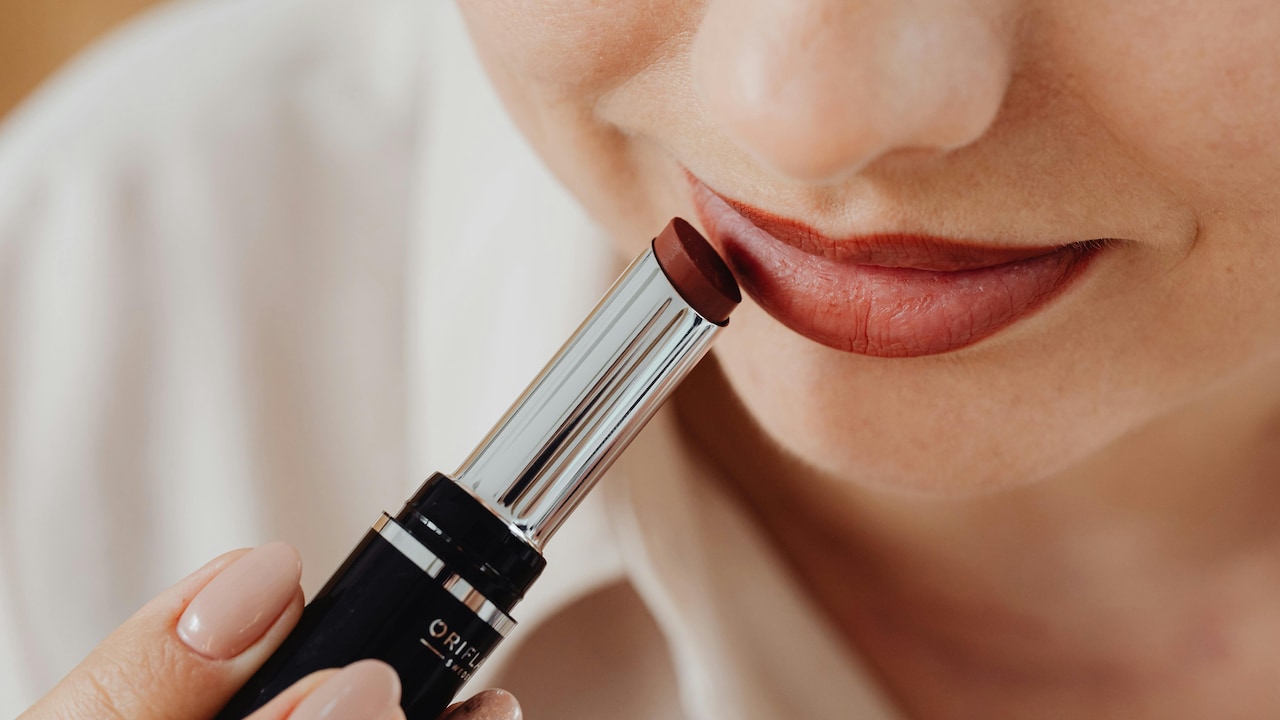
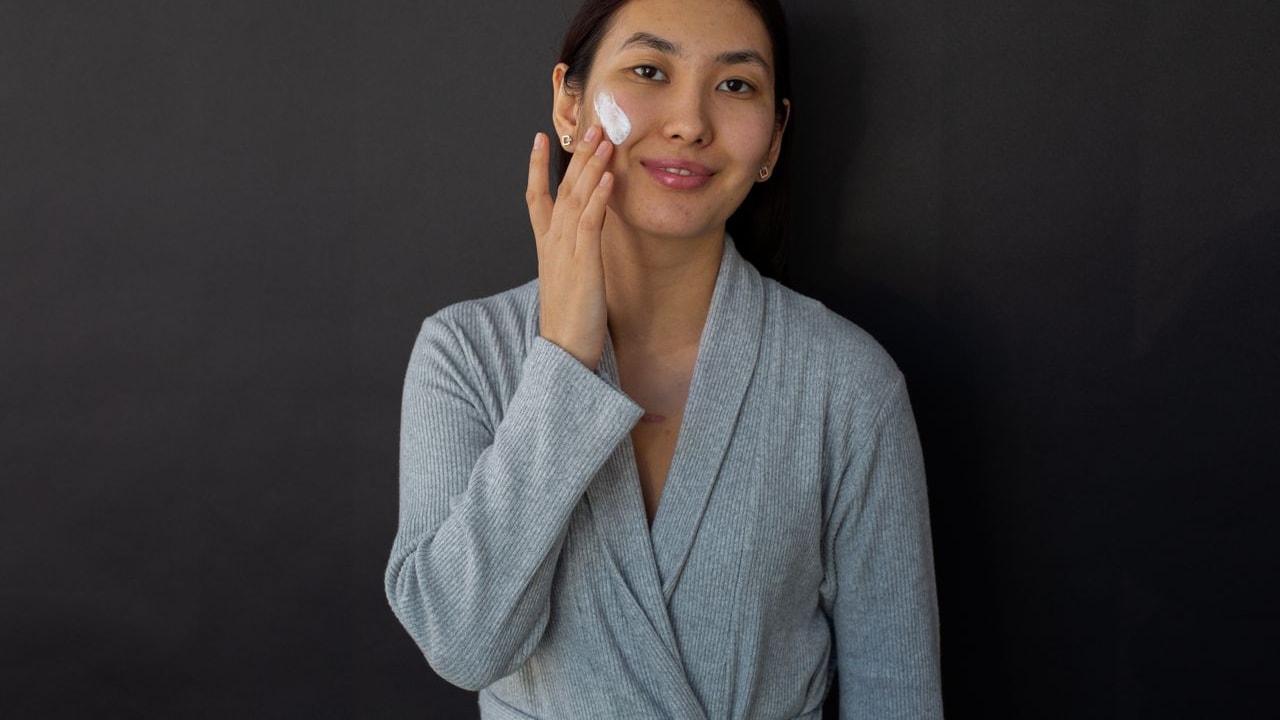
Using a lip primer can prevent lipstick from settling into cracks; Photo Credit: Pexels
Application Technique Matters More Than You Think
The way lipstick is applied can affect how it looks hours later. Applying too much product at once often leads to cracking. Thick layers tend to dry unevenly.
Instead, applying thin layers works better. Start with a light coat, allow it to set, and then build up the colour if needed. This creates a more even finish and reduces the chance of cracking.
Using a lip brush can also help. It allows for more control and ensures the product spreads evenly across the lips.
Rushing through the application often leads to mistakes. Taking an extra minute can make a noticeable difference in how the lipstick wears throughout the day.
Weather Plays A Bigger Role Than Expected
The weather has a surprising impact on lips. Dry, cold air can strip moisture, while excessive heat can dehydrate the body overall. Both conditions affect how lipstick performs.
During cooler months, lips tend to dry out faster. Matte lipsticks may crack more easily if the lips are not properly hydrated. In warmer months, dehydration can still occur, especially with long hours outdoors.
Adjusting lip care based on the season helps maintain smooth lips. Heavier balms work well in colder weather, while lighter, hydrating formulas suit warmer days.
Ignoring weather changes often leads to frustration. The same lipstick may behave differently depending on the environment. Understanding this helps set realistic expectations.
The Impact Of Diet And Lifestyle
Diet plays a subtle but important role in lip health. Lack of essential nutrients can lead to dryness and cracking. Vitamins like B and E contribute to healthier skin, including the lips.
Lifestyle habits also matter. Long hours without water, frequent consumption of salty snacks, or excessive caffeine can dehydrate the body. This reflects on the lips.
Small changes can make a difference. Drinking more water, adding fruits and vegetables to meals, and reducing excessive caffeine intake all contribute to healthier lips.
Lip care is not just about products. It is also about daily habits. Ignoring this aspect often leads to recurring issues, no matter how many lipsticks are tried.
Choosing The Right Matte Formula
Not all matte lipsticks are created equal. Some formulas are more forgiving than others. Liquid mattes, for example, tend to be more drying than creamy matte bullets.
Understanding the difference helps in making better choices. Some brands offer matte lipsticks with added hydration, making them more comfortable to wear.
Price does not always determine quality. A lipstick priced at ₹700 can perform just as well as one priced at ₹2,000 if it suits the lips.
Testing products and paying attention to how they feel on the lips helps in finding the right match. Choosing the right formula reduces the chances of cracking significantly.
The Final Touch: Blotting And Setting
Blotting is a simple step that many overlook. After applying lipstick, gently blotting with a tissue removes excess product. This helps the lipstick set more evenly.
Some also use a light dusting of translucent powder over a tissue to set the lipstick. This technique enhances longevity without adding heaviness.
Skipping this step can lead to uneven wear. Excess product tends to gather in lines and cracks as the day progresses.
Blotting ensures a smoother finish and reduces the chances of cracking. It is a small step with noticeable results.
Products Related To This Article
1. Pilgrim Matte Bullet Intense Colour Transferproof & Smudgeproof Lipstick
2. Lakme Forever Matte Lightweight & Transferproof 16Hr Liquid Lipstick 5.6ml
3. MARS Matte Muse Lightweight Mousse Lipstick 3ml
4. Parul Garg Smudge-Proof Matte Lipstick with Shea Butter & Vitamin E-Primrose
5. Mamaearth Creamy Matte Long Stay Lipstick With Murumuru Butter - Rose Nude
Matte lipsticks are not the enemy. They simply demand a little more care and attention. The cracking, dryness, and uneven finish, often blamed on the product, usually stem from skipped preparation.
Smooth, hydrated lips create the perfect base for matte formulas. Exfoliation, hydration, and mindful application transform how these lipsticks perform. Small habits, like drinking enough water or applying balm overnight, make a lasting difference.
The most important step is the one most people ignore: preparation. Without it, even the best lipstick struggles to shine. With it, even a simple lipstick can look flawless.
Matte lipsticks are here to stay, and for good reason. With the right approach, they can look just as comfortable as they feel stylish. The secret is not in buying more products, but in using them wisely.
(Disclaimer: This article may include references to or features of products and services made available through affiliate marketing campaigns. NDTV Convergence Limited (“NDTV”) strives to maintain editorial independence while participating in such campaigns. NDTV does not assume responsibility for the performance or claims of any featured products or services.)