Niacinamide Breakouts: Why They Happen On Skin And Simple Ways To Prevent Them
Niacinamide can cause bumps, redness, and sudden breakouts in some skin types. Here’s why it happens, what triggers it, and simple ways to prevent it without quitting the ingredient.
Things to know about niacinamide breakouts and how to treat them easily.
Niacinamide has become the skincare equivalent of a dependable friend. It shows up everywhere: serums, moisturisers, sunscreens, even face washes. It promises brighter skin, smaller-looking pores, less oiliness, and fewer spots. That's basically the full wish list.
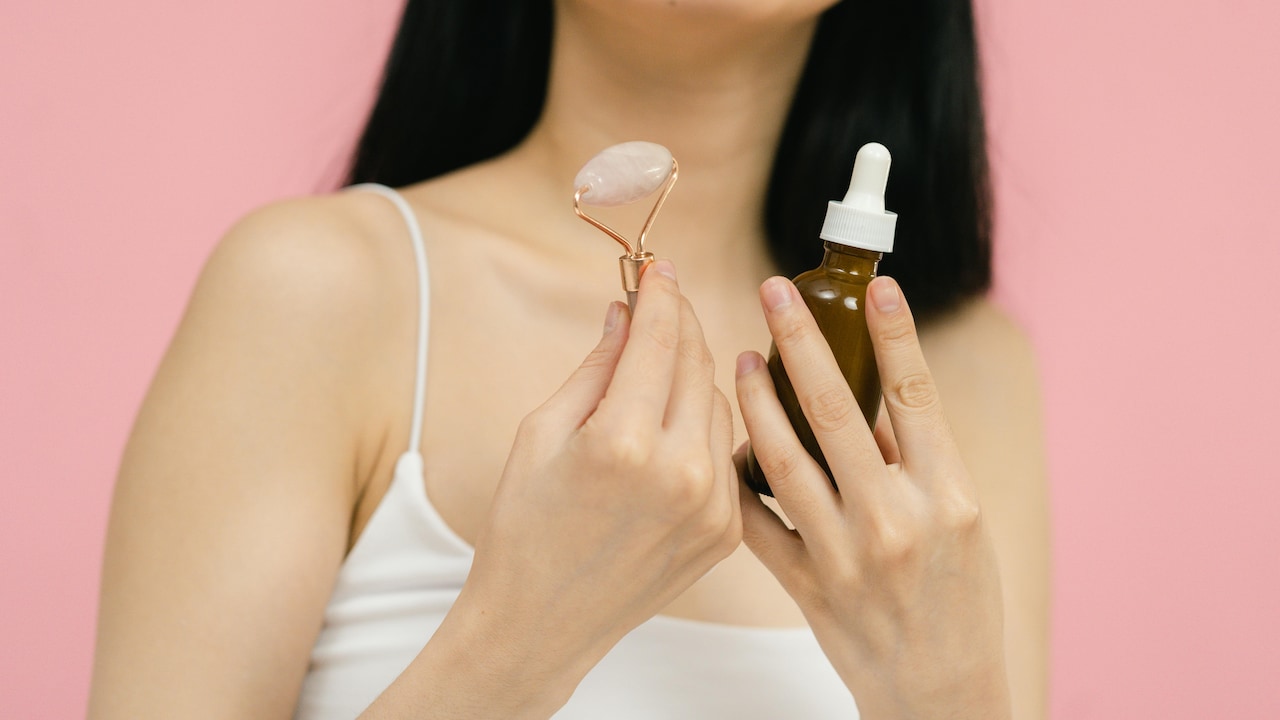
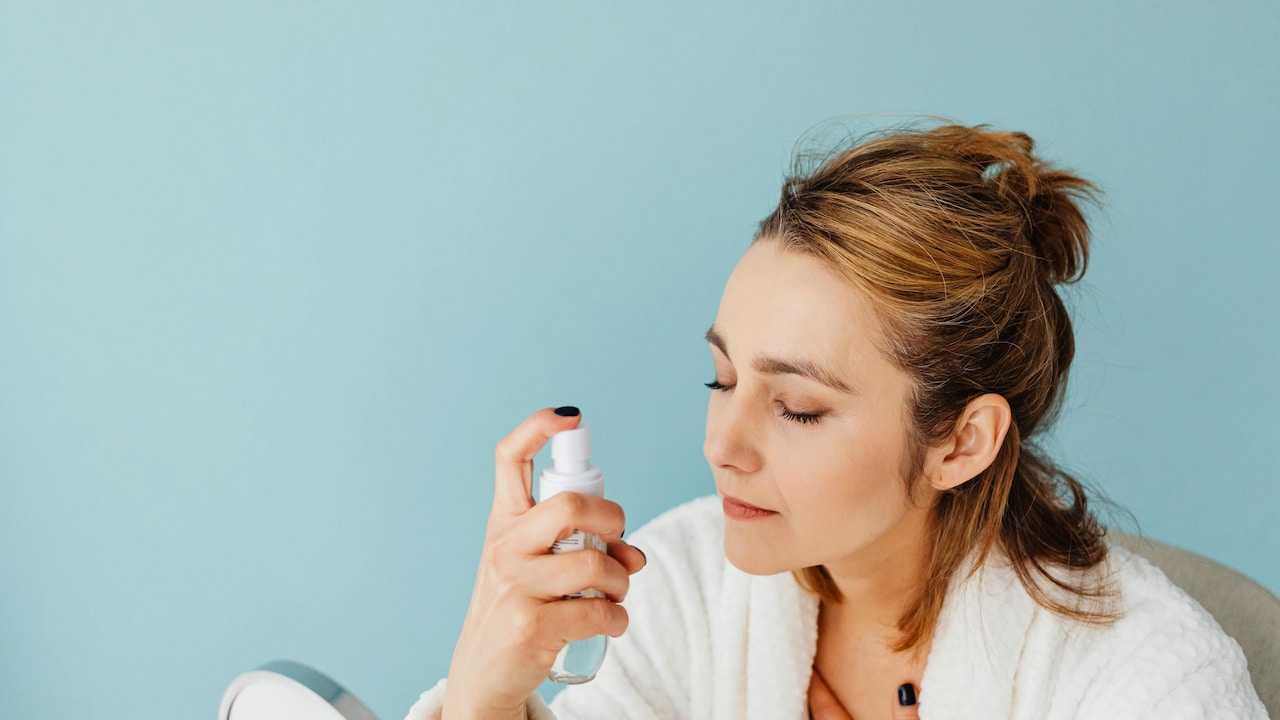
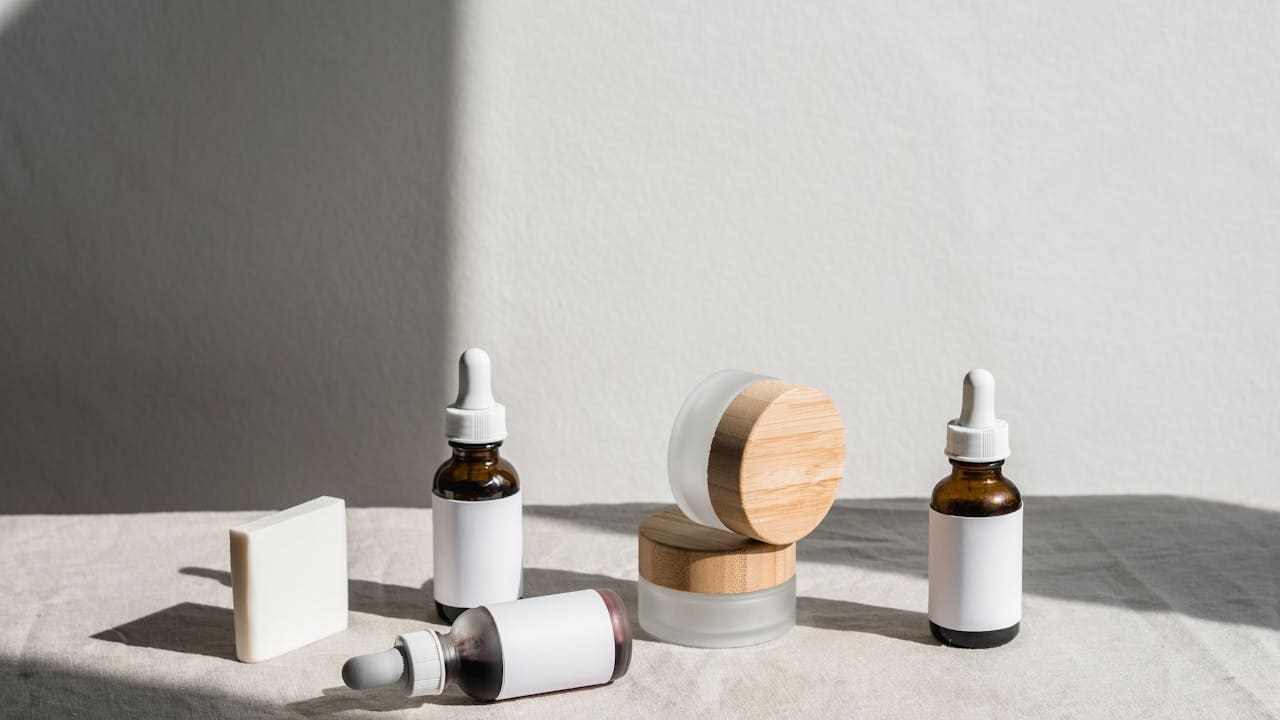
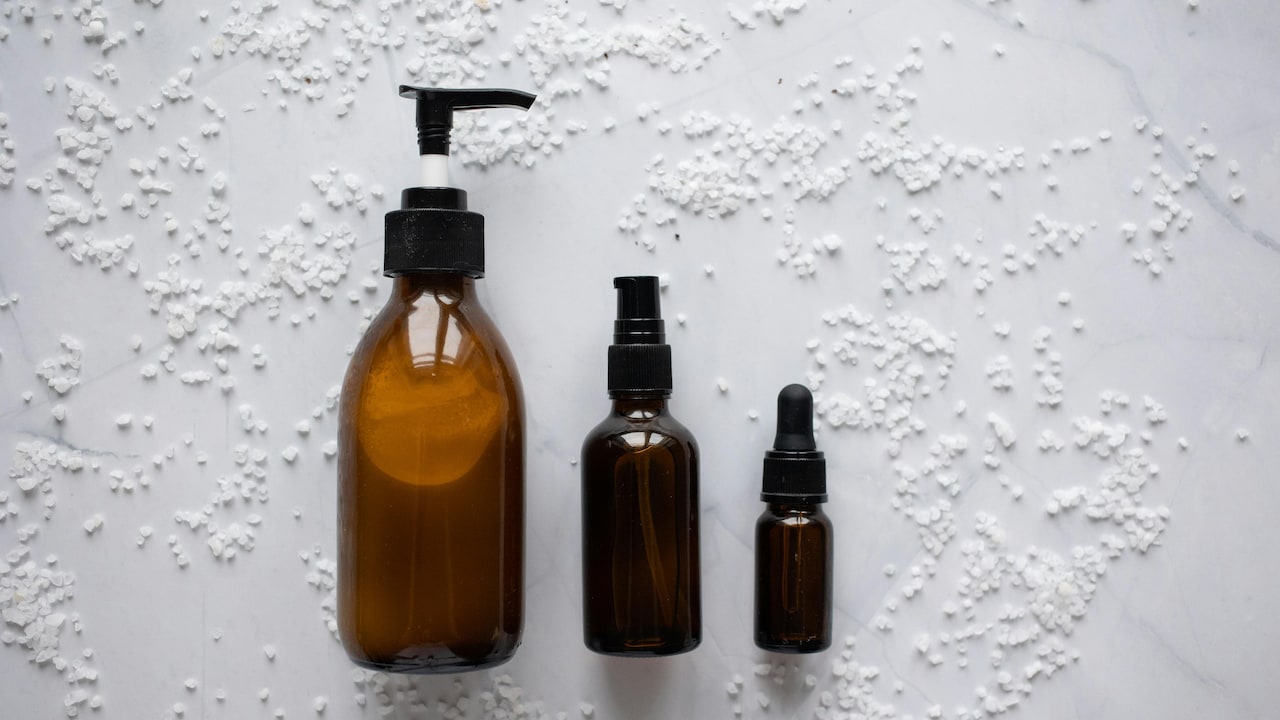
Discover the true cause behind niacinamide breakouts and how to fix them; Photo Credit: Pexels
And yet, the moment it enters a routine, some people start noticing new breakouts. Sometimes they are deep pimples. Sometimes they are tiny bumps that feel like sandpaper. Sometimes it's redness and stinging that looks suspiciously like acne but behaves more like irritation.
This is where the frustration kicks in. Money gets spent, routines get rearranged, and the mirror starts feeling like an enemy. Worse, the internet often responds with the classic non-answer: “Your skin is purging.”
Spoiler: niacinamide does not typically cause purging in the way exfoliating acids or retinoids can. So if breakouts show up, something else is usually going on. The good news is that most of these issues are preventable, and niacinamide can still be a brilliant ingredient when used properly.
The Real Reasons Niacinamide Causes Breakouts For Some People
1) Niacinamide Does Not Usually Cause Purging, So Something Else Is Happening
When people hear “breakouts after a new product,” they often assume the skin is purging. It sounds almost comforting, like a storm that must pass before clear skies return. But purging usually happens when a product speeds up skin cell turnover, pushing clogged pores to the surface faster. Think retinoids, salicylic acid, glycolic acid. Niacinamide doesn't work like that.
So if bumps appear after starting a niacinamide product, the skin is more likely reacting to irritation, a clogged-pore formula, or too much layering. This matters because purging advice encourages people to keep using the product for weeks while their skin gets worse.
A simple clue is timing. Purging tends to show up in the areas where breakouts already happen. Irritation breakouts can pop up in new places, look more inflamed, and come with itching, burning, or patchy redness.
It's a bit like ordering a mild chai and receiving something so spicy it makes the eyes water. That's not “adjustment.” That's a mismatch. And skin is allowed to complain.
2) High Percentages Can Trigger Irritation In Sensitive Or Compromised Skin
Niacinamide is usually well tolerated at lower levels, which is why it has a reputation for being gentle. But the skincare market loves extremes. So now there are formulas boasting 10%, 15%, even 20% niacinamide. That's where trouble can begin.
Higher percentages don't always mean better results. For many people, they mean a higher chance of irritation. When the skin barrier gets irritated, it can produce more oil, get inflamed, and break out more easily. The breakouts may look like acne, but the root cause is often barrier stress.
This is especially common if the skin is already sensitive from over-exfoliation, harsh face washes, or frequent actives. The skin barrier is like a protective wall. When it's strong, it keeps irritants out and moisture in. When it's weakened, everything feels too intense, even ingredients that are normally friendly.
A useful approach is to treat niacinamide like salt in food. A pinch enhances everything. A fistful ruins the dish. For most people, 2% to 5% is plenty.
3) The Real Culprit Is Often The Formula, Not The Niacinamide
Niacinamide gets blamed for breakouts the way the quiet kid gets blamed for a classroom prank. It's often present, but not responsible.
Many niacinamide products contain other ingredients that can trigger acne or irritation. Heavy silicones, certain oils, thick emollients, or occlusive textures can clog pores in acne-prone skin. Some products also contain fragrance, essential oils, or strong preservatives that sensitive skin dislikes.
This is why two people can use “niacinamide” and have opposite experiences. One uses a lightweight, fragrance-free serum and glows. Another uses a thick cream with added perfume and wakes up to a breakout party.
It helps to look at the product type. Niacinamide in a serum is usually lighter. Niacinamide in a moisturiser can be heavier. Niacinamide in sunscreen can be layered over other products, creating congestion.
If breakouts happen, it's worth checking whether the formula feels greasy, sits on the skin, or makes the face look shiny within minutes. That “dewy” look can sometimes be the first sign of pore congestion.
4) Mixing Too Many Actives Turns A Calm Ingredient Into A Problem
Niacinamide is often described as a team player. It pairs well with many ingredients and supports the skin barrier. That's true, until routines become crowded.
A common routine looks like this: a niacinamide serum, followed by vitamin C, followed by an exfoliating toner, followed by a retinoid at night. Then a rich moisturiser. Then sunscreen. Then a face mist. Then another serum because the heart wants what it wants.
Skin can't always handle that much stimulation. Even if each product is “good,” the combination can create irritation and inflammation. That inflammation can trigger breakouts.
There's also a behavioural pattern here. When people feel insecure about acne, they often throw more products at it. It feels productive. But skin tends to improve when routines become simpler, not more complicated.
Niacinamide works best when it gets space to do its job. If breakouts start, try using it alone with a basic moisturiser and sunscreen for a couple of weeks. No fancy layering. No chemical exfoliants every other day. Let the skin breathe.
5) Niacinamide Can Cause Flushing In Some People, Which Looks Like Acne
One confusing reaction is flushing. The skin suddenly looks red, warm, and irritated after applying a niacinamide product. Sometimes this comes with tiny bumps or a rough texture.
This can happen if the formula contains impurities or if the niacinamide converts into nicotinic acid under certain conditions. Nicotinic acid can cause a “niacin flush,” which is more common with oral niacin but can occasionally happen topically in sensitive individuals.
Flushing can be mistaken for acne because it often leads to inflammation, and inflammation can trigger breakouts. But it's more like the skin having a tantrum than a pore getting clogged.
If this happens, the solution isn't to push through. The skin is signalling discomfort. Switching to a lower percentage, a different brand, or a product designed for sensitive skin can help.
Also, patch testing matters. It sounds boring, like reading the terms and conditions. But it saves skin and money. A patch test behind the ear or on the jawline for a few days can reveal if flushing is likely.
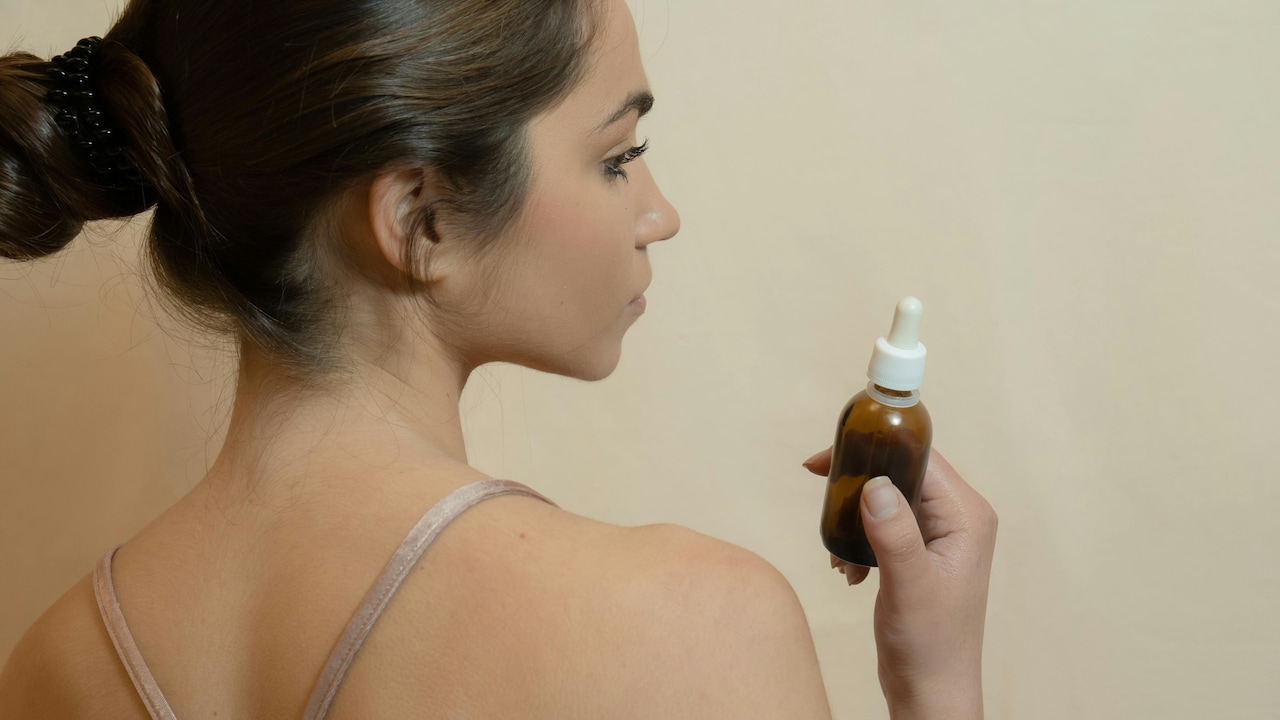
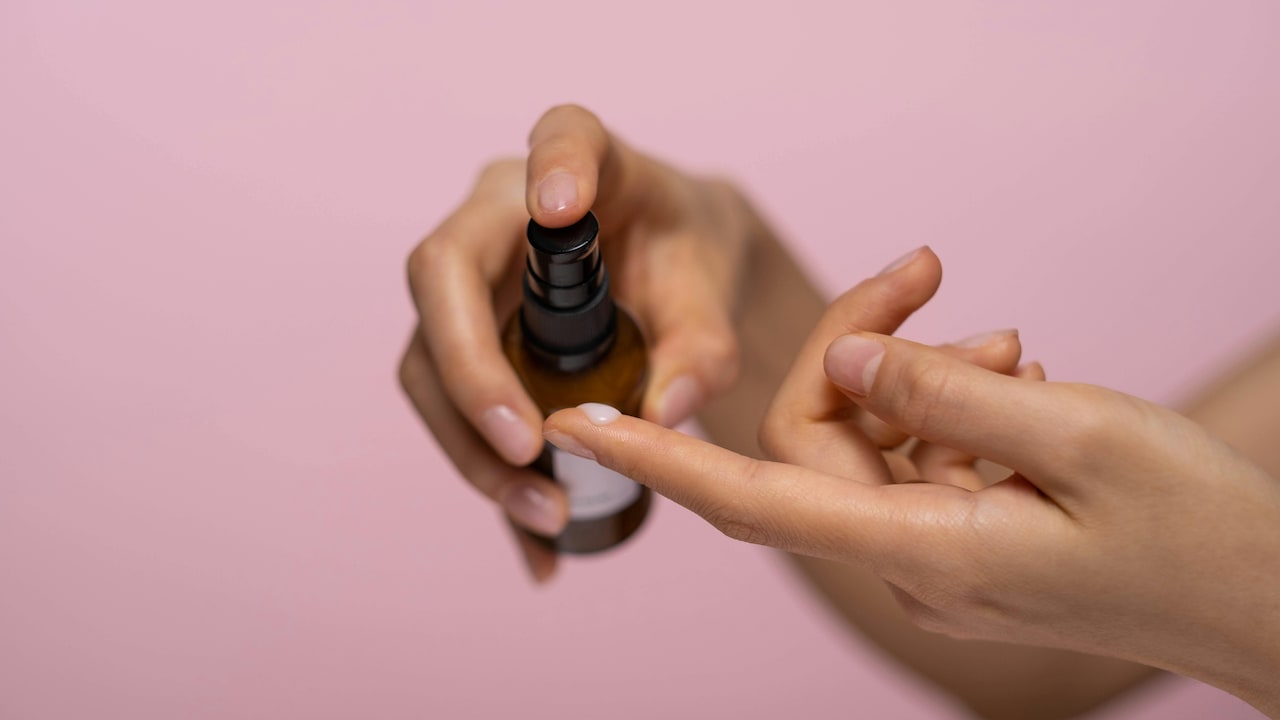
Niacinamide can cause mild irritation which often looks like pimples; Photo Credit: Pexels
6) Overuse Is A Quiet Disaster: Too Much, Too Often, Too Soon
Niacinamide is gentle enough that people assume it can be used endlessly. Morning and night. Two pumps instead of one. Mixed with other serums. Applied again “just in case.”
But skin is not a blank page. It's a living organ. Overuse can lead to irritation, especially with high-strength products. Irritated skin often becomes bumpy, red, and breakout-prone.
Another issue is that niacinamide is frequently found in multiple products at once. A person might use a niacinamide serum, then a moisturiser with niacinamide, then sunscreen with niacinamide. That stacks up fast.
When the skin starts breaking out, it helps to consider the total load. It's not just one product. It's the entire routine.
A simple reset can work wonders: use niacinamide once a day, not twice. Use a pea-sized amount. Let it absorb fully before applying the next layer. Keep the rest of the routine basic.
Skincare doesn't reward intensity. It rewards consistency. And sometimes, restraint.
7) The “Tiny Bumps” Might Be Closed Comedones From Texture Mismatch
Not all breakouts are dramatic. Sometimes the skin develops tiny bumps across the forehead, cheeks, or jawline. They don't always hurt. They just make the skin look uneven and feel rough.
These are often closed comedones, and they commonly happen when a product is too occlusive for the skin type. Many niacinamide serums are designed to feel hydrating, which can mean they include heavier humectants or film-forming agents. Some skin types love that. Others get congested.
This is especially common in hot, humid weather. A product that feels fine in winter can become too heavy in summer. Sweat, sunscreen, and pollution add to the mix. The pores start protesting.
If tiny bumps appear, switching to a lighter niacinamide product can help. Gel textures often work better for oily or acne-prone skin than creamy ones. Also, reducing the number of layers matters. When too many products sit on the skin, it's like wrapping the face in cling film.
The skin needs to breathe. Even if skincare marketing insists otherwise.
8) Skin Barrier Damage Makes Even Good Ingredients Feel Like Enemies
A damaged skin barrier changes everything. Products that once felt soothing suddenly sting. Skin feels tight after cleansing. Redness becomes more frequent. Breakouts appear more easily and heal more slowly.
In this state, even niacinamide can feel irritating, not because it is “bad,” but because the skin is raw and reactive. Think of it like applying perfume to a paper cut. The perfume isn't evil. The timing is wrong.
Barrier damage often comes from over-cleansing, using scrubs, applying acids too often, or chasing instant results. It can also happen after professional treatments, sun exposure, or stress.
If niacinamide triggers breakouts in a barrier-damaged phase, the best move is to pause actives and focus on repair. A gentle cleanser, a basic moisturiser, and sunscreen. That's it.
Once the skin feels calm again, niacinamide can be reintroduced slowly. Skincare is a relationship. When trust breaks, it takes time to rebuild.
9) Poor Layering And Pilling Can Create Friction, Which Triggers Breakouts
This one sounds silly until it happens. Some niacinamide serums pill when layered with certain sunscreens or moisturisers. The product rolls up into tiny bits, and people instinctively rub more to “fix it.”
That rubbing creates friction. Friction inflames the skin. Inflamed skin breaks out more easily. It's a chain reaction that starts with a texture issue.
Layering also affects absorption. If niacinamide sits under a heavy moisturiser too quickly, it may not settle properly. If it's applied on damp skin with certain formulas, it can feel stronger and more irritating. Some people do better applying it on dry skin.
A smoother routine helps. Apply one thin layer at a time. Give each layer a minute to settle. Avoid rubbing aggressively. Pat gently. Let skincare behave like skincare, not like floor polish.
If pilling is constant, it's not a personal failure. It's a product compatibility issue. Switching either the serum or sunscreen can solve it instantly.
10) How To Prevent Niacinamide Breakouts Without Giving Up Completely
Niacinamide can be an excellent ingredient when used thoughtfully. Preventing breakouts is less about fear and more about strategy.
Start with a lower concentration. Something around 2% to 5% is usually enough to support oil control, reduce redness, and strengthen the barrier. Higher percentages can be reserved for skin that already tolerates actives well.
Introduce it slowly. Use it every alternate day for a week, then once daily if the skin stays calm. Avoid starting it at the same time as a new exfoliant, retinoid, or sunscreen. If the skin reacts, it becomes impossible to identify the cause.
Choose formulas that match the skin type. Lightweight for oily and acne-prone skin. More hydrating for dry skin. Fragrance-free if the skin is sensitive.
Keep the routine simple. Niacinamide works best when it isn't competing with five other actives. And if breakouts happen, stop and reassess instead of pushing through.
Skincare is meant to feel supportive, not stressful. The goal is healthier skin, not a daily detective mystery.
Products Related To This Article
1. WishCare Niacinamide Oil Balance Fluid Sunscreen SPF 50 PA++++ In-Vivo Tested
2. Plum 3% Niacinamide Alcohol-Free Toner With Rice Water To Reduce Pores & Blemishes
3. Pilgrim 10% Vitamin C Face Serum with Niacinamide & Kakadu Plum
4. The Derma co. Sali-Cinamide Anti-Acne Face Wash
5. Conscious Chemist Blackhead Melting Water With Glycolic Acid
Niacinamide breakouts can feel unfair because the ingredient has such a gentle reputation. But in most cases, the issue isn't niacinamide itself. It's the percentage, the formula, the routine overload, or a skin barrier that's already struggling.
The best approach is to treat niacinamide like a helpful tool, not a miracle fix. Use a sensible strength, introduce it slowly, and keep the rest of the routine calm. When the skin feels respected, it usually responds with fewer surprises.
And if niacinamide still doesn't work after careful attempts, that's fine too. Skincare isn't a moral test. It's just trial and error, preferably with fewer breakouts and a little more peace.
(Disclaimer: This article may include references to or features of products and services made available through affiliate marketing campaigns. NDTV Convergence Limited (“NDTV”) strives to maintain editorial independence while participating in such campaigns. NDTV does not assume responsibility for the performance or claims of any featured products or services.)