How To Choose A Conditioner For An Oily Scalp And Dry Ends
Oily roots and dry ends? Choose a conditioner that hydrates lengths without weighing down your scalp. This guide helps you pick the right formula, ingredients, and routine for balanced, healthy hair.
How To Choose The Right Conditioner For Oily Scalp And Dry, Damaged Hair Ends.
Some hair problems arrive with a dramatic flourish. Others creep in quietly, like the moment you realise your scalp looks oily by lunchtime, yet your ends feel like they've been through a desert safari. This oily-scalp-dry-ends combo is one of the most common hair struggles, especially in places where heat, humidity, dust, hard water, and air pollution all show up to the party uninvited.
It's also the kind of issue that makes people do the exact wrong thing. They stop conditioning altogether because they fear greasy roots. Or they drown their hair in heavy conditioners and wonder why the scalp looks shiny enough to reflect sunlight.
Conditioner is not the villain here. The wrong conditioner is.
Choosing the right one is less about chasing fancy labels and more about understanding what your hair actually needs. And yes, it is possible to keep the scalp fresh while making the ends soft, smooth, and less prone to snapping like a dry twig.
How To Choose A Conditioner For An Oily Scalp And Dry Ends
Photo Credit: Pexels
The 10 Smart Rules For Picking The Right Conditioner
1. Understand The Real Problem: Two Zones, Two Needs
Hair with an oily scalp and dry ends behaves like a split-personality character. The scalp produces more sebum than necessary, often because of genetics, sweat, weather, stress, or over-cleansing. The ends, meanwhile, feel dry because they're older hair. They've faced heat styling, UV exposure, rough towel drying, and the daily friction of clothes, backpacks, and hair ties.
This is why a single “for dry hair” conditioner can backfire. It may be too rich for the scalp. On the other hand, a “for oily hair” product may feel too light for the lengths, leaving them rough and tangly.
The best approach is to choose a conditioner that is lightweight but nourishing. Think of it like a good snack: filling enough to stop hunger, not so heavy that it ruins the rest of the day. The goal is balance, not extremes. When a conditioner supports the ends without coating the scalp, the whole hair routine becomes easier, and the greasy-by-noon problem starts to calm down, too.
2. Stop Conditioning The Scalp (Yes, Really)
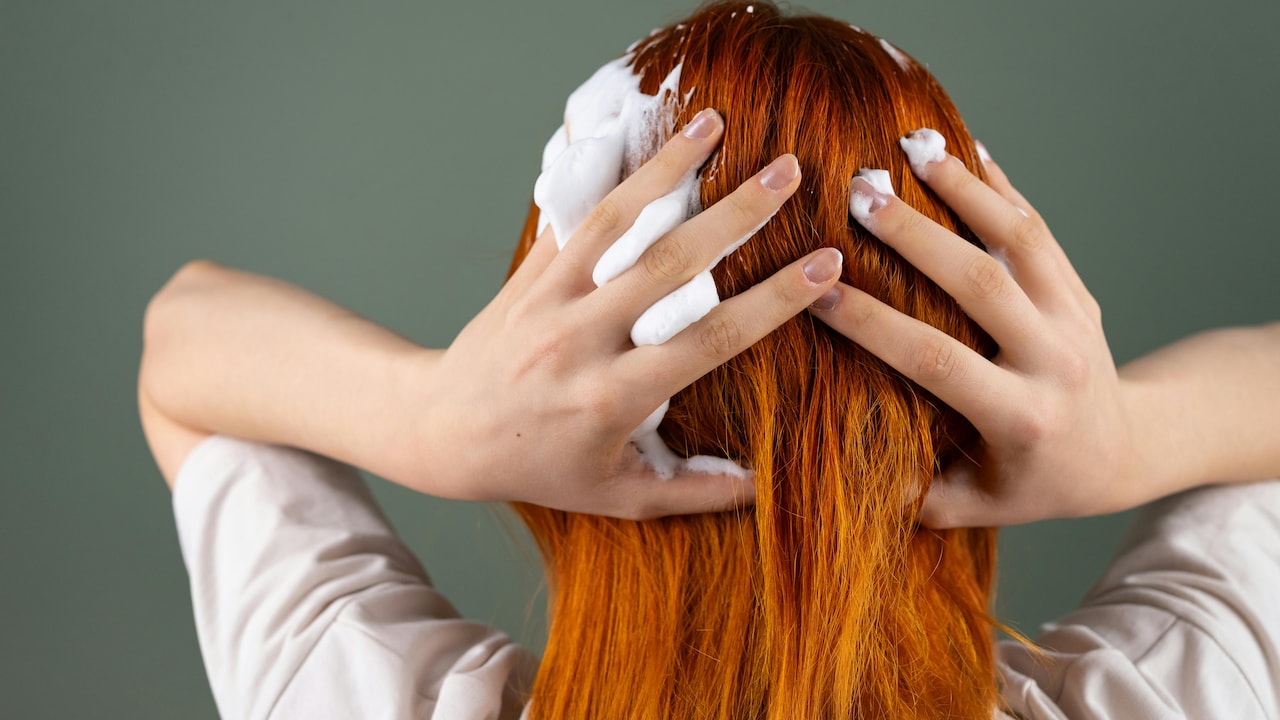
This single habit change can make a bigger difference than switching brands five times. Conditioner belongs on the mid-lengths and ends, not the scalp. When conditioner sits on the scalp, it can mix with natural oils and sweat. That creates a heavy layer that looks greasy, attracts dust, and sometimes even triggers itchiness.
A lot of people apply conditioner like shampoo, spreading it everywhere out of habit. It feels logical, but hair logic works differently. The scalp already has oil. The ends do not.
A practical trick: imagine the hair from ear level down as a separate section. That is the zone that needs conditioning. Even if the conditioner is labelled “lightweight”, the scalp rarely needs it.
And if the worry is dryness near the roots? That often comes from shampooing too aggressively, not from a lack of conditioner on the scalp. Fix the cleansing step and apply conditioner only where it matters. Your hair will look fresher for longer, and the ends will still feel soft.
3. Choose Lightweight Hydration, Not Heavy Repair
Conditioners come in two broad personalities. Some focus on hydration and softness. Others focus on deep repair and heavy smoothing. For oily scalp and dry ends, lightweight hydration usually works better for daily use.
Deep repair conditioners can be brilliant, but they tend to contain richer oils, thicker silicones, and heavier butters. These can weigh down fine hair and make the roots collapse. They also create the “flat crown, frizzy ends” look, which is the worst of both worlds.
Instead, look for words like “hydrating”, “balancing”, “daily moisture”, or “lightweight smooth”. These often include humectants and conditioning agents that soften without turning hair limp.
The ends should feel pliable, not coated. When hair feels like it has a waxy film, that is not nourishment. That is buildup wearing a disguise. The right conditioner makes hair behave better, but it still feels like hair. Not like it has been dipped in melted candle wax.
4. Read Ingredients Like A Detective, Not A Chemist
Ingredient lists can look intimidating, but they're not impossible. You don't need to memorise scientific names like the exam syllabus. Just learn to spot a few patterns.
If the conditioner contains lightweight moisturisers such as glycerin, panthenol, aloe, or hyaluronic acid, it often suits dry ends without overwhelming the scalp. These ingredients attract moisture and improve softness.
If you see heavy butters and oils very high on the list, such as shea butter, cocoa butter, or coconut oil, the formula may feel too rich for frequent use. That doesn't mean it's bad. It just means it might be better as an occasional treatment rather than your regular conditioner.
Also, watch out for extremely heavy silicone blends if your hair gets greasy fast. Silicones can smooth and protect, but too much can lead to buildup. A balanced conditioner uses them smartly, not like a paint roller.
Think of ingredients as a recipe. A little ghee makes food delicious. Too much makes you want to lie down and question life choices.
5. Match Conditioner To Hair Texture, Not Just Scalp Type
People often choose conditioner based on scalp oiliness alone, forgetting that hair texture matters. Fine hair gets weighed down easily. Thick hair can handle richer formulas. Curly or wavy hair tends to need more moisture because the natural oils don't travel down the hair shaft as easily.
So even if two people both have oily scalps, they may need different conditioners.
If the hair is fine and straight, go for a conditioner that feels almost like a light lotion. It should rinse clean and leave softness without heaviness.
If the hair is thick or wavy, a slightly richer conditioner can work, as long as it stays off the scalp. In that case, dryness at the ends can be more intense, and a very light conditioner might not be enough.
The secret is this: choose conditioner for your lengths, not your scalp. Your scalp gets shampooed. Your ends get conditioner. Once you treat them as separate zones, the confusion disappears.
6. Avoid “Root To Tip” Claims That Sound Too Convenient
Some labels promise magical results: “controls oil at roots and repairs dry ends.” It sounds perfect. It also sounds like a product that wants to do everything at once, which rarely works well.
A conditioner cannot truly control oil production at the scalp. That is the scalp's biology. Some ingredients can help soothe, reduce irritation, or minimise greasy appearance. But oil control mainly comes from cleansing habits, scalp health, and sometimes hormonal factors.
So when a conditioner claims to solve oily scalp issues, treat it as marketing, not a guarantee. The best conditioners for this hair type usually focus on the ends and avoid being too heavy. They don't need dramatic claims. They just need to do their job quietly and consistently.
If a product pushes “root to tip conditioning”, it may tempt people to apply it on the scalp, which is exactly what causes the greasy, limp look.
Convenience sells. But hair care rewards the slightly boring truth: separate steps, separate zones, better results.
7. Pick The Right Scent And Sensory Feel (Yes, It Matters)
This might sound silly, but scent and texture can make or break consistency. A conditioner that smells too strong or feels too heavy often gets used incorrectly or avoided. And then people blame their hair.
If the conditioner feels thick like body butter, it's easier to over-apply. If it feels light and spreads easily, you can coat the ends evenly without using half the bottle.
Scent matters because hair holds fragrance. In hot weather, a strong scent can become overwhelming by afternoon, especially in crowded trains, offices, or long commutes. A fresh, mild scent feels cleaner and more comfortable.
Also, if a conditioner leaves a strong perfume behind, it can mask the smell of scalp oil rather than actually keeping hair fresh. That may feel fine for an hour, then turns into a confusing mix of floral and sweaty.
A good conditioner should make hair feel clean, not like it's trying to hide something. The best haircare products behave like a well-dressed person: noticeable in a good way, never loud.
8. Know When To Use A Rinse-Out Conditioner Versus A Mask
Many people with oily scalps fear masks. That fear is understandable. Some hair masks can make hair look greasy for two days straight. But masks are not the enemy. Timing is.
For this hair type, a rinse-out conditioner should be the regular product, used after most washes. It keeps ends manageable and reduces breakage.
A mask can be used occasionally, especially if the ends feel rough, colour-treated, or damaged. The key is to apply it only on the lower lengths, keep it away from the scalp, and rinse thoroughly.
Using a mask too often can overload the hair and cause buildup. That makes the scalp look oilier because the hair lies flat and clings together. It also makes the ends feel weirdly heavy yet still dry, which is a special kind of frustration.
A good rhythm is to treat masks like a special meal. Enjoy it sometimes. Don't eat biryani every day and expect to feel light and energetic.
9. Watch For Hard Water Clues And Choose Accordingly
Hard water is a silent troublemaker. Many households deal with water that contains high mineral content. Over time, these minerals deposit on the scalp and hair. That can cause the scalp to feel oily faster and the ends to feel rougher, even when using good products.
In this situation, conditioners that are too heavy can trap mineral buildup and make hair dull. A better option is a conditioner with a clean-rinsing feel and occasional use of a clarifying shampoo.
Some conditioners include chelating agents that help with mineral deposits. You don't need to obsess over the chemistry. You just need to notice the signs: hair feels rough right after washing, scalp gets greasy quickly, and shampoo doesn't seem to lather well.
When hard water plays a role, the conditioner should focus on smoothness and slip without excessive oils. Pairing it with a weekly clarifying wash can bring hair back to life.
Sometimes the problem isn't your hair. It's the water acting like an unwanted guest who refuses to leave.
How To Choose A Conditioner For An Oily Scalp And Dry Ends
Photo Credit: Pexels
10. Test Like A Real Person: The Two-Week Rule
Haircare often fails because people expect instant miracles. They try a conditioner once, decide it's terrible, and move on. Or they love it on day one, then realise by day five their scalp feels greasy, and their hair looks flat.
A more realistic approach is the two-week rule. Use the conditioner consistently for two weeks, applying it only to mid-lengths and ends. Keep shampoo and styling products the same while testing, so you can actually judge results.
During this period, notice a few simple things: Does the scalp stay fresh for longer? Do the ends feel softer and tangle less? Does hair feel light or coated? Does it look bouncy or flat?
If the ends still feel dry, the conditioner may be too light. If the hair feels limp and greasy faster, the conditioner may be too heavy or you may be applying too much.
The right conditioner should make hair easier to live with. Not perfect. Just better. Because the best haircare is the kind that quietly improves your day, not the kind that demands constant effort.
Products Related To This Article
1. L'oral Paris Hyaluron Moisture 72h Sealing Conditioner Dry Dehydrated Hair
2. Gir Aloe Vera Smooth Nourish Conditioner
3. Re'equil Anti Frizz Smoothening Hair Conditioner Babassu Oil 125g
4. Pilgrim Spanish Rosemary Biotin Anti Hairfall Conditioner Hairfall Reduction
5. Esken Professional Frizz Release Conditioner
Choosing a conditioner for an oily scalp and dry ends is less about finding a magical product and more about building a smarter routine. Treat the scalp and lengths as two separate zones. Keep conditioner away from the roots, focus on lightweight hydration, and pick formulas that rinse clean while still making the ends soft.
Pay attention to texture, water quality, and how your hair behaves across a full week, not just after one wash. Hair has moods, and it responds to consistency more than hype.
The best part? Once the right conditioner enters the routine, the daily hair drama calms down. The scalp stays fresher, the ends stop feeling like straw, and the whole head of hair starts acting like it belongs to the same person. That's the kind of peace everyone deserves, especially on a humid Monday morning when life already has enough opinions.
(Disclaimer: This article may include references to or features of products and services made available through affiliate marketing campaigns. NDTV Convergence Limited (“NDTV”) strives to maintain editorial independence while participating in such campaigns. NDTV does not assume responsibility for the performance or claims of any featured products or services.)