Perfumes That Smell Different After 10 Minutes: Top vs Base Notes Explained
Ever wondered why a perfume smells different after 10 minutes? Discover how top, heart, and base notes work together to transform your fragrance over time.

Explore what causes yout perfumes to change the way they smell after some time
A quick spray before stepping out often feels like the final flourish of getting ready. The first whiff sparkles, fresh, bright, sometimes citrusy or floral. But wait ten minutes, and that same perfume softens, deepens, or even surprises with an entirely new personality.
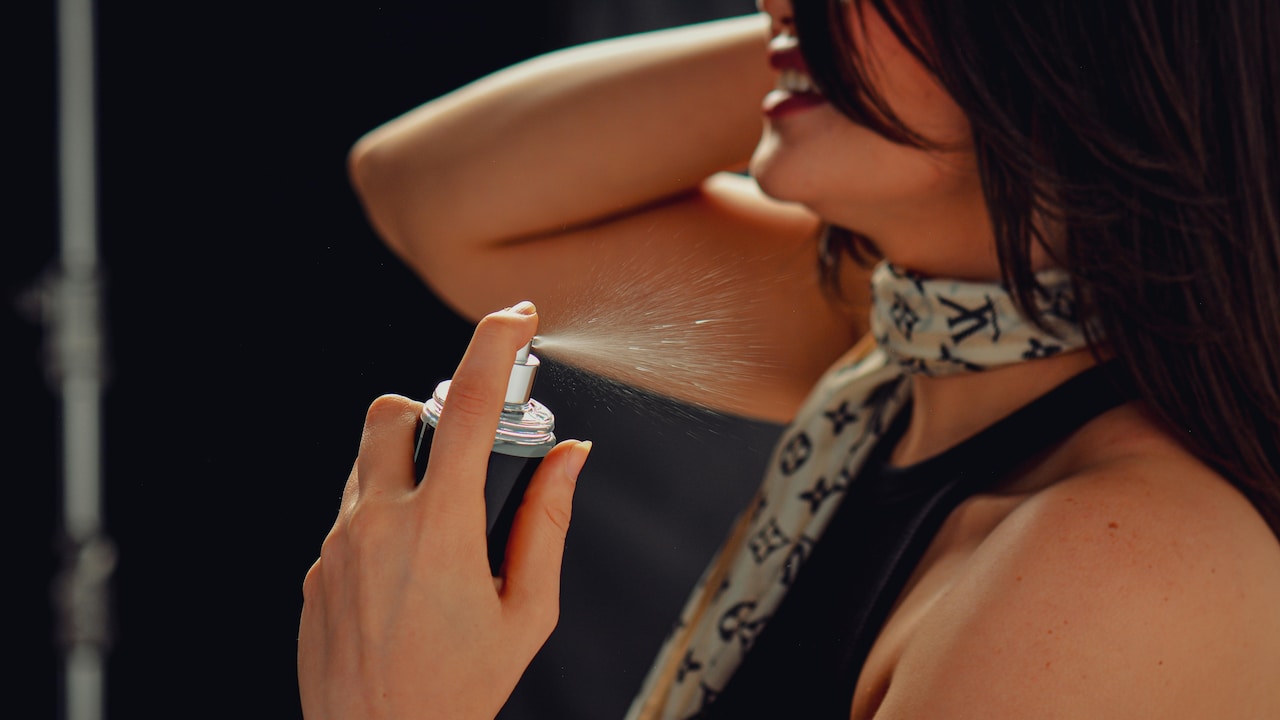
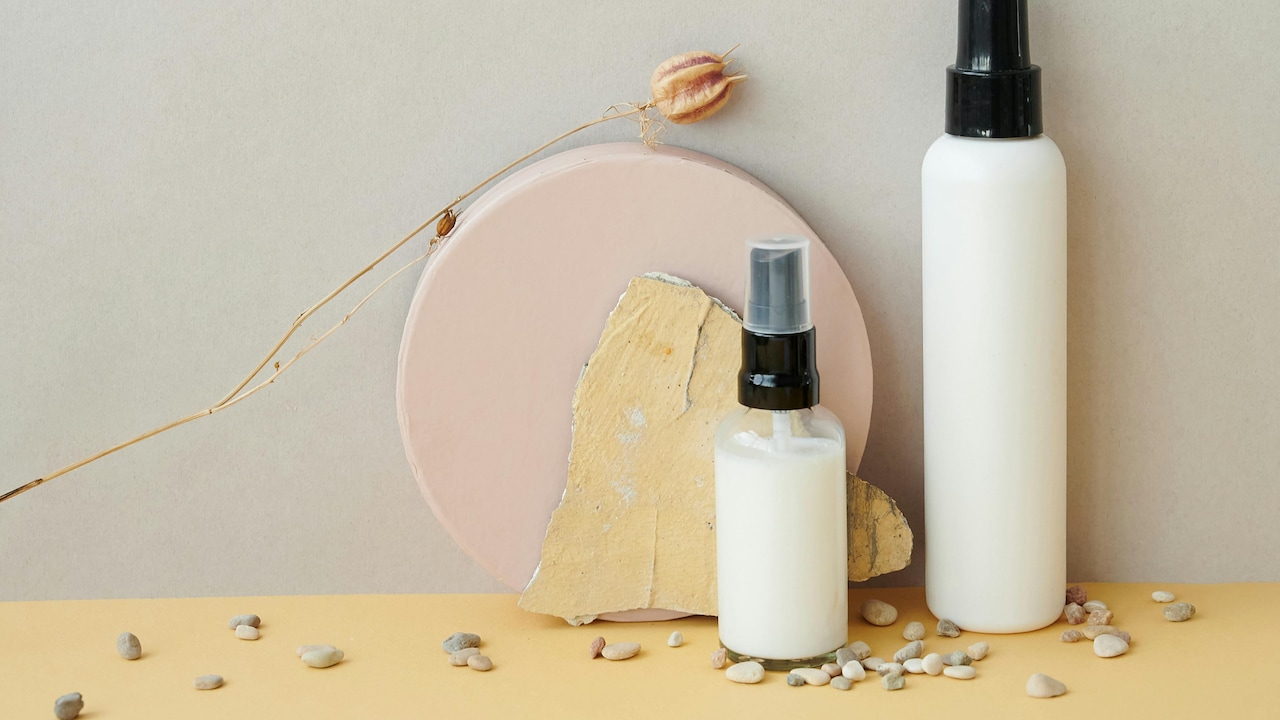
Important things to understand about top and base notes; Photo Credit: Pexels
This transformation often confuses first-time buyers. A fragrance chosen in a store may smell different once worn through the day, leading to regret over a ₹5,000 splurge. Yet, this shift isn't a flaw; it's the very essence of perfumery.
Perfumes evolve because they are built in layers. Each layer unfolds over time, reacting with skin, temperature, and even mood. This journey from first spray to lasting scent tells a story, much like a song that changes rhythm with each verse.
Understanding how perfumes change after ten minutes isn't just helpful, it's empowering. It allows better choices, smarter spending, and a deeper appreciation for fragrance as an art form rather than a quick purchase.
Also Read: Top 10 Luxury Perfume Brands For A Cool And Fresh Summer
Understanding How Perfume Notes Evolve Over Time
Why Perfumes Change After Application
The moment perfume touches skin, it begins to evaporate. This evaporation happens in stages, releasing different ingredients at different times. The earliest notes rise quickly, creating the first impression.
Think of it like chai simmering on a stove. At first, the aroma of spices hits sharply, but as it brews, deeper notes of tea and milk take over. Perfume behaves in a similar layered fashion.
Temperature plays a crucial role. In warmer climates, fragrances develop faster, sometimes making the top notes disappear within minutes. This explains why a scent tried in an air-conditioned store may feel completely different outdoors.
Skin chemistry also adds its own twist. Factors such as natural oils, diet, and hydration influence how a perfume unfolds. A fragrance that smells sweet on one person may feel sharper on another.
So, the next time a perfume changes after ten minutes, it isn't misbehaving. It's simply revealing its true personality.
What Are Top Notes In Perfumes
Top notes are the opening act. They create the first impression and often determine whether a fragrance gets attention at all. These notes tend to be light, fresh, and fleeting.
Common top notes include citrus fruits like lemon and bergamot, along with herbs such as mint or basil. These ingredients evaporate quickly, often within five to fifteen minutes.
That initial burst feels refreshing, almost like stepping into a cool room after a humid day. It grabs attention instantly but doesn't stay long.
Many people make the mistake of judging a perfume solely on these notes. That's like deciding on a film based only on its trailer. The real story hasn't even begun yet.
Top notes serve a purpose; they attract, intrigue and invite. But they are only the beginning of a longer sensory experience.
Understanding Heart Notes And Their Role
Once the top notes fade, heart notes step forward. Also known as middle notes, they form the core of the fragrance.
These notes usually last longer, often lingering for several hours. They include florals like rose, jasmine, and lavender, along with spices such as cinnamon or cardamom.
Heart notes bring balance. They smooth out the sharpness of top notes and prepare the transition into deeper base notes.
This phase often defines how others perceive the fragrance. A compliment received during the day usually comes from these notes rather than the initial spray.
There's something comforting about heart notes. They feel familiar, warm, and often nostalgic, like the scent of freshly washed clothes or blooming flowers on a quiet evening.
Ignoring this stage while choosing a perfume can lead to disappointment, as this is where the fragrance truly lives.
The Power Of Base Notes
Base notes are the final act, and arguably the most important. They anchor the fragrance and give it depth and longevity.
These notes emerge after about thirty minutes and can last for hours, sometimes even until the next day. Ingredients like sandalwood, vanilla, musk, and amber dominate this layer.
Base notes create the lingering impression. They are what remain on clothes, scarves, and even pillowcases.
There's a certain intimacy to base notes. They sit closer to the skin, revealing themselves gradually rather than loudly announcing their presence.
A perfume without strong base notes often fades too quickly, making it feel incomplete. On the other hand, a well-crafted base ensures the fragrance feels rich and memorable.
This is why some perfumes justify their ₹10,000 price tag; they last longer and evolve beautifully.
How Time Transforms A Fragrance
Perfume isn't static. It moves, shifts, and evolves over time. This transformation is what makes fragrance so fascinating.
Within the first ten minutes, top notes dominate. Soon after, heart notes begin to take over, softening the overall scent. Finally, base notes settle in, creating a lasting impression.
This journey is similar to a long drive. The beginning feels energetic, the middle relaxed, and the end calm and reflective.
Understanding this progression helps in appreciating perfumes beyond their initial scent. It also prevents impulsive buying decisions based on a quick spray.
Taking time to experience all stages reveals the true character of a fragrance. It's not just about how it smells instantly, but how it feels throughout the day.
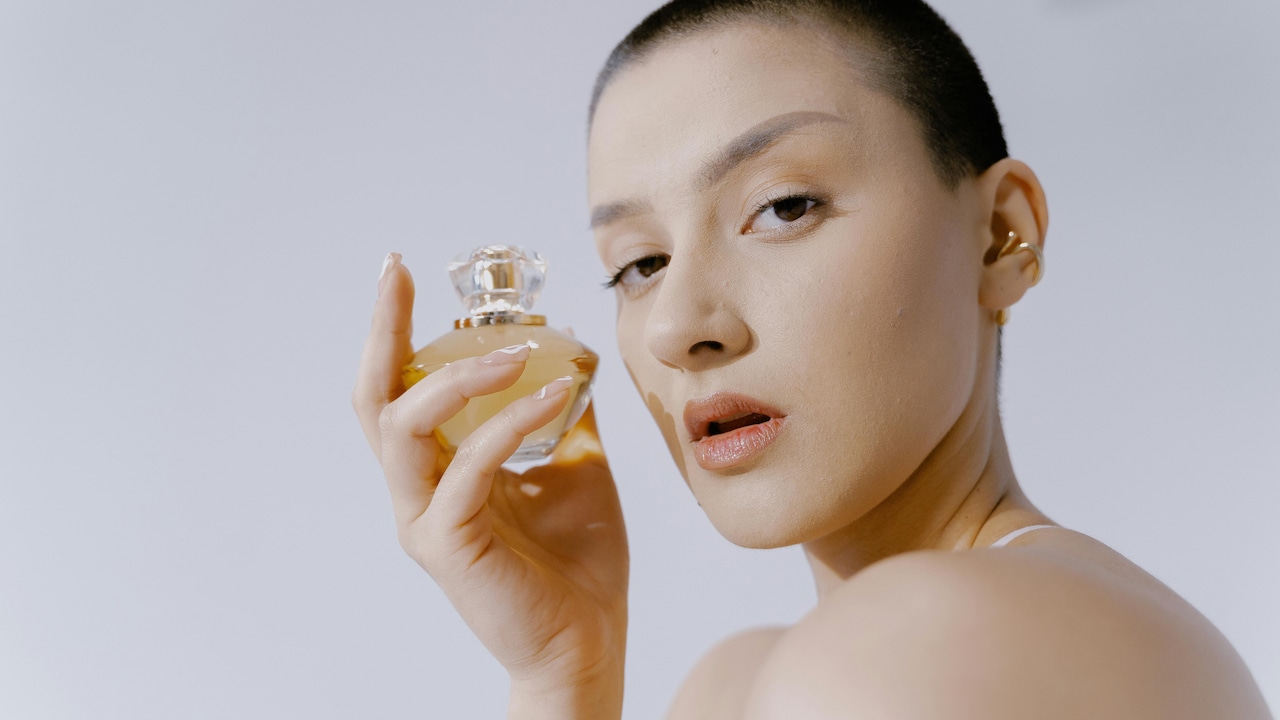
Perfumes move, shift, and evolve over time, changing the way they smell; Photo Credit: Pexels
Why Testing Perfumes Takes Patience
Perfume shopping often feels rushed. A quick spray, a sniff, and a decision follow. But this approach rarely works well.
A fragrance needs time to reveal itself. Testing it on the skin and waiting at least thirty minutes gives a clearer idea of its full profile.
Rubbing wrists together, a common habit, actually disrupts the fragrance structure. It breaks down the top notes too quickly, altering the intended experience.
Walking around with the scent, letting it settle, and revisiting it after some time offers better insight.
Perfume is an investment. Spending ₹3,000 or more on a bottle deserves more than a hurried decision.
Patience ensures the chosen fragrance truly matches personal preference rather than just appealing in the moment.
Climate And Its Impact On Fragrance
Weather plays a bigger role than most people realise. Heat accelerates evaporation, making perfumes develop faster and sometimes fade quicker.
In humid conditions, heavier scents can feel overwhelming. Lighter, citrus-based perfumes tend to perform better in such environments.
During cooler weather, deeper notes like oud, vanilla, and amber shine. They feel warm and comforting, wrapping around like a soft shawl.
Choosing a fragrance based on climate enhances its performance. A perfume that works beautifully in one season may not feel the same in another.
Understanding this helps in building a versatile fragrance collection without unnecessary spending.
Skin Chemistry: The Invisible Factor
No two people smell a perfume the same way. Skin chemistry influences how a fragrance evolves.
Factors like pH levels, natural oils, and even diet affect how notes interact with skin. Spicy food lovers may notice subtle differences in how fragrances develop compared to others.
Dry skin tends to absorb perfume faster, making it fade quickly. Moisturised skin holds fragrance longer, allowing it to develop more smoothly.
This is why a perfume recommended by a friend may not smell identical when worn personally.
Trying fragrances on skin rather than paper strips gives a more accurate experience. It ensures the chosen scent truly complements individual chemistry.
Common Mistakes When Choosing Perfumes
One of the biggest mistakes is buying based on the first impression. Top notes can be deceiving, leading to choices that feel disappointing later.
Another mistake involves over-spraying. Applying too much can overwhelm the senses, masking the subtle transitions between notes.
Ignoring the importance of base notes also leads to poor decisions. A fragrance that fades quickly often lacks a strong base.
Storing perfumes incorrectly affects their performance. Heat and sunlight can alter the composition, making them smell different over time.
Choosing perfumes based solely on trends rather than personal preference also backfires. A popular fragrance may not suit everyone.
Avoiding these mistakes ensures a more satisfying and lasting fragrance experience.
How To Choose A Perfume That Evolves Beautifully
A good perfume tells a story from start to finish. It feels cohesive, with each layer blending seamlessly into the next.
Testing a fragrance over time helps in understanding its full journey. Paying attention to how it smells after ten minutes, an hour, and even later offers valuable insight.
Looking for a balance between fresh, floral, and deep notes often leads to better choices. A well-rounded perfume feels complete rather than one-dimensional.
Budget doesn't always determine quality, but investing wisely matters. A ₹6,000 perfume that lasts all day often offers better value than a cheaper one that fades quickly.
Choosing a fragrance should feel personal. It should match mood, personality, and lifestyle rather than just trends.
A perfume that evolves beautifully becomes more than just a scent; it becomes a signature.
Products Related To This Article
1. Foxtale Valley Of Flowers Long Lasting Floral Eau De Parfum Perfume - 50 ml (For Men & Women)
2. Adilqadri The Story Perfume For Men & Women | French Scent | Long Lasting Extrait De Parfum - 50 ml (For Men & Women)
3. Renee Bloom Eau de Parfum - 50 ml (For Women)
4. Wild Stone Edge Perfume Eau de Parfum Eau de Parfum - 50 ml (For Men)
5. The Souled Store Naruto: Akatsuki 2.0 - 100 ml Eau de Parfum - 100 ml (For Men)
6. BLA BLI BLU Love Drunk Perfume for Men & Women|Cinnamon & Date Notes|Long Lasting Perfume - 100 ml (For Men & Women)
Perfumes are more than just pleasant aromas. They are layered experiences that unfold over time, revealing different facets with each passing moment.
The shift noticed after ten minutes isn't a flaw, it's the heart of perfumery. Top notes charm, heart notes connect, and base notes linger, creating a complete sensory journey.
Understanding these layers transforms the way fragrances are chosen and worn. It encourages patience, curiosity, and a deeper appreciation for the craft behind each bottle.
Next time a perfume changes unexpectedly, there's no need for confusion. It's simply telling its story, one note at a time.
(Disclaimer: This article may include references to or features of products and services made available through affiliate marketing campaigns. NDTV Convergence Limited (“NDTV”) strives to maintain editorial independence while participating in such campaigns. NDTV does not assume responsibility for the performance or claims of any featured products or services.)