ANC Vs Ear Plugs: Which Blocks Cracker Noise Better?
ANC vs earplugs: find out which blocks cracker noise better during Diwali, how both work, and what you should use to reduce exposure to loud fireworks.
ANC Vs Ear Plugs: Which Blocks Cracker Noise Better?
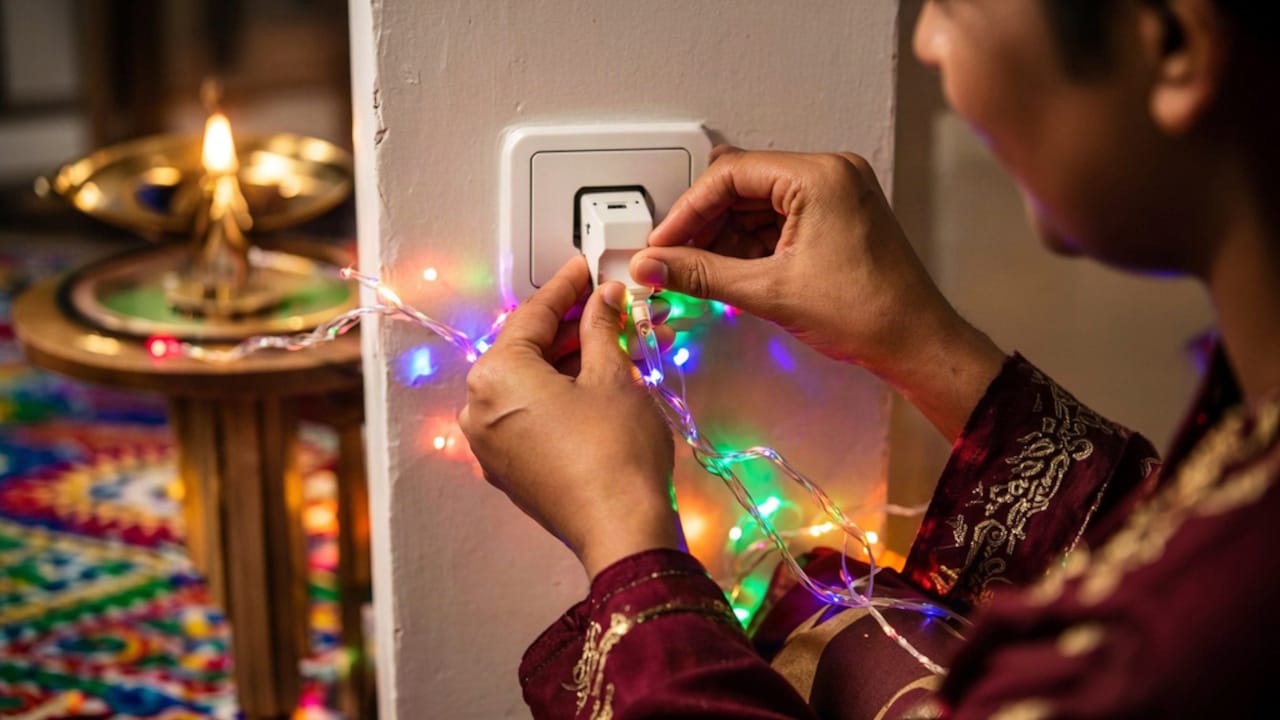
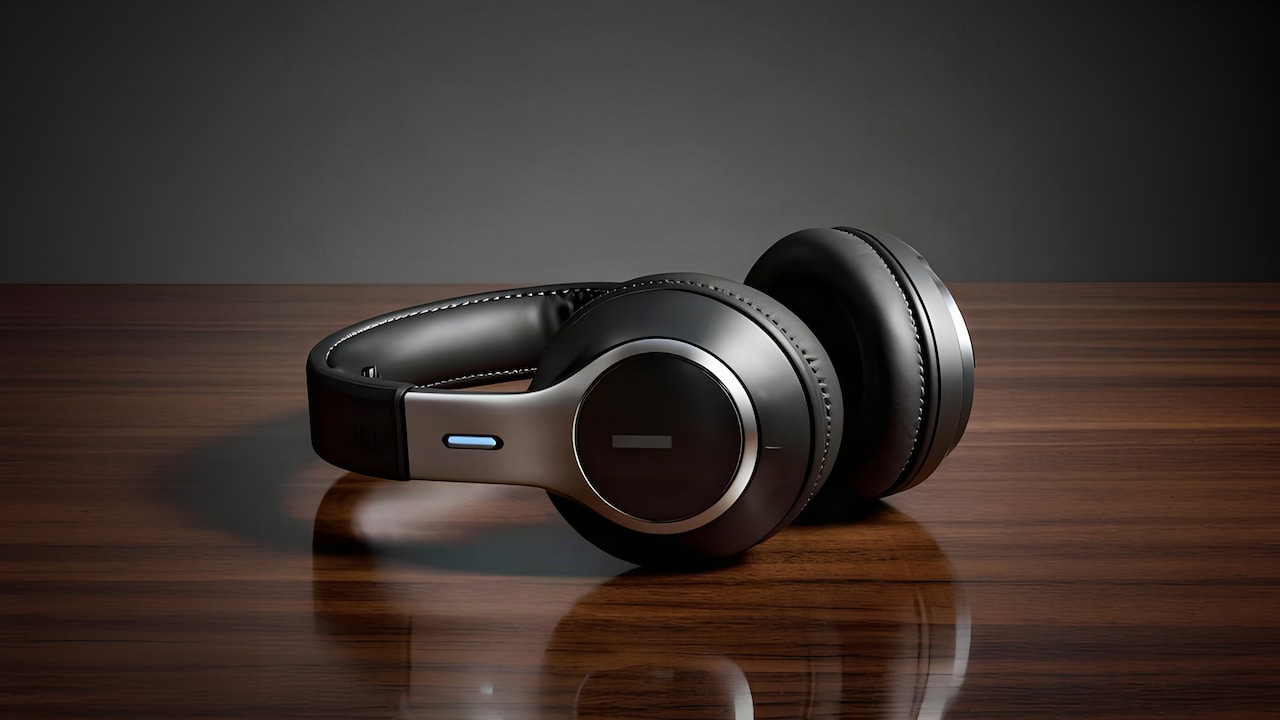
Diwali evenings can get pretty noisy, especially when crackers start bursting one after another outside your home. You might be watching a movie, trying to sleep, working from home, or simply hoping to enjoy a quieter evening with your family. This is when noise-cancelling earbuds and ear plugs start looking useful. Both can reduce the noise you hear, but they work differently. And when crackers produce sudden, sharp sounds, choosing the right option matters more than you might think. What works for regular traffic noise may not be enough for loud fireworks.
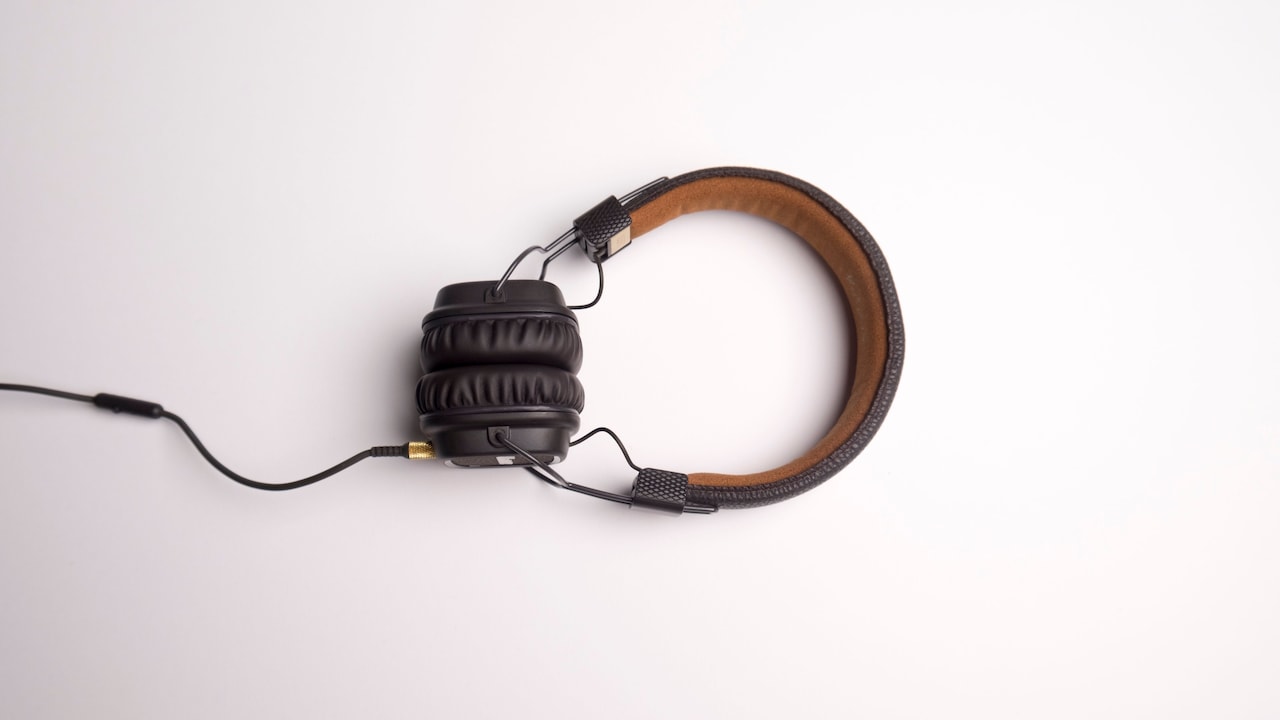
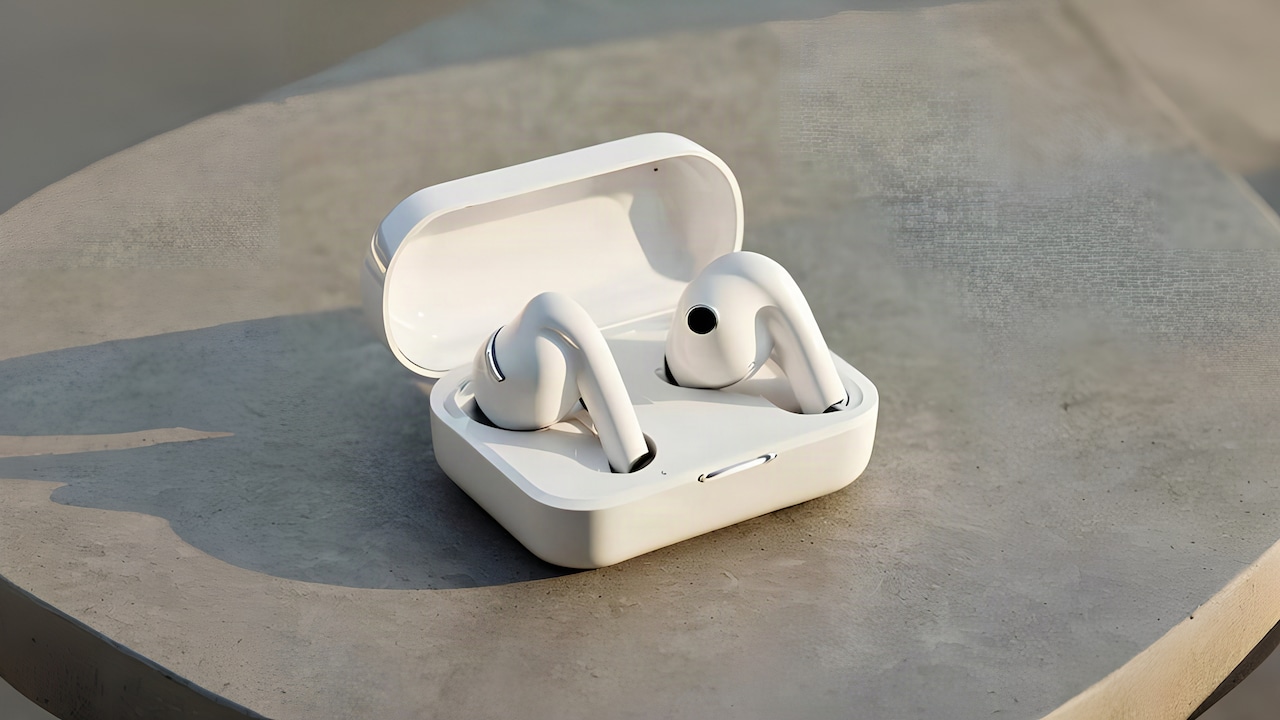
OnePlus Nord Buds 4 Pro ANC Earbuds
Photo Credit: iStock
So which one actually blocks cracker noise better, ANC or ear plugs? It depends on the level of protection you need and how loud the noise is around you. ANC (Active noise cancellation) works by making certain background sounds fade into the background, whereas ear plugs physically block sound from reaching your ear in the first place. Neither one will fully protect you from extremely loud crackers, particularly if you're standing close by. Here's a closer look at how the two compare, where each one fits, and what to keep in mind before buying either.
ANC Vs Ear Plugs: How Do They Work?
Both can reduce cracker noise, but the way they work is quite different. One thing worth remembering: reducing noise and actually protecting your hearing aren't the same thing.
1. How Active Noise Cancellation Works
ANC helps reduce the level of noise through microphone capturing sounds and the counter sound waves. It works well with low-level steady sounds such as the noise of air conditioners, engines and other traffic sounds.
However, firecrackers have a special nature to their noise. Therefore, ANC earbuds could partially reduce crackling noise, yet cannot be considered hearing protection from fireworks.
2. How Ear Plugs Reduce Cracker Noise
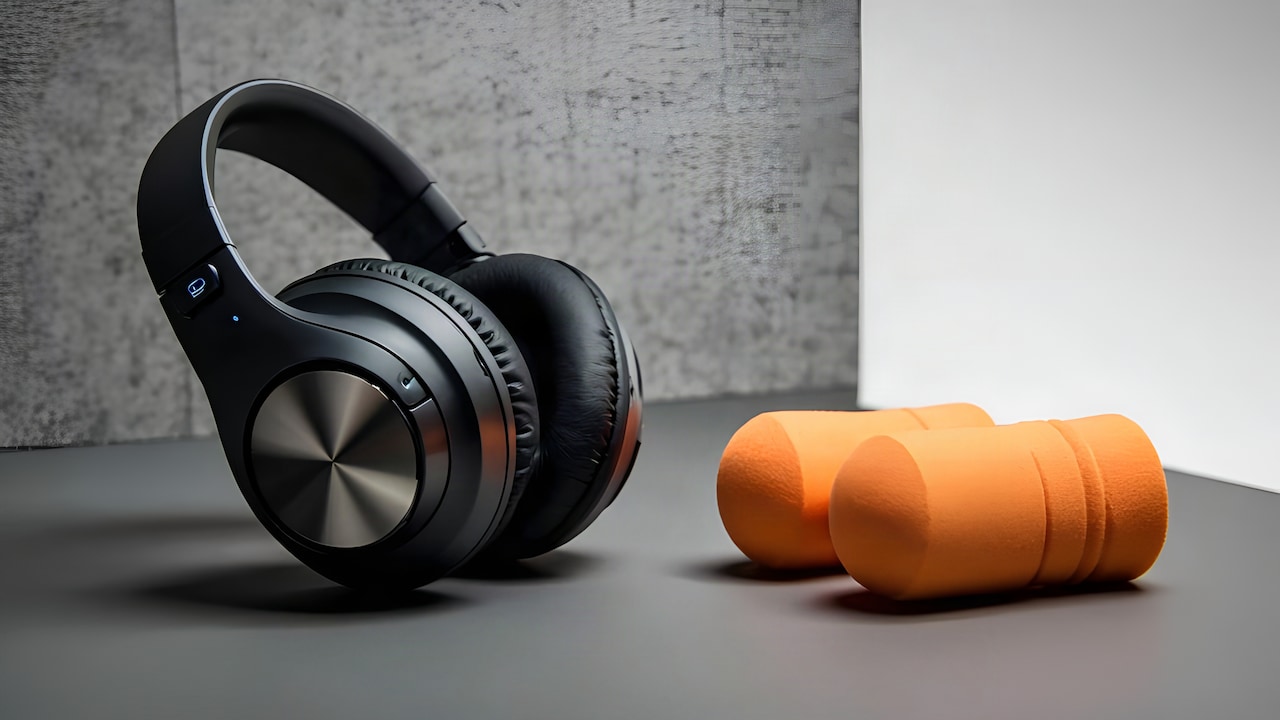
As mentioned earlier, ear plugs prevent noise from entering your ear canal physically. Foam earplugs are expanded inside your ear canal, while silicone ones are pre-shaped. The effectiveness of such solutions depends on their fit and noise reduction ratings.
Which Is Better For Diwali Crackers?
If your main goal is to protect your hearing from loud cracker explosions, hearing protection earplugs are the best choice compared to ANC earbuds. Hearing protection is recommended when it comes to fireworks, as they produce intense sounds which could hurt your hearing.
1. Ear Plugs Are Better For Hearing Protection
Earplugs are created to prevent sound from reaching your ear canal, and products with hearing protection purposes state the level of noise reduction.
Normal earplugs can provide you with complete protection when standing nearby the powerful cracker. Maintain a safe distance from fireworks, do not light them near your ears and go inside when the noise becomes too high.
2. ANC Earbuds Are Better For Everyday Background Noise
ANC earbuds make more sense when you're trying to focus, travel or relax with less background noise. They can be useful when crackers are bursting some distance away, especially if you are indoors with windows and doors closed.
Still, don't assume that an ANC rating of 30 dB or 40 dB means the earbuds will reduce every firecracker blast by that exact amount. Manufacturers may measure noise cancellation differently, and the results depend on sound frequency and testing conditions.
What Should You Check Before Buying?
The product name alone won't tell you how much protection you'll get. A little attention to fit, comfort and the intended use can make a real difference.
1. Check The Noise-Reduction Rating
For ear plugs, look for a recognised noise-reduction rating or attenuation figure, and check which standard it follows. Higher figures generally indicate greater tested noise reduction within that rating system, but figures from different standards may not be directly comparable.
Remember, a high rating on the packaging doesn't guarantee the same result in your ears. Poor insertion can leave gaps and reduce protection considerably.
2. Make Sure The Ear Plugs Fit Properly
Foam earplugs typically need rolling, inserting, and holding in place while they expand. Stick to the manufacturer's instructions, and never force them in.
If they keep slipping out or are causing pain, try a different size or style. Children also need properly sized hearing protection, and well-fitting protective earmuffs may be easier for younger children to use.
Also Read: Top 5 Metallic Midi Dresses For Diwali Nights Out Under ₹1700
Can You Use ANC And Ear Plugs Together?
You may be tempted to wear ANC earbuds over ear plugs to make your room feel completely silent. There is an important distinction, though: using both may make things feel quieter, but you shouldn't assume their noise-reduction ratings can simply be added together.
1. Use Both Only When The Fit Allows It
Over-ear hearing-protection earmuffs are commonly used with earplugs in particularly noisy environments. In contrast, inserting ear plugs and then adding in-ear ANC earbuds is usually uncomfortable and may stop one or both devices from fitting properly.
For home use, start with suitable hearing-protection ear plugs, close your windows and move away from the source of the noise. If you're near extremely loud fireworks, leave the area rather than relying on multiple gadgets.
2. Don't Play Music Loudly To Cover The Crackers
Playing music through ANC earbuds may seem like a simple solution, but turning up the volume only adds to your sound exposure. It also makes it harder to hear important warnings or someone calling you.
If you're indoors, shut the windows and use ear plugs when needed. You don't need loud music to prove that your noise-cancelling earbuds are working.
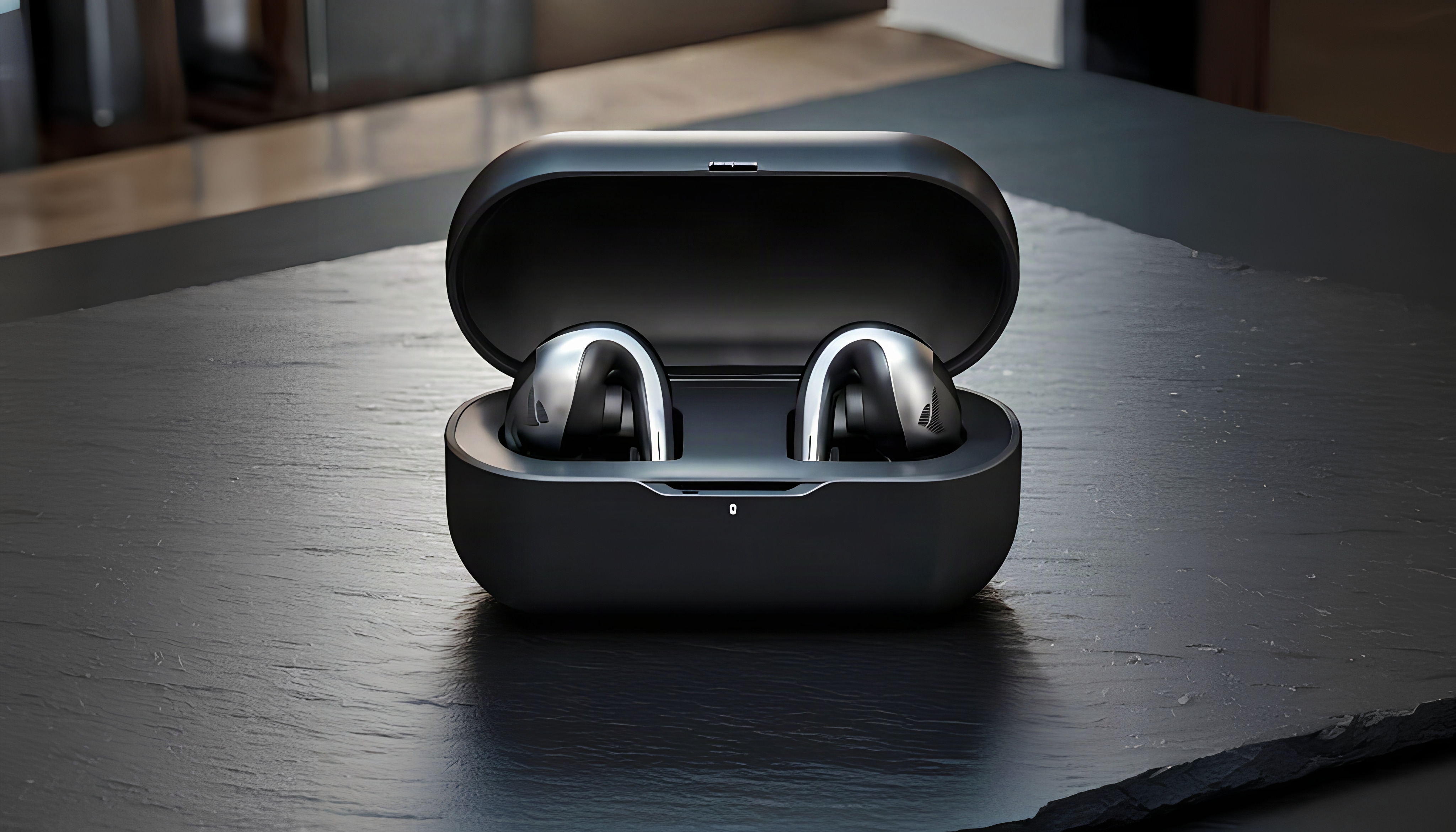
Some Ear Plugs And ANC Earbuds You May Like
Photo Credit: iStock
Some Ear Plugs And ANC Earbuds You May Like
1. 3M 90716-80025T Corded Reusable Earplug with Case - 3 Pair
2. Honeywell 304L-I CORDED EARPLUG
3. Rich Beauty Extra Soft Ear Plugs
4. Acme Safewell SEP102 NRR 32dB Disposable Ear Plugs
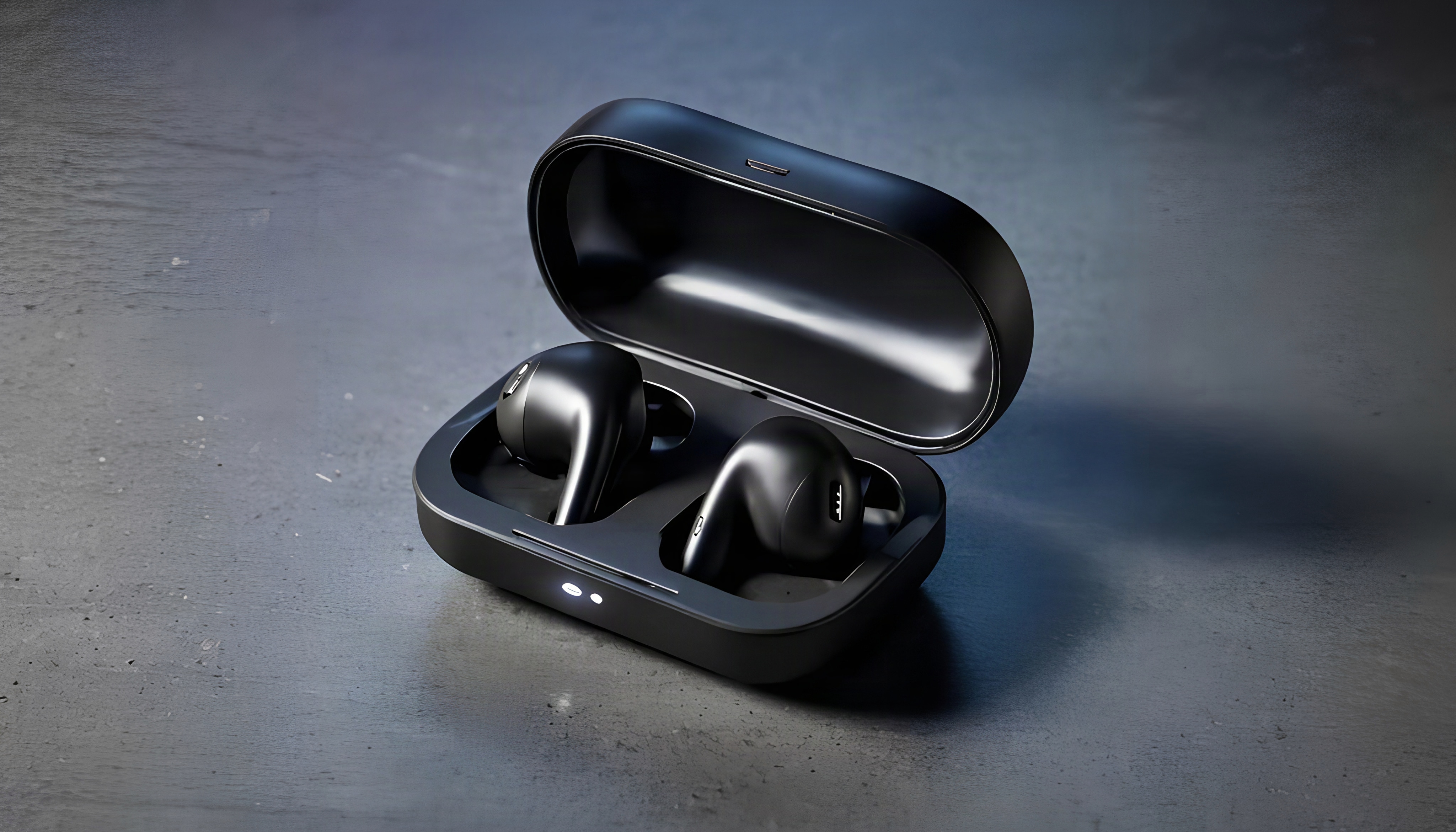
5. OnePlus Nord Buds 4 Pro ANC Earbuds
6. realme Buds Air 8
7. Samsung Galaxy Buds Core
8. boAt Nirvana Ion ANC
Frequently Asked Questions (FAQs)
1. Can ANC earbuds suffice to protect against Diwali cracker noise?
Not really. ANC cuts background hum, but cracker bursts are different. Get proper earplugs and keep some distance from the noise.
2. Will ear plugs eliminate all firecracker noise?
No. Plain earplugs lower the volume; they don't silence it. How well they work depends on the rating, the fit, and whether you've inserted them correctly.
3. Can one safely sleep wearing ear plugs in Diwali?
Mostly, yes, if they're made for sleeping and fit well. Keep them clean. Stop using them if your ear starts to hurt.
4. Is it recommended for children to wear ANC earbuds or ear plugs at fireworks?
Earmuffs work better for kids than earbuds or plugs. Keep them away from where the fireworks go off, and pick protective gear sized for their age, not an adult's.
5. How should I proceed if my ears start to ring after a loud cracker?
Move away from the noise first. If the ringing doesn't stop, or there's muffled hearing, pain, or dizziness, see a doctor right away. Shop now on Amazon.
(Disclaimer: This article may include references to or features of products and services made available through affiliate marketing campaigns. NDTV Convergence Limited (“NDTV”) strives to maintain editorial independence while participating in such campaigns. NDTV does not assume responsibility for the performance or claims of any featured products or services.)