How Many Sockets Do Your Diwali Decorations Need?
Wondering how many sockets your Diwali decorations need? Learn how to plan plug points for diyas, string lights, lanterns and festive home decor safely.
How Many Sockets Do Your Diwali Decorations Need?
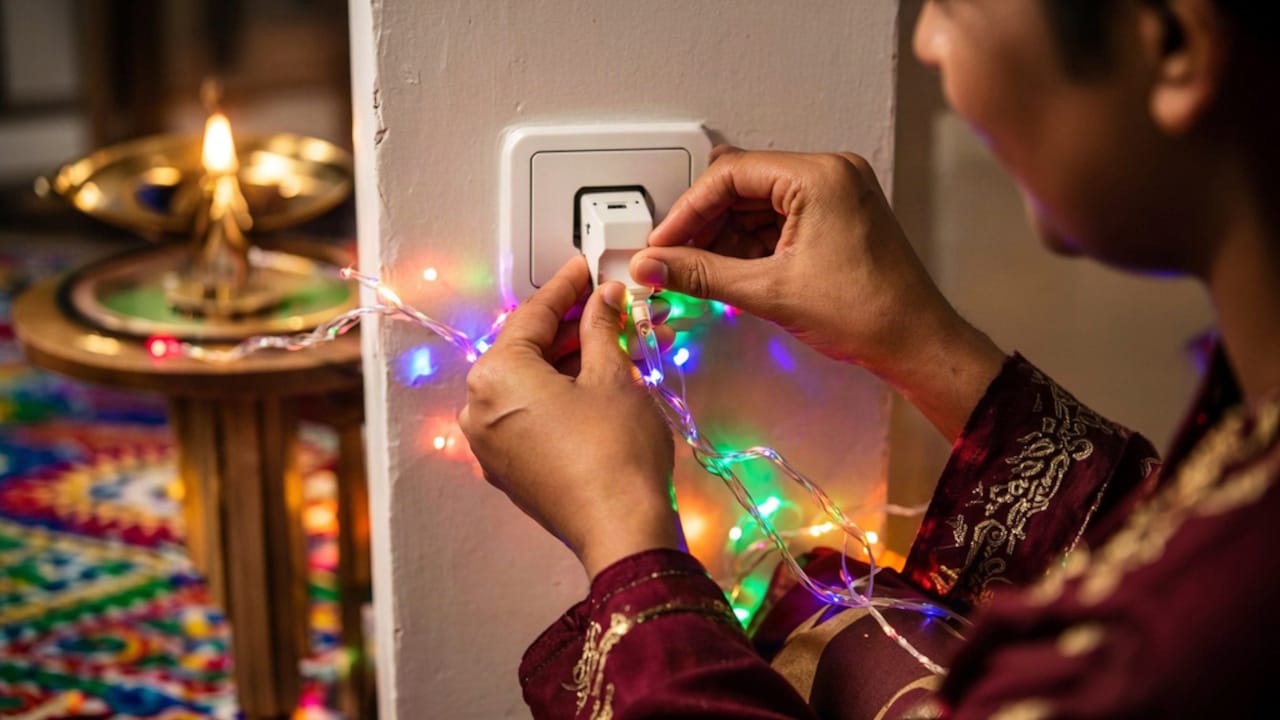
Diwali decorations usually start with a simple plan. You bring home a few string lights, maybe some hanging lanterns for the balcony, and a decorative light for the entrance. Then the actual setup begins, and suddenly there are too many plugs but not enough sockets. One light needs a connection near the window, another has to reach the balcony, and the extension board you already own is occupied by other appliances. This is a common problem in Indian homes, especially when festive decorations spread across several rooms and outdoor spaces.
Socket Extension Board
Photo Credit: iStock
So, how many sockets do your Diwali decorations actually need? There isn't a fixed number for every home; it depends on the number of light sets, their power needs, and where you plan to put them. A little planning before decorating can save you from messy wires and last-minute shopping. It also helps you avoid unsafe connections when several lights are switched on together.
How To Estimate The Number Of Sockets You Need
Before you buy extension boards and move furniture around, take a brief look around your home. Count the decorations requiring electrical connection and assess their distance from the nearest accessible sockets.
1. Count Every Decoration That Needs A Plug
First of all, you need to list electrical decorations. A string of lights hanging on the balcony railings may need one socket, and a different string on the main door may require another one. Also, add decorative lamps, illuminated paintings and any other plug-in festival decoration.
Diyas operating on batteries and lights with solar panels usually doesn't require a wall socket for operation. Thus, separating these decorations helps to get a more accurate estimate.
2. Check Where Each Decoration Will Be Placed
The number of sockets is important, but the location is also important. You may have three sockets available in the living room and no sockets near the balcony.
Measure the distance approximately between the decoration and the nearest accessible socket. It will help you decide whether an extension board is required or if you need to arrange wires across the door.
How Many Sockets Do Different Diwali Decorations Need?
Your setup will depend on the size of your house and the type of festive lighting you are going to use. The following example may help you with planning.
1. Balcony And Window String Lights
If you are decorating your balcony with one string of lights, you will likely need one socket to provide power. If there is a second string of lights, you may also need a second socket, depending on the manufacturer's recommendation about connecting light sets.
Don't assume that two light strings may work fine from one socket. Read the manual and find out whether light strings are able to be connected to each other.
Also Read: Upgrade Your Kitchen: Discover Best-Rated Gas Stove At Best Prices On Flipkart
2. Entrance Lights And Hanging Lanterns
Decorations like an illuminated entrance, an entrance row or a row of hanging lanterns may require either one or several sockets, depending on the type of products that you have selected. Traditional paper lanterns with LED lights require separate sockets, while non-electrical lanterns require no sockets at all.
For a simpler setup, consider using battery-operated light decoration instead, where it is possible to use it. Thus, you can save some sockets near the entrance, where people are moving in and out.
3. Living Room And Puja Corner Decorations
A living room can quickly use all available sockets if you put together string lights, decorative lamps and an illuminated backdrop there. Count all electrical decorations separately and consider if the existing sockets are occupied with TV, computer, router or other equipment.
Avoid putting electrical decorations near oil lamps, incense and other sources of fire. In the puja corner, allow enough space for rituals without putting cables there.
Can You Use An Extension Board For Diwali Lights?
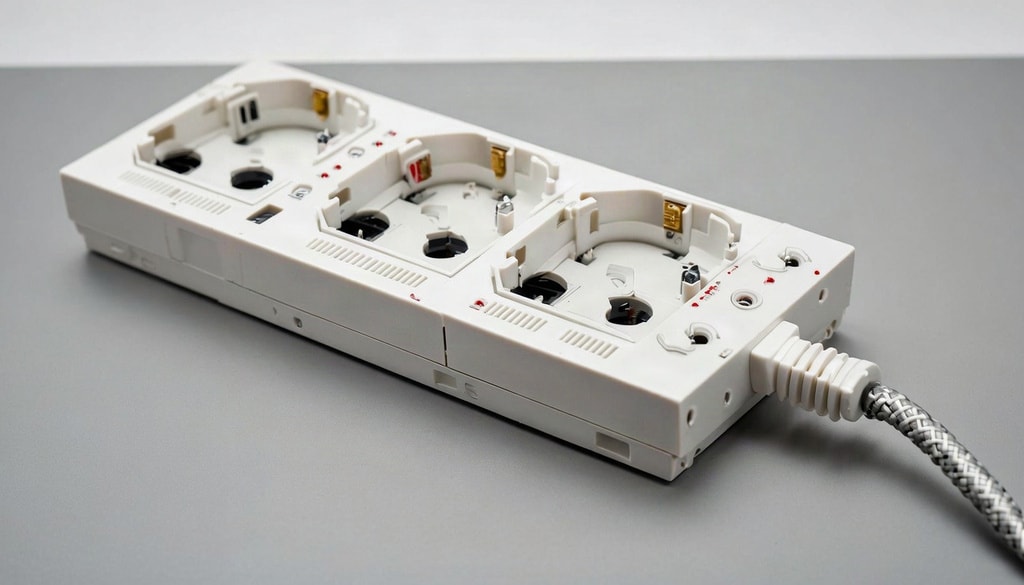
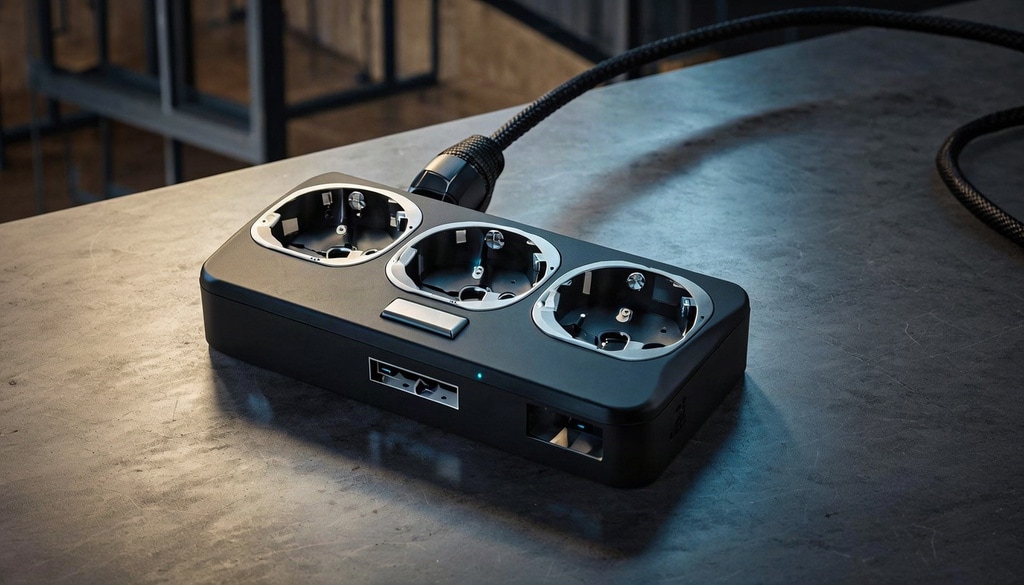
An extension board can help when a room doesn't have enough conveniently placed sockets. However, it should not become a way to connect every electrical decoration without checking the total load.
1. Check The Rated Load Before Plugging In
Check the rated current and power of the extension board, as well as the wattage of the decorations that you intend to connect to it. The total load must not exceed the rating of the board and the limit of the wall socket and the circuit.
LED string lights often use relatively little power, but that doesn't mean every extension board is suitable. Avoid damaged boards, loose plugs, overloaded connections and boards that become unusually warm during use.
2. Avoid Connecting Extension Boards To Each Other
Connecting one extension board to another one may seem like a solution when you need to connect decorations scattered across the room. It will increase the number of connection points and make it harder to control the load.
Use only the extension board that has sufficient outlets and the proper rating. If your home frequently lacks appropriate sockets in a certain room, ask a professional electrician to install a permanent socket.
3. Keep Cables Dry, Protected And Out Of The Way
Balcony and outdoor decorations need extra attention during unpredictable October weather. Use lights, plugs and extension equipment rated for the conditions where they will be installed, and protect connections from rain and moisture as instructed by the manufacturer.
Never run cables beneath rugs, pinch them under doors or leave them across busy walking areas. Switch off decorations when they are not needed, particularly before going to sleep or leaving home.
Socket Extension Board
Photo Credit: iStock
Some Extension Boards And Smart Plugs You May Like
1. Anchor by Panasonic 2 Universal Socket Extension Board
2. Belkin Essential 4-Socket Surge Protector
3. Orient Electric 4-Way NP Extension Board
4. Embox 5-Metre Extension Board with USB
5. Havells 4-Way Extension Board With Surge Protection
6. Wipro Premium Extension Board with 4 Universal Sockets & 1 Master Switch
7. Cablet 250 Volts 6-Way Extension Board
8. Portronics 2500W Power Plate Pro 4-in-1 Power Extender with 4 Universal Sockets
Planning your Diwali decorations goes beyond choosing lights and festive décor. Understanding how many sockets your setup requires can help you avoid overloaded extension boards, tangled wires, and potential safety hazards. By assessing your lighting needs in advance and using quality power strips and extension cords, you can create a bright and festive atmosphere without compromising safety. A little planning ensures your decorative lights, lanterns, and other electrical accessories run smoothly throughout the celebrations, allowing you to enjoy a beautifully illuminated and stress-free Diwali.
Frequently Asked Questions (FAQs)
1. How many sockets do I need for Diwali lights?
This really depends on your setup. For most homes, three to five sockets will cover the basics, balcony lights, some entrance decor, and a handful of indoor pieces. If you have a lot of separate light strings that each need their own connection; you might need more.
2. Can I connect multiple Diwali lights to one extension board?
Yes, that's generally fine. Just make sure the board can actually handle the plugs you're using and that the combined load of everything connected stays under what the board is rated for. Overloading the board is a common problem.
3. Are LED lights better for Diwali decorations?
Mostly, yes. They use less power and don't heat up the way older string lights do. That said, not all LED products are made equal. Look at the build quality, check the electrical ratings printed on the packaging, and confirm whether it's actually meant for outdoor use before hanging it outside.
4. Can I leave Diwali lights switched on overnight?
Better not to. Switch everything off before bed or before stepping out of the house. And it's a good habit to glance over the wiring every so often. If something feels warm or a wire looks frayed, unplug it right away instead of hoping it'll be fine.
5. How can I decorate my balcony without using too many sockets?
A mix works well here. Plug in a few lights where needed, but lean on battery-operated diyas or solar lights for the rest if you can get your hands on them. Pick decorations suited for balconies specifically, and keep any outdoor wiring shielded from rain or moisture.
(Disclaimer: This article may include references to or features of products and services made available through affiliate marketing campaigns. NDTV Convergence Limited (“NDTV”) strives to maintain editorial independence while participating in such campaigns. NDTV does not assume responsibility for the performance or claims of any featured products or services.)