Are Mechanical Keyboards Really Better For Typing Than Regular Ones?
Mechanical keyboards promise better comfort, accuracy and durability. But do they really improve typing, or are they simply an expensive trend? This is what sets them apart.
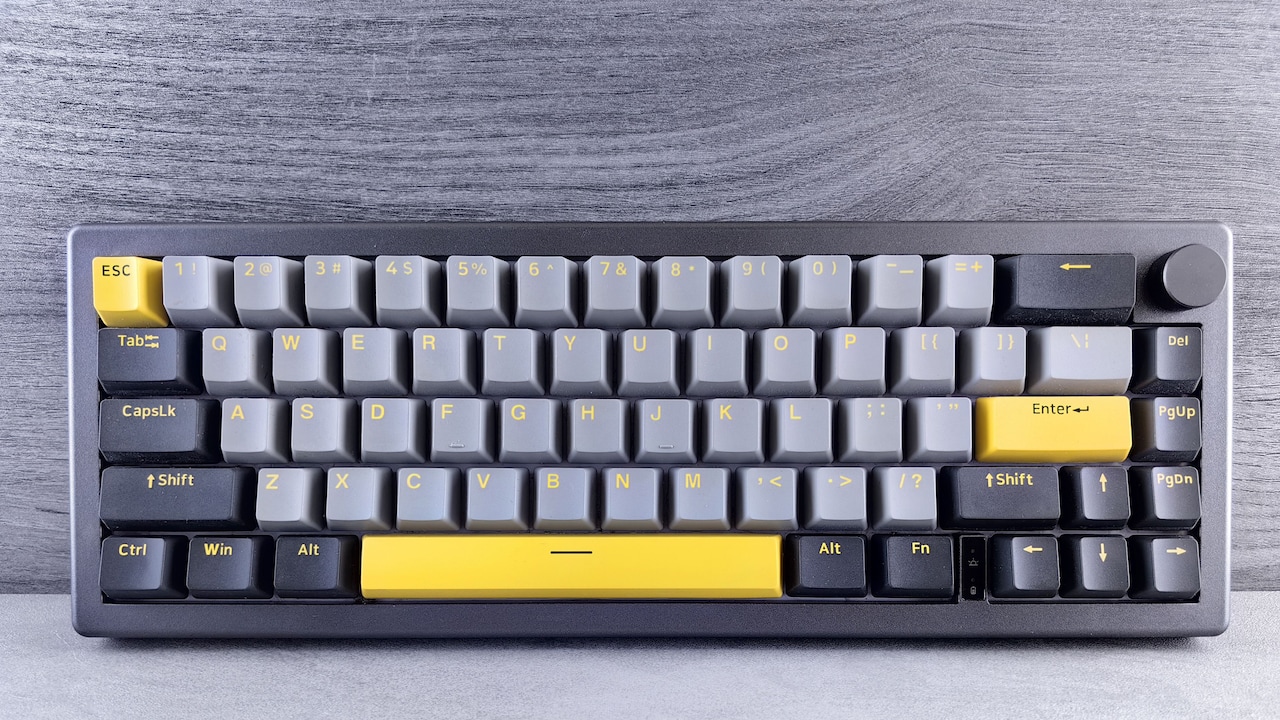
Are Mechanical Keyboards Really Better For Typing Than Regular Ones?
A keyboard rarely receives much attention until something feels wrong. Perhaps the keys feel mushy, fingers tire quickly, or typing sounds resemble a worn-out television remote. Then comes the discovery of mechanical keyboards, often accompanied by videos featuring satisfying clicks and gaming enthusiasts discussing switches with the passion usually reserved for cricket matches or favourite street-food stalls. The rise of remote work, online learning and content creation has pushed more people to think about the tools they use every day. Since typing occupies a large part of modern life, choosing the right keyboard matters more than many realise. Mechanical keyboards promise better accuracy, greater comfort and longer life. Regular membrane keyboards, meanwhile, remain affordable, quiet and widely available. So, are mechanical keyboards truly better for typing? The answer depends on how people work, what they value and how much time they spend behind a screen. A closer look reveals that both options offer advantages, but one often stands out for serious typists.
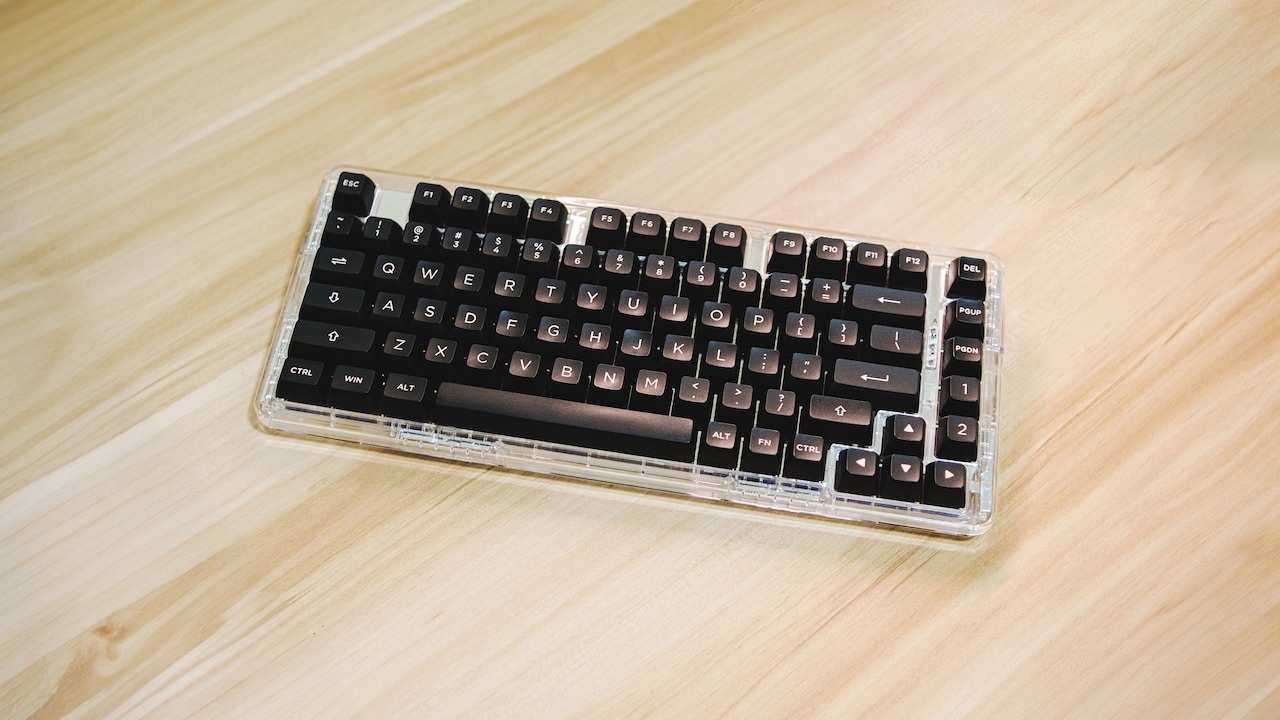
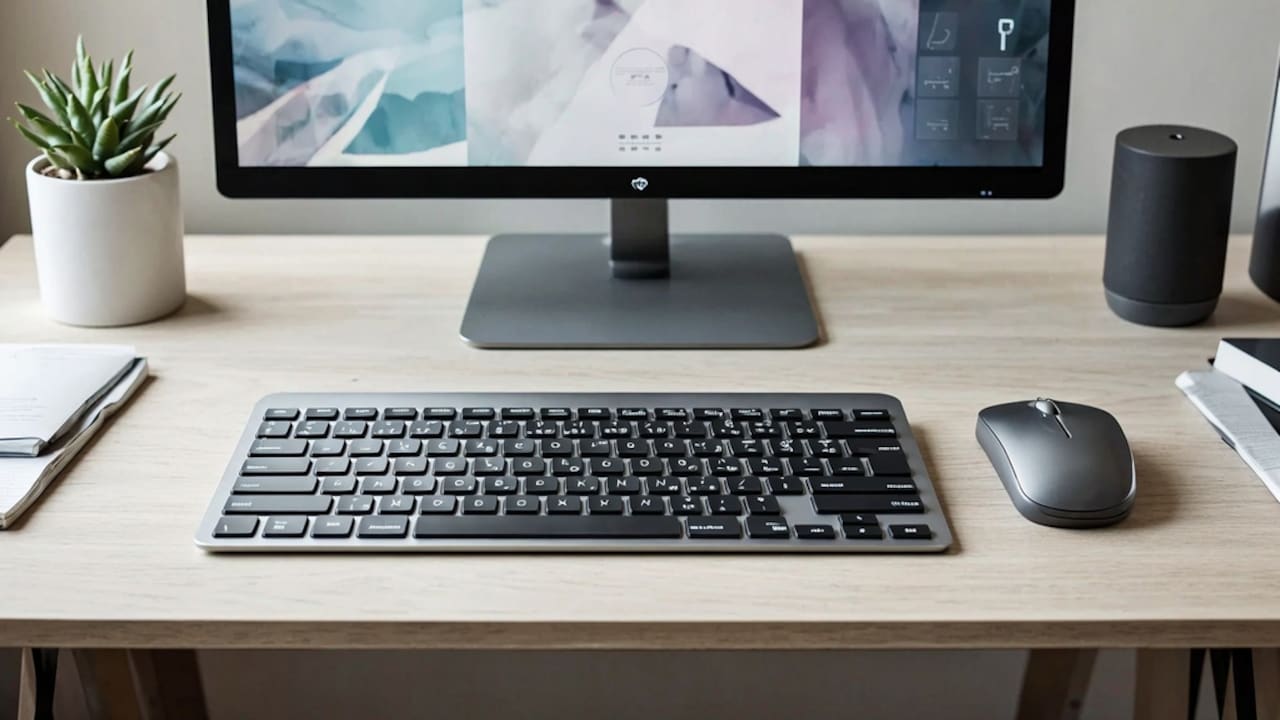
Are Mechanical Keyboards Really Better For Typing Than Regular Ones?; Photo Credit: Pexels
Why Mechanical Keyboards Continue To Win Over Typists
The Difference Starts Beneath The Keys
At first glance, most keyboards look similar. Rows of letters, numbers and symbols stretch across a familiar layout. The real difference hides beneath each keycap.
A regular keyboard usually relies on a rubber membrane. Pressing a key pushes the rubber layer down until it makes contact with an electrical circuit. The process works well enough, but the feeling can seem soft and somewhat vague.
Mechanical keyboards use individual switches beneath every key. Each switch contains moving parts designed to register a press with precision. This creates a more distinct sensation when typing.
Imagine the difference between pressing a lift button wrapped in foam and pressing a well-made doorbell. Both perform the same task, yet one provides clearer feedback. That small distinction becomes surprisingly important after thousands of keystrokes every day.
For many people, the enhanced feedback helps create a stronger connection between fingers and screen. Typing becomes less about forcing keys downward and more about developing a smooth rhythm. That experience explains why so many users notice the difference within minutes of switching.
Also Read: How To Pick The Best Mechanical Keyboard For Work And Gaming
Typing Comfort Can Improve Dramatically
Comfort often determines whether a keyboard feels enjoyable or frustrating. Long typing sessions can strain fingers, wrists and hands, especially when the keys require inconsistent pressure.
Mechanical keyboards excel because they offer predictable key travel. Every key responds in a similar way, making it easier for fingers to build muscle memory. The typing experience feels deliberate rather than uncertain.
Writers, students and office professionals often describe the sensation as smoother and less tiring. Instead of bottoming out every key with force, many mechanical switches register the press before reaching the bottom. This encourages lighter typing habits over time.
Consider someone preparing project reports during a busy financial quarter. Several hours of typing every day can turn a mediocre keyboard into a source of irritation. A comfortable mechanical keyboard may not perform miracles, but it can reduce fatigue and make the workday feel less exhausting.
Comfort remains subjective, of course. Some people prefer the softer feel of membrane keyboards. Yet among heavy typists, mechanical models generally receive higher marks for long-term comfort and consistency.
Accuracy Often Gets A Noticeable Boost
Typing speed means little without accuracy. Constantly correcting mistakes interrupts workflow and slows productivity.
Mechanical keyboards often improve accuracy because of their precise actuation points. Each key provides clear feedback, allowing users to recognise exactly when a press registers.
That clarity reduces accidental keystrokes. Fingers develop confidence, and the keyboard communicates more effectively with the user. Over time, many people notice fewer typing errors and smoother sentence construction.
A student racing to complete an assignment before midnight might appreciate every saved second. Likewise, professionals drafting presentations or reports benefit when their keyboard keeps pace with their thoughts.
The improvement does not happen overnight. Like learning to drive a new vehicle, adaptation takes time. However, once familiarity develops, many users find themselves typing with greater confidence and fewer interruptions.
While a mechanical keyboard will not suddenly transform someone into a championship typist, it can remove small obstacles that stand between thought and text. Those tiny improvements accumulate across weeks, months and years.
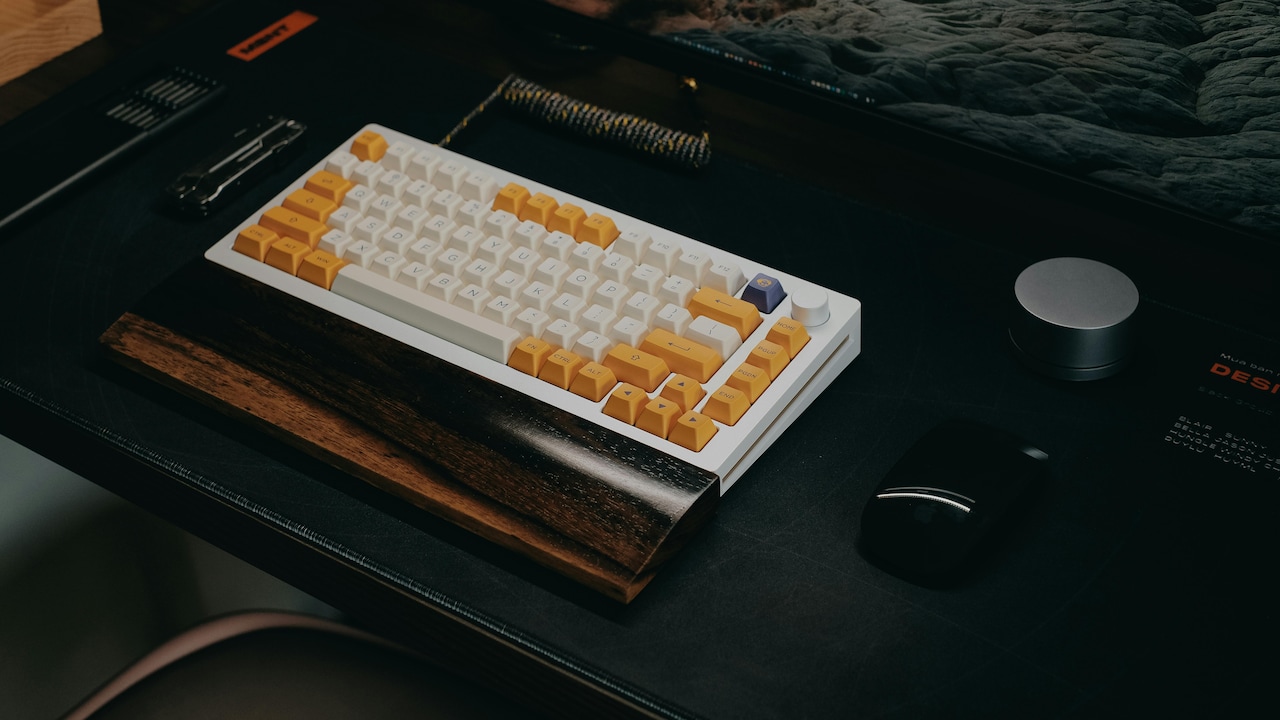
Are Mechanical Keyboards Really Better For Typing Than Regular Ones?; Photo Credit: Pexels
Durability Gives Mechanical Keyboards An Edge
One reason enthusiasts praise mechanical keyboards is longevity. These devices often last far longer than their membrane counterparts.
Most membrane keyboards gradually lose responsiveness as the rubber layers wear down. Keys may feel uneven or become less reliable after extended use.
Mechanical switches, by contrast, typically withstand tens of millions of key presses. Some models continue performing reliably for many years with basic care.
This durability changes the value equation. A membrane keyboard priced at ₹800 may seem economical initially. However, replacing it every few years can increase overall costs. A mechanical keyboard costing ₹4,000 or more may continue functioning long after several cheaper replacements have come and gone.
Durability also brings consistency. Keys maintain their feel for longer periods, creating a dependable typing experience day after day.
For anyone who views a keyboard as a daily work tool rather than a disposable accessory, the long lifespan of mechanical models becomes one of their strongest selling points.
The Sound Factor Divides Opinions
Few topics spark stronger keyboard debates than sound. Some people adore the distinctive clicks of mechanical keyboards. Others hear only noise.
The appeal is easy to understand. A satisfying keypress creates a sense of rhythm and engagement. Many typists enjoy the audible confirmation that accompanies each word.
However, office colleagues and family members may not share the enthusiasm. In a quiet room, a loud keyboard can become the unexpected star of the show.
Fortunately, modern mechanical keyboards offer a variety of switch types. Some produce crisp clicks, while others remain surprisingly quiet. Silent mechanical switches have gained popularity among people who want the benefits of mechanical technology without attracting attention during video calls.
Regular membrane keyboards still hold an advantage in environments where silence matters most. Their softer construction naturally reduces noise.
Ultimately, sound comes down to preference. For some, keyboard clicks resemble the comforting hum of a ceiling fan. For others, they resemble a woodpecker discovering a new hobby.
Customisation Creates A Personal Experience
Mechanical keyboards introduce a level of personalisation rarely found in standard models. Users can customise switches, keycaps, layouts and lighting according to their preferences.
Some prefer soft linear switches. Others enjoy tactile feedback. Colourful keycaps, compact designs and ergonomic layouts add even more variety.
This flexibility allows people to create a keyboard that feels uniquely suited to their typing style. The experience becomes less about purchasing a device and more about building a workspace companion.
A graphic designer may choose a compact keyboard to free desk space. A writer might select tactile switches for comfortable long-form typing. Someone working late into the evening may appreciate adjustable backlighting.
Regular keyboards generally follow a one-size-fits-all approach. They prioritise affordability and simplicity rather than personal expression.
While customisation may not matter to everyone, it remains a significant reason why mechanical keyboards inspire such loyal communities around the world.
Speed Is Not Always The Biggest Advantage
Many advertisements suggest mechanical keyboards automatically increase typing speed. Reality proves more nuanced.
A skilled typist can achieve impressive speeds on almost any keyboard. Experience, technique and practice matter far more than hardware alone.
Mechanical keyboards contribute by making typing feel more efficient. They offer consistency, responsiveness and comfort. These qualities help users maintain speed over longer periods rather than dramatically increasing speed overnight.
Think of the difference between running in ordinary trainers and high-quality running shoes. The shoes help, but training remains the deciding factor.
For professional writers, coders and administrators who spend hours typing daily, the cumulative benefit becomes noticeable. The keyboard fades into the background, allowing focus to remain on the task itself.
Therefore, speed gains exist, but they often arrive indirectly through improved comfort and reduced fatigue rather than through any magical technological shortcut.
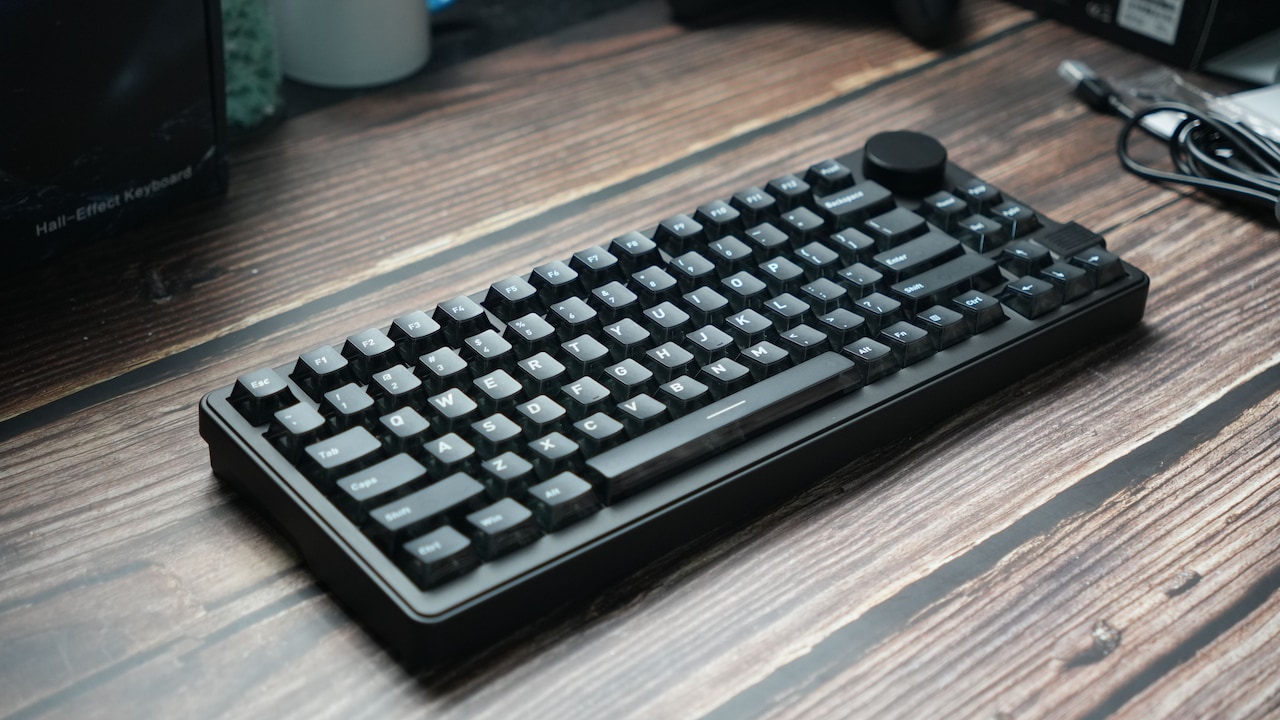
Are Mechanical Keyboards Really Better For Typing Than Regular Ones?; Photo Credit: Pexels
Cost Remains The Biggest Barrier
If mechanical keyboards offer so many advantages, why doesn't everyone not use one? The answer usually appears on the price tag.
Quality mechanical keyboards cost significantly more than basic membrane models. Entry-level options often start around ₹2,500 to ₹4,000, while premium versions can exceed ₹10,000.
For casual users who type occasionally, the extra expense may feel unnecessary. A standard keyboard handles everyday tasks perfectly well.
However, perspective matters. People rarely hesitate to invest in a comfortable chair or a reliable smartphone because they use them daily. The same logic can apply to keyboards.
Someone spending eight hours a day typing may find the investment worthwhile. The improved experience spreads across thousands of working hours.
Budget-conscious buyers should also remember that durability offsets some of the initial cost. A well-maintained mechanical keyboard often remains useful long after cheaper alternatives wear out.
Not Every Mechanical Keyboard Feels The Same
One common misconception assumes all mechanical keyboards deliver the same experience. In reality, mechanical keyboards vary enormously.
Different switch types create dramatically different sensations. Some feel smooth and light. Others feel firm and tactile. Certain models prioritise silence, while others celebrate every keystroke with enthusiasm.
This variety explains why one person may fall in love with mechanical keyboards while another remains unimpressed. Their experiences could involve completely different switches.
Testing before purchasing often helps. Electronics stores increasingly offer display units, allowing customers to compare different switch styles.
Finding the right switch resembles choosing footwear. The most popular option may not suit every individual. Comfort depends on personal preference, hand strength and typing habits.
As a result, judging all mechanical keyboards based on a single experience can lead to misleading conclusions. The category offers far more diversity than many newcomers expect.
The Best Choice Depends On How You Type
No keyboard exists in a vacuum. Context matters.
Someone who writes articles, codes software or manages spreadsheets throughout the day may appreciate the precision and comfort of a mechanical keyboard. The investment pays dividends through improved usability and durability.
Meanwhile, a casual user checking emails and browsing social media might find a regular membrane keyboard perfectly adequate. Spending extra money would provide limited practical benefit.
The workspace environment also influences the decision. Shared offices, libraries and quiet homes may favour quieter options. Dedicated workstations provide greater flexibility.
The key lesson involves matching the keyboard to actual needs rather than trends. A keyboard should support productivity, not simply look impressive on a desk.
When chosen thoughtfully, either type can serve its purpose well. The difference lies in how heavily that purpose features in daily life.
Products Related To This Article
1. Kreo Swarm 75% Wireless Mechanical Keyboard with Pass-Through Keycaps
2. FRONTECH Wired Keyboard | Membrane Keys with Retractable Stands
3. Ant Esports MK1200 Mini 60% Wired Mechanical Gaming Keyboard
4. Dell KB216 Wired Multimedia Keyboard
5. EvoFox Katana S Mini Wired Mechanical Keyboard
6. Portronics Bubble 4.0 Wireless Keyboard with Bluetooth
7. Redragon K673 PRO 75% Wireless Gasket RGB Gaming Keyboard
Mechanical keyboards are not merely an internet trend or a fashionable desk accessory. They offer genuine advantages in comfort, accuracy, durability, and overall typing experience. For people who spend significant portions of the day writing, coding, or handling documents, those benefits can make work noticeably more enjoyable.
That said, regular membrane keyboards still deserve respect. They remain affordable, quiet and capable of handling everyday tasks without difficulty. Not everyone needs a premium typing experience, just as not everyone needs a high-performance vehicle for a short commute.
The real question is not whether mechanical keyboards are universally better. It is whether their advantages matter enough to justify the investment for a particular user. For serious typists, the answer often leans strongly towards yes. For occasional users, a regular keyboard may continue to do the job perfectly well.
In the end, the best keyboard is the one that allows thoughts to flow effortlessly from mind to screen. Everything else is simply a matter of preference, budget and a few million keystrokes.
(Disclaimer: This article may include references to or features of products and services made available through affiliate marketing campaigns. NDTV Convergence Limited (“NDTV”) strives to maintain editorial independence while participating in such campaigns. NDTV does not assume responsibility for the performance or claims of any featured products or services.)