Automatic Smart Motion Sensor Dustbins: When They Help and When They Don't
Automatic smart motion sensor dustbins promise better hygiene and convenience. This article explores where they genuinely add value in everyday spaces, and where traditional bins still make more sense.
Are Automatic Motion Sensor Dustbins Worth It? Know Where They Help And Where They Do Not.
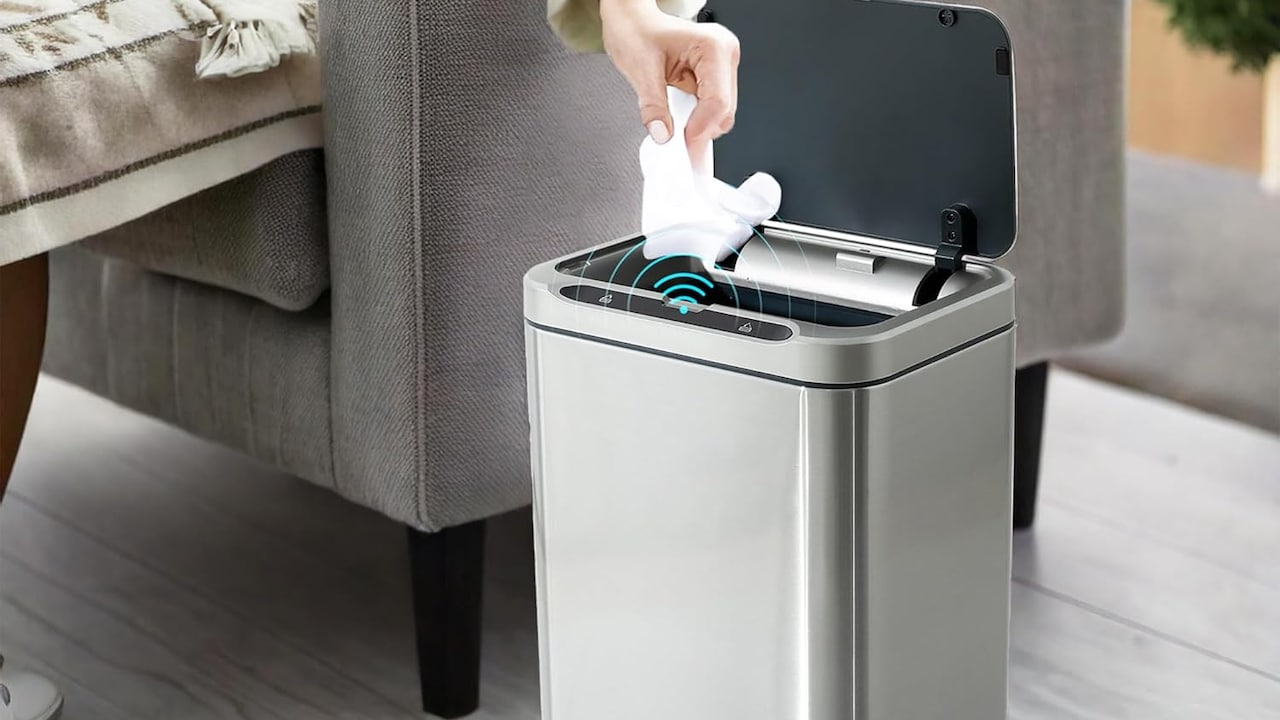
A dustbin rarely sparks excitement. It sits in a corner, does its job, and gets ignored. Then along came the automatic smart motion sensor dustbin, waving its lid open like a polite host. No touching. No bending. Just a small flick of the hand. It feels futuristic, almost indulgent.
Homes today juggle busy routines, tight spaces, curious children, and rising hygiene concerns. In that mix, smart dustbins appear as quiet helpers. Yet, not every kitchen, office, or balcony welcomes them with equal enthusiasm. Sometimes the technology feels magical. Sometimes it feels moody.
This article takes a grounded look at when these dustbins truly help and when they quietly test patience. Expect relatable scenarios, small laughs, and honest observations rooted in everyday living.
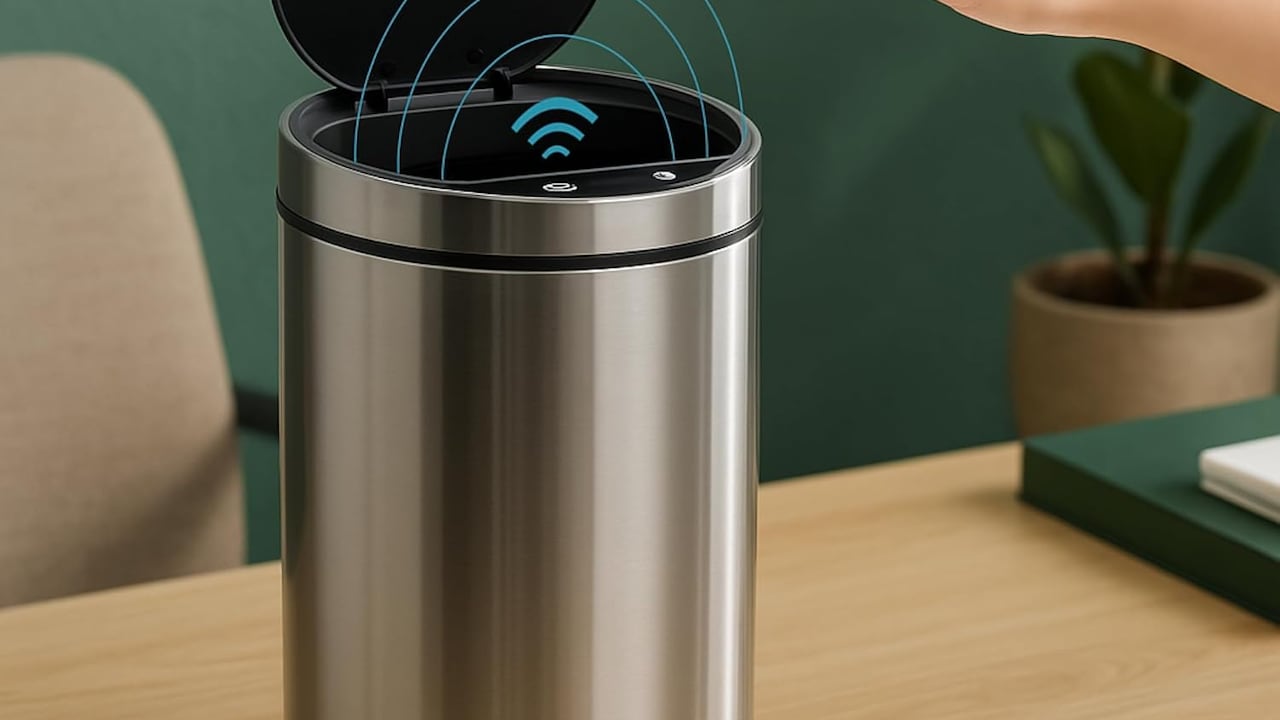
Automatic Smart Motion Sensor Dustbins: When They Help and When They Dont
Photo Credit: Amazon
Everyday Situations That Decide Whether a Smart Dustbin Is Worth It
1. A Hygiene Hero in Busy Kitchens
In a bustling kitchen, hands rarely stay clean. Chopping vegetables, marinating paneer, or shaping dough often leaves fingers sticky. In such moments, an automatic motion sensor dustbin feels like a blessing. A quick wave, and the lid opens without complaint.
This touch-free experience reduces contact with germs. It proves especially useful during illness in the house or while handling raw food. No need to fumble with pedals or lids while balancing a messy spoon.
However, kitchens in many homes are small. A bulky smart bin may occupy precious floor space. Some models also react to every passing movement, opening their lids like overeager helpers. That constant opening drains batteries and tests patience.
In larger kitchens with enough room and steady routines, these dustbins shine. In compact cooking spaces, their enthusiasm sometimes outweighs their usefulness.
2. A Quiet Upgrade for Elderly-Friendly Homes
Homes with elderly family members benefit greatly from thoughtful design. Bending down repeatedly or pressing a stiff pedal can strain joints. A motion sensor dustbin removes that small but repeated discomfort.
The simple act of disposing of waste becomes smoother. A gentle hand movement replaces awkward bending. This small convenience adds dignity and comfort to daily routines.
Yet, technology demands familiarity. Some elders feel wary of objects that move on their own. A lid opening suddenly may cause surprise or hesitation. Clear instructions and patient introduction help bridge this gap.
Once accepted, the dustbin blends seamlessly into daily life. It supports independence rather than replacing it. In such homes, the smart bin feels less like a gadget and more like a quiet companion.
3. Offices and Workspaces: Clean Desks, Mixed Results
Modern offices love smart solutions. Automatic dustbins fit neatly into this vision. They keep common areas tidy and reduce shared contact points. In conference rooms and pantry spaces, they promote better hygiene habits.
Employees appreciate the convenience during rushed coffee breaks or quick lunches. No one wants to touch a lid after a long meeting.
Still, offices bring their own challenges. Motion sensors sometimes misfire due to constant foot traffic. The lid opens repeatedly, even when no one intends to use it. Over time, this leads to faster wear and battery drain.
In quieter zones like cabins or meeting rooms, these bins perform well. In high-traffic corridors, simpler designs often prove more practical and durable.
4. Battery Life: The Hidden Commitment
The magic of an automatic dustbin runs on batteries. That fact often slips from the mind during purchase. Frequent lid movement consumes power faster than expected, especially in active households.
Replacing batteries every few weeks feels inconvenient. Rechargeable models help, yet they demand regular charging. A forgotten charge leaves the lid stubbornly shut at the worst moment.
Some homes adapt easily to this routine. Others find it annoying. Traditional bins never ask for power or reminders.
The lesson remains simple. A smart dustbin suits those comfortable with basic maintenance. For those who prefer set-and-forget solutions, the charm may fade quickly.
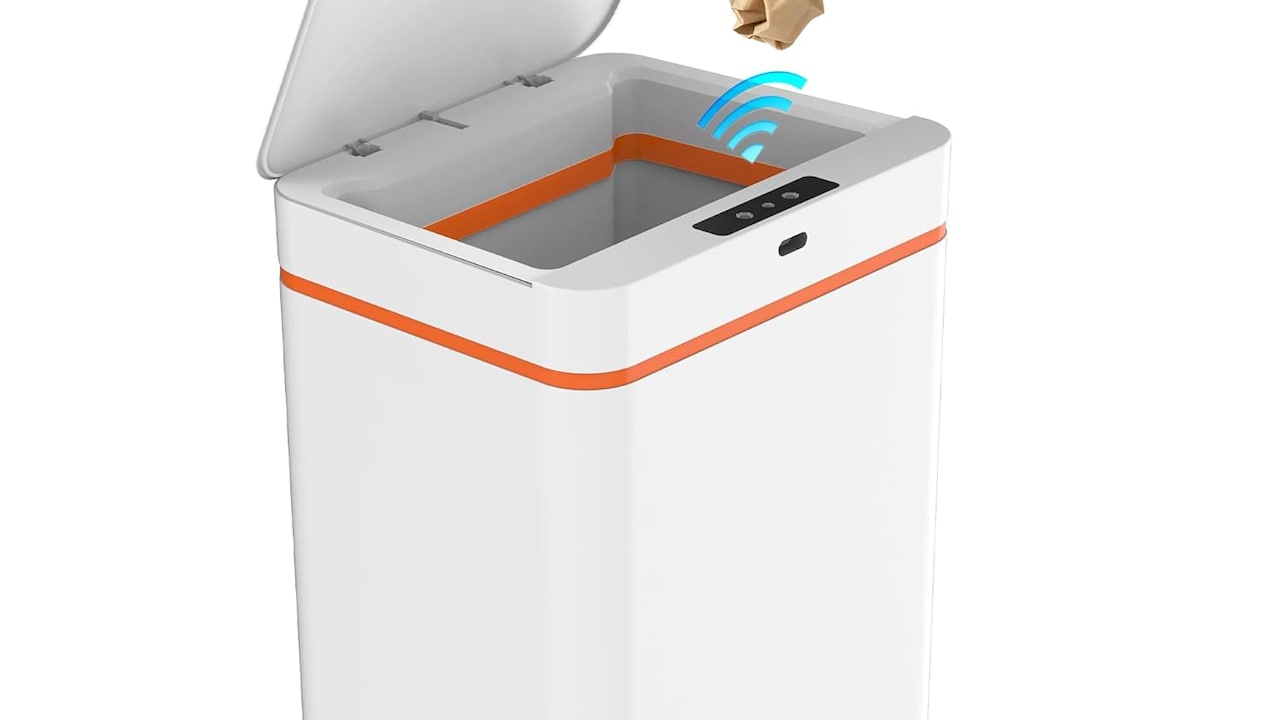
Smart Motion Sensor Dustbins: Pros, Cons And Real-Life Use Cases
Photo Credit: Amazon
5. Children and Curiosity: Fun Turns Tricky
Children find motion sensor dustbins fascinating. A waving lid feels like a toy that responds instantly. Laughter often follows as the lid opens and closes on command.
This curiosity brings both joy and trouble. Constant triggering drains batteries and strains the mechanism. Tiny hands may poke inside out of sheer fascination, raising safety concerns.
Some parents turn this curiosity into a lesson about cleanliness and responsibility. Others grow tired of shouting reminders to stop playing with the bin.
In homes with very young children, placing the dustbin strategically becomes essential. When managed well, it supports hygiene. When ignored, it turns into an unintended source of chaos.
6. Bathrooms and Bedrooms: Subtle but Useful
Bathrooms demand hygiene. Touch-free disposal of tissues or wipes feels reassuring. A smart dustbin fits naturally into this space, especially during times of illness.
Bedrooms benefit in quieter ways. Night-time disposal without switching on bright lights adds comfort. Some models operate silently, preserving calm.
Moisture poses a challenge in bathrooms. Not all bins handle humidity well. Over time, sensors may falter if exposed to steam regularly.
Choosing a suitable model and placing it wisely makes all the difference. In controlled environments, these bins quietly enhance comfort. In damp corners, they demand extra care.
7. Cost Versus Value: Is the Price Justified?
Automatic motion sensor dustbins cost more than standard bins. Prices range widely, from modest options to premium designs costing several thousand rupees. Spending ₹4,000 on a dustbin raises eyebrows.
Value depends on usage. In homes that prioritise hygiene and convenience, the investment feels justified. The daily ease adds up over time.
In simpler households, a ₹500 pedal bin performs reliably without fuss. The added cost of batteries or charging further tilts the balance.
A smart dustbin remains a lifestyle choice rather than a necessity. It suits those who enjoy small comforts and modern touches, not those seeking purely functional solutions.
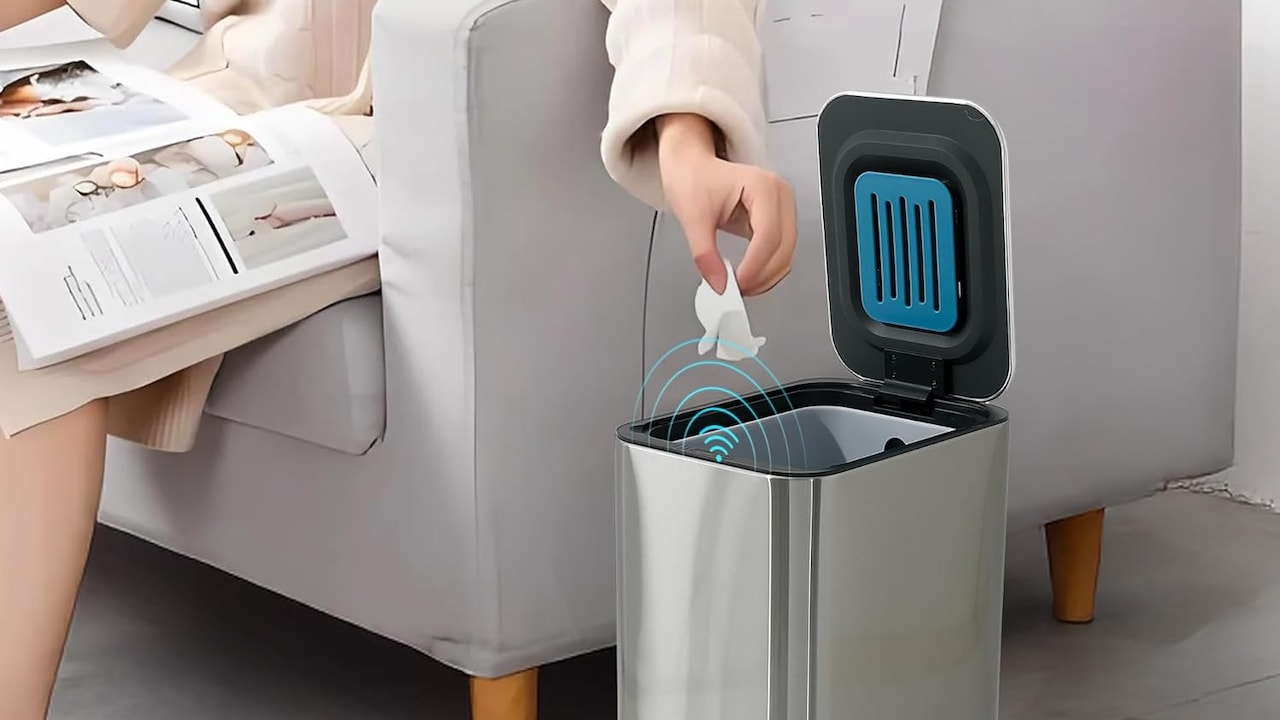
Automatic Smart Motion Sensor Dustbins: When They Help and When They Dont
Photo Credit: Amazon
8. Durability in Everyday Living
Daily life involves spills, bumps, and the occasional careless knock. A dustbin must endure all of it. Some smart bins handle this well with sturdy materials and sealed electronics.
Others struggle. Cheap sensors fail. Lids jam. Repairs prove difficult and replacements costly.
Traditional bins win on toughness. They survive years of use with minimal complaints. Smart bins require thoughtful handling and quality selection.
Checking build quality before purchase matters. A well-made smart dustbin lasts long and earns trust. A flimsy one quickly becomes an expensive regret.
9. Cleaning the Cleaner
A dustbin must stay clean to stay useful. Motion sensor models often feature smooth surfaces that wipe easily. Removable inner buckets simplify washing.
Yet, sensors complicate cleaning. Water exposure risks damage. Careless wiping near the sensor may cause a malfunction.
Traditional bins allow rough cleaning without worry. Smart bins demand gentler care and attention.
For households comfortable with mindful cleaning routines, this poses little trouble. For others, it adds one more chore to an already full list.
10. The Environmental Angle
Smart dustbins promise hygiene but raise environmental questions. Frequent battery replacement adds waste. Rechargeable models reduce this impact but rely on electricity.
Some bins encourage better waste segregation with multiple compartments. This feature supports responsible disposal habits.
Balancing convenience with sustainability remains key. Choosing energy-efficient models and using rechargeable batteries helps reduce environmental strain.
A thoughtful approach ensures the dustbin supports both cleanliness and conscience.
Products Related To This Article
1. The Better Home 6L Automatic Smart Sensor Manual-Lift Dustbin With Lid
2. BUILDSKILL 15 Litre Smart Sensor Dustbin for Home
3. Cello Motion Sensor Smart Trash Bin For Home 12 Liters, White
4. Lifelong Automatic Motion-Sensor Dustbin with Slow Descent & One-Touch Operation
5. InstaCuppa Automatic Touchless Motion Sensor Dustbin
Automatic smart motion sensor dustbins bring undeniable convenience. They shine in kitchens, support elderly comfort, and promote hygiene in shared spaces. Their touch-free design feels modern and reassuring.
Yet, they also demand care, power, and patience. Small homes, curious children, and high-traffic areas expose their limits. Traditional bins still hold their ground with simplicity and durability.
The choice depends on lifestyle rather than trend. When selected thoughtfully and placed wisely, these dustbins feel like helpful allies. When chosen blindly, they become noisy reminders that not every task needs automation.
In the end, the smartest homes blend innovation with practicality, choosing tools that serve life rather than complicate it.
(Disclaimer: This article may include references to or features of products and services made available through affiliate marketing campaigns. NDTV Convergence Limited (“NDTV”) strives to maintain editorial independence while participating in such campaigns. NDTV does not assume responsibility for the performance or claims of any featured products or services.)