How To Pick Portable Projectors That Actually Work In Real Homes
Choose portable projectors that deliver real brightness, clear sound and practical features for everyday homes, avoiding overhyped specs and costly disappointments.
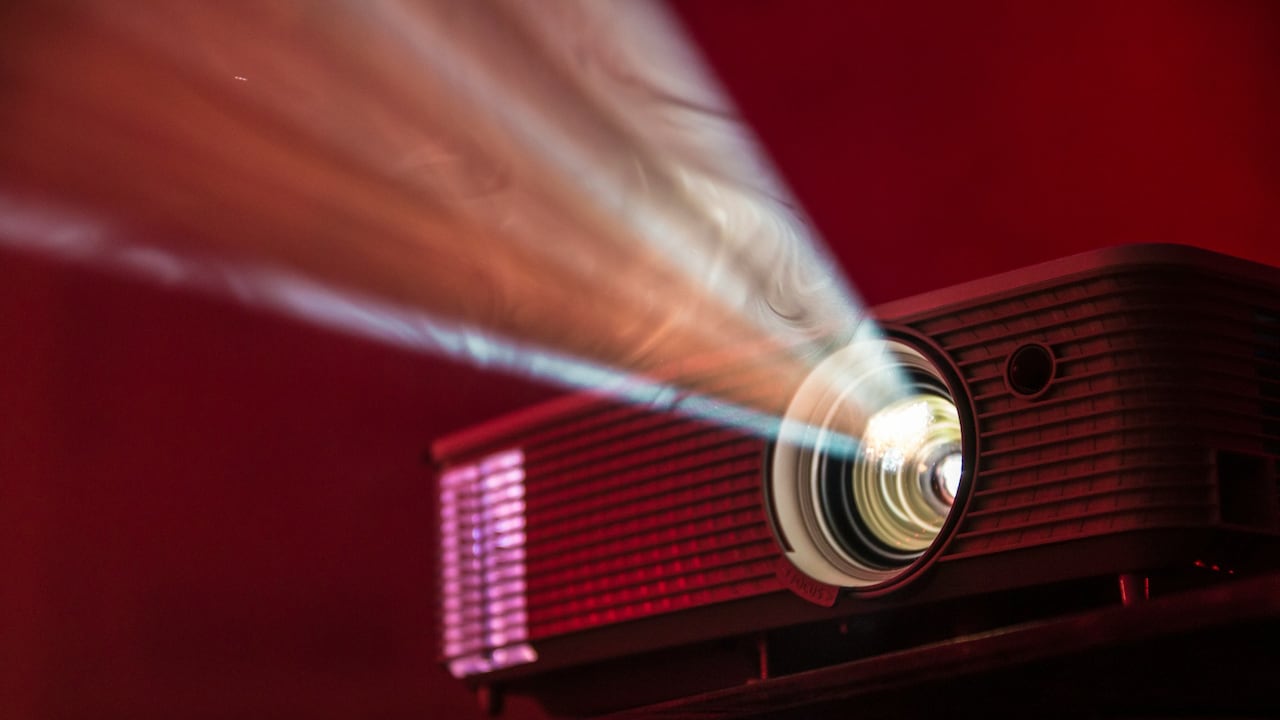
10 things to consider when choosing a projector for home
Portable projectors have become the shiny new gadget on everyone's wishlist. The idea sounds irresistible. A compact device, easy to carry, capable of turning a blank wall into a home theatre. Whether it's a family movie marathon, a terrace IPL screening, or cartoons to keep children busy during summer holidays, the appeal is obvious. Yet reality often arrives with a splash of disappointment. Many buyers discover that the projector, which looked stunning online, struggles under tube lights, produces tinny audio, or takes longer to connect than making evening chai. The market overflows with flashy promises, inflated numbers, and confusing jargon. Lumens, contrast ratios, throw distances, keystone correction, it can all start sounding like a science exam.
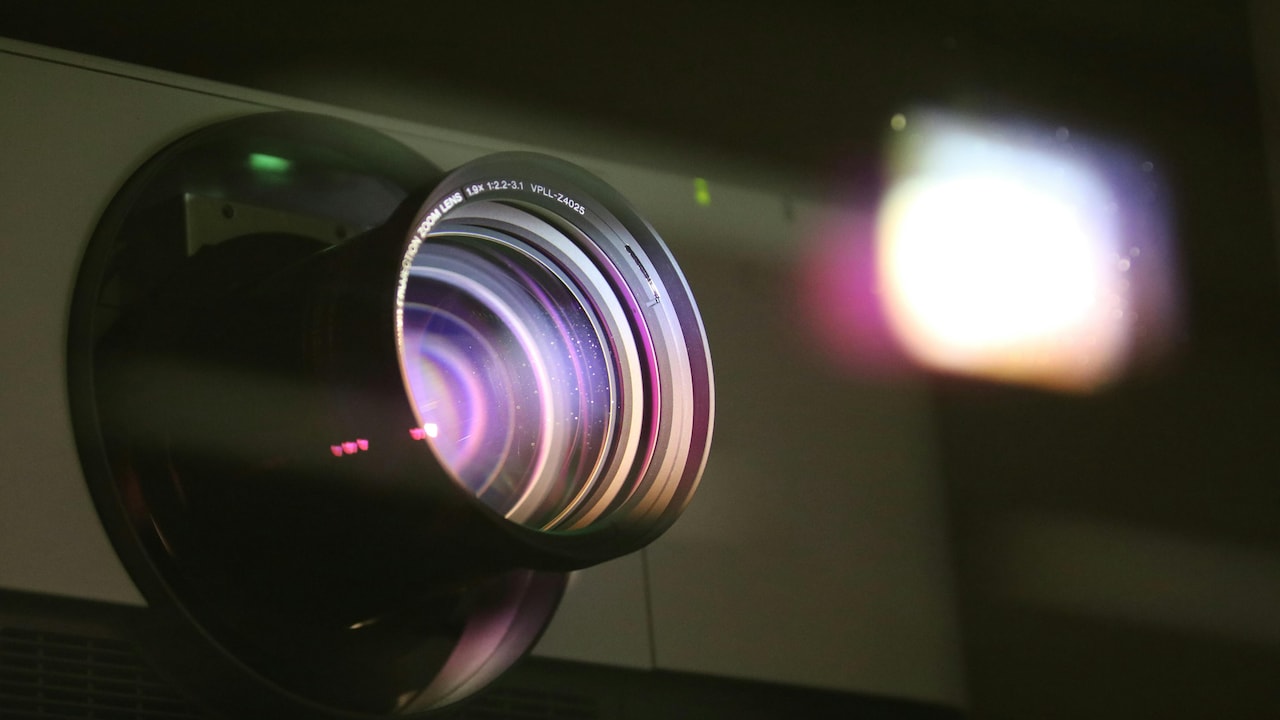
Best buying tips to choose a portable projector for your home; Photo Credit: Pexels
The truth is simple. A good portable projector should work comfortably in real homes, not just dark demo rooms. It should suit compact flats, larger family spaces, and the unpredictable power cuts or Wi-Fi hiccups of daily life. Choosing wisely means looking beyond marketing and focusing on practical performance.
This guide unpacks exactly what matters, helping households invest in a projector that delivers joy rather than regret.
Also Read: Top 5 Portable Projectors For Learning And Entertainment At Home
The Real-World Factors That Make Or Break Your Projector Experience
Brightness Matters More Than Fancy Marketing
One of the biggest mistakes buyers make is falling for exaggerated brightness claims. Many brands advertise dazzling numbers, but actual performance often tells a different story. In real homes, complete darkness is rare. Streetlights creep through curtains, ceiling fans cast shadows, and someone always switches on a kitchen light halfway through a film.
For practical use, brightness is crucial. Projectors with at least 500 ANSI lumens offer a decent viewing experience indoors. Anything lower may leave images looking faded unless the room is nearly pitch black. For brighter living rooms or occasional daytime use, higher brightness makes a significant difference.
A terrace gathering during the festive season or a children's birthday screening demands visibility, not vague promises. Paying slightly more for reliable brightness often saves endless frustration later. Think of it as buying an inverter with proper backup instead of hoping candles will suffice.
Ignore inflated “LED lumens” figures and focus on ANSI lumens, which offer more honest comparisons. In the projector world, brightness can make the difference between blockbuster magic and a blurry disappointment.
Resolution Should Match Real Viewing Needs
Resolution often becomes another marketing trap. While 4K sounds impressive, many households simply do not need ultra-premium specifications for casual streaming or family entertainment. A portable projector with native Full HD resolution usually delivers excellent results for most homes.
Native resolution matters more than “supported resolution.” Some brands claim 4K support when the projector merely accepts the signal but displays it at lower quality. That's like ordering butter chicken and receiving gravy with two tiny chicken pieces.
For bedrooms, small halls, or children's spaces, 720p may suffice on tighter budgets. However, Full HD offers noticeably sharper visuals, especially for sports, films, and gaming. Text appears clearer, faces sharper, and overall immersion improves.
Rather than chasing unnecessary prestige, match resolution to screen size and usage. Spending ₹15,000 to ₹35,000 on a reliable Full HD projector often proves smarter than stretching budgets for inflated features with limited real-world gains.
A practical projector should balance quality with affordability, ensuring satisfying visuals without turning monthly budgets upside down.
Sound Quality Can Make Or Break The Experience
Visuals grab attention, but sound often determines whether the experience feels truly cinematic. Many portable projectors boast built-in speakers, yet some sound thinner than an old transistor radio during monsoon static.
In compact homes, external speaker setups may feel cumbersome. This makes built-in audio quality surprisingly important. A projector with decent dual speakers can comfortably handle movie nights, streaming sessions, or casual gaming without extra accessories.
Still, for larger gatherings, festivals, or sports screenings, Bluetooth speaker compatibility becomes essential. The ability to connect wireless soundbars or portable speakers adds flexibility and depth.
Imagine watching a tense final over with commentary sounding distant and hollow. It drains excitement quickly. Strong audio keeps every cheer, dialogue, and soundtrack impactful.
Before buying, assess whether the projector offers clear, balanced sound and easy audio output options. Reliable sound transforms convenience into genuine enjoyment. Otherwise, buyers may end up spending more on speaker upgrades than initially planned.
Good projectors understand that entertainment is both seen and heard.
Portability Should Mean Genuine Convenience
A portable projector should actually feel portable, not like carrying a mini pressure cooker between rooms. Size, weight, and setup ease matter enormously for daily use.
Compact designs work best for families moving devices between bedrooms, balconies, or travel destinations. Battery-powered options add further freedom, especially during road trips, weekend getaways, or power disruptions. However, battery life deserves scrutiny. A projector lasting barely one film can quickly become inconvenient.
Check whether the device fits comfortably into backpacks or storage spaces. Handle design, charging method, and included accessories also affect usability.
Quick setup is equally vital. Nobody wants to spend half an hour adjusting angles while relatives wait impatiently for the movie to begin. Lightweight devices with intuitive controls save time and reduce hassle.
True portability combines mobility with practicality. It should support spontaneous plans rather than create logistical headaches. A projector that's easy to carry, connect, and operate naturally integrates into home life far better than bulkier alternatives.
Convenience often proves more valuable than ambitious specifications.
Smart Features Should Simplify Life, Not Complicate It
Modern buyers often expect projectors to function like smart televisions. Built-in streaming apps, Wi-Fi connectivity, screen mirroring, and voice controls can greatly enhance convenience. Yet poorly executed smart systems often frustrate more than they help.
Reliable operating systems matter. Android TV or certified streaming support generally offers smoother experiences than clunky proprietary software. Households frequently rely on platforms like Netflix, Prime Video, or YouTube, so seamless compatibility becomes essential.
Screen mirroring for smartphones can also prove valuable for presentations, casual browsing, or family photo sharing. However, laggy or unstable connections can quickly become irritating.
The best smart features fade into the background, making viewing effortless. If software updates constantly fail or app navigation feels sluggish, even excellent hardware loses charm.
In many cases, simpler projectors paired with reliable streaming sticks outperform overcomplicated built-in systems. Think practicality over novelty.
Technology should reduce friction, not create new chores. A genuinely smart projector enhances entertainment without demanding technical expertise every weekend.
Look for features that simplify using it and not over complicate it; Photo Credit: Pexels
Throw Distance And Room Size Need Careful Attention
Many buyers overlook throw distance until the projector arrives and turns their wall into a disappointingly small rectangle. The throw ratio determines how far the projector must sit from the screen to create the desired image sizes.
Compact homes often benefit from short-throw projectors, which produce large images from shorter distances. This suits bedrooms, studio apartments, or smaller halls where space is limited.
Traditional projectors may require several metres to achieve cinema-scale visuals. Without proper planning, furniture arrangements can become awkward. Nobody wants a projector balanced precariously on dining tables.
Measure available room dimensions before purchasing. Consider wall space, seating arrangements, and placement options. A practical setup should feel natural rather than improvised.
Short-throw flexibility often justifies slightly higher upfront costs, especially in urban homes where every square foot matters.
The ideal projector should fit the home, not force the home to adapt around it. Matching throw distance to actual living spaces ensures enjoyable, stress-free viewing.
Build Quality Determines Long-Term Value
Portable gadgets often endure more wear than stationary electronics. Frequent movement, travel, storage, and occasional accidental knocks demand durable construction.
A projector's casing, lens protection, cooling system, and overall sturdiness significantly influence lifespan. Cheap plastic builds may initially appear budget-friendly but often invite overheating, damage, or degraded performance.
Reliable cooling systems deserve particular attention. Overheating affects brightness, noise levels, and component longevity. A noisy fan can also disrupt quieter scenes during films.
Dust resistance matters too, especially in urban environments where particles accumulate quickly. Lens maintenance can otherwise become frustrating.
Spending wisely on stronger build quality often proves more economical over time than replacing unreliable devices every year. Think of it as choosing a sturdy mixer grinder rather than one that gives up after a few festive seasons.
Durability ensures the projector remains useful beyond initial novelty, delivering consistent entertainment through years of family use.
Battery Backup And Power Flexibility Are Essential
Power reliability varies across regions, making battery performance particularly relevant for portable projectors. Internal batteries offer flexibility for outdoor screenings, rooftop gatherings, or emergency entertainment during outages.
Battery capacity should comfortably support at least two hours of playback for practical use. Anything less limits freedom considerably. USB-C charging or power bank compatibility adds valuable convenience, especially during travel.
Projectors that rely solely on wall sockets may still suit fixed setups but lose some portability advantages. Evaluate lifestyle needs carefully.
For households using projectors beyond conventional living rooms, flexible power options enhance usefulness. Watching a late-night match on the terrace or hosting family functions becomes easier without constant cable management.
Power adaptability strengthens the projector's role as a genuinely versatile device rather than a novelty gadget.
A practical projector should support real routines, unpredictable situations, and diverse settings with ease.
Brand Reputation And After-Sales Service Matter Deeply
In a crowded market, unfamiliar brands often lure buyers with tempting prices and flashy features. Yet after-sales service can quickly separate smart purchases from costly mistakes.
Reliable warranty support, accessible service centres, and software updates matter greatly. A malfunctioning projector without local repair options can become an expensive paperweight.
Established brands may charge slightly more, but they often offer stronger quality assurance and customer support. User reviews, service experiences, and long-term reliability should guide decisions alongside specifications.
Look for practical feedback rather than promotional hype. Real buyers often reveal issues hidden by advertisements.
Affordable technology only feels worthwhile when it continues functioning properly. Spending ₹5,000 less upfront may seem attractive until repair challenges emerge months later.
A dependable brand offers peace of mind, which remains priceless when investing in household electronics.
Price Should Reflect Value, Not Just Savings
Budget remains important, but chasing the cheapest option often leads to disappointment. Portable projectors range widely in price, from under ₹8,000 to over ₹60,000. The goal should focus on genuine value.
For occasional use, entry-level models may suffice. However, for regular entertainment, investing between ₹20,000 and ₹40,000 often delivers the best balance of quality, features, and durability.
Assess priorities honestly. Better brightness, sharper visuals, stronger sound, and reliable support usually justify moderate spending increases.
Think long-term rather than impulsive bargain hunting. A projector should enhance leisure consistently, not become a forgotten gadget gathering dust.
Value comes from sustained performance, convenience, and enjoyment, not merely lower prices.
Smart buyers seek products that fit their lifestyle and deliver dependable results over time.
Products Related To This Article
1. WZATCO Yuva Go Pro Fully Automatic Native 1080P Android 13.0 Smart Projector
2. TMY Auto Keystone Mini Portable Projector
3. TMY Auto Keystone Mini Portable Projector
4. Crossbeats Lumex Vista Projector 4K Ultra HD [Dolby Audio Official] Android TV
5. [Netflix Official License] Crossbeats Lumex Flix Projector 4k Ultra HD
Portable projectors can absolutely transform home entertainment, but only when chosen with practical wisdom rather than marketing excitement. Real homes demand brightness that withstands ambient light, sound that fills family spaces, portability that genuinely simplifies use, and durability that justifies investment.
The best projector isn't necessarily the flashiest or most expensive. It's the one that fits living spaces, entertainment habits, and realistic expectations. Whether for movie nights, cricket matches, festive gatherings, or children's cartoons, thoughtful selection ensures lasting satisfaction.
By focusing on real-world performance over gimmicks, households can avoid common pitfalls and create memorable viewing experiences that truly work.
Because when a projector performs beautifully in actual daily life, it stops being just another gadget and becomes part of the home's happiest moments.
(Disclaimer: This article may include references to or features of products and services made available through affiliate marketing campaigns. NDTV Convergence Limited (“NDTV”) strives to maintain editorial independence while participating in such campaigns. NDTV does not assume responsibility for the performance or claims of any featured products or services.)