Bluetooth Speaker Wattage Explained: How Much Power Is Enough For Home And Outdoors
Choosing the right Bluetooth speaker wattage can be confusing. This guide explains how much power you really need for home and outdoor use, helping you get clear sound without overspending or disturbing the peace.

How Much Speaker Wattage You Need: Bluetooth Power Guide For Home Listening And Outdoor Use.
Music shapes moods. A soft ghazal can calm a hectic evening, while energetic Bollywood tracks can lift an entire gathering. Bluetooth speakers make this easy, but wattage often confuses buyers. Some assume a higher watt automatically means better sound. Others worry that a powerful speaker will disturb neighbours or drain batteries too quickly.
The truth sits somewhere in between. Wattage matters, but not in isolation. Room size, outdoor use, listening habits, and even the type of music played equally important roles. For homes with limited space, a massive speaker can feel like overkill. For outdoor picnics or rooftop parties, a low-power speaker may struggle against traffic noise or chatter.
This article explores how much wattage works best for different situations, with relatable examples and practical advice. No technical lectures, no marketing fluff, just clear answers that help make a confident choice.
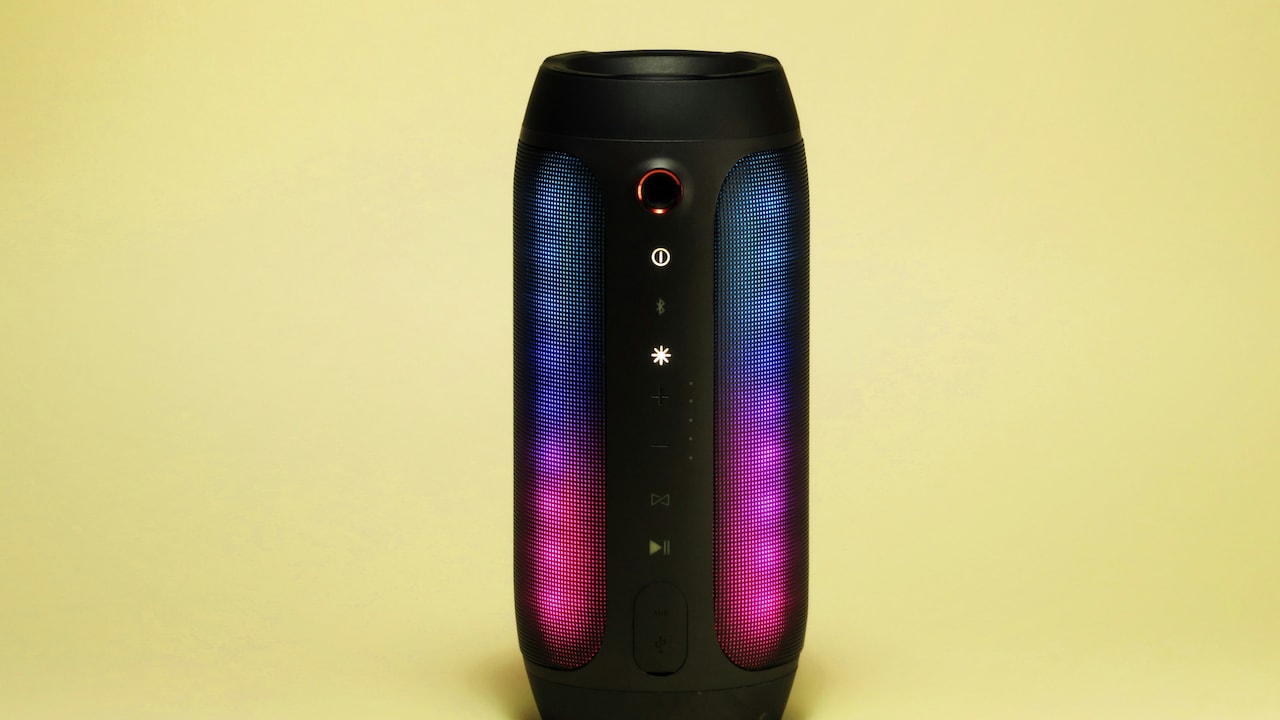
How Much Watt Bluetooth Speaker Is Good for Home And Outdoors
Photo Credit: Pexels
Breaking Down Speaker Wattage For Home And Outdoor Use
1. Understanding What Speaker Wattage Really Means
Wattage indicates how much electrical power a speaker uses to produce sound. In simple terms, higher wattage allows louder output without distortion. However, wattage alone does not define sound quality. A well-tuned 10-watt speaker can sound richer than a poorly designed 30-watt one.
Many buyers mistake wattage for volume alone. In reality, it also influences clarity at higher levels. Low-watt speakers sound fine at moderate volume but struggle when pushed harder. That crackling sound during a favourite song often signals insufficient power.
Manufacturers sometimes highlight peak wattage, which sounds impressive but rarely reflects real-world use. RMS wattage offers a more reliable measure. For everyday listening, understanding this difference helps avoid disappointment.
Think of wattage like engine capacity in a scooter or bike. A powerful engine helps on highways, but city rides rarely need it. Similarly, the right wattage depends on where and how the speaker will be used, not just on bigger numbers printed on the box.
2. Ideal Wattage for Small Rooms and Personal Use
For bedrooms, study corners, or compact living rooms, speakers between 5 to 10 watts work beautifully. These spaces rarely need thunderous volume. Soft music during late-night reading or morning podcasts sounds balanced at lower wattage.
Such speakers fit easily on shelves or bedside tables. They also consume less power, which means longer battery life, perfect for daily use without frequent charging. For people living in flats, lower wattage avoids complaints from neighbours while still delivering satisfying sound.
A 10-watt speaker can comfortably fill a room of up to 120 square feet. Dialogues stay clear, vocals feel warm, and bass remains present without overpowering. Many users find this range ideal for calls, online meetings, or casual music streaming.
Instead of chasing loudness, focus shifts to tone and balance here. For peaceful indoor settings, moderate wattage creates a pleasant atmosphere without turning the home into a concert hall.
3. Wattage That Works Best for Living Rooms
Living rooms demand more presence. Family gatherings, weekend movie nights, or cricket match commentary require sound that carries without sounding harsh. Speakers in the 15 to 25-watt range suit these spaces well.
This wattage fills medium-sized rooms with ease. Music gains depth, and bass notes feel fuller. Dialogues from films remain crisp even when people chat in the background. The speaker does not need to sit close to listeners to perform well.
In homes where the living room doubles as a social space, this range strikes a smart balance. It delivers volume when needed and restraint during relaxed moments. Many speakers in this category also support better drivers and improved tuning.
For those who enjoy varied content, from classical tracks to action films, this wattage adapts well. It brings energy without overwhelming the room, making it a popular choice for everyday entertainment.
4. Choosing Wattage for Outdoor Use
Outdoor environments absorb sound quickly. Open spaces, wind, and surrounding noise demand higher power. For balconies, gardens, or terrace gatherings, speakers between 20 and 40 watts perform reliably.
At this level, sound travels farther and remains clear. Music does not fade into the background, even when conversations grow louder. Bass feels punchy, which adds excitement to dance numbers and party playlists.
Battery capacity becomes important here. Higher wattage uses more power, so checking battery backup avoids awkward silences mid-song. Many outdoor-friendly speakers balance power and efficiency well.
Imagine a weekend barbecue or a birthday celebration under the stars. A speaker in this wattage range keeps energy high without sounding strained. It handles both music and announcements smoothly, making outdoor moments more memorable.
5. Portable Speakers vs Wattage Expectations
Portability often limits wattage. Small, lightweight speakers usually range from 3 to 10 watts. While they cannot compete with larger models, they shine in convenience.
These speakers suit travel, short trips, or quick picnics. They slip into backpacks and work well in quiet outdoor spots. Expect clear vocals and decent bass at moderate volume, not room-shaking sound.
Some compact speakers cleverly enhance perceived loudness through smart tuning. They surprise listeners with sound that feels bigger than their size. However, expectations should remain realistic.
For those constantly on the move, portability outweighs raw power. A lightweight 8-watt speaker can still make a train journey or hotel stay more enjoyable. Wattage matters less here than ease of use and durability.
6. Party Speakers and High Wattage Needs
Large gatherings demand serious sound. Party speakers often start at 50 watts and go well beyond. These speakers handle crowds, dancing, and energetic playlists without distortion.
Such wattage fills open areas with ease. Bass thumps strongly, vocals cut through noise, and the overall experience feels immersive. These speakers often include extra features like light effects and microphone inputs.
However, high wattage brings size and weight. These speakers suit events rather than daily use. They also cost more and require careful placement to avoid overpowering the space.
For celebrations like house parties or festive gatherings, higher wattage adds excitement. It turns music into an experience rather than background noise. Used wisely, it becomes the heart of any celebration.
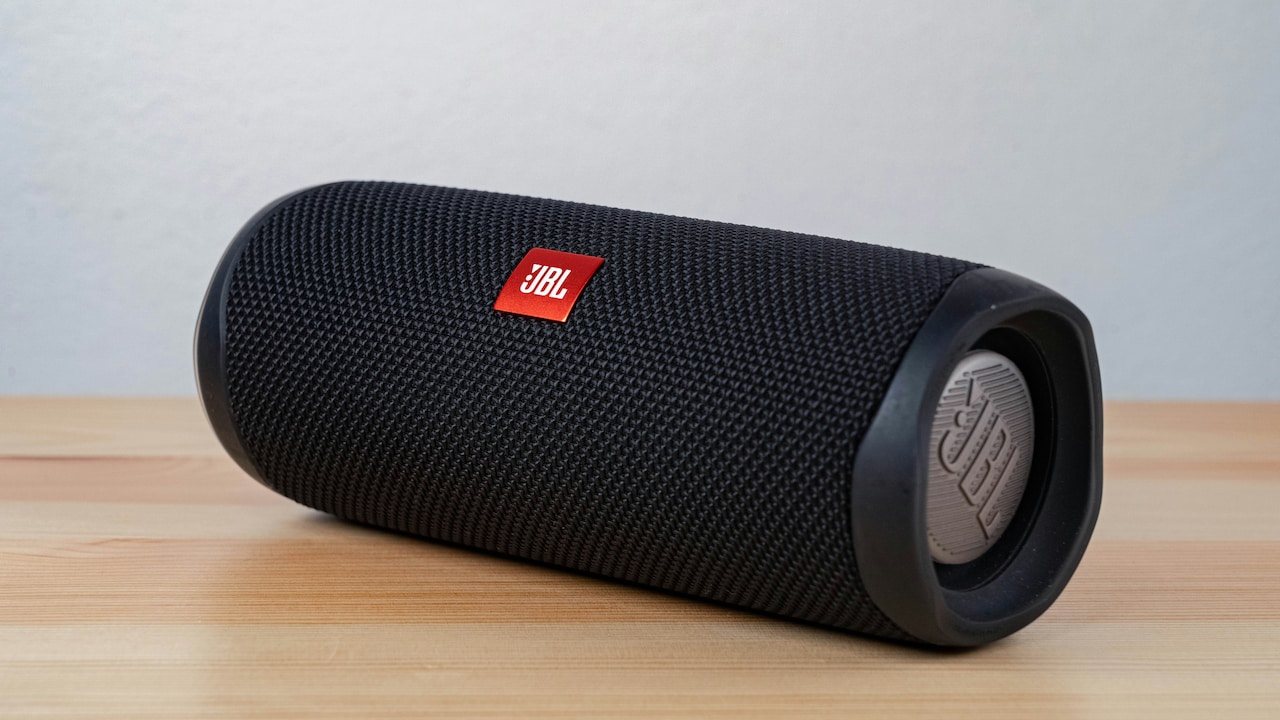
How Much Watt Bluetooth Speaker Is Good for Home And Outdoors
Photo Credit: Pexels
7. Battery Life and Wattage Balance
Higher wattage often reduces battery life. A powerful speaker drains energy faster, especially at full volume. This trade-off matters during travel or outdoor use.
Lower wattage speakers can run for 10 to 15 hours easily. High-power models may last 4 to 6 hours at loud levels. Some offer quick charging or power bank features to compensate.
Choosing wattage means balancing volume needs with usage duration. For long trips or day-long outings, moderate wattage proves more practical. For short events, power takes priority.
Understanding this balance avoids frustration. Nobody enjoys a speaker dying halfway through a favourite playlist. Matching wattage to expected usage keeps music flowing smoothly.
8. Music Genre and Wattage Considerations
Different music styles respond differently to wattage. Acoustic, classical, or vocal-centric tracks sound great at lower power. They focus on clarity rather than impact.
Electronic, hip-hop, and dance music benefit from higher wattage. Bass lines and beats need power to feel satisfying. Without enough wattage, these genres sound flat.
Knowing listening preferences helps narrow choices. A speaker tuned for balance at 15 watts may outperform a louder one for softer genres. Conversely, party tracks demand extra muscle.
Instead of one-size-fits-all thinking, aligning wattage with music taste creates better listening experiences. Sound feels tailored, not forced.
9. Room Acoustics and Speaker Placement
Wattage interacts with surroundings. Soft furnishings absorb sound, while bare walls reflect it. A 20-watt speaker may sound louder in a tiled room than in a carpeted one.
Placement also matters. Corner placement enhances bass. Central positioning spreads sound evenly. Poor placement wastes wattage potential.
Before upgrading wattage, adjusting placement often improves sound. Simple changes like raising the speaker or moving it away from walls can make a noticeable difference.
Understanding acoustics prevents unnecessary spending. Sometimes, the existing wattage suffices when used smartly.
10. Avoiding Common Wattage Myths
One common myth claims that higher wattage always equals better sound. Quality depends on tuning, drivers, and design. Another myth suggests that low wattage cannot sound rich. Many compact speakers prove otherwise.
Marketing often exaggerates numbers. Focusing only on wattage ignores real-world performance. Listening to demos and reviews offers better insight.
Choosing wattage based on actual needs saves money and space. Overpowered speakers often remain underused, while underpowered ones disappoint.
Breaking free from these myths leads to smarter decisions and more satisfying sound experiences.
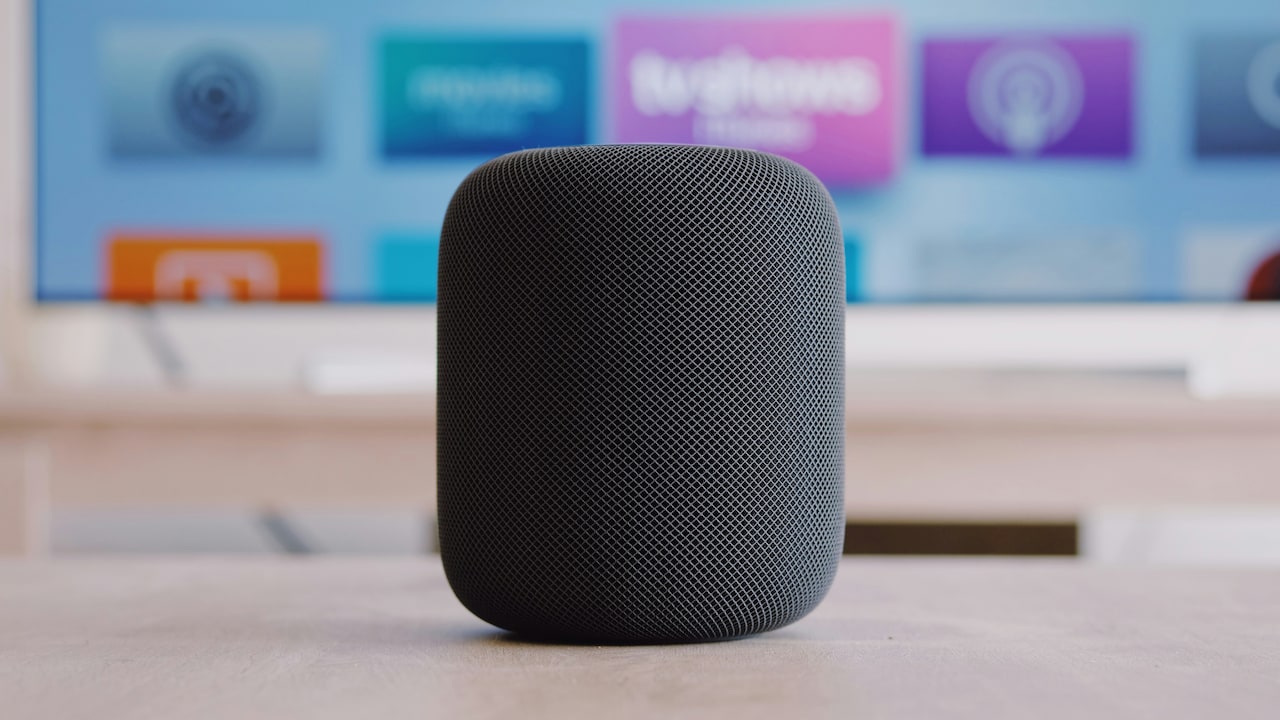
How Much Watt Bluetooth Speaker Is Good for Home And Outdoors
Photo Credit: Unsplash
Products Related To This Article
1. amazon basics 5W Bluetooth 5.3 Speaker
2. ZEBRONICS Astra 35, Portable Bluetooth Speaker
3. Tribit StormBox Mini+ Bluetooth Speaker 12W
4. boAt Stone 352 Pro/Stone 358 Pro w/ 14W Signature Sound
5. Dubstep Pop 1200 with Upto 16 Hrs Playtime
6. Portronics SoundDrum 1 12W TWS Portable Bluetooth Speaker with Powerful Bass
7. JBL Go 3, Wireless Ultra Portable Bluetooth Speaker, Pro Sound
Choosing the right Bluetooth speaker wattage feels simpler once real needs come into focus. Small rooms thrive on modest power. Living rooms appreciate balance. Outdoor spaces demand extra strength. High wattage excites crowds, while lower wattage suits everyday listening.
Instead of chasing the biggest number, matching wattage to lifestyle creates better value and enjoyment. Music should feel effortless, not overwhelming or inadequate. With the right wattage, every song finds its perfect volume, whether played indoors or under open skies.
(Disclaimer: This article may include references to or features of products and services made available through affiliate marketing campaigns. NDTV Convergence Limited (“NDTV”) strives to maintain editorial independence while participating in such campaigns. NDTV does not assume responsibility for the performance or claims of any featured products or services.)