Buy Xiaomi Pad 7 (Nano-Texture Display) Worth ₹39,999, Now At 25% Off On Amazon
Discover the ultimate Xiaomi pad 7 tablet experience with a glare-free Nano-Texture display, powerful performance, and long battery life. Available now at 25% off on Amazon, dont miss this deal!
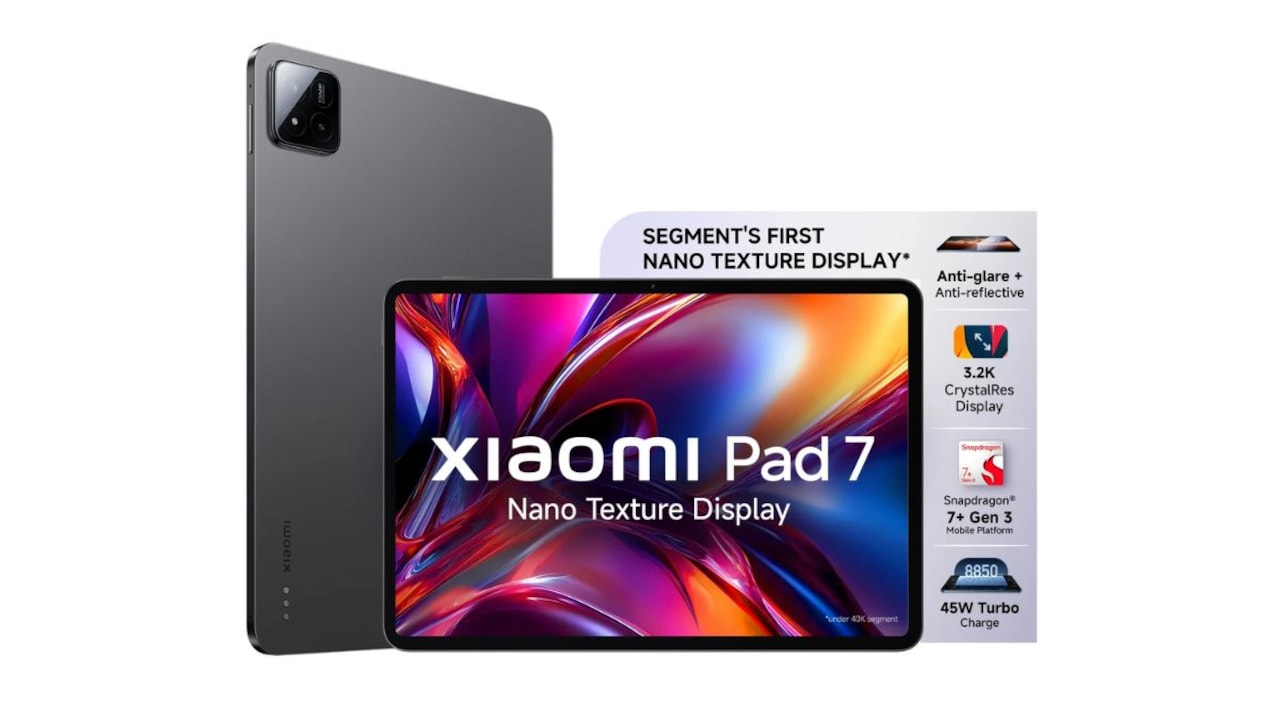
The Nano-Texture display reduces glare for comfortable viewing.
Imagine that you're curled up on the sofa on a bright winter afternoon, a cricket stream on one side, notes and docs split‑screen on the other, and zero glare from the sun hitting your window. That's the experience Xiaomi is pitching with the Pad 7 Nano‑Texture Display Edition, a tablet that aims to bring premium, anti‑reflective glass and top‑tier performance to a price bracket most of us actually shop in. If you're planning to buy the Xiaomi Pad 7 and want one article that tells you everything, how it looks, how it performs, what's different about this Nano‑Texture panel, and whether the Amazon deal is worth it, you're in the right place.
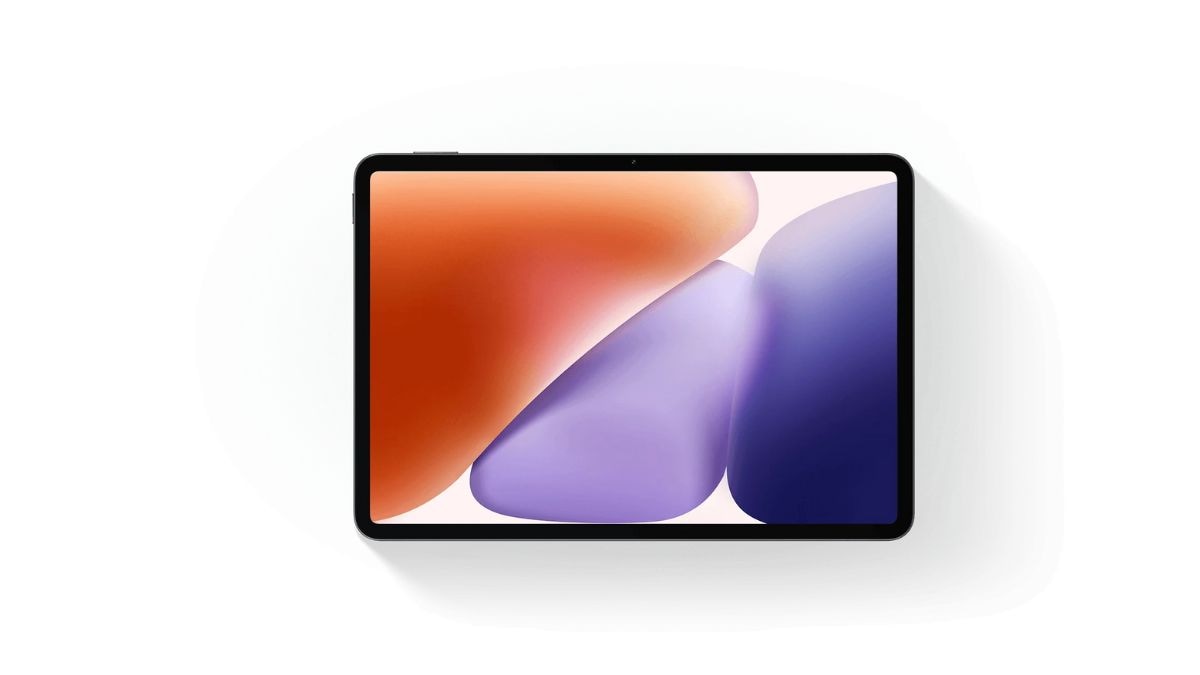
A 144Hz refresh rate makes scrolling and gaming ultra-smooth.
Photo Credit: Xiaomi
Price, offers, and why this is trending right now
The Xiaomi Pad 7 Nano‑Texture Display Edition carries an MRP of ₹39,999, but right now it's been selling on Amazon at ₹29,999 and with periodic bank promos the effective discount becomes much more than the original making it a deal of the day.
Also Read: Top 8 Monitors For Work, Editing And Gaming Based On What You Actually Need From Samsung To LG
Design And Build
At first touch, the Pad 7 feels reassuringly premium. The body is metal, it's just 6.18mm thick, and weighs 500g, so you get that slim‑and‑solid vibe without worrying about flex. Xiaomi is offering Graphite Grey, Sage Green, and Mirage Purple, which look more muted than shouty, handy if you'll carry it into meetings. A welcome bonus for everyday use is the IP52 rating for dust and light splashes; it's not a rugged tablet, but this helps against minor mishaps.
Nano‑Texture Display
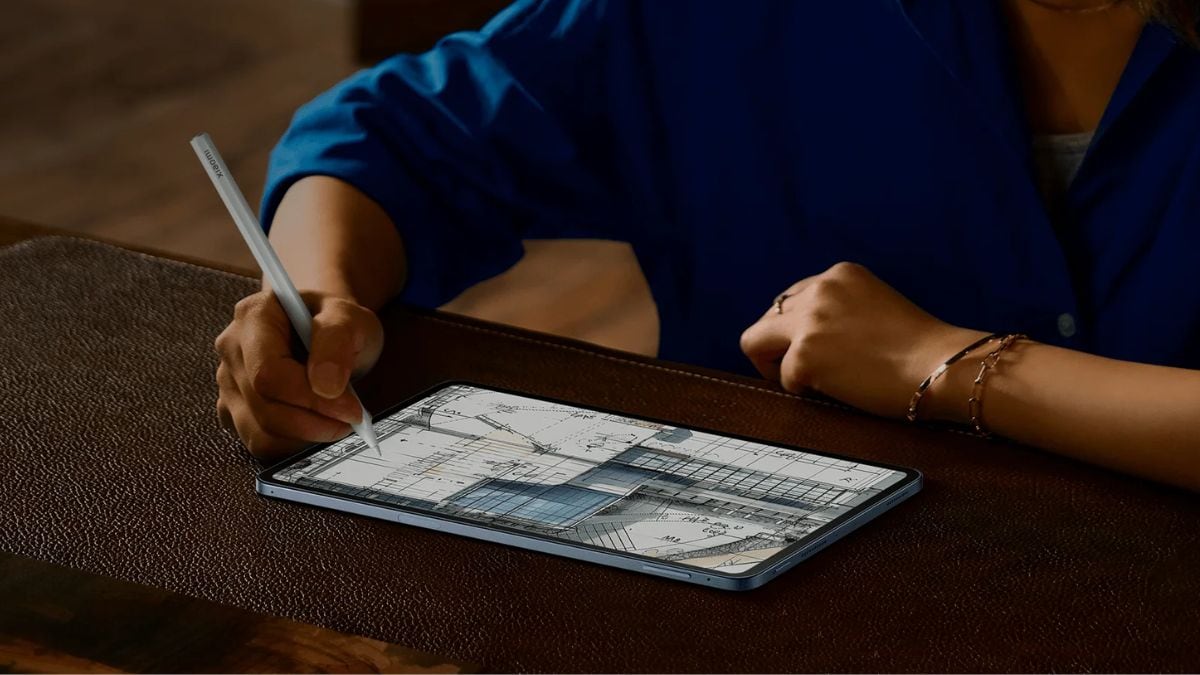
Slim and lightweight design makes it easy to carry anywhere.
Photo Credit: Xiaomi
Here's the headliner. The Pad 7 Nano‑Texture Edition uses dual‑layer AG (anti‑glare) and AR (anti‑reflective) etching on the cover glass to tame reflections and create a paper‑like, matte smoothness without killing colour or sharpness. Underneath, you get an 11.2‑inch CrystalRes LCD with a 3.2K (2136×3200) resolution, 144Hz AdaptiveSync refresh rate, and 800 nits peak (HBM) brightness, so it stays legible outdoors and super‑smooth for gaming and scrolling. The panel supports Dolby Vision and HDR10, and Xiaomi's eye‑comfort stack (TÜV Low Blue Light, Flicker‑Free, Circadian Friendly) is certified, useful if your workday runs long.
If you're comparing standard glossy tablets to this coated glass, the difference shows up in bright rooms and under overhead lights. The matte treatment reduces harsh reflections, yet, unlike cheap screen protectors, preserves fine text edges and wide‑gamut colour. Xiaomi's own listing leans hard on this point, and in daily use it genuinely feels more “readable” at odd angles.
Performance
The Pad 7 runs Qualcomm's Snapdragon 7+ Gen 3 (4nm), paired with LPDDR5X RAM and UFS 4.0 storage on the higher capacity models, which means fast app launches, brisk file transfers, and smooth multitasking, even with heavy docs and multiple apps side by side. Xiaomi ships it with HyperOS 2 based on Android 15, so you get modern security, better memory management, and tablet‑first tweaks like improved split‑screen and stylus latency.
If you like numbers, independent listings peg typical configs at 8GB/128GB, 8GB/256GB, and 12GB/256GB, with the Nano‑Texture Edition offered in the 12/256 trim in India.
Battery And Charging
Inside is an 8,850mAh battery, and the tablet supports 45W wired charging. In practical terms, that's a full workday of browsing, video calls, and media, then about 80 minutes to full from near‑empty in controlled tests. If you're upgrading from an older Pad with slower charging, this alone feels like a quality‑of‑life leap.
Audio And Cameras
The Pad 7 features quad speakers with Dolby Atmos and Hi‑Res audio support, giving you broader stereo and cleaner mids, a noticeable upgrade for Netflix, sports streams, and YouTube lectures. For video calls and scanning documents, the 13MP rear shooter with PDAF and 4K30 recording, plus the 8MP front camera with 1080p, cover the essentials. You won't buy this for photography, but you'll be happy with how stable and sharp it looks on Meet or Teams.
Connectivity And I/O
You get Wi‑Fi 6E, Bluetooth 5.4, and USB‑C 3.2 for faster wired accessories; there's also an IR blaster if you like the remote‑control party trick for TVs and ACs. Stylus support is baked in, with Focus Pen and a magnetic Focus Keyboard (with trackpad) sold separately, handy if you plan to use this as a light laptop for email, editing, and notes. If you want exact accessory pricing, third‑party reviews in India have listed the keyboard at ₹8,999 and the pen at ₹5,999 at launch.
Why It Shines In Everyday Experience
For students and working professionals, the 3:2 aspect ratio is a quiet masterstroke, it shows more vertical content in docs and webpages than 16:10 screens, cutting down scrolls during research or long reads. Paired with the matte Nano‑Texture cover glass, reading feels more natural under tube lights or sunlight spilling into your room. HyperOS 2 adds thoughtful touches: smoother task switchers, better windowing, and improved hand‑writing latency with the stylus, making annotations or story edits painless.
Entertainment is a slam dunk, the 144Hz panel and Dolby Vision mean crisp motion and rich tone‑mapping, while those four speakers punch above their weight. And because it's 6.18mm thin and 500g, it's easy to hold for an entire episode or slide into a sling bag for your commute.
Nano‑Texture vs 'Regular' Pad 7: Should You Pay The Premium?
The standard Pad 7 already offers the same 11.2‑inch 3.2K/144Hz panel, chipset, and battery; the Nano‑Texture Edition adds that anti‑reflective glass and tends to ship only in the 12GB/256GB configuration, which explains the price difference (India's first‑sale was ₹32,999). If your usage includes bright environments, open offices, classrooms, outdoors, the matte finish is absolutely worth it; if you mostly watch at night, the regular version saves money without sacrificing speed or colour.
Things You May Have To Compromise
There's no microSD slot, so pick your storage wisely. The cameras are utilitarian rather than flagship‑grade, great for calls and scans, less so for creative shoots. And while the LCD here is excellent, OLED lovers will still prefer inky blacks on rival tablets that cost more.
Who should buy the Xiaomi Pad 7 Nano‑Texture Edition?
Writers, editors, students, and professionals who value a comfortable, glare‑free reading and writing surface. The matte glass plus 3:2 ratio is a terrific combo for long docs and dual‑app workflows.
Entertainment enthusiasts who want Dolby Vision, 144Hz smoothness, and punchy quad speakers without stepping into iPad Pro pricing. Multi‑device users in the Xiaomi ecosystem who'll appreciate HyperOS continuity, stylus support, and the laptop‑style keyboard.
Buy A Premium‑Feeling Tablet At A Palatable Price
The Xiaomi Pad 7 Nano‑Texture Display Edition nails the everyday stuff: it's fast, light, and comfortable to read on; it sounds great; and it treats your eyes kindly during those marathon sessions. With the ₹39,999 MRP dropping to the ₹29,999 right now on Amazon, and occasional bank deals pushing the effective discount towards ~30% off, it's one of the easiest premium recommendations in the Android tablet space right now.
If you're after a one‑stop solution, work, study, entertainment, and travel, the Pad 7 Nano‑Texture Edition deserves to be at the top of your shortlist. Grab it while the offer lasts, and don't forget to factor in the Focus Keyboard if you plan to replace a light laptop for writing or editing on the go.
Frequently Asked Questions (FAQs)
1. What is a Nano-Texture display and why is it better?
A Nano-Texture display uses anti-glare and anti-reflective coatings to reduce reflections and improve readability in bright environments.
2. Is a 144Hz refresh rate important for a tablet?
Yes, a higher refresh rate ensures smoother scrolling, better gaming performance, and an overall fluid user experience.
3. How long does the battery last on a premium tablet?
Most high-end tablets offer all-day battery life, typically around 8 to 10 hours of mixed usage.
4. Can I use a stylus and keyboard with this tablet?
Yes, many modern tablets support stylus and keyboard accessories for productivity tasks like note-taking and editing.
5. Does a matte screen affect colour quality?
No, a well-designed matte finish reduces glare without compromising colour accuracy or sharpness.
(Disclaimer: This article may include references to or features of products and services made available through affiliate marketing campaigns. NDTV Convergence Limited (“NDTV”) strives to maintain editorial independence while participating in such campaigns. NDTV does not assume responsibility for the performance or claims of any featured products or services.)