Streaming Lag Ruining Your Live Moments? Why Low Latency Mode Is The Smart Fix You Need
Streaming delays ruining your “live” moments? Low latency mode cuts the lag, bringing you closer to real-time action. Here’s why this simple setting can completely transform how you watch live content.
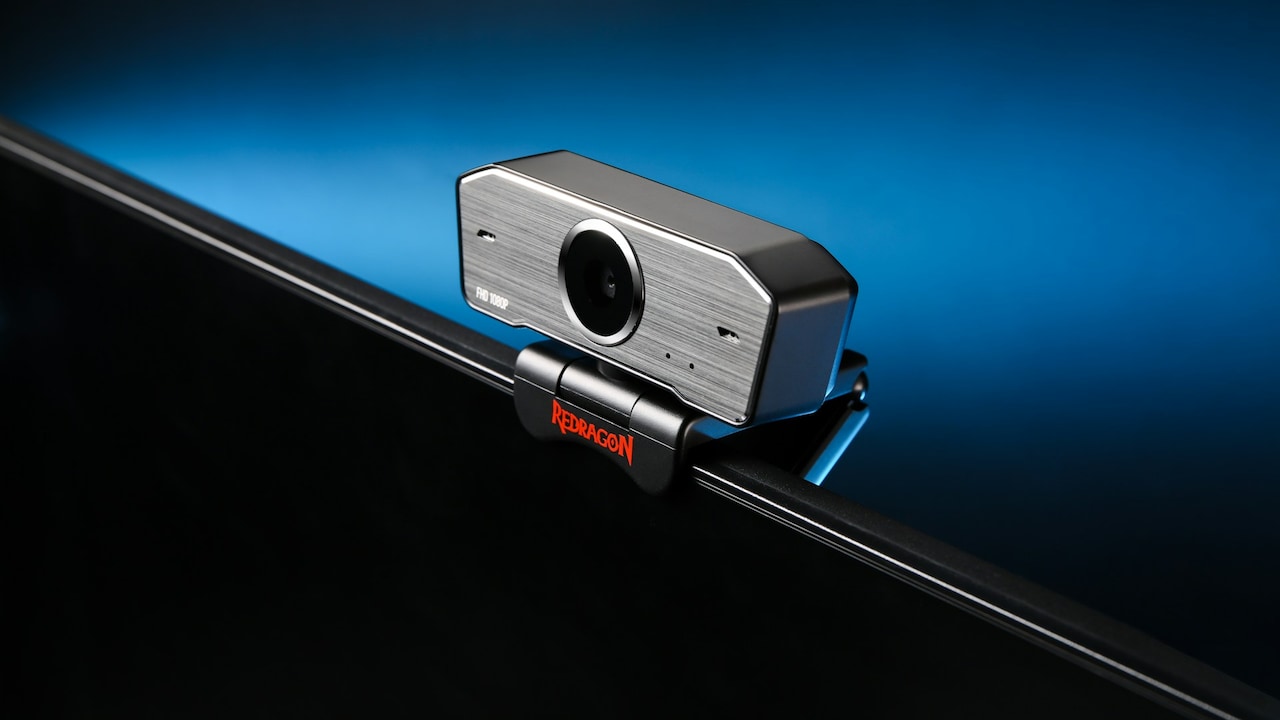
Crucial things to know about low latency mode in streaming
Picture this. The final over of a high-stakes cricket match. The crowd roars, neighbours cheer, and social media explodes. Meanwhile, the stream still shows the bowler walking back to the crease. By the time the winning shot appears, the excitement has already leaked out of the moment. That gap, often just a few seconds, feels like an eternity when emotions run high. Streaming has woven itself into daily life, from binge-worthy shows to online classes and live shopping festivals. Yet, many viewers still accept lag as an unavoidable nuisance. It isn't. The culprit is latency, the delay between a live event happening and reaching the screen. The solution sits quietly in settings menus, often ignored or misunderstood.
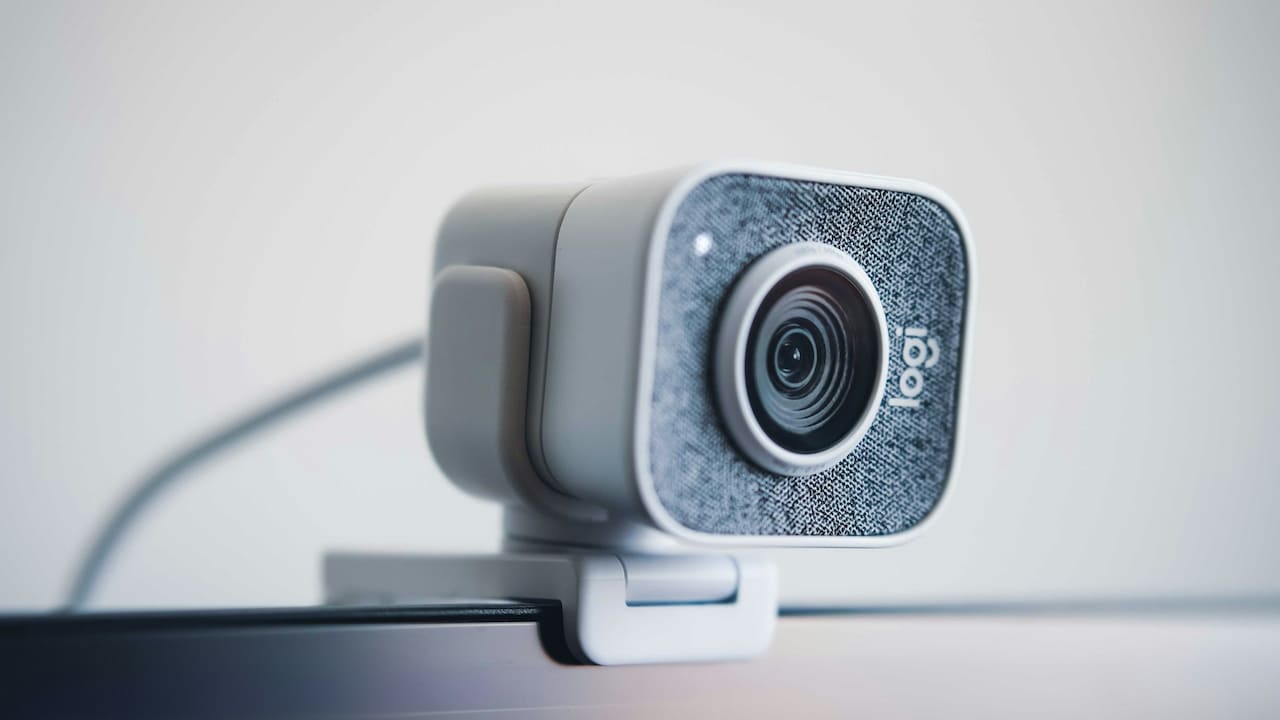
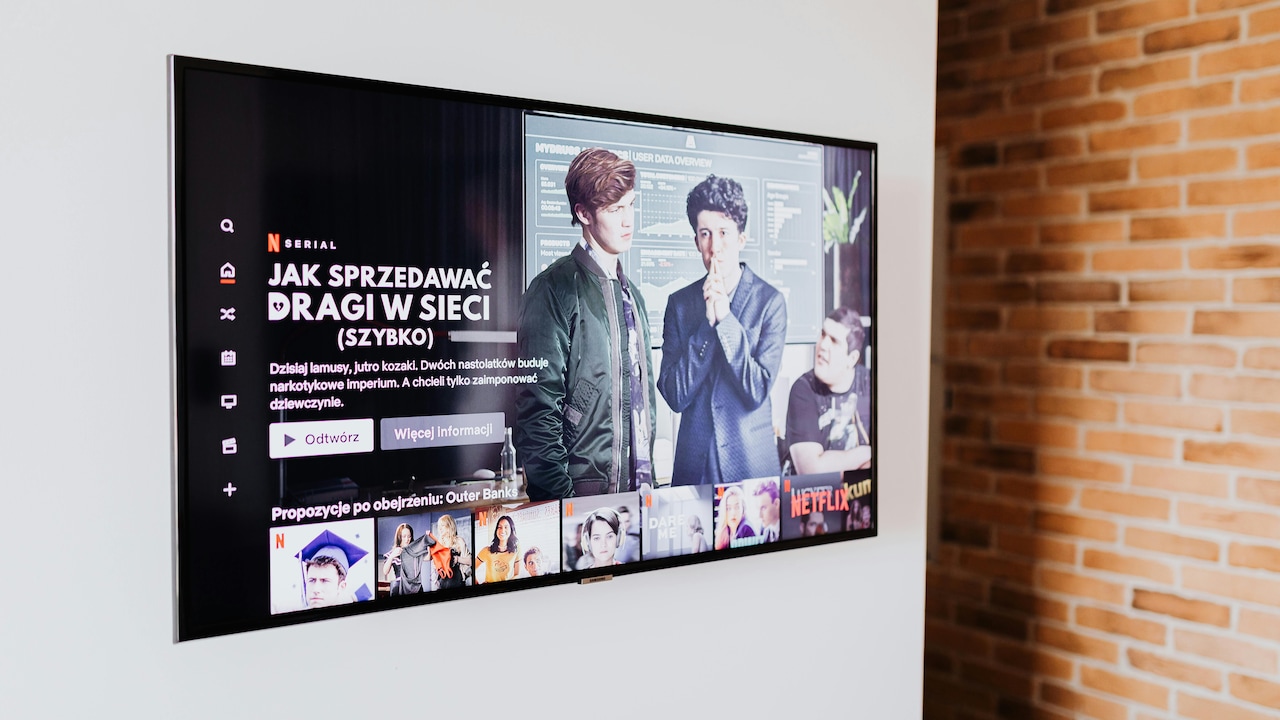
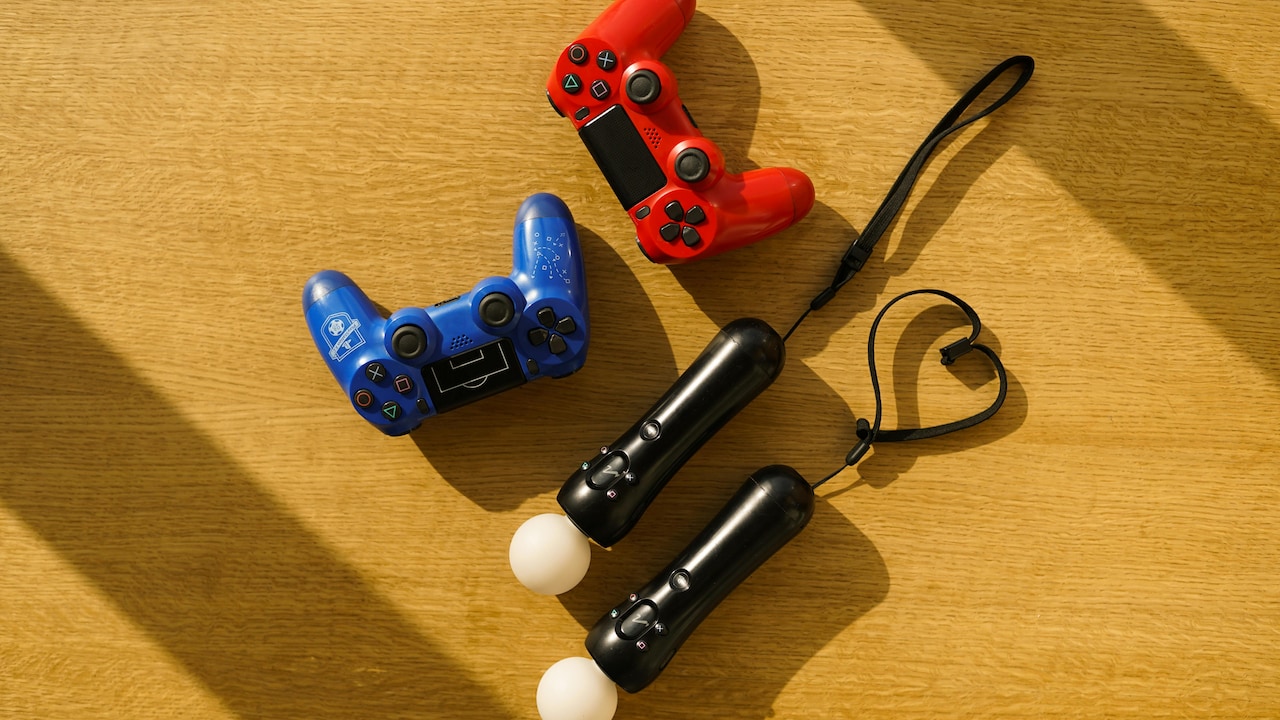
How low-latency mode helps stream lag-free; Photo Credit: Unsplash
Low-latency mode promises to bridge that gap. It brings streams closer to real-time, restoring the thrill of “live” as it should feel. For a country that thrives on shared experiences, from sports to festivals, this feature could transform how moments unfold on screen.
Also Read: Top 5 Streaming Headphones with Excellent Microphone Clarity, From Soundcore, boAt to Sony
Understanding How Low Latency Mode Transforms Live Streaming Experiences
The Hidden Problem Behind “Live” Streaming
Streaming platforms often advertise “live” content, yet the reality tells a different story. A delay of even 20 to 30 seconds can separate the event from the viewer. This gap comes from how data travels. Video gets captured, compressed, sent across servers, and then buffered before playback. Each step adds a few seconds, which quietly stack up.
For casual viewing, this delay may seem harmless. But for live events, it creates a strange disconnect. Imagine attending a virtual concert where applause echoes online before the performance reaches the screen. The emotional rhythm breaks. The sense of participation fades.
This issue becomes even more noticeable during interactive sessions. Live gaming streams, webinars, or online auctions rely on real-time reactions. A lag can mean missing a chance to respond or participate effectively. In some cases, it even affects outcomes, especially when timing matters.
Latency hides in plain sight, often mistaken for poor internet speed. While connectivity plays a role, the streaming process itself contributes significantly. Understanding this distinction helps viewers make smarter choices rather than simply upgrading data plans unnecessarily.
Why A Few Seconds Of Delay Feels So Frustrating
Human perception works in fascinating ways. A delay of just a few seconds can feel far longer when expectations clash with reality. Live experiences rely on immediacy. When that disappears, the brain senses something off, even if the difference seems small on paper.
Social media amplifies this frustration. During big events, updates flood timelines instantly. When a viewer's stream lags behind, spoilers appear before the moment unfolds on screen. The excitement evaporates, replaced by mild annoyance or outright irritation.
There's also a social aspect at play. Families and friends often watch major events together, even if physically apart. Messages, calls, and reactions flow in real time. A delayed stream disrupts this shared experience, making one feel out of sync with others.
In everyday scenarios, the impact feels subtle yet persistent. Online classes lose their interactive charm. Live fitness sessions feel slightly off-beat. Even product launches lose their spark when reactions arrive before visuals.
That emotional disconnect explains why latency matters more than it appears. It isn't just about speed; it's about preserving the essence of “being there”.
What Exactly Is Low Latency Mode?
Low-latency mode is a feature designed to reduce the delay between a live event and its streamed version. Instead of allowing large buffers, it trims down the waiting time, delivering content faster to the viewer.
Traditional streaming prioritises stability. It builds a buffer to prevent interruptions, ensuring smooth playback even if the internet speed fluctuates. While this approach reduces buffering issues, it increases delay. Low-latency mode flips this balance. It sacrifices some buffer size to bring content closer to real time.
This mode works by adjusting how data packets get processed and delivered. It reduces chunk sizes, speeds up encoding, and limits how much video gets stored before playback begins. The result is a stream that feels more immediate.
Many platforms now offer this option, especially for live events. Some label it as “ultra-low latency” or “reduced delay mode”. Despite its availability, many users overlook it, assuming default settings offer the best experience.
In reality, enabling this feature can transform live streaming. It doesn't require expensive upgrades or technical expertise. A simple toggle often does the trick, making it one of the easiest ways to improve viewing quality.
How Low Latency Mode Changes The Viewing Experience
Switching on low-latency mode feels like moving from a delayed broadcast to a near-live window. The difference becomes obvious during fast-paced events. Commentary aligns better with visuals. Reactions feel timely. The experience becomes immersive again.
Sports benefit the most. Every ball, goal, or point arrives almost instantly, restoring the thrill of unpredictability. Viewers no longer rely on neighbours or notifications to know what happened first. The screen becomes the primary source of excitement again.
Live interactions also improve significantly. During webinars or live chats, responses feel natural rather than delayed. Questions get answered promptly, creating a smoother flow of conversation. This matters greatly for educators, trainers, and content creators who depend on engagement.
Even entertainment streams gain a new edge. Stand-up shows, concerts, and reality events feel more connected. The audience reacts in sync, even when spread across cities.
While the change may seem subtle at first glance, it builds a stronger emotional connection over time. The sense of immediacy adds authenticity, making digital experiences feel closer to real-life moments.
The Trade-Offs You Should Know About
Low-latency mode isn't a magic wand without compromises. Reducing the buffer size means the stream becomes more sensitive to internet fluctuations. A sudden dip in speed can lead to brief interruptions or reduced quality.
For viewers with stable broadband connections, this trade-off rarely becomes an issue. However, those relying on inconsistent networks may notice occasional glitches. The choice then becomes a balance between immediacy and stability.
Another aspect involves video quality. Some platforms slightly reduce resolution to maintain low delay. While the difference often goes unnoticed on smaller screens, it may matter for viewers using large displays.
Despite these trade-offs, the benefits often outweigh the downsides, especially for live events. A slightly lower resolution rarely spoils the experience as much as a long delay does.
Understanding these limitations helps set realistic expectations. It also encourages smarter usage, switching between modes based on the type of content being watched.
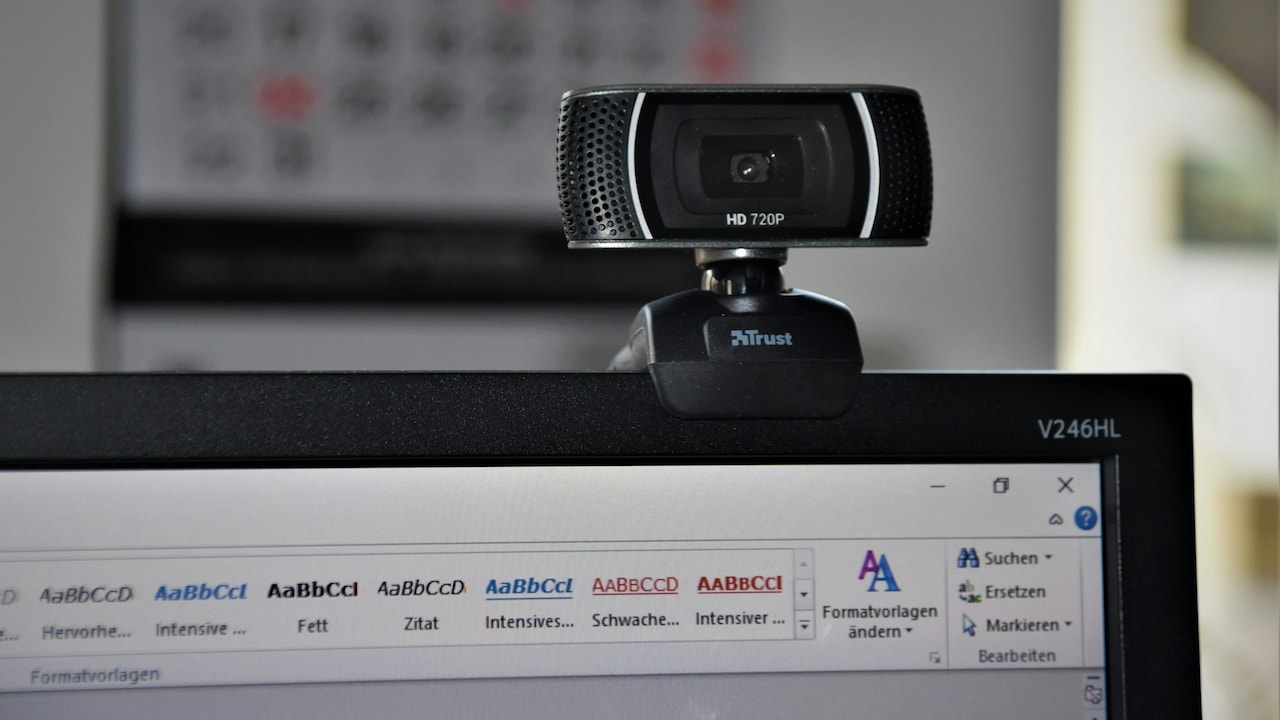
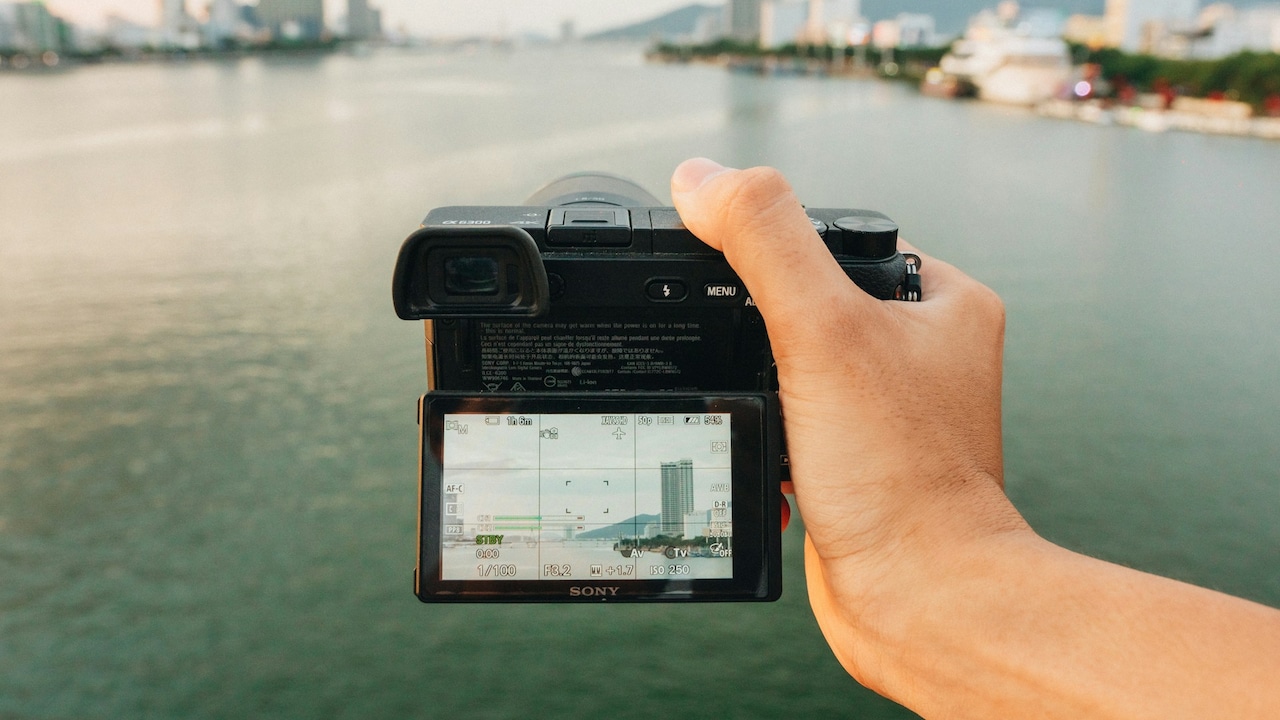
Low-latency mode can make the stream more sensitive to internet fluctuations; Photo Credit: Unsplash
Why It Matters More Than Ever Today
Streaming has evolved far beyond entertainment. It now powers education, business meetings, fitness classes, and even shopping experiences. Real-time interaction has become a key expectation rather than a luxury.
Festivals, product launches, and live sales events increasingly rely on streaming platforms. A delay during these moments can affect engagement and even purchasing decisions. When a limited-time offer appears late, the opportunity may already be gone.
The rise of gaming and esports adds another layer. Competitive environments demand precision and timing. Even a slight delay can affect performance and fairness.
As digital experiences become more interactive, latency becomes a critical factor. Low-latency mode addresses this need, ensuring technology keeps pace with user expectations.
It reflects a broader shift towards immediacy in digital life. People expect faster responses, real-time updates, and seamless communication. Streaming must adapt to meet these expectations.
Easy Ways To Enable Low Latency Mode
Activating low-latency mode usually requires just a few taps. Most streaming platforms include it within video settings or advanced options. The feature may appear under different names, but the purpose remains the same.
Before enabling it, checking internet stability helps. A reliable connection ensures the best results. Using Wi-Fi instead of mobile data often improves consistency, especially during peak hours.
Device choice also plays a role. Newer smartphones, smart TVs, and streaming devices handle low-latency streams more efficiently. Keeping apps updated ensures access to the latest features and improvements.
It's also worth experimenting. Some platforms allow switching modes during playback. Testing both options helps identify what works best for specific situations.
The process doesn't demand technical knowledge. A bit of curiosity and a willingness to explore settings can unlock a significantly better experience.
Real-Life Scenarios Where It Makes A Difference
Consider a live cricket match watched with friends through a group call. Without low-latency mode, reactions arrive out of sync, creating confusion. With it enabled, cheers and groans align perfectly, restoring the shared excitement.
Online classes also benefit greatly. Teachers can respond to questions instantly, making sessions more engaging. Students feel more connected, improving overall learning outcomes.
Live shopping events present another example. Limited deals often depend on quick decisions. A delayed stream can mean missing out, while a low-latency feed keeps viewers competitive.
Even casual scenarios gain value. Watching a live concert or stand-up show feels more authentic when applause and laughter match the performance. The emotional connection strengthens, making the experience memorable.
These everyday moments highlight how a simple setting can enhance digital interactions in meaningful ways.
The Future Of Streaming: Faster, Smarter, More Real
Technology continues to push boundaries. Streaming platforms are investing heavily in reducing latency further. Innovations in encoding, edge computing, and network infrastructure promise even faster delivery.
The rollout of 5G networks plays a crucial role. Faster speeds and lower delays create an ideal environment for low-latency streaming. As coverage expands, more users will experience near-instant streams.
Artificial intelligence also enters the scene. Smarter algorithms can predict network conditions and adjust streaming parameters in real time. This ensures a balance between quality and speed without manual intervention.
The goal remains clear: to make digital experiences indistinguishable from real-life events. Low-latency mode represents an important step in that direction.
As technology evolves, the gap between live and streamed experiences will continue to shrink. What feels like a luxury today may soon become the default standard.
Products Related To This Article
1. Insta360 Link 2 - PTZ 4K Webcam for PC
2. Zebronics FHD USB Webcam, 30FPS, 2P2G Lens
3. eMeet C950 4K Webcam for PC - 8 Megapixels UHD, PDAF Autofocus
4. Logitech Brio 100 Full HD 1080P Webcam for Meetings and Streaming
5. Kreo Owl Lite Full HD Webcam with 1080P 30 FPS
Streaming has transformed how people connect with events, entertainment, and each other. Yet, latency has quietly undermined the very essence of “live” experiences. Those few seconds of delay, often ignored, carry a surprising emotional weight.
Low-latency mode offers a simple yet effective solution. It brings viewers closer to real time, restoring excitement and connection. While it comes with minor trade-offs, the benefits often outweigh the drawbacks, especially for live content.
In a world that values immediacy, this feature deserves more attention. It doesn't require expensive upgrades or technical expertise. A small change in settings can make a noticeable difference.
The next time a crucial moment unfolds on screen, consider giving low-latency mode a try. The experience may feel sharper, more engaging, and closer to the magic of being truly present.
(Disclaimer: This article may include references to or features of products and services made available through affiliate marketing campaigns. NDTV Convergence Limited (“NDTV”) strives to maintain editorial independence while participating in such campaigns. NDTV does not assume responsibility for the performance or claims of any featured products or services.)