Gaming Headset Myth Busted: Expensive Does Not Always Mean Better Sound
Gaming headsets with hefty price tags often promise superior audio, but cost doesn't always equal better sound. Here's why smart buyers should look beyond the price label.

Gaming Headset Myth Busted: Expensive Does Not Always Mean Better Sound
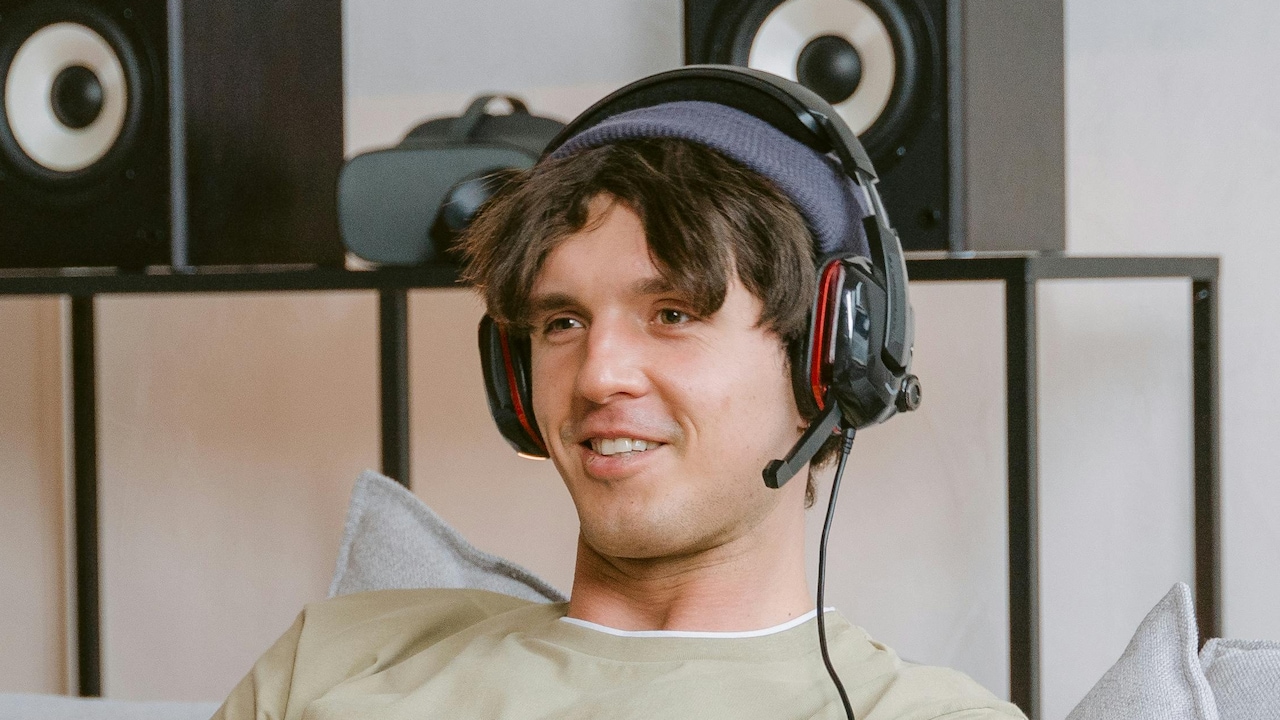
Walk into any electronics store or browse gaming accessories online, and the message seems clear: the more expensive the headset, the better the sound. Gleaming packaging, celebrity endorsements, RGB lighting, and bold claims about immersive audio create the impression that premium models sit in a league of their own. Yet many gamers discover a surprising truth after spending a small fortune. The expected audio miracle never quite arrives. A headset priced at ₹4,000 can sometimes outperform one that costs ₹15,000 in areas that matter most, such as comfort, clarity, and positional accuracy. Sound quality depends on far more than price alone. Design choices, tuning, driver quality, software optimisation, and even individual hearing preferences play a major role.
Gaming Headset Myth Busted: Expensive Does Not Always Mean Better Sound
Photo Credit: Pexels
The gaming headset market thrives on perception. Brands know that many buyers associate high prices with superior performance. However, when the marketing smoke clears, the relationship between cost and sound quality becomes much less straightforward. So, is an expensive gaming headset worth it? Sometimes. Is it always better? Not even close.
Understanding The Difference Between Cost And Audio Quality
The Price Tag Often Reflects Features, Not Sound
One of the biggest misconceptions in gaming audio revolves around what consumers actually pay for. A premium headset often includes features that have little to do with sound quality.
Wireless connectivity, RGB lighting, detachable microphones, companion apps, premium packaging, metal construction, and branded collaborations all contribute to the final price. These additions increase manufacturing costs and boost marketing appeal.
Imagine two headsets sitting side by side. One costs ₹5,000 and focuses entirely on delivering balanced sound. The other costs ₹14,000 and include wireless technology, custom lighting effects, and several software enhancements. The more expensive model may offer convenience, but the actual audio performance could be surprisingly similar.
Many buyers unknowingly pay for extras rather than better sound. This does not mean premium features lack value. Wireless freedom during long gaming sessions can feel fantastic. However, confusing convenience features with audio quality often leads to disappointment.
The smartest buyers separate sound performance from additional features before making a purchase decision.
Marketing Creates A Powerful Illusion
Gaming brands excel at storytelling. Product launches often resemble blockbuster movie premieres rather than accessory announcements.
Terms like "ultimate immersion," "professional-grade audio," and "next-generation soundscape" appear everywhere. While these phrases sound impressive, they rarely explain how the headset actually performs.
Marketing departments understand psychology exceptionally well. A headset priced at ₹18,000 automatically feels more advanced than one priced at ₹4,500. Many consumers assume a direct connection between cost and quality because luxury products in other industries often follow that pattern.
Gaming audio does not always work the same way.
Some brands invest heavily in sponsorships, influencers, tournaments, and advertising campaigns. Those costs eventually find their way into the retail price. The result is a product that carries significant brand value but not necessarily superior acoustics.
Much like choosing street food from a crowded market stall, popularity does not always guarantee the best experience. Sometimes the hidden gem delivers the most satisfying result without demanding a premium price.
Sound Tuning Matters More Than Driver Size
Many headset advertisements boast about large audio drivers. Bigger numbers create bigger expectations.
However, driver size alone tells only part of the story.
A well-tuned 40mm driver can outperform a poorly tuned 50mm driver. Audio engineers carefully adjust frequencies to create a particular listening experience. Some headsets emphasise bass for dramatic explosions. Others prioritise clarity for footsteps and directional cues.
For gaming, balanced tuning often proves more valuable than overwhelming bass. Hearing an opponent approaching from behind can determine victory or defeat in competitive matches.
Think of it like cooking. A larger cooking pot does not automatically produce better food. The ingredients, preparation, and seasoning make the real difference.
Similarly, driver quality, acoustic design, and tuning influence the final sound far more than simple specifications on a product box. Buyers who focus solely on driver size often overlook the factors that genuinely shape audio performance.
Mid-Range Headsets Have Improved Dramatically
The gaming headset market has become intensely competitive over the past decade. This competition has benefited consumers enormously.
Manufacturers now deliver impressive sound quality at prices that would have seemed impossible a few years ago. Features once reserved for flagship products now appear in affordable and mid-range models.
Many headsets between ₹3,500 and ₹8,000 provide excellent clarity, reliable microphones, and comfortable designs. Advances in manufacturing have reduced production costs while maintaining quality standards.
The difference between a ₹5,000 headset and a ₹20,000 headset often appears much smaller than buyers expect. In some cases, the performance gap becomes noticeable only during detailed audio testing rather than everyday gaming.
This trend resembles modern smartphones. A mid-range device now handles most tasks comfortably, while flagship models offer diminishing returns for significantly higher prices.
Gaming headsets follow a similar pattern. Spending more can bring improvements, but those gains become increasingly subtle as prices climb higher.
Gaming Headset Myth Busted: Expensive Does Not Always Mean Better Sound
Photo Credit: Pexels
Personal Preference Plays A Huge Role
Audio remains one of the most subjective experiences in technology.
Two people can listen to the same headset and reach completely different conclusions. One person may love deep, thunderous bass. Another may prefer crisp dialogue and balanced frequencies.
This subjectivity makes blanket claims about "better sound" difficult to justify.
Some expensive gaming headsets target enthusiasts who enjoy specific sound signatures. A budget headset with a different tuning profile might actually suit another listener better.
Consider music preferences. Someone who enjoys classical music often values different audio characteristics than someone who spends evenings listening to energetic dance tracks.
Gaming audio follows the same principle.
Personal hearing differences, gaming habits, and content preferences all influence perception. A headset that sounds amazing to one player may feel underwhelming to another. Price cannot predict these individual reactions.
Finding a headset that matches personal taste often matters more than chasing the most expensive option available.
Also Read: Why Your Bluetooth Headphones Keep Disconnecting: Fixes That Actually Work
Competitive Gaming Requires Accuracy, Not Excess
Competitive gamers focus on information rather than spectacle.
Explosions may sound thrilling, but accurate positional audio often matters far more. Detecting footsteps, reload sounds, and directional cues can provide a critical advantage.
Some premium gaming headsets exaggerate bass frequencies to create a cinematic experience. While entertaining, excessive bass can sometimes mask subtle audio details.
Many esports players prefer simpler audio profiles that emphasise clarity and precision. Surprisingly, several affordable headsets perform exceptionally well in this area.
Picture a cricket match. A flashy bat covered in graphics may attract attention, but balance and control ultimately influence performance. Gaming audio works similarly.
The headset that helps identify an opponent's position quickly may prove more valuable than one designed to create dramatic sound effects.
For competitive gaming, accuracy often outweighs luxury. A lower-priced headset with excellent imaging can outperform a costly model focused primarily on entertainment.
Comfort Influences Perceived Sound Quality
Sound quality discussions often ignore a critical factor: comfort.
A headset may produce incredible audio, but discomfort can ruin the entire experience within an hour. Tight clamping force, heavy weight, and poorly designed ear cushions create fatigue that affects enjoyment.
Interestingly, comfortable headsets often seem to sound better simply because users remain relaxed and engaged. Physical discomfort distracts the brain and reduces immersion.
Many mid-range models prioritise ergonomics because manufacturers recognise the importance of long gaming sessions. Meanwhile, some premium headsets become heavier due to metal frames, larger batteries, and additional features.
Imagine watching a three-hour film while sitting on an uncomfortable chair. Even the best movie becomes harder to enjoy.
Gaming sessions regularly stretch beyond several hours. A headset that feels comfortable throughout that period may deliver a better overall experience than a technically superior model that causes discomfort after thirty minutes.
Comfort deserves equal consideration alongside audio performance.
Software Enhancements Can Be Misleading
Virtual surround sound, AI-powered enhancements, and advanced audio processing have become common selling points.
These technologies sound impressive, but results vary considerably.
Some software solutions genuinely improve spatial awareness and immersion. Others introduce artificial effects that colour the audio in unnatural ways. What initially sounds exciting can become tiring during extended use.
Manufacturers frequently showcase software features to justify premium pricing. Yet many experienced gamers disable these enhancements and prefer clean, unprocessed sound.
A useful comparison comes from photography apps. Filters can make images appear striking at first glance, but excessive processing often reduces authenticity.
Audio behaves similarly.
Strong software effects can create an illusion of superior performance during brief demonstrations. Over time, however, many users discover that natural sound reproduction offers a more enjoyable experience.
A headset should not rely entirely on software tricks to impress listeners. Strong hardware foundations remain far more important.
Build Quality Does Not Guarantee Better Audio
Premium gaming headsets often feature aluminium frames, premium plastics, memory foam padding, and elegant finishes. These elements contribute to durability and aesthetics.
However, excellent build quality does not automatically produce excellent sound.
A beautifully crafted headset can still deliver mediocre audio if engineers prioritise appearance over acoustic performance. Conversely, a simpler plastic headset may sound fantastic thanks to thoughtful tuning and strong driver implementation.
Consumers often assume that premium materials indicate superior audio engineering. While quality construction adds value, it remains a separate consideration.
Think of a luxury watch and a digital sports watch. Both tell time. One offers premium craftsmanship, while the other focuses on functionality.
Gaming headsets operate in much the same way.
Build quality matters. Nobody wants a fragile product. Yet buyers should evaluate sound performance independently rather than assuming that premium materials automatically translate into superior listening experiences.
Smart Buying Beats Expensive Buying
The most satisfying purchases often come from informed decisions rather than larger budgets.
Researching reviews, understanding personal preferences, and identifying actual gaming needs can prevent costly mistakes. Many gamers spend thousands extra on features they rarely use.
A player who mostly enjoys story-driven adventures may value comfort and balanced audio. Someone focused on competitive shooters may prioritise imaging and microphone quality. Another gamer may simply want reliable wireless performance.
Different priorities lead to different ideal choices.
Blindly pursuing the most expensive headset resembles ordering the most expensive dish on a restaurant menu without reading the ingredients. The highest price does not guarantee the most enjoyable experience.
Smart buyers compare specifications, read independent reviews, and test products whenever possible. They focus on value rather than prestige.
In gaming audio, knowledge often saves more money than discounts.
Gaming Headset Myth Busted: Expensive Does Not Always Mean Better Sound
Photo Credit: Pexels
Products Related To This Article
1. Sony INZONE H3, MDR-G300 Wired Gaming Headset
2. ZEBRONICS Jet PRO Premium Gaming Headphone with LED for Headband
3. Razer BlackShark V2 X Smartchoice Wired Gaming Headset with Mic
4. Sony INZONE H3, MDR-G300 Wired Gaming Headset
5. Cosmic Byte GS430 Gaming wired over ear Headphone
6. HyperX Cloud II – Wired Gaming Headset for PC, PS5
7. pTron Studio Sports Wireless BT Gaming Over-Ear Headphones
The belief that expensive gaming headsets automatically deliver better sound has persisted for years. Yet the reality proves far more nuanced.
Price often reflects features, branding, marketing, materials, and convenience rather than pure audio performance. Sound quality depends on tuning, engineering, comfort, and personal preference. In many situations, a carefully chosen mid-range headset can rival or even outperform a premium alternative.
This does not mean expensive headsets lack value. Many offer excellent experiences and useful features. The mistake lies in assuming that a higher price guarantees superior sound.
The next time a headset promises revolutionary audio at a premium price, pause before reaching for the wallet. Listen beyond the marketing language. Consider actual needs. Focus on performance rather than prestige.
The best gaming headset is not necessarily the most expensive one on the shelf. It is the one that delivers the right sound, the right comfort, and the right experience for the person wearing it.
(Disclaimer: This article may include references to or features of products and services made available through affiliate marketing campaigns. NDTV Convergence Limited (“NDTV”) strives to maintain editorial independence while participating in such campaigns. NDTV does not assume responsibility for the performance or claims of any featured products or services.)