How To Choose A Dashcam For Safe Night And Rain Driving
Learn how to choose a dashcam for safe night and rain driving in India, including key features, video quality, storage, and practical buying tips.
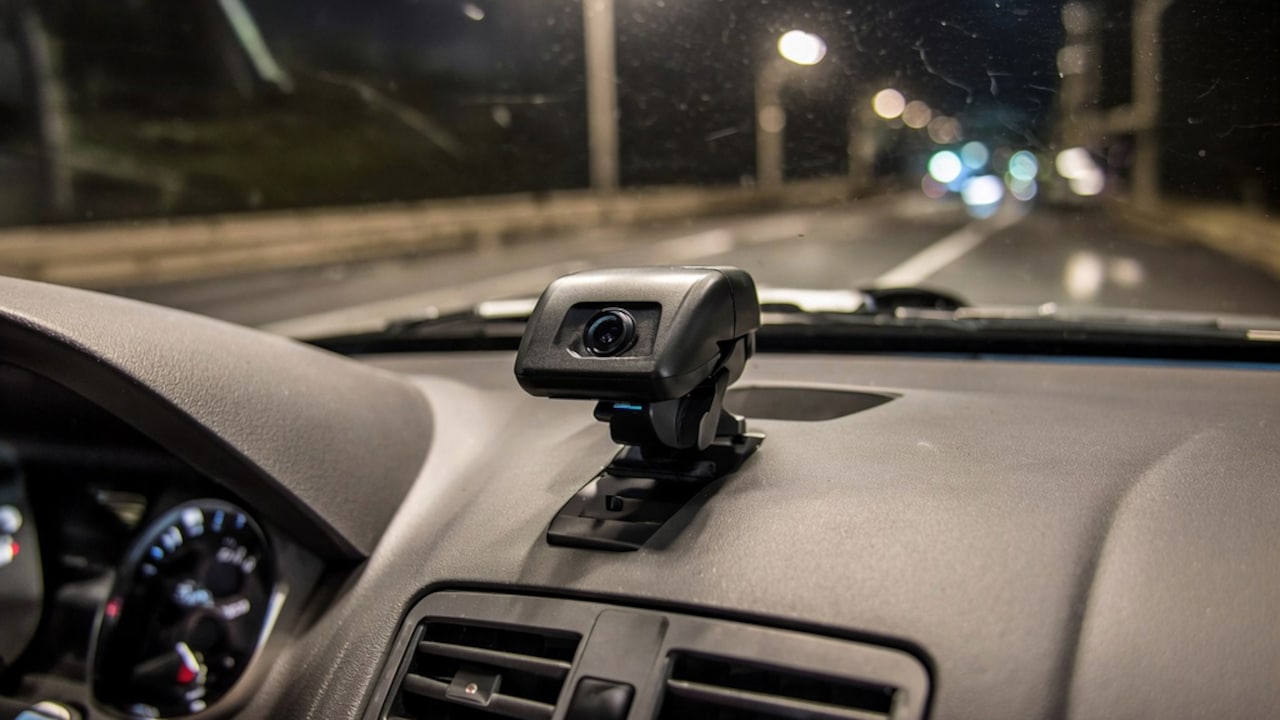
How To Choose A Dashcam For Safe Night And Rain Driving
There is something about driving at night during the monsoon that feels totally different from regular daytime driving. Headlights from opposite vehicles, water splashing all over the windscreen, and poorly lit roads can make even experienced drivers feel quite uneasy occasionally. That is precisely why dashcams are becoming more and more popular among Indian drivers these days. They do much more than just record the journey. In case of accidents, insurance disputes or any unexpected incident on the road, the footage becomes very valuable evidence. But not every dashcam performs well when conditions get difficult. So if someone drives frequently after sunset or during heavy rains, here is what one should actually look for before buying.
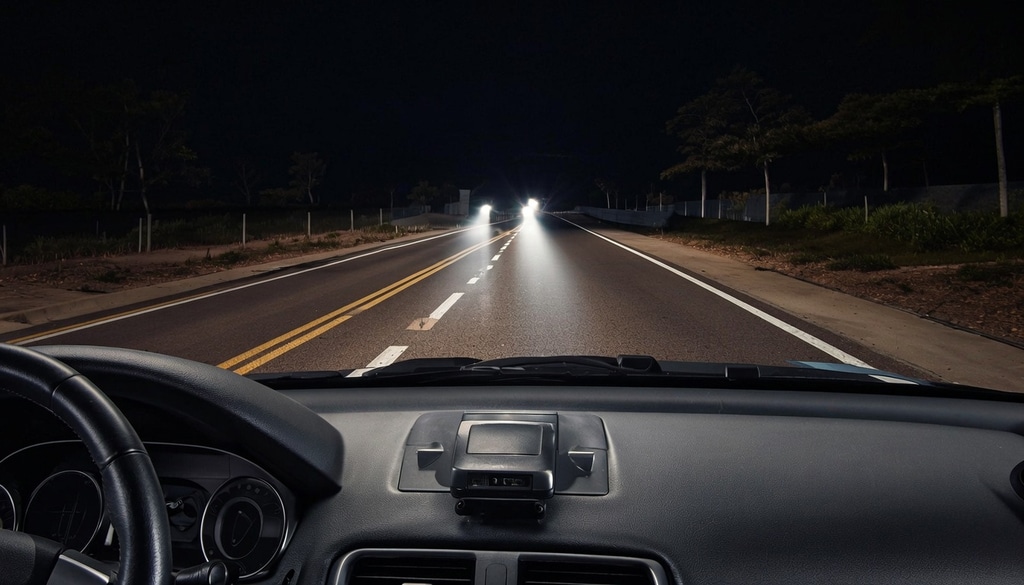
Select high-quality dashcams with superior night vision to navigate heavy Indian monsoon downpours safely; Photo Credit: iStock
Also Read: Explore 5 Car Dash Cams Under ₹5,000
Why Night And Rain Performance Matters In A Dashcam
Many people buy a dashcam by only checking the video resolution. While resolution is undoubtedly important, it is just one aspect of the overall picture.
Indian roads have unique challenges of their own. Street lighting is often inconsistent, highways have long dark stretches, and monsoon rains reduce visibility quite significantly. A dashcam that records perfectly fine during daytime may struggle badly after dark or during heavy rainfall.
A reliable dashcam should be able to capture vehicle number plates, road markings, traffic signals, pedestrians, cyclists and sudden incidents even during poor visibility conditions.
This becomes especially important for people who travel long distances frequently or drive regularly in cities with heavy traffic situations.
Look For A Large Sensor And Good Low-Light Capability
When it comes to night recording, the camera sensor matters much more than flashy marketing claims on the box.
Large camera sensors detect more light, which results in higher-quality images in low-light conditions. Modern cameras tend to use Sony STARVIS sensors, which are famous for outstanding low-light performance.
1. Check The Sensor Type
Look for the sensor name in the product specifications. STARVIS-based sensors are generally a safer choice for people who drive at night frequently.
2. Don't Focus Only On 4K Resolution
A 4K dashcam with a poor sensor can still produce very grainy footage at night. Occasionally, a well-optimised 2K camera performs much better in real-world conditions.
Wide Dynamic Range Helps In Challenging Conditions
One very common problem during night driving is excessive glare. Bright headlights, LED streetlights and reflective wet roads make footage quite difficult to read properly. This is where Wide Dynamic Range or HDR, technology becomes useful for night driving. These features help to balance bright and dark areas within the same frame.
1. Consider WDR/HDR Support
This will decrease the level of glare and provide better visibility during the night.
2. Watch Sample Videos Before Buying
Marketing pictures and video material cannot show you the true potential of a product. Spend several minutes watching the sample footage taken by other customers.
A Wider Viewing Angle Can Improve Coverage
A dashcam should not only record what is directly in front. Wider viewing angles help capture nearby lanes, pedestrians, cyclists, and vehicles coming from the sides. For Indian roads specifically, a viewing angle between 140 and 170 degrees usually works quite well.
1. Avoid Too Narrow Lenses
With a narrow angle, it is possible to overlook many important objects.
2. Never Opt For Ultra-Wide Lenses
Such lenses distort objects near the borders of frames. It is essential to find a balance.
Storage And Loop Recording Are Equally Important
Many buyers don't think about storage until their memory card fills up completely. A dashcam should continuously overwrite older footage while keeping important recordings safe during accidents automatically.
1. Choose Reliable Loop Recording
Loop recording is a mode in which the recording never really stops. It always keeps on rolling and recording and the camera automatically deletes old footage to make space for the video recording.
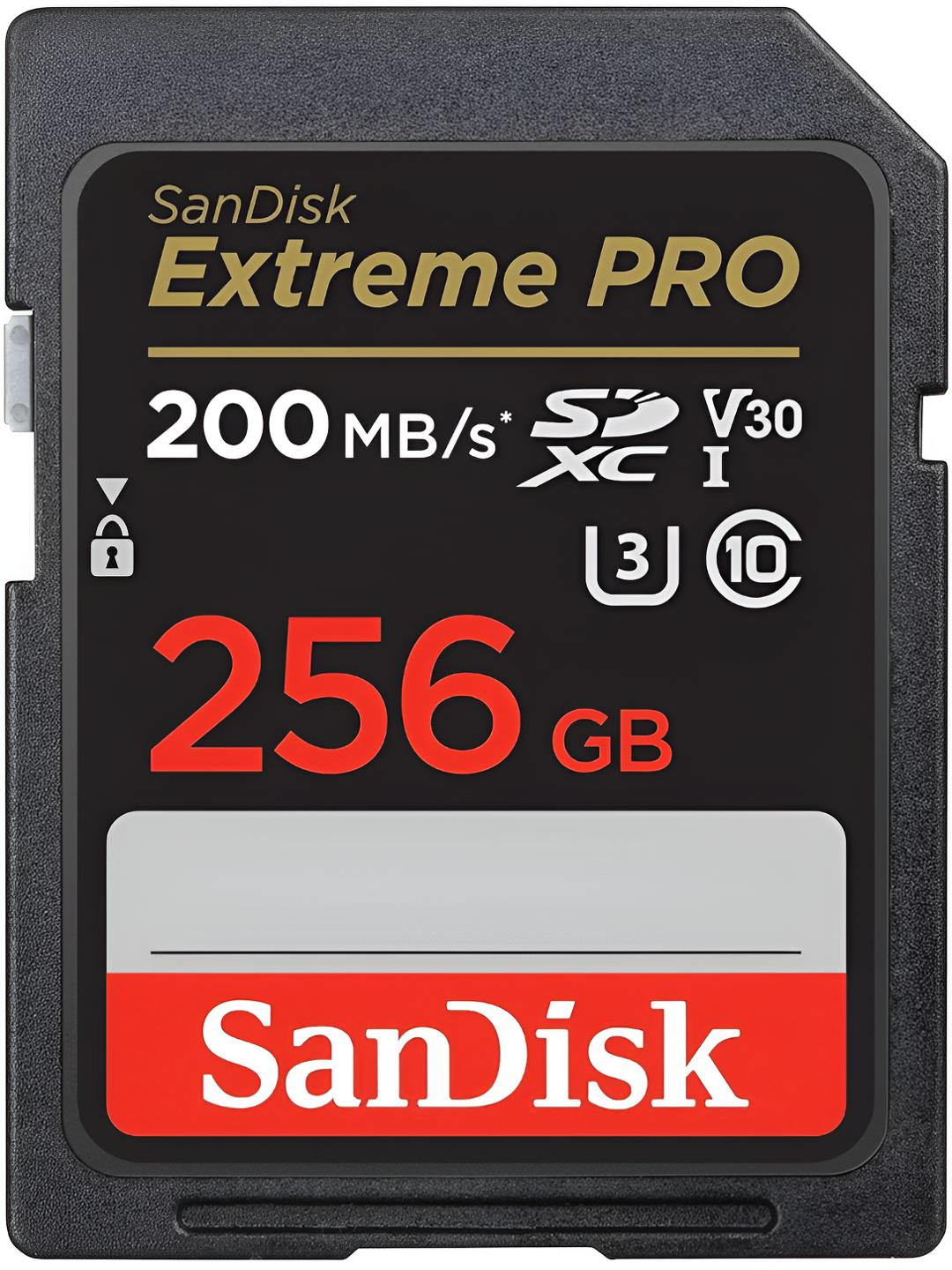
2. Use High-Endurance Memory Cards
Regular memory cards wear out quickly because dashcams record constantly without stopping. High-endurance cards are made specifically for this purpose only.
Look for high-endurance microSD cards that also offer automatic file protection and emergency recording features.
Extra Features Worth Considering
Not every feature is necessary, but some can be genuinely useful depending on individual needs.
1. GPS Tracking
If you're buying a dashcam, it is critical that you buy one that shows location and GPS data on the footage. In case there's an accident or legal case, that data can mean the difference between winning and losing.
2. Parking Surveillance
This feature records activity around a parked car, which becomes helpful in crowded parking areas.
3. Dual-Channel Recording
Front and rear cameras together give more complete coverage and are becoming quite popular among Indian car owners nowadays.
4. Wi-Fi Connectivity
Wi-Fi allows footage transfer directly to a smartphone without removing the memory card every single time.
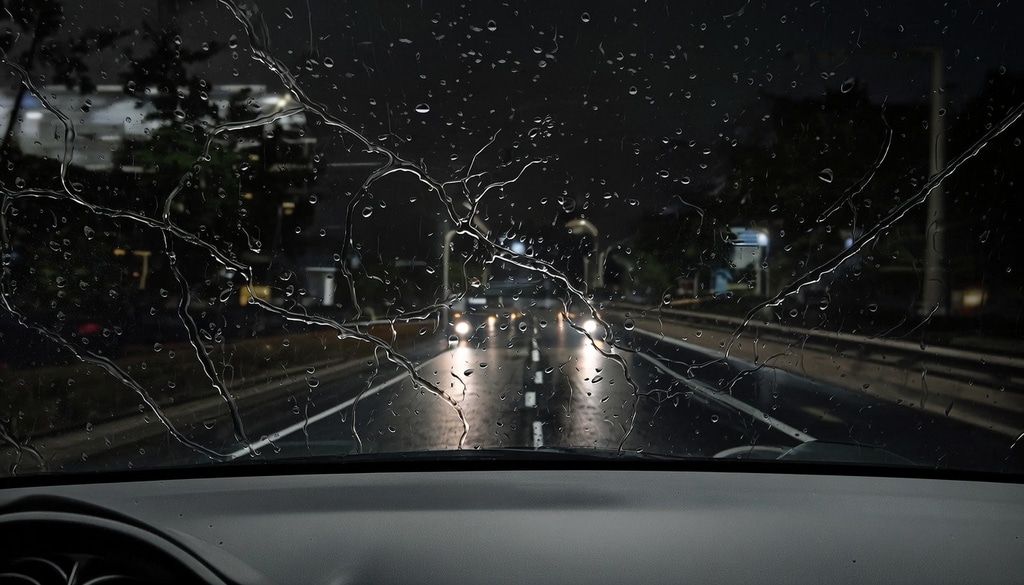
Evaluate video resolution and storage capacity before purchasing a dashcam for rainy night driving; Photo Credit: iStock
Some Dashcam Products You May Like
1. 70mai A500S Pro Plus+
2. 70mai M310 Dash Cam
3. DDPAI Mini Pro Dash Cam
4. Qubo Pro X Dash Cam
5. Redtiger F7N Elite Dual Dash Cam
6. Nextbase 322GW Dash Cam
7. Hikvision C8 Pro Dash Cam
8. NexDigitron ACE 2 Dash Cam
Most dashcams sit neatly on the windscreen and start recording as soon as you turn on the car. Wide-angle lenses cover more of the road, loop recording saves space, and night vision helps in low light. For daily drivers, it means less worry about small incidents. For long trips, it keeps a simple record of the journey. Pick one with clear video, easy fitting, and a power cable that reaches your charging point. Shop now on Amazon
Frequently Asked Questions (FAQs)
1. Is a dashcam legal in India?
Dashcams are allowed in personal vehicles in India, as long as they do not obstruct the driver's view and do not infringe on a person's privacy. The Indian government recommends responsible use of dashcam footage․
2. Is 1080p enough for night driving?
It can be enough, provided the dashcam has a high-quality sensor and HDR support. Resolution alone does not decide image quality at night.
3. How long does dashcam footage stay recorded?
The time that the dashcam footage will stay recorded depends on your memory card's size and other camera settings for recording. Most dashcams these days use loop recording, which continuously records footage by deleting older files to free up storage space.
4. Do dashcams work during heavy rain?
Yes, good-quality dashcams are designed to work in rainy conditions. Models with HDR and better image sensors generally perform more effectively during heavy rainfall.
5. Should I buy a front-only or dual-camera dashcam?
If the budget allows, a dual-camera setup gives better protection by recording both the front and rear of the vehicle simultaneously.
(Disclaimer: This article may include references to or features of products and services made available through affiliate marketing campaigns. NDTV Convergence Limited (“NDTV”) strives to maintain editorial independence while participating in such campaigns. NDTV does not assume responsibility for the performance or claims of any featured products or services.)