Why Do Wired Headphones Hurt The Ears? Tips On Fit And Cushioning To Enhance Comfort And Listening Experience
Wired headphones hurting your ears? Learn how fit, clamp, cushions, ear tips, and cable pull affect comfort, and how small fixes can make daily listening easier.
Wired Headphones Hurting Your Ears? Fit And Cushioning Basics
Wired headphones still have a loyal fan base, and for good reason. They plug in, play instantly, and rarely throw tantrums during a work call, gaming session, online class, or late-night film. No charging drama, no sudden “battery low” warning, no Bluetooth pairing circus just when the meeting starts. But comfort can spoil the romance. A headset that sounds rich can still pinch the ears like an overenthusiastic relative at a wedding. Earbuds may press too deeply. Over-ear cushions may trap heat. On-ear pads may squeeze after one episode of a web series. Many people blame their ears, but the real trouble often lies in fit, cushion material, size, clamp pressure, or simple wearing habits.
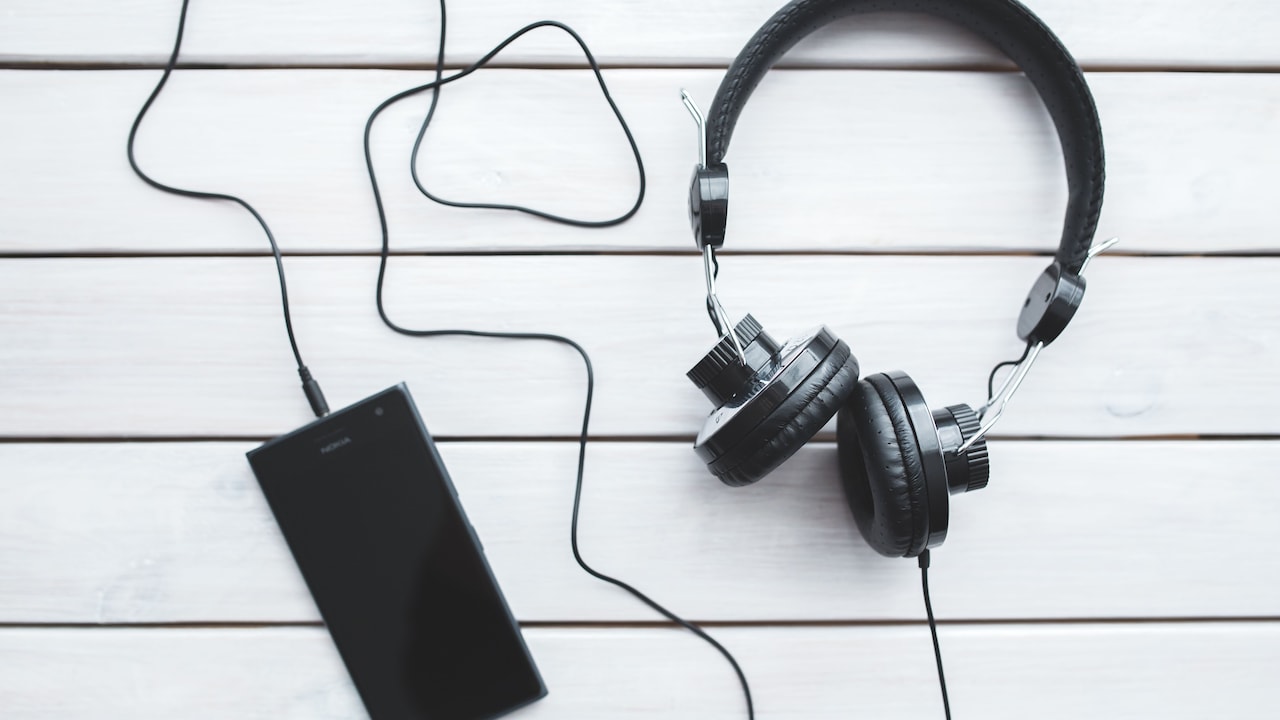
Wired Headphones Hurting Your Ears? Fit And Cushioning Basics
Photo Credit: Pexels
Ear pain should never become the price of good audio. With a little attention, wired headphones can feel far kinder. The secret sits in small details: where the pads rest, how the cable pulls, how soft the cushion feels, and how long the ears go without a break.
Fit And Cushioning Basics For Everyday Comfort
Choose The Right Headphone Style
The first comfort decision starts before buying anything. Wired headphones come in three common styles: in-ear, on-ear, and over-ear. Each suits a different routine, ear shape, and tolerance level.
In-ear wired earphones work well during travel, calls, and casual listening. They slip into a pocket, cost less, and do not make the head feel bulky. Yet they can hurt when the tips sit too deep or press against the ear canal. People who listen for long hours may find it tiring, especially during crowded metro rides or office commutes.
On-ear headphones sit directly on the ears. They feel lighter than large over-ear models, but the pressure can build quickly. After an hour, the ears may feel warm or sore.
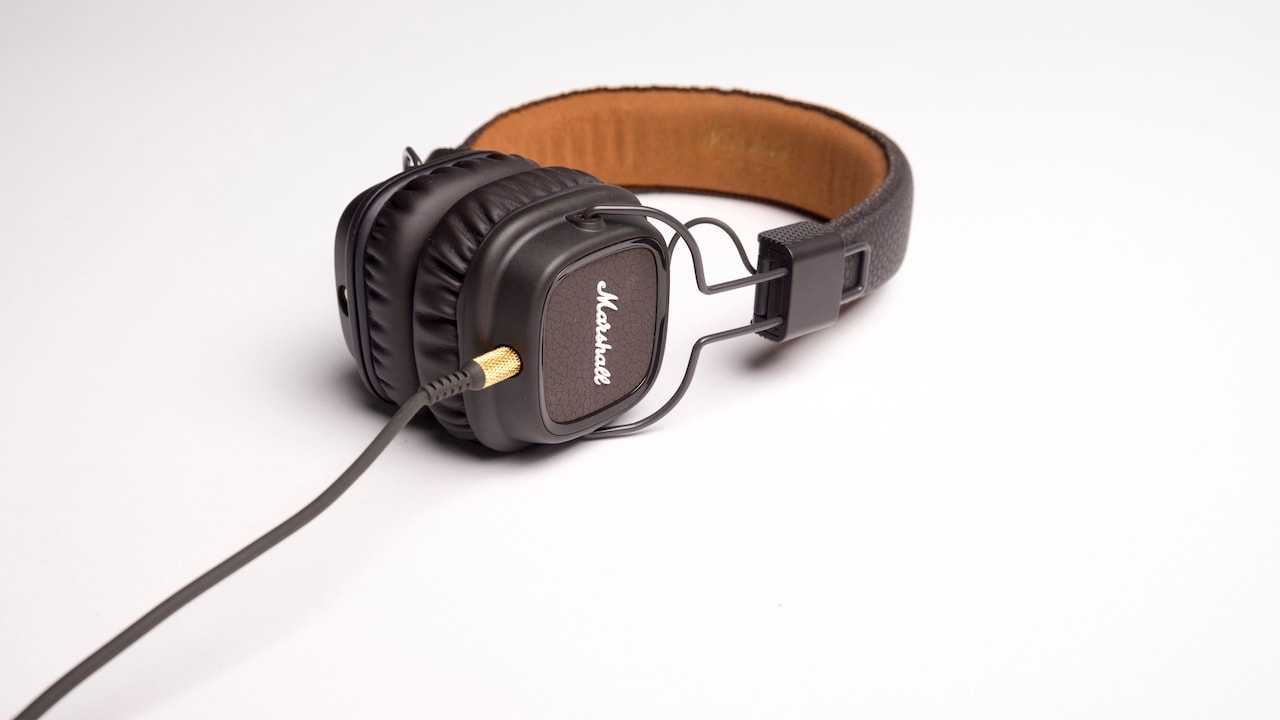
Over-ear headphones surround the ears instead of pressing on them. For desk work, editing, gaming, and long study sessions, they usually feel more forgiving. They cost more, but comfort often improves when the ear has space to breathe.
Check The Clamp Before You Commit
Clamp force sounds like something from a gym machine, but it simply means how tightly headphones grip the head. Too little clamp makes headphones slide around. Too much clamp turns them into a polite-looking headache machine.
A tight pair may feel secure for the first ten minutes. After an hour, the pressure can hit the temples, jaw, and outer ears. This matters during long work-from-home calls, online coaching classes, or weekend gaming marathons. The headband should hold the headphones in place without making the face feel squeezed.
While testing a pair, wear it for at least fifteen minutes. Move the head gently. Smile, talk, and look down as though checking a phone. If the ear pads dig in or the headband pushes too hard, the problem will not magically disappear after purchase.
Some headphones loosen slightly over time, but comfort should not depend on suffering through a “breaking in” period. A good fit feels stable, not strict.
Let Ear Cushions Do Their Job
Cushions decide whether headphones feel like a soft pillow or a punishment. Good ear pads spread pressure evenly. Poor ones create hot spots, especially around the upper ear and behind the jaw.
Foam cushions come in many qualities. Basic foam may flatten quickly, leaving the hard speaker housing closer to the ear. Memory foam offers better support because it adapts to the shape of the head. It also helps seal sound, which means volume can stay lower.
The outer material matters too. Faux leather feels smooth and helps block outside noise, but it can trap heat. In warm weather or non-air-conditioned rooms, ears may turn sweaty within half an hour. Fabric or velour-style pads breathe better, though they may let in more background noise.
For regular use, cushions should feel soft but not mushy. They should bounce back after pressure. Once pads crack, peel, flatten, or smell permanently damp, comfort drops sharply. Replacing cushions can make old wired headphones feel surprisingly fresh again.
Mind The Ear Cup Size
Ear cup size often gets ignored, yet it can make or break comfort. Over-ear headphones only work well when the cups actually go around the ears. If the opening feels too small, the pads press on the outer ear and behave more like on-ear headphones.
This problem shows up during long listening sessions. The ear may fold slightly inside the cup. A small edge may rub the skin. Glasses can make the pressure worse because the cushion presses the frame into the side of the head.
Before buying over-ear headphones, check whether the ear has enough room inside the cup. The driver's cover should not touch the ear. The cushion should rest around the ear, not on top of it. People with larger ears should pay close attention to inner cup dimensions rather than only brand reputation or star ratings.
A roomy ear cup may look bulky, but comfort often wins over style after the first hour. Nobody enjoys a stylish headache.
Keep Ear Tips Soft And Suitable
For wired earphones, the tiny ear tip carries a huge responsibility. A wrong tip size can cause pain, poor sound, and constant slipping. Many people use the default medium tips because they come attached, then wonder why the earphones feel sharp or loose.
Small tips may go too deep into the ear canal and fail to seal properly. Large tips may stretch the ear and create pressure. The right size sits snugly without force. Music should sound full at moderate volume, and the earphones should stay in place without constant pushing.
Silicone tips are common, easy to clean, and durable. Foam tips feel softer and expand gently inside the ear, but they need more care and replacement. For long calls or study sessions, foam can feel calmer for sensitive ears.
Never push earphones hard to improve bass. A better tip does that job without turning the ear into a battleground.
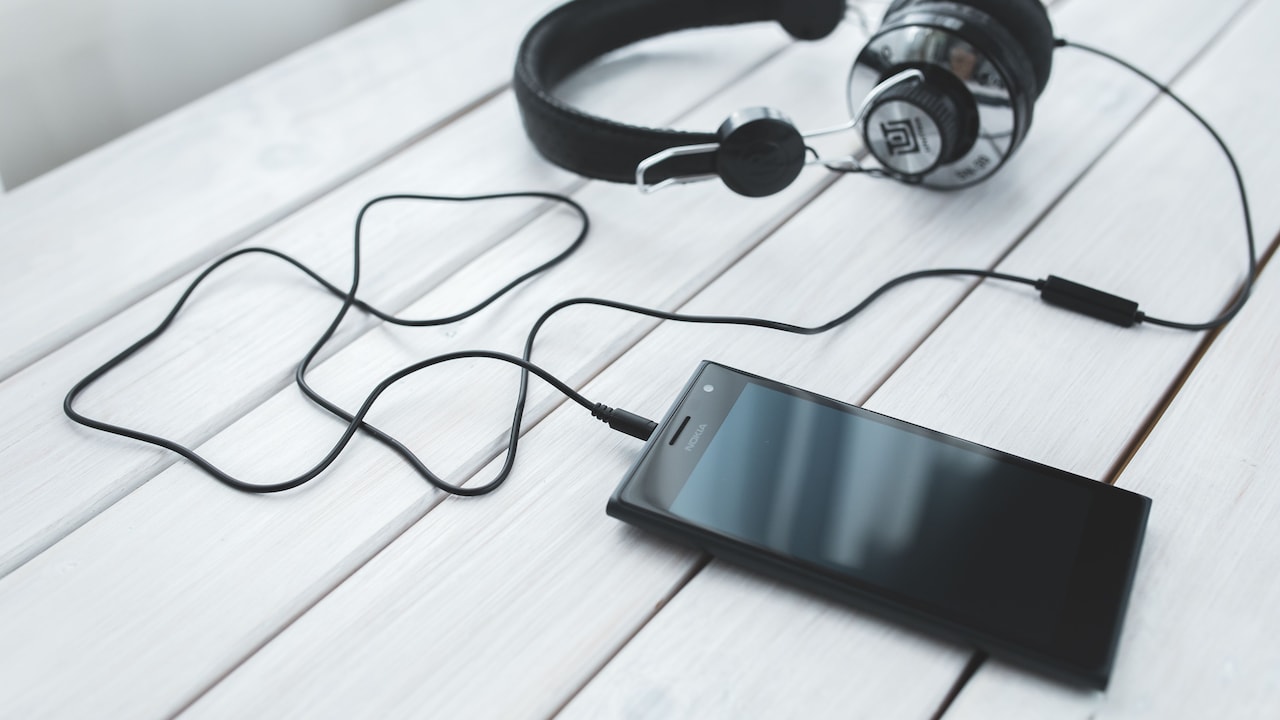
Wired Headphones Hurting Your Ears? Fit And Cushioning Basics
Photo Credit: Pexels
Watch The Cable Pull
A wired connection feels dependable, but the cable can quietly create discomfort. When the cable tugs downward, it shifts the earphones or headphones again and again. This tiny movement can irritate the ear over time.
For in-ear models, cable pull can loosen the seal or drag the buds deeper at odd angles. During a bus ride, gym walk, or kitchen cleaning session, the cable may catch on bags, shirt buttons, or chair arms. The ears then receive every little tug.
A shirt clip can help. So can route the cable under clothing during travel. For desk setups, keep enough slack between the headphones and laptop or phone. Avoid letting the cable hang with its full weight from one side.
On headsets with a single-sided cable, make sure the cable does not twist the ear cup. Small adjustments keep pressure balanced. Comfort is not always about the ear alone; sometimes the villain is a dangling wire with dramatic timing.
Give Glasses Some Breathing Room
People who wear glasses know a special kind of headphone pain. Cushions press the spectacle arms against the side of the head, and after some time, even a light frame starts feeling like a metal ruler.
Over-ear headphones with softer cushions usually work better with glasses than firm on-ear pads. Memory foam can create space around the frame and reduce pressure. Thin spectacle arms also help, though changing glasses just for headphones may not feel practical.
Small adjustments can bring relief. Slightly shifting the headphones forward or backwards may reduce the pressure point. Some users place the spectacle arms above the ear pads for short sessions, though this may affect vision alignment. The aim is simple: avoid trapping the frame tightly between the cushion and the skin.
During online meetings, comfort matters as much as the microphone. A headset that presses glasses into the skull can make even a cheerful call feel like tax paperwork.
Also Read: Wired Headphones Hurting Your Ears? Cushion Size, Ear Tips, And Fit Mistakes To Check
Take Listening Breaks Seriously
Even the softest headphones need breaks. Ears are not built for constant pressure, heat, and sound. Long sessions can create soreness even when the fit seems right.
A short pause every hour helps the skin recover and lets trapped heat escape. During study, work, editing, or gaming, remove the headphones for a few minutes. Stretch the jaw. Let the ears cool. This small habit can prevent that heavy, tired feeling around the sides of the head.
Breaks also protect listening comfort. When ears feel tired, people often raise the volume without noticing. That can make fatigue worse. A quick rest resets the experience.
For school projects, office calls, or long train journeys, breaks may feel inconvenient. Still, they save trouble later. Treat headphone breaks like chai breaks: short, necessary, and far more useful than they look.
Keep Cushions And Ear Tips Clean
Comfort is not only about shape. Cleanliness plays a big role too. Sweat, dust, hair oil, and skin particles collect on cushions and ear tips. In humid weather, that build-up can make headphones feel sticky, itchy, or unpleasant.
Wipe headphone cushions gently with a soft, slightly damp cloth. Avoid soaking them, especially if the material has faux leather or exposed stitching. Let them dry fully before storing. For earphones, remove silicone tips and wash them with mild soap and water. Dry them completely before putting them back.
Foam tips need extra care because they absorb more moisture. Replace them when they lose shape or feel unhygienic. Shared earphones also deserve caution. Passing one earbud around during a film scene or song may feel friendly, but ears prefer personal space.
Clean gear feels better, lasts longer, and smells less like a forgotten gym bag. That alone makes the habit worth keeping.
Match Headphones To Daily Use
The best wired headphones are not always the most expensive ones. The right pair should match the way they will be used. A student attending online lectures needs light, comfort and a clear mic. A music lover may prefer cushioned over-ear headphones with a richer sound. A gamer may need large cups, a stable headband, and breathable pads for long sessions.
Budget matters too. A ₹799 pair may work well for calls, but it may not offer the cushion quality needed for six-hour use. Around ₹2,000 to ₹5,000, many wired headphones offer better padding and a sturdier build. Higher prices can bring premium materials, but comfort still depends on fit.
Always think beyond sound quality. Ask whether the headphones will sit well during summer afternoons, crowded commutes, or late-night laptop use. A pair that suits real life will always beat one that only looks impressive in product photos.
Listen To Early Warning Signs
Ear pain rarely starts as a dramatic problem. It begins with small hints. A warm patch near the ear. A slight ache after removing headphones. A feeling of pressure inside the ear canal. Red marks that stay longer than usual. These signs deserve attention.
Do not ignore discomfort just because the headphones were expensive or recently bought. Try changing tips, adjusting the headband, replacing cushions, or reducing listening time. If pain continues, stop using that pair for a while.
Sharp pain, ringing, dizziness, discharge, or lasting hearing changes need medical advice. Headphones should entertain, support work, and make travel easier. They should not become a daily test of endurance.
Comfort grows from paying attention. Ears have their own language, and they speak early. Listening to them may protect both hearing and happiness.
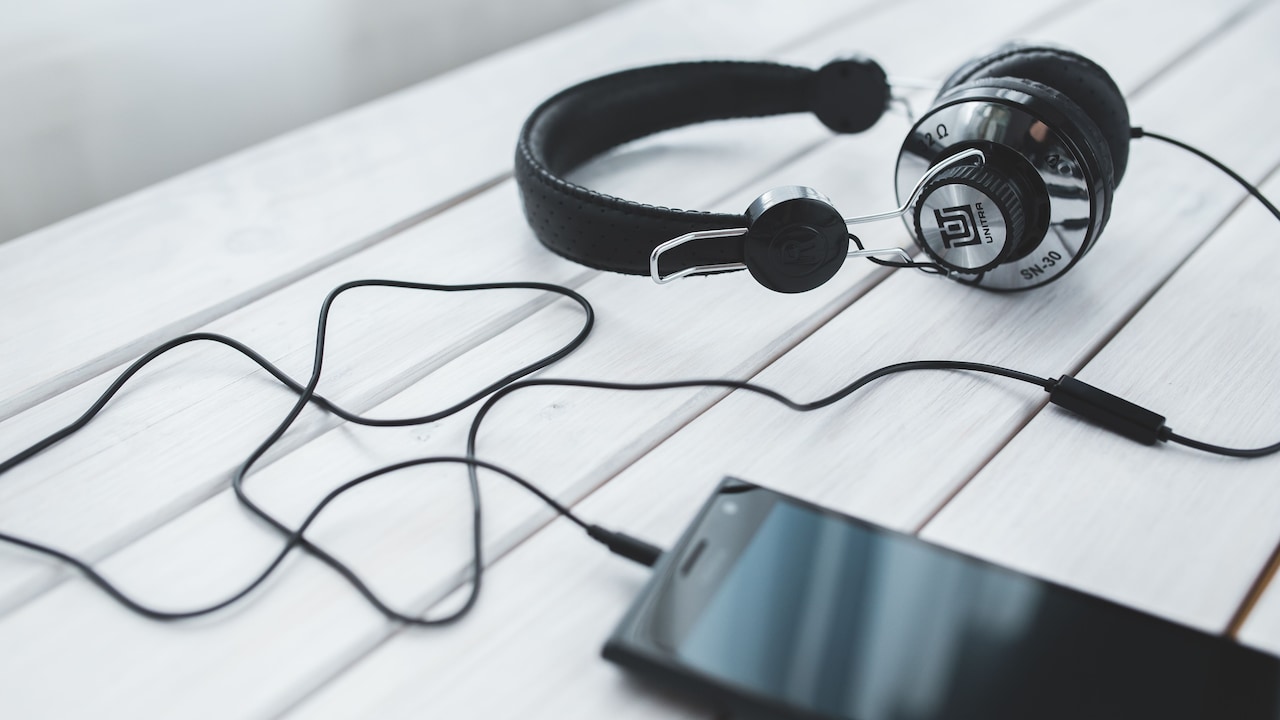
Wired Headphones Hurting Your Ears? Fit And Cushioning Basics
Photo Credit: Pexels
Products Related To This Article
1. Havit H2232d Over Ear Wired Gaming Headset with Boom Microphone
2. Sony MDR-ZX110A On Ear Stereo Wired Headphones (White)
3. boAt Bassheads 211 Wired Earphones with 10mm Drivers
4. JBL C100SI Wired In Ear Headphones With Mic
5. Zebronics Jet Premium Wired Gaming On Ear Headphone with LED Light for earcups
6. XIAOMI Wired in-Ear Earphones with Mic
7. HyperX Cloud Stinger 2 Core Essential PC Gaming Wired Headset
Wired headphones remain wonderfully practical. They offer steady sound, simple use, and freedom from charging worries. Yet comfort decides whether they become a daily favourite or another forgotten gadget in a drawer.
Fit and cushioning make the biggest difference. The right style, gentle clamp, roomy ear cups, suitable tips, clean pads, and smart cable handling can turn painful listening into easy listening. Breaks matter too, especially during long work calls, lectures, gaming sessions, and binge-watch nights.
No pair should hurt just because it sounds good. Ears deserve better treatment than that. When headphones fit well, the music feels warmer, conversations feel easier, and long sessions stop feeling like a wrestling match with technology. Good audio should sit softly, sound clear, and leave the ears ready for the next song.
(Disclaimer: This article may include references to or features of products and services made available through affiliate marketing campaigns. NDTV Convergence Limited (“NDTV”) strives to maintain editorial independence while participating in such campaigns. NDTV does not assume responsibility for the performance or claims of any featured products or services.)