Wired Headphones Hurting Your Ears? Cushion Size, Ear Tips, And Fit Mistakes To Check
Wired headphones hurting your ears? Check cushion size, ear tip fit, clamping pressure and cable pull before replacing them. Small fit mistakes often cause big discomfort.
Wired Headphones Hurting Your Ears? Fit Mistakes To Check
Wired headphones have a certain old-school charm. No charging panic, no Bluetooth mood swings, no sudden “battery low” warning during a favourite song or an important work call. Plug them in, and they usually behave. That is why many people still keep a trusted pair in their bag, desk drawer or beside the bed. Yet comfort can ruin the romance rather quickly. A pair that sounds rich in the morning may feel like a tiny punishment by evening. The ears turn sore. The jaw feels tight. The skin around the ear becomes warm. Sometimes, even the smallest in-ear earphones start feeling like they are drilling into the ear canal.
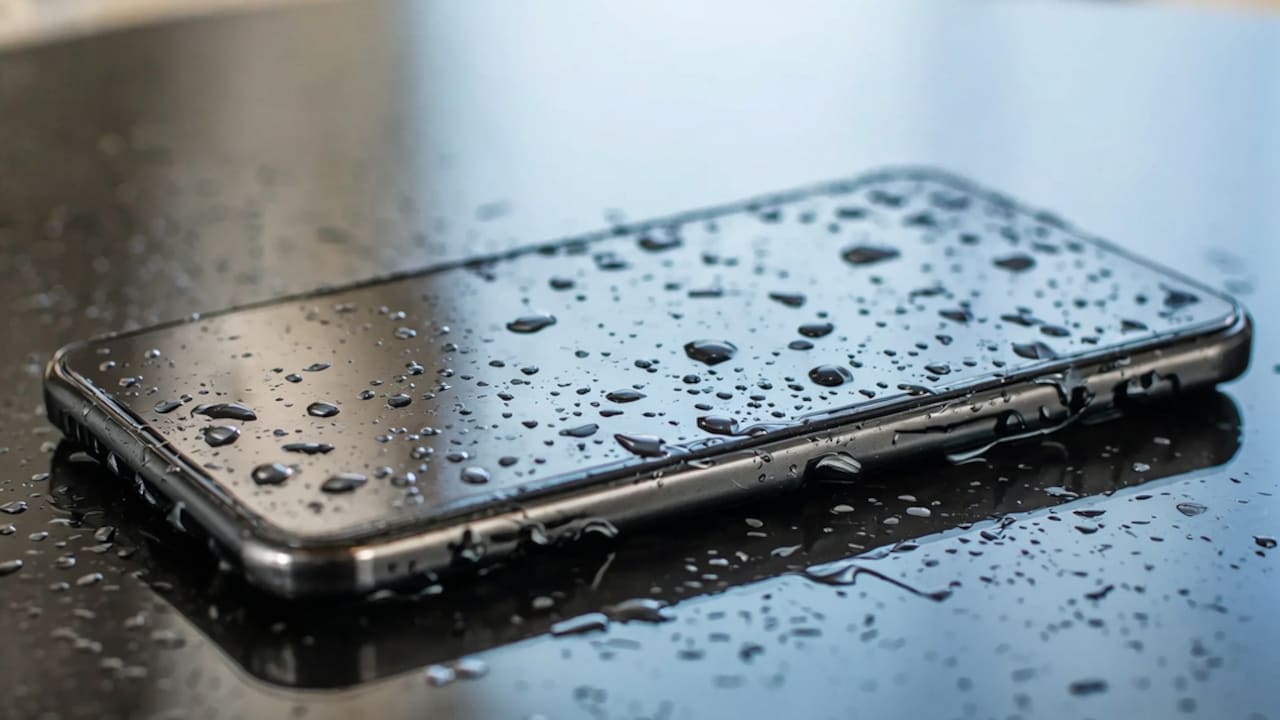
Wired Headphones Hurting Your Ears? Fit Mistakes To Check; Photo Credit: Pexels
The good news is that painful wired headphones do not always mean bad headphones. Often, the trouble sits in the cushion size, ear tip shape, cable pull, headband pressure or the way the pair rests on the ears. A few small changes can turn a painful listening session into something far more pleasant.
Here are the fit mistakes worth checking before tossing that ₹999 pair into a drawer forever.
Common Fit Mistakes That Make Wired Headphones Uncomfortable
Check Whether The Cushions Are Too Small
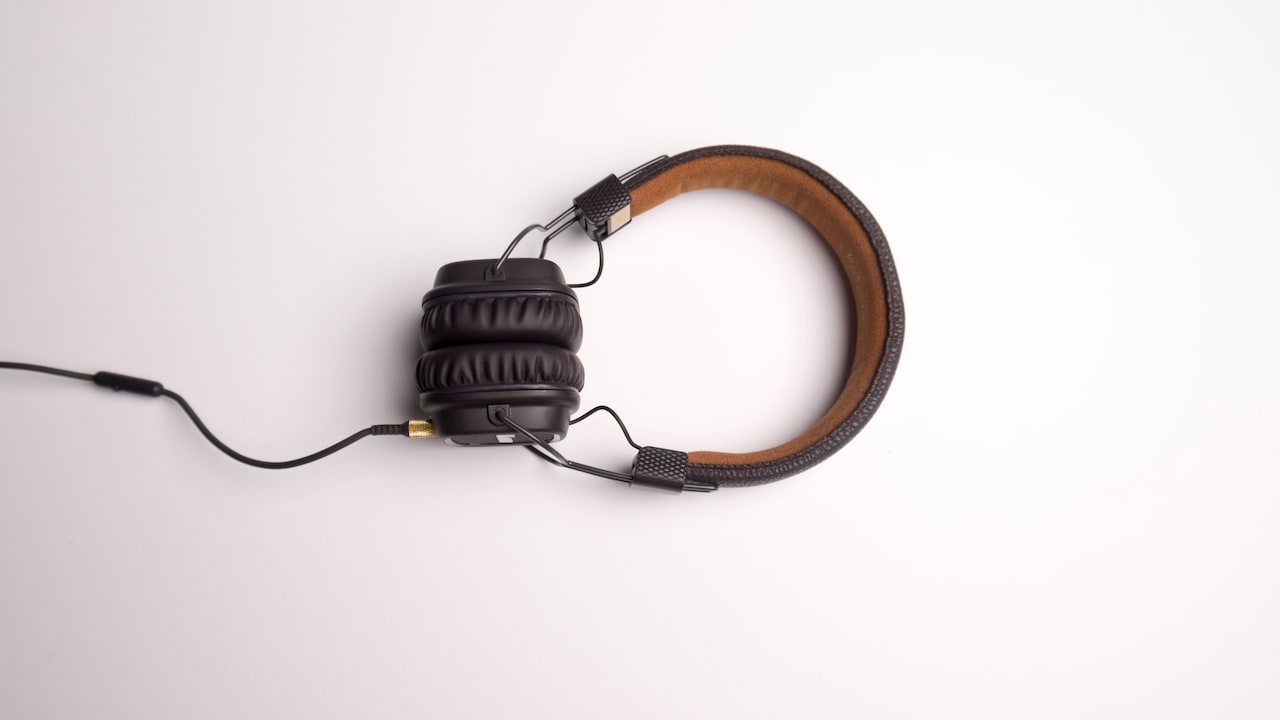
Small ear cushions can create big drama. On-ear headphones often press directly on the ear instead of sitting around it. That pressure may seem harmless during a quick song, but after an hour of office calls, online classes or a train ride, the ears can feel trapped between two stubborn pillows.
The problem gets worse when the cushion does not cover the ear evenly. One edge may press harder than the other, especially if the headband sits slightly crooked. This uneven pressure can cause soreness around the outer ear, where the skin and cartilage do not enjoy being squeezed for long.
A simple test helps. Wear the headphones for ten minutes without music and notice where the pressure builds. If the pain starts on the rim of the ear, the cushions may be too small or too shallow. Larger over-ear cushions can help because they surround the ear rather than crushing it. Replacement pads are often available online for ₹300 to ₹1,200, depending on the model. A modest cushion swap can feel like upgrading from a wooden bench to a sofa.
Also Read: Top 5 Bluetooth Headsets For Office Calls Under ₹5000
Notice If The Ear Tips Go Too Deep
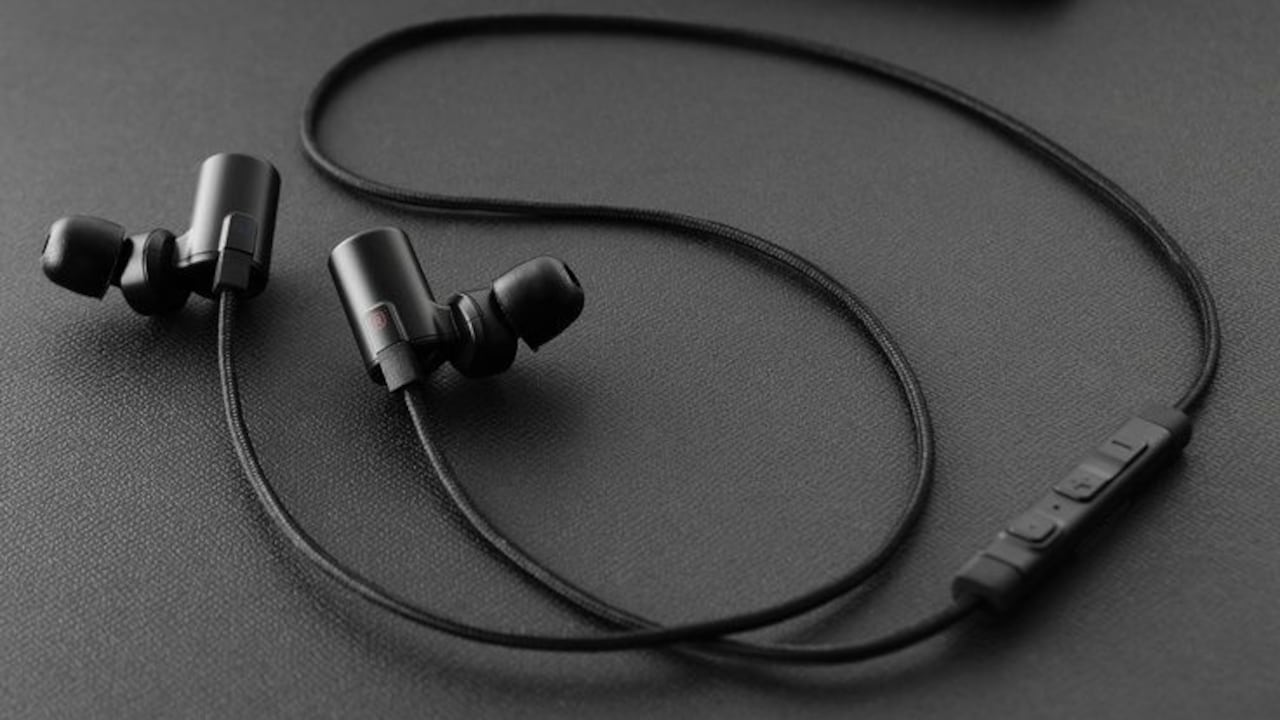
In-ear wired earphones can hurt when the tips travel too far into the ear canal. Many people push them in firmly to block traffic noise, ceiling fan hum or the neighbour's pressure cooker whistle. The seal improves, but comfort suffers. The ear canal is sensitive, and it does not appreciate being treated like a charging port.
A deep fit can create a blocked feeling, pressure build-up or dull pain. Some users also notice itching after long listening sessions, especially with stiff silicone tips. The issue often appears during study hours, gaming sessions or long calls where earphones stay in place without a break.
The fix starts with gentler placement. Insert the ear tip only enough to create a stable seal, not a heroic vacuum. Try smaller tips if the earphones feel forced. Foam tips can also help because they compress softly and expand inside the ear. They usually cost around ₹200 to ₹700. The best fit should feel secure, not invasive. Good sound should not require a wrestling match with the ear canal.
Match The Ear Tip Size To Each Ear
Both ears rarely behave like identical twins. One ear may accept a medium ear tip happily, while the other demands small or large with royal confidence. Many people use the same size on both sides because the earphones arrived that way. Then one side keeps slipping, while the other side causes pain.
A poor size match can affect both comfort and sound. If the tip is too small, outside noise leaks in and the bass sounds thin. The user then raises the volume, which adds another problem. If the tip is too large, it stretches the ear canal and creates soreness. Neither option feels pleasant during a long metro commute, a late-night film or a three-hour coaching lecture.
Try different sizes from the spare tips included in the box. Use a small tip in one ear and a medium in the other if that feels better. There is no rule that both sides must match. Comfort matters more than symmetry. The right tips should stay in place with light pressure and deliver decent noise isolation without pain.
Wired Headphones Hurting Your Ears? Fit Mistakes To Check; Photo Credit: Pexels
Check The Headband Clamping Force
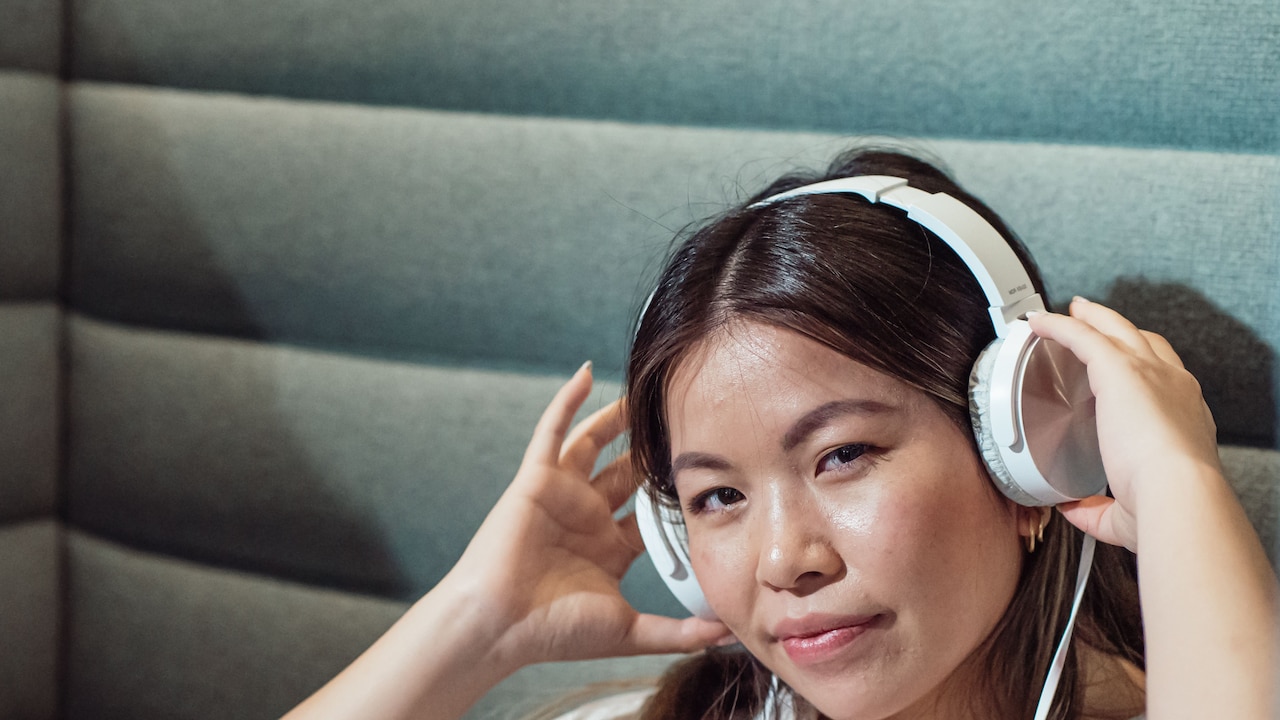
Headphones with a strong clamping force can feel secure at first. They stay put while walking, cleaning the room or nodding along to a playlist. After a while, though, that tight grip may feel like a polite but determined headlock. The pressure usually appears around the ears, temples or jaw.
Clamping force becomes more noticeable for people who wear glasses. The arms of the spectacles get pressed between the cushion and the skin, creating sharp pressure points. Even soft cushions cannot fully rescue a headset that squeezes too hard. During work-from-home calls, this can turn a normal meeting into a test of patience.
A gentle stretch may help, but caution matters. Place the headphones over a stack of books slightly wider than the head and leave them for a few hours. Avoid overdoing it, because a loose headset creates a new problem. The aim is mild relaxation, not a dramatic gym workout for plastic. If pain reduces after stretching, the clamping force is likely the culprit. Comfort should feel snug, not like the headphones are guarding state secrets.
Do Not Ignore Cushion Material
Cushion material can make or break comfort. Faux leather pads often feel soft and premium at first, but they can trap heat. In warm weather, they may leave the skin sweaty within minutes. Add a crowded bus ride or a non-AC room in May, and the ears may feel like they have entered a mini tandoor.
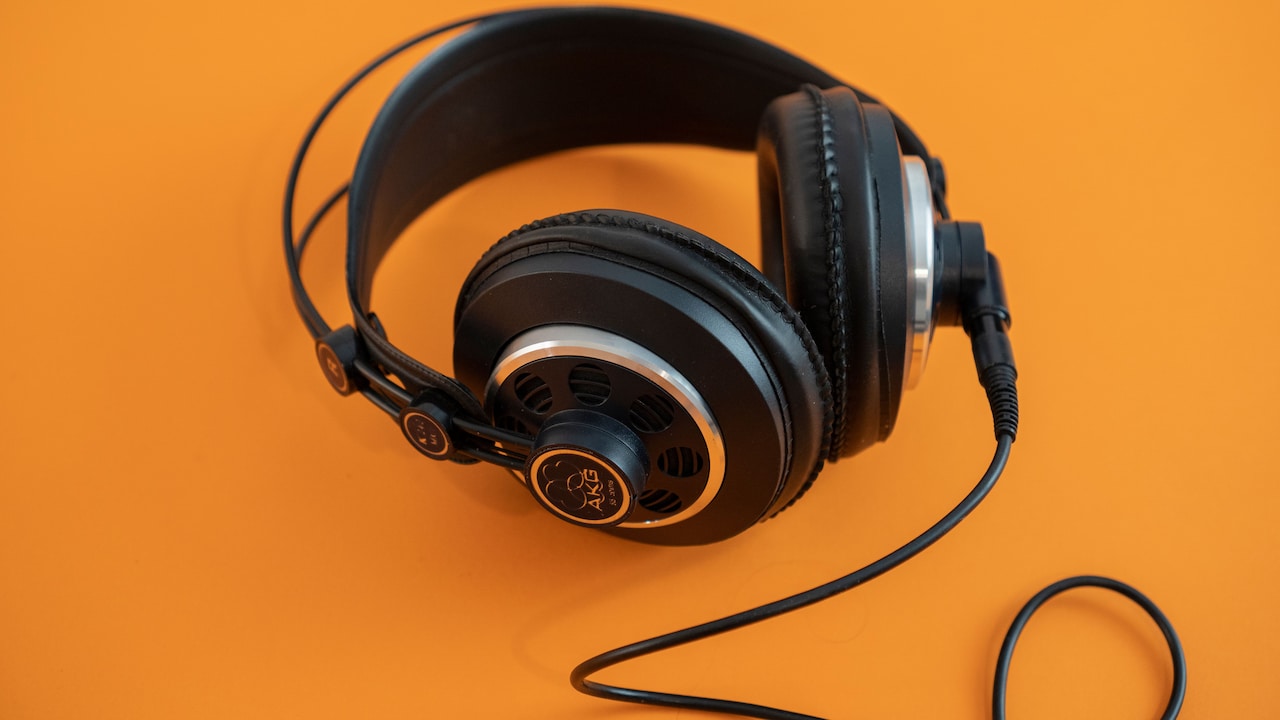
Fabric or velour cushions usually breathe better, though they may leak more sound. They can suit long study sessions, editing work or relaxed listening at home. Faux leather works well for stronger noise isolation, but it needs breaks. Old cushions create another issue. As pads flatten over time, the ear moves closer to the hard speaker grille inside the cup. That hidden pressure can cause soreness even when the outside still looks decent.
Check the cushion surface. Cracks, peeling, flat spots and uneven padding signal trouble. Replacement pads often cost far less than new headphones. A ₹500 cushion refresh can revive an old pair and save the ears from unnecessary misery. Sometimes, the headphone is not harsh; the tired cushion has simply retired without informing anyone.
Watch The Cable Pull And Angle
Wired earphones have one comfort challenge that wireless models escape: the cable. A dangling wire can tug on the earphones every time the head turns. This small pull may not seem serious, but over time it changes the angle of the ear tip and creates pressure inside the ear.
The problem becomes common while walking, exercising lightly, cooking, or travelling with the phone in a trouser pocket. If the cable keeps brushing against a bag strap, shirt button or desk edge, the earphones may shift again and again. The ear then keeps adjusting to tiny movements, which can lead to soreness.
Cable clips can help and usually cost around ₹50 to ₹150. Clip the wire to the shirt so the cable does not drag from the ears. Wearing the cable over the ear can also reduce pulling for some in-ear models. For headphones, check whether the cable enters from one side and pulls the cup downward. A comfortable fit depends not only on the part touching the ear, but also on the wire quietly bossing it around.
Keep The Volume From Causing Tension
Pain does not always come from physical pressure. Loud volume can create listening fatigue, headaches and a strange sense of tension around the ears. With wired headphones, the sound often feels stronger because the connection stays stable and direct. That can tempt users to raise the volume during music, gaming or binge-watching.
Crowded streets, honking traffic and noisy homes make this habit worse. When outside noise rises, the thumb usually goes straight to the volume button. The ears then deal with both environmental noise and louder audio. After some time, discomfort appears even if the cushions and tips fit well.
A better seal can reduce the urge to increase volume. Over-ear cushions, well-sized ear tips and foam tips can all help. Taking short breaks also matters. Remove the headphones for a few minutes every hour and let the ears breathe. If the sound feels exciting only when loud, the fit may not be giving proper isolation. Comfort and safe listening often begin with turning the volume down before the ears start sending angry letters.
Clean Ear Tips And Cushions Regularly
Headphones collect more than music memories. Sweat, dust, hair oil, skin flakes and pocket lint all find their way onto cushions and ear tips. In humid weather, this build-up can irritate the skin and make the ears feel itchy or sore. In-ear tips can also collect wax, which affects both hygiene and sound quality.
A dirty ear tip may not seal properly. The listener pushes it deeper to compensate, and pain follows. Cushions with sweat build-up can feel sticky, especially after gym sessions, long commutes or summer afternoons. The discomfort may seem like a fit problem when the real issue is poor cleaning.
Remove silicone tips and wash them gently with mild soap and water. Dry them completely before putting them back. Wipe headphone cushions with a soft, slightly damp cloth. Avoid soaking them, especially if they use faux leather. A small cleaning routine once a week can improve comfort and extend the life of the headphones. Clean gear simply feels nicer. Nobody wants their ears sharing space with last Tuesday's sweat.
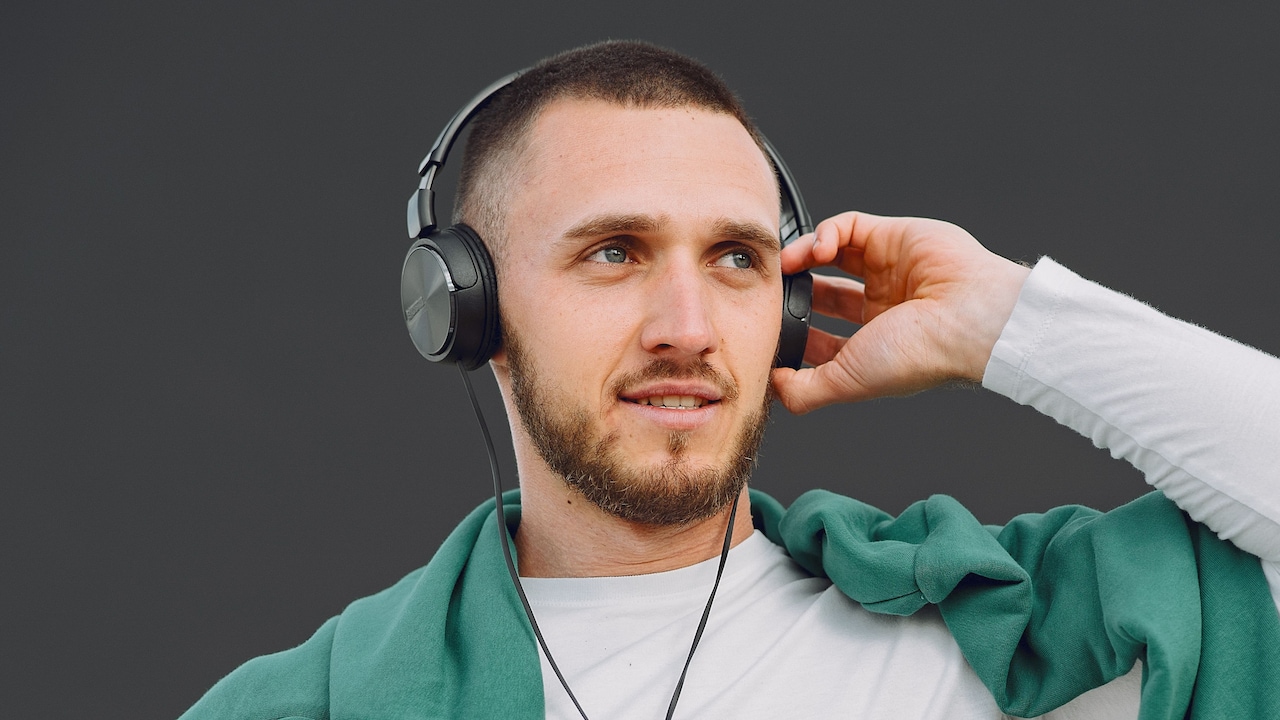
Wired Headphones Hurting Your Ears? Fit Mistakes To Check; Photo Credit: Pexels
Adjust The Position Before Every Long Session
Many people wear headphones on autopilot. Pick them up, put them on, press play. That works for short use, but during long sessions, small positioning errors become painful. The headband may sit too far forward. One ear cup may rest higher. An in-ear tip may angle towards the canal wall instead of sitting naturally.
Before a long call, film or study session, spend a few seconds adjusting the fit. For over-ear headphones, centre the ears inside the cups. Move the headband until the weight spreads evenly over the head. For on-ear headphones, check that both pads sit at the same height and do not press one part of the ear harder than another.
For in-ear earphones, insert them gently and twist only slightly if needed. Do not jam them in just because the bass sounds better for five seconds. A proper fit should disappear into the background. When headphones constantly remind the ears of their presence, something needs adjusting. Comfort often comes from tiny corrections made before pain begins, not desperate fixes after the ears have already filed a complaint.
Know When The Design Does Not Suit You
Sometimes, the problem is not a mistake. The design may simply not suit the listener. Some ears dislike in-ear tips. Some heads cannot tolerate tight over-ear models. Some people with glasses find on-ear headphones unbearable after twenty minutes. No amount of adjustment can turn the wrong shape into the right one.
This does not mean expensive headphones always solve the issue. A ₹799 pair may feel better than a ₹4,999 pair if the shape suits the user. Comfort depends on ear size, head shape, skin sensitivity, hair volume, glasses and listening habits. Reviews can help, but another person's perfect fit may become someone else's headache.
When buying, check return policies and test comfort before judging sound alone. Wear the pair for at least fifteen minutes if shopping in a store. At home, test during the kind of use that matters most, whether that is online meetings, music practice, gaming or late-night films. A headphone that hurts during normal use is not a bargain, even during a festive sale. The best pair is the one that the ears forget about.
Products Related To This Article
1. Havit H2232d Over Ear Wired Gaming Headset with Boom Microphone
2. Sony ZX Series MDR-ZX310AP Wired Headband Stereo On Ear Headset
3. Zebronics Jet Premium Wired Gaming On Ear Headphone with LED Light
4. JBL C100SI Wired In Ear Headphones With Mic, Pure Bass Sound
5. Boat Bassheads 100 in Ear Wired Headphones Earphones with Mic
6. PHILIPS Audio TAE1159BK/00 in-Ear Wired Earphones with C-Type Jack
7. XIAOMI Wired in-Ear Earphones with Mic, Ultra Deep Bass & Metal Sound Chamber
Wired headphones can still be brilliant companions. They deliver reliable sound, cost less than many wireless options and never demand charging at the worst possible moment. But comfort deserves as much attention as bass, mic quality or brand name.
Ear pain usually has a reason. Cushions may be too small, too flat or too sweaty. Ear tips may be the wrong size or pushed too deep. The headband may squeeze too hard, the cable may pull at a bad angle, or the volume may sit higher than the ears can tolerate. Sometimes, a simple cleaning session or a ₹300 replacement tip pack can change the whole experience.
The key is to listen to the ears before they shout. Mild discomfort during the first few minutes often becomes real soreness later. Adjust early, take breaks and choose fit over fashion. Headphones should carry songs, calls, films and podcasts with ease. They should not make the ears feel like they survived a local train at rush hour. A comfortable pair does not need to be fancy. It only needs to sit well, seal gently and let the music do its job without drama.
(Disclaimer: This article may include references to or features of products and services made available through affiliate marketing campaigns. NDTV Convergence Limited (“NDTV”) strives to maintain editorial independence while participating in such campaigns. NDTV does not assume responsibility for the performance or claims of any featured products or services.)