Why Earbuds Keep Falling Out: The Fit Problem Buyers Mistake For Sound Quality
Earbuds slipping out often ruin sound quality. Many blame the audio, but the real issue is a poor fit. This article explains why fit matters more than buyers realise and how it changes the entire listening experience.
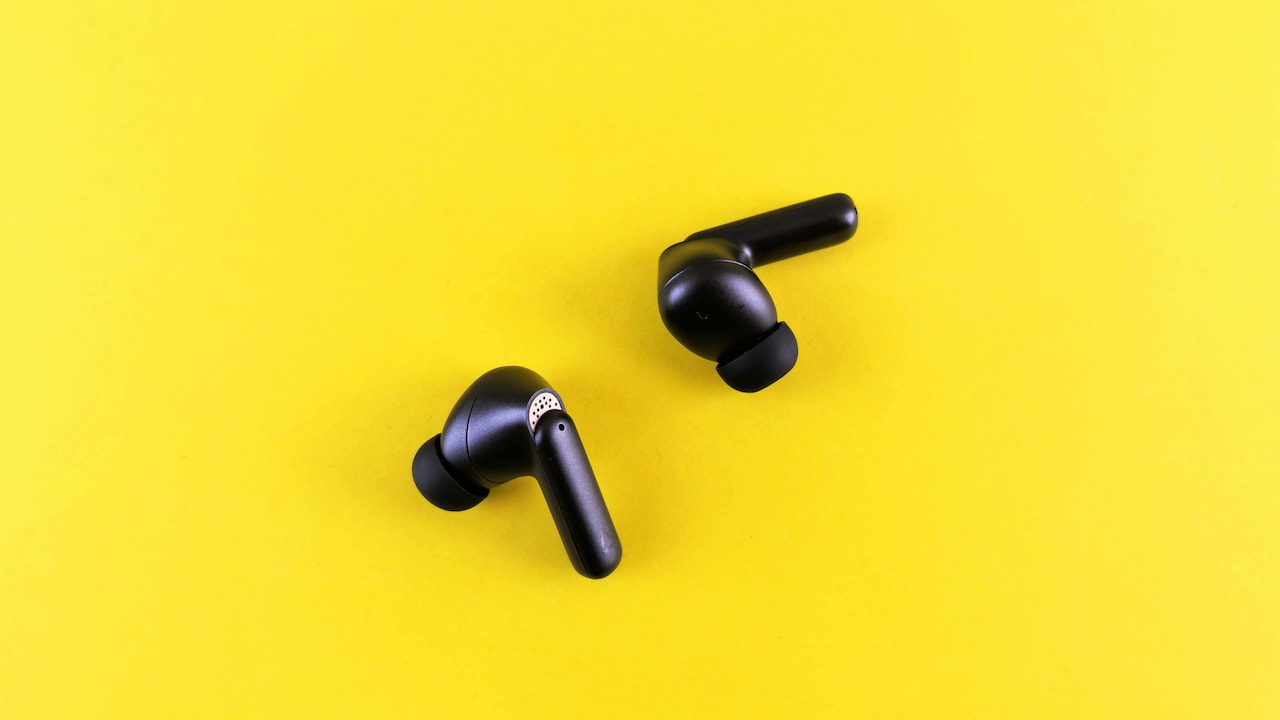
The Real Reason Earbuds Sound Bad: It Is Not Audio, It Is The Fit
A familiar scene plays out daily. Earbuds get plugged in, a favourite playlist begins, and within minutes, one bud starts slipping out. A quick push fixes it for a moment, but the cycle repeats. Frustration builds, and soon the verdict arrives: “These earbuds sound terrible.”
Yet, what if the sound isn't the problem at all?
The truth often surprises buyers. Earbuds rely heavily on how they sit inside the ear canal. Even the most expensive pair can sound flat, weak, or inconsistent if the fit is off. In a country where people move constantly, walking through busy streets, navigating packed metros, or juggling calls during errands, earbuds must stay secure.
Despite this, many focus only on specs, brand names, or price tags, overlooking the one factor that quietly determines everything: fit.
This article unpacks why earbuds keep falling out, why buyers confuse this issue with sound quality, and how small adjustments can lead to a dramatically better experience.
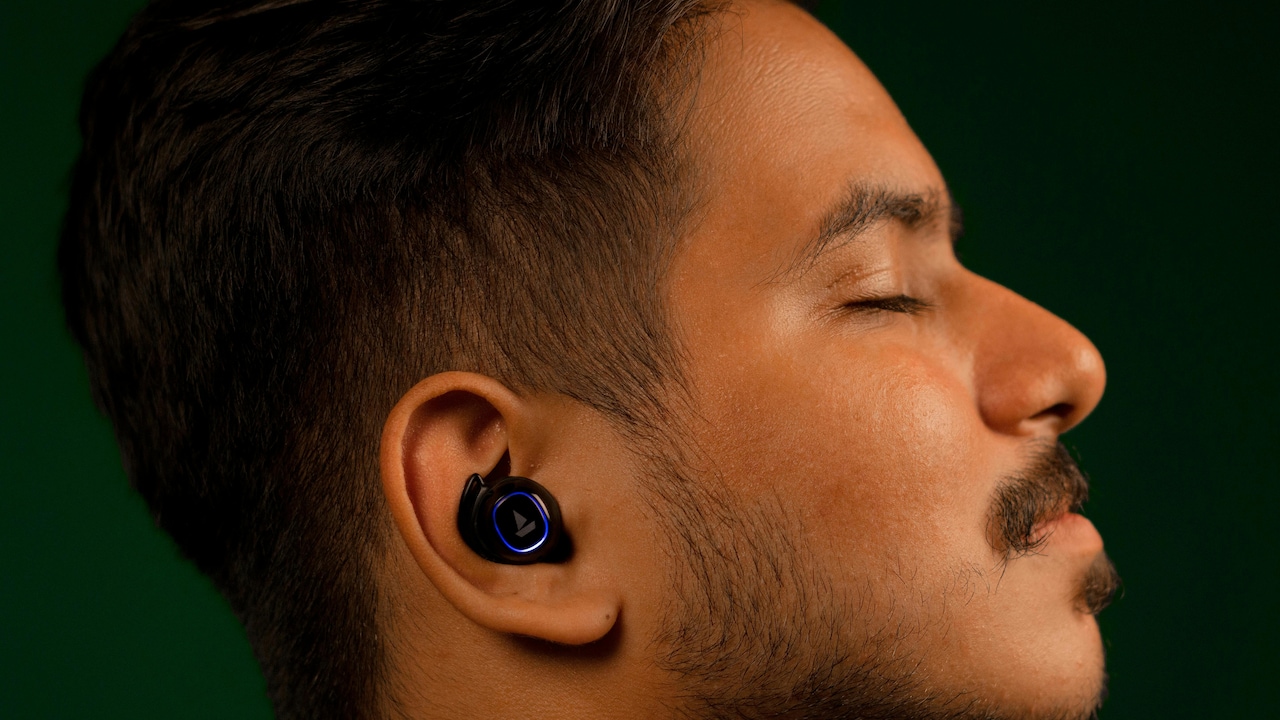
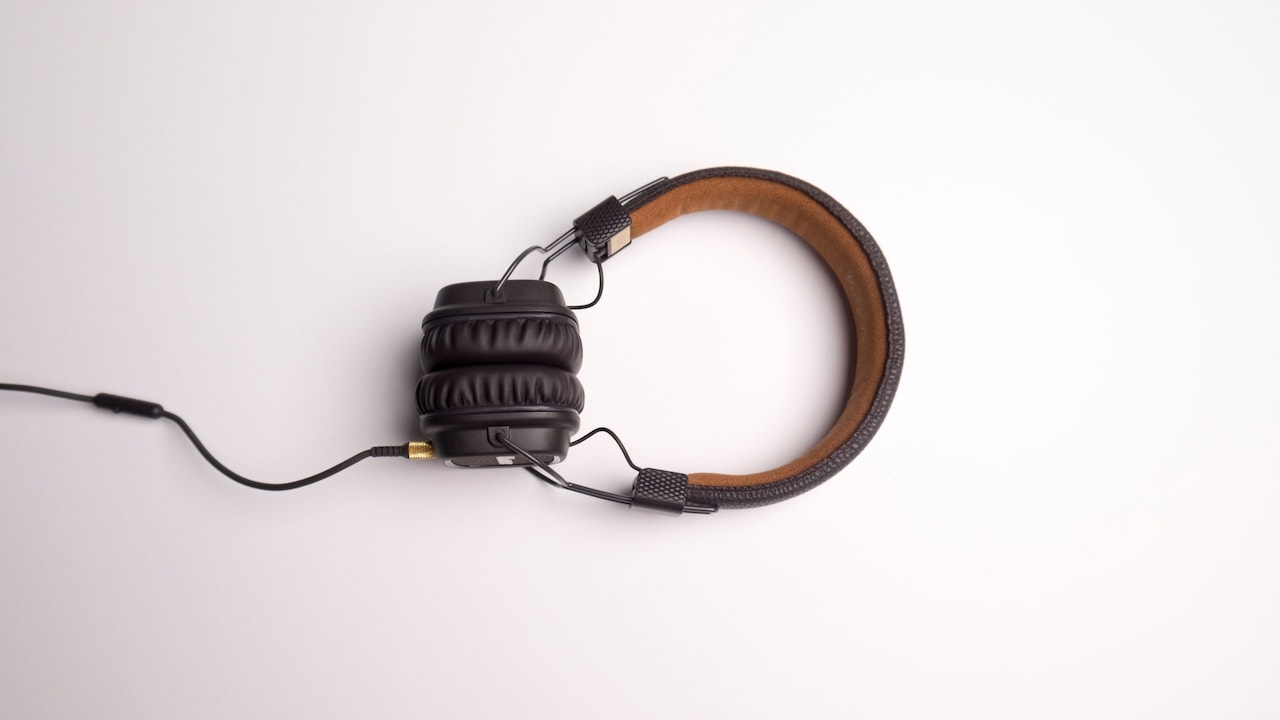
The Real Reason Earbuds Sound Bad: It Is Not Audio, It Is The Fit; Photo Credit: Pexels
Understanding Why Earbuds Slip And How Fit Impacts Sound Quality
The Misunderstood Role Of Fit
Fit rarely gets the spotlight during purchase decisions. Most buyers scan for bass levels, battery life, or brand reputation. However, earbuds are not like speakers placed on a table. They interact directly with the ear, and that interaction shapes the sound itself.
When earbuds sit loosely, sound leaks out. Bass disappears first, leaving music thin and distant. Voices lose depth, and instruments feel scattered. Naturally, the listener assumes the earbuds lack quality.
In reality, the earbuds might perform perfectly, just not in that position.
A snug fit creates a seal, allowing sound waves to travel correctly into the ear canal. Without that seal, even premium models struggle. This explains why the same earbuds may sound incredible to one person and disappointing to another.
The mistake lies in assuming sound quality remains constant regardless of fit. In truth, fit defines sound.
Also Read: 7 Best Earbuds Under ₹1,500 For Small Ears: Comfortable, Secure And Budget-Friendly Picks
Ear Shapes Are As Unique As Fingerprints
No two ears share the exact same shape. Some ear canals tilt slightly upward, others downward. Some are narrow, others wider. This natural variation makes a “one-size-fits-all” approach unrealistic.
Yet, many earbuds still follow a generic design. They may fit comfortably for some but feel awkward or unstable for others. This mismatch leads to slipping, constant readjustment, and eventually irritation.
Consider someone commuting daily on a local train. Frequent movement, subtle head turns, and vibrations can easily dislodge poorly fitted earbuds. The problem worsens during workouts or long walks.
Instead of blaming design limitations, buyers often assume they chose the wrong brand. In truth, the earbuds simply do not match their ear shape.
Understanding this diversity helps shift expectations. The goal isn't to find universally “perfect” earbuds, but ones that align with individual ear anatomy.
The Illusion Of Poor Bass
Bass often becomes the first casualty of a bad fit. Without a proper seal, low-frequency sounds escape instead of reaching the eardrum. This creates a hollow listening experience.
Listeners may increase volume to compensate, hoping to “force” the bass back. Instead, this leads to harsher highs and potential discomfort. The music feels louder, not better.
A simple adjustment, changing ear tip size or repositioning the bud, can suddenly restore depth. The same track that sounded lifeless now feels rich and immersive.
This dramatic shift reveals an important truth. What seems like poor audio tuning often stems from physical placement.
In busy households or shared spaces, where background noise already competes for attention, a weak seal makes things worse. Sound loses clarity, forcing constant adjustments.
The irony is striking. Many spend ₹3,000 or more chasing better sound, when the solution might lie in a properly fitted ₹500 pair.
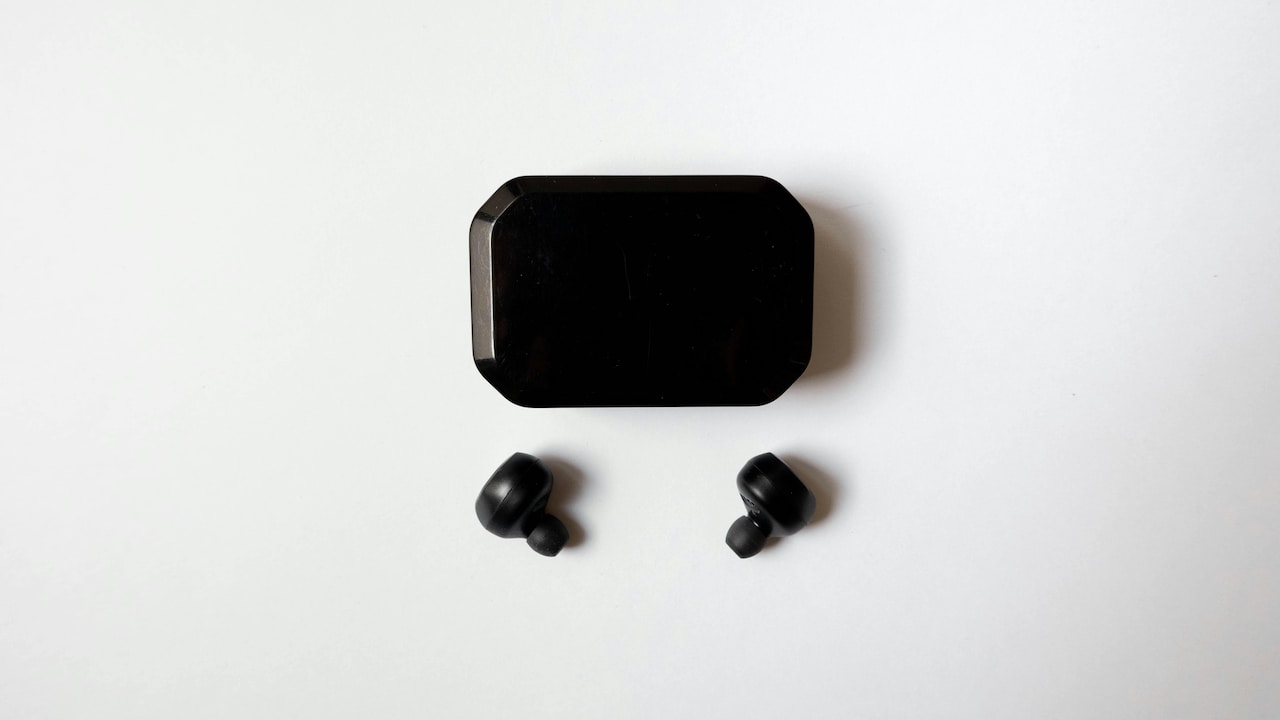
The Real Reason Earbuds Sound Bad: It Is Not Audio, It Is The Fit; Photo Credit: Pexels
Movement Magnifies The Problem
Static listening rarely exposes fit issues. Sitting still at a desk, earbuds may seem fine. The real test begins during movement.
Walking through crowded streets, climbing stairs, or rushing to catch a bus introduces subtle shifts. Sweat, gravity, and motion all play a role. Earbuds that felt secure suddenly loosen.
This leads to a cycle of constant adjustment. Each push changes the angle slightly, altering sound quality again. The experience becomes inconsistent and distracting.
Fitness enthusiasts face this even more intensely. During a jog or workout, unstable earbuds become almost unusable. Music cuts in and out, breaking rhythm and focus.
Instead of recognising the fit issue, many conclude that wireless earbuds “just don't work well.”
In reality, the problem lies in stability, not technology. A well-fitted pair can remain secure even during intense movement, maintaining consistent sound throughout.
The Overlooked Importance Of Ear Tips
Ear tips may seem like minor accessories, but they play a crucial role. Most earbuds come with multiple sizes, yet many users stick with the default option.
This small oversight creates big problems. A tip that's too small fails to seal properly, while one that's too large causes discomfort and pushes the earbud out.
Finding the right size transforms the experience. The earbuds sit snugly, sound improves instantly, and slipping reduces significantly.
Materials also matter. Silicone tips feel smooth and flexible, while foam tips expand to fill the ear canal more securely. Each option offers a different balance of comfort and stability.
Despite this, many never experiment with alternatives. The assumption remains that the default setup should work.
This reluctance often leads to unnecessary dissatisfaction. A simple swap could turn a frustrating pair into a favourite one.
Design Trends That Prioritise Looks Over Function
Modern earbuds often prioritise sleek design and compact cases. While these features appeal visually, they sometimes compromise fit.
Ultra-smooth finishes, minimal protrusions, and glossy surfaces may look stylish, but they reduce grip inside the ear. Without enough friction or support, earbuds slip more easily.
Some designs rely heavily on aesthetics rather than ergonomic stability. They may suit casual use but struggle during active scenarios.
Marketing rarely highlights this trade-off. Shoppers see polished images and assume comfort will match appearance.
However, practicality matters more in daily use. A slightly bulkier design with better grip often performs far better than a slim but unstable alternative.
Choosing earbuds based solely on looks can lead to disappointment. Comfort and fit deserve equal attention, even if they come at the cost of minimal design compromises.
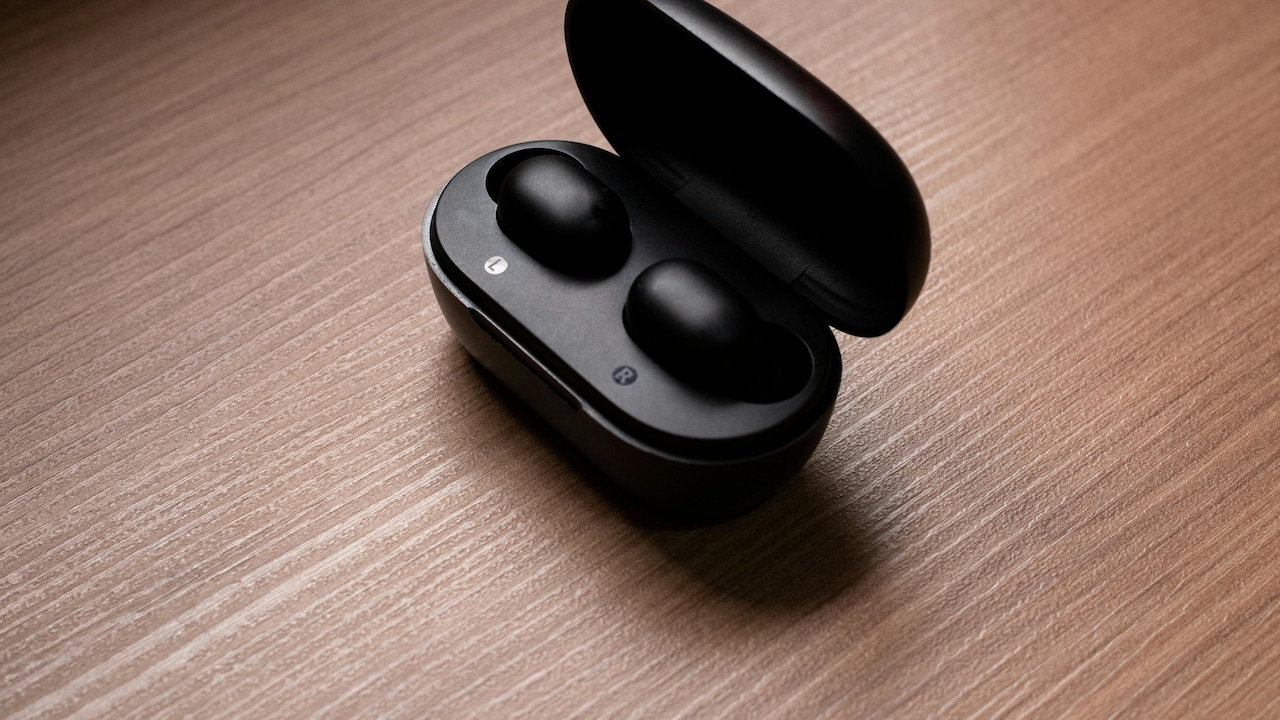
The Real Reason Earbuds Sound Bad: It Is Not Audio, It Is The Fit; Photo Credit: Pexels
Sweat And Climate Play A Bigger Role Than Expected
Warm weather introduces another challenge. Sweat reduces friction, making it easier for earbuds to slip out.
During summer or long commutes, even well-fitted earbuds may struggle if they lack proper grip. Moisture creates a slippery surface, weakening the seal.
This issue becomes more noticeable during workouts or outdoor activities. Constant movement combined with sweat leads to frequent adjustments.
Some earbuds include water-resistant coatings or textured surfaces to address this. However, not all models handle moisture equally well.
Ignoring this factor often leads to confusion. Buyers assume their earbuds are faulty, when environmental conditions play a significant role.
Choosing earbuds designed for active use can make a noticeable difference. Stability improves, and the listening experience remains consistent even in challenging conditions.
The Psychological Effect Of Expectation
Expectations shape perception more than many realise. When someone spends ₹5,000 on earbuds, they expect flawless performance.
If the earbuds feel loose or unstable, that expectation quickly turns into disappointment. Every flaw becomes amplified. Sound quality seems worse than it actually is.
This psychological effect creates a bias. The listener focuses on negatives, reinforcing the belief that the earbuds are inferior.
In contrast, a well-fitted pair, even at a lower price, can exceed expectations. Comfort and stability create a positive impression, making sound feel richer and more satisfying.
This highlights an important point. Perception of quality depends not just on technical performance, but also on physical experience.
A secure fit builds confidence, while a loose one undermines it. The mind interprets both scenarios very differently.
Why Reviews Often Miss The Point
Online reviews frequently discuss sound clarity, bass response, and battery life. However, fit receives less detailed attention.
Reviewers often test earbuds briefly, sometimes in controlled environments. They may not experience long-term discomfort or slipping issues.
This creates a gap between reviews and real-life use. Buyers rely on ratings, only to face unexpected problems later.
Fit varies widely between individuals, making it difficult to standardise in reviews. What works perfectly for one reviewer may not suit another person at all.
Despite this limitation, reviews still influence purchasing decisions heavily.
Understanding this gap helps set realistic expectations. Reviews provide useful insights, but they cannot guarantee a perfect fit.
Personal testing and adjustment remain essential steps in finding the right earbuds.
Small Adjustments That Make A Big Difference
Improving fit doesn't always require buying new earbuds. Often, small changes can solve the problem.
Trying different ear tip sizes, adjusting the insertion angle, or slightly twisting the earbuds can enhance stability. These tweaks take only minutes but can transform the experience.
Some users discover that wearing earbuds in a slightly rotated position improves grip significantly. Others benefit from switching to foam tips for better sealing.
These adjustments may seem minor, but their impact is substantial. Sound becomes fuller, volume levels feel balanced, and slipping reduces drastically.
The key lies in experimentation. Instead of assuming the earbuds are flawed, exploring these options often reveals hidden potential.
This approach saves money and improves satisfaction, turning a frustrating purchase into a reliable companion.
Products Related To This Article
1. Noise Master Buds, Sound by Bose in-Ear Bluetooth Earbuds
2. HAMMER Airflow Neo Earbuds with 80H Playtime
3. Noise Pop Buds Truly Wireless Earbuds with 50H of Playtime, Quad Mic with ENC
4. GOBOULT Y1 v2.0 Ear Buds Wireless with 60H Playtime
5. Boat Nirvana Ion, 120HRS Battery, Crystal Bionic Sound w/Dual EQ Modes
Earbuds slipping out may seem like a simple inconvenience, but the underlying issue runs deeper. Fit shapes everything, from comfort to sound quality and overall satisfaction.
Many buyers chase better audio through higher prices or newer models, overlooking the most fundamental factor. A poor fit can make even the best earbuds sound disappointing, while a good fit can elevate modest ones.
Understanding this shifts the entire perspective. Instead of asking, “Do these earbuds sound good?” the better question becomes, “Do these earbuds fit well?”
In a fast-moving lifestyle filled with commutes, workouts, and daily multitasking, stability matters. A secure, comfortable fit ensures that music, calls, and podcasts remain consistent and enjoyable.
The next time earbuds start slipping, resist the urge to blame sound quality immediately. A small adjustment might be all it takes to unlock their true potential.
(Disclaimer: This article may include references to or features of products and services made available through affiliate marketing campaigns. NDTV Convergence Limited (“NDTV”) strives to maintain editorial independence while participating in such campaigns. NDTV does not assume responsibility for the performance or claims of any featured products or services.)