Are Carbon-Plate Running Shoes Worth It For Beginners
New to running and eyeing carbon-plate shoes? Here's whether they're worth it for beginners, what to wear instead, and 8 running shoe picks on Amazon.
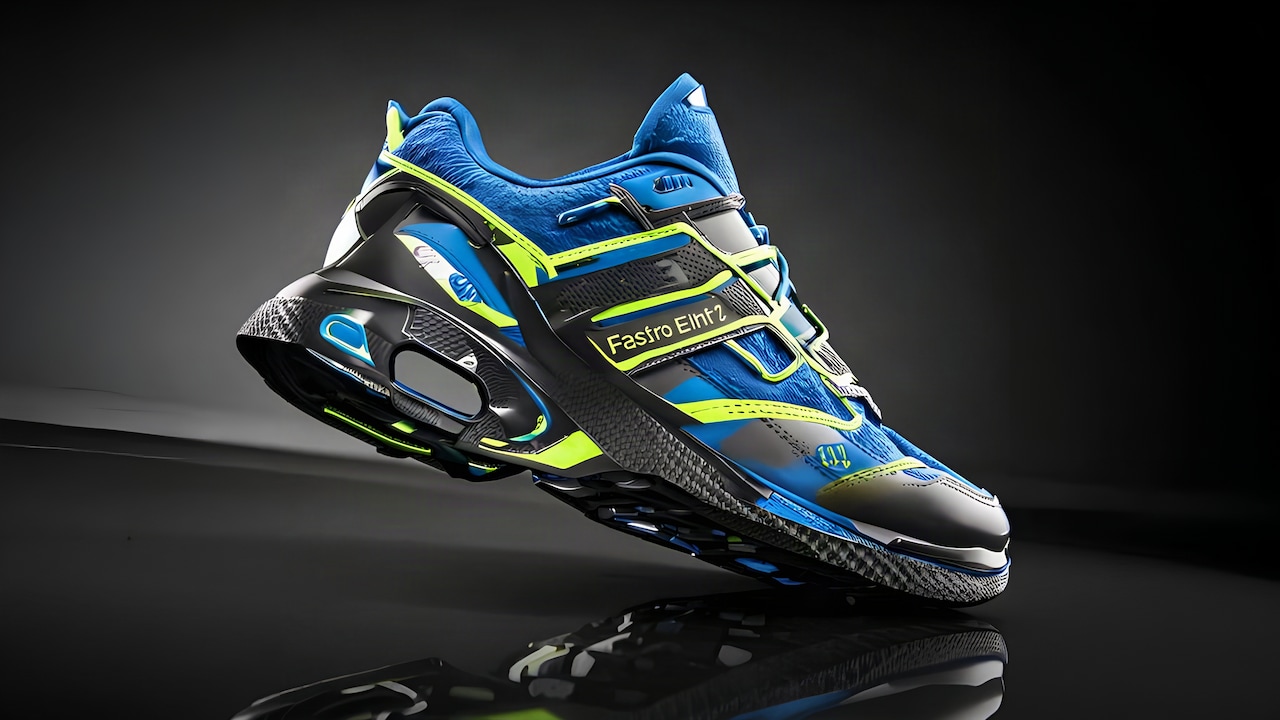
Are Carbon-Plate Running Shoes Worth It For Beginners
You sign up for your first 10K, and within a week the run club group is full of shoe talk. Carbon plate, super foam, PB—it's all part of the conversation. On race morning, there's always one uncle at the start in bright orange racers. Naturally, you start thinking that's what you need too. Usually it isn't. Those shoes are made for people trying to shave seconds, and you're still working on running a 5K without stopping at the water table. Amazon sells both carbon race shoes and regular comfortable trainers.
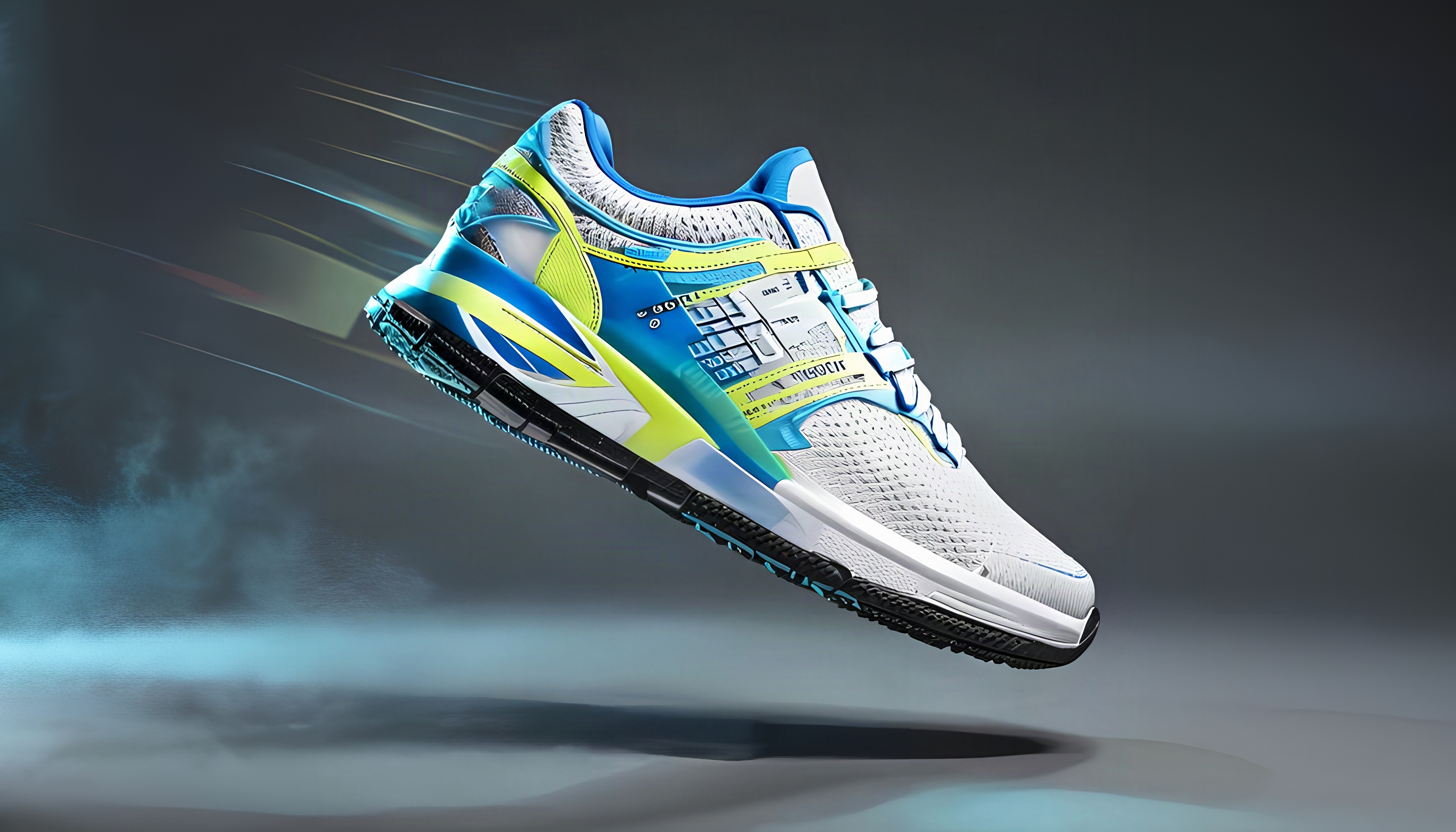
What A Carbon Plate Actually Does
Photo Credit: iStock
So are they worth it in the first year? Mostly no. A good cushioned trainer will do more for you than a stiff race shoe. There does come a point where a plated pair makes sense, and we'll get to that. First, we'll look at what the plate does, how it feels on normal runs, and when to buy one. 4 plated and 4 regular shoes from Amazon are at the bottom.
What A Carbon Plate Actually Does
Inside the midsole there's a thin, stiff sheet of carbon fibre. On its own, it doesn't do much. It works because it sits with a very springy foam, and there's usually a lot of that foam under your foot.
The plate keeps the front of the shoe from bending, so your foot rolls forward onto the toes. The foam presses down and comes back up. When you're running fast, that makes every step a bit easier on the legs.
Some shoes use a nylon or plastic plate, which bends more. A few adidas models use carbon rods instead of one sheet. Same idea, done differently.
Are Carbon-Plate Shoes Worth It For Beginners?
For most people, not yet. You feel the push only when you're running quick with decent form. At an unhurried jog the plate doesn't do much. What you do notice is that the shoe is tall and narrow, and it feels a little unsteady when you turn a corner.
It also puts more load on the calves and ankles. Many new runners feel fine after a plated run and then struggle on the stairs the next morning. The first few months are about getting your legs stronger slowly, and a softer trainer helps with that.
How Carbon-Plate Shoes Feel On Real Beginner Runs
This is how it usually goes in a normal week.
1. Easy Runs Around The Colony
Most of your runs will be slow ones where you can still talk. In a carbon shoe, that pace feels a bit off, like the shoe wants you to go faster.
A normal cushioned trainer is much easier here. Broken footpaths, speed breakers, the odd pothole – it handles all of that well.
2. Your First 5K Or 10K Race
Race day is where the plate can help, as long as you've worn it before. Your legs feel fresher, and the last 2 km hurt a bit less.
Don't take a brand-new pair straight to the start line. Do two or three short runs in them that week so your calves get used to them.
3. Building Up Weekly Mileage
Most beginners go from about 10 km a week to 25 km over a few months. Doing all of that in race shoes puts extra stress on legs that are still getting used to running.
Coaches usually say to do most runs in a normal trainer. Keep the plated pair for one faster run a week, if that.
4. How Long The Shoe Lasts
Race shoe foam is light and soft, and it wears out quicker. Many carbon racers start to feel flat after just a few hundred kilometres.
A daily trainer lasts a lot longer. If you run four mornings a week, you'll see the difference within a few months.
What Should Actually Decide If You Buy One
Don't go by brand names or race photos on Instagram. Check these four things first.
1. How Long You've Been Running
Running for less than six months? Stay with a cushioned trainer. Once 10K feels normal and not like a big event, a plated shoe starts to make sense. Your legs will handle the stiffer shoe much better by then.
2. Your Weekly Distance
Under 20 km a week, one good trainer is all you need. Over 30 km, a second pair helps, and that's where a plated shoe for faster days fits in. Switching between two pairs also gives the foam time to recover.
3. Whether You Have A Race Coming Up
A plated shoe is mostly for race day. If you have a half marathon or a timed 10K coming up, buying one a few weeks before can be worth it. If you only run to stay fit, it doesn't add much.
4. Try A Softer Plate First
Shoes with a nylon plate, like the Saucony Endorphin Speed, are somewhere in the middle. You get some of that rolling feel, but they're not as stiff or as wobbly. They work for regular runs and faster ones, so they make a good first step up.
Also Read: Top 5 Sports Shoes From Gym To Street Under ₹1000
So, Are Carbon-Plate Running Shoes Worth It For Beginners?
For most beginners, they are not worth it in the first six months. A cushioned daily trainer builds your base, is easier on your legs and lasts longer. Easy runs, which is most of what you'll do, also feel better in one.
Once 10K feels comfortable and you have a race coming up, go ahead and get a plated pair. Try a nylon plate or a carbon-rod shoe before a full racer. Before race day, do a few practice runs in it. The 8 Amazon picks below have 4 plated shoes and 4 everyday trainers.
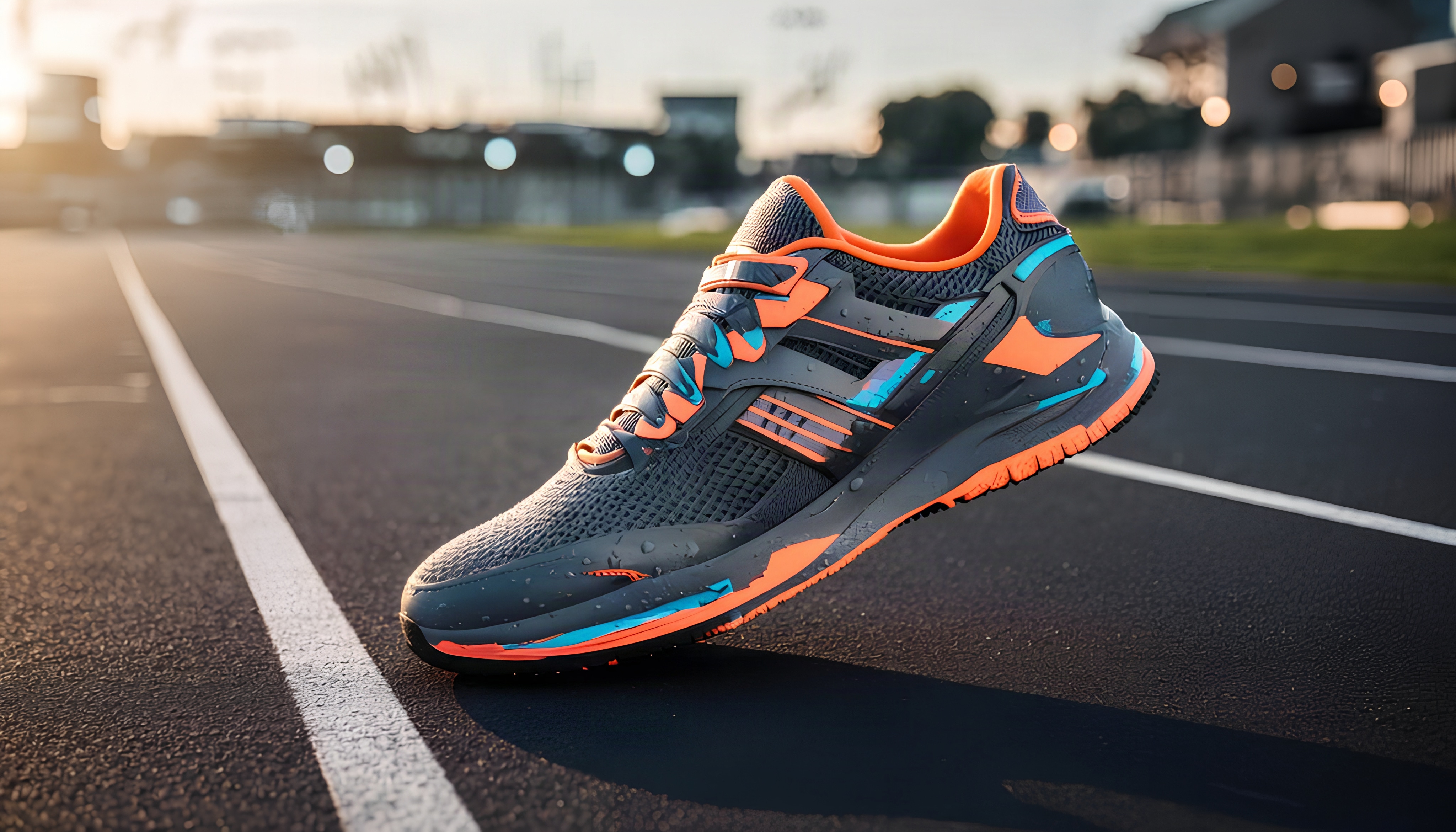
Some Products You May Like
Photo Credit: iStock
Some Products You May Like
1. Puma Men's Fast-R Nitro Elite 2 Running Shoe
2. ASICS Unisex METASPEED Sky 3 Running Shoe
3. adidas Men's Adizero Boston 12 Running Shoe
4. Saucony Men's Endorphin Pro 4 Running Shoe
5. ASICS NOVABLAST 5 Running Shoes
6. Nike Men's Air Zoom Pegasus 41 Running Shoes
7. Skechers Men's Go Run Elevate Running Shoe
8. CULT Men's PaceRush Running Shoes
Running shoes are specially designed footwear that provide cushioning, support, stability, and shock absorption to help reduce impact on the feet and joints while running. Unlike regular sneakers, they are engineered to enhance comfort, improve performance, and support natural foot movement during walks, jogs, and runs.
Frequently Asked Questions (FAQs)
1. Should a beginner buy carbon-plate running shoes?
Not in the first few months, usually. A cushioned trainer is safer and more comfortable for easy running. Get a plated pair once you start racing the 10K.
2. Do carbon-plate shoes make you faster?
A little, at faster paces. Trained runners see most of the gain. For a beginner, running regularly makes a much bigger difference.
3. Can carbon-plate shoes cause injuries?
They can strain your calves and Achilles if you're not used to them. Build up slowly, and don't wear them for every run.
4. How long do carbon-plate shoes last?
Usually not as long as daily trainers. The light foam starts to feel flat after a few hundred kilometres, so keep them for races and faster runs.
5. What's a good first upgrade from a regular running shoe?
A trainer with a nylon plate or carbon rods is a good first upgrade from a regular running shoe. You get some of the rolling feel without the full stiffness of a race shoe.
(Disclaimer: This article may include references to or features of products and services made available through affiliate marketing campaigns. NDTV Convergence Limited (“NDTV”) strives to maintain editorial independence while participating in such campaigns. NDTV does not assume responsibility for the performance or claims of any featured products or services.)