How To Measure Your Child's Shoe Size Correctly At Home
Ordering kids' shoes online and not sure of the size? Here's how to measure your child's feet correctly at home, plus 8 shoes and sizing tools on Amazon.
How To Measure Your Child's Shoe Size Correctly At Home
You order a pair of school shoes online, and they arrive two days later. Your child tries them on, walks around the room, and says they're fine. A week later they're complaining that the shoes hurt at the toes. Or they're slipping off at the heel every time they run. Most parents just go by the size of the last pair. That doesn't work for long, because kids' feet keep growing. Amazon has shoes in every size and a few simple sizing tools that help you get it right the first time.
Why Getting Your Child's Shoe Size Right Matters
Photo Credit: iStock
Measuring at home only takes about ten minutes. You need a sheet of paper, a pencil, a ruler, or a proper foot-measuring scale. The main thing is doing it at the right time and adding a bit of room for growth. Below, we go through why size matters, how to measure, and what to check before you order. 8 picks from Amazon are at the bottom.
Why Getting Your Child's Shoe Size Right Matters
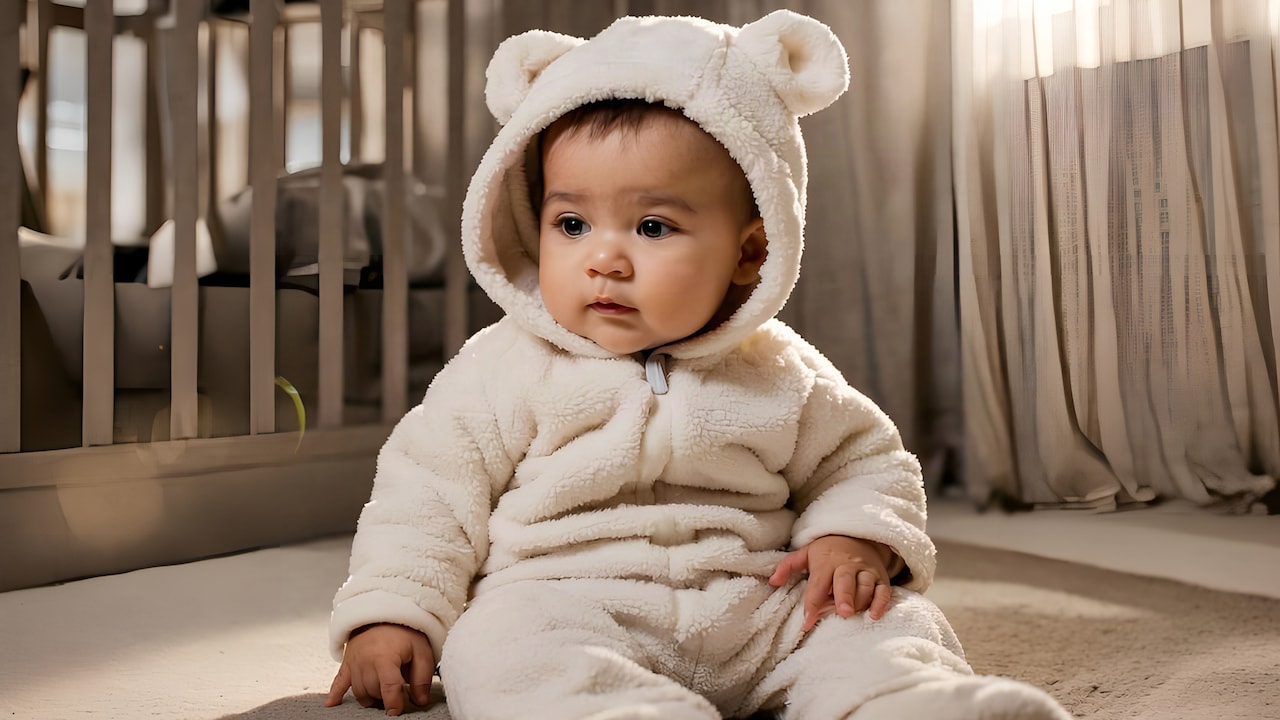
Kids often can't tell you a shoe is too tight. Their feet are still soft, and they adjust to whatever you put them in. So a tight pair can squeeze the toes for weeks before anyone notices.
Shoes that are too big cause their own problems. The foot slides around, the heel lifts with every step, and they trip more often. Running and playing in loose shoes also leads to blisters. A pair that fits well is just more comfortable. Your child walks properly, runs without slipping, and doesn't keep asking to take the shoes off.
Is Checking The Old Shoe Size Enough?
Not really; small kids can grow up a size in just a few months. The size printed on the last pair tells you what fits then, not what fits now. Sizes also change from brand to brand, so a size 11 in one shoe can feel very different in another. Hand-me-downs from an older sibling have the same problem.
Measuring the actual foot is the only way to be sure. It's quick, and you can do it whenever you're about to order a new pair.
How To Measure Your Child's Feet At Home
These four steps work for toddlers and older kids. Do both feet, since one is often slightly longer.
1. Pick The Right Time Of Day
Feet get a little bigger by the evening, especially after school or playing outside. Measure in the late afternoon or evening so the shoe isn't too tight later in the day.
Have your child wear the kind of socks they'll use with the new shoes. Thick winter socks need a bit more room than thin ones.
2. Trace The Foot On Paper
Put a sheet of paper on a hard floor, close to a wall. Ask your child to stand on it with their heel touching the wall and their weight on both feet. Standing matters, because the foot spreads out a little.
Hold the pencil straight up and draw around the foot. Young kids wriggle a lot, so it helps to have someone keep them busy while you trace. Do the same for the other foot.
3. Measure Heel To Longest Toe
Use a ruler to measure from the back of the heel to the tip of the longest toe. That isn't always the big toe. Kids often curl their toes on a cold floor, so ask them to relax their feet. Write the length down in centimetres for both feet.
Go with the longer foot. If you have a foot-measuring scale, your child can just stand on it, and you read the number straight off.
4. Add Room For Growing
Add about 1 to 1.5 cm to the length you measured. That gives the toes space to move and leaves room to grow for a few months.
Don't add much more than that. A shoe that's a full size too big will slip and make your child trip.
What Should Actually Decide The Size You Order
Once you have the foot length, a few more factors will help you decide which size to click on.
1. Check The Brand's Size Chart
Every brand has its own chart, and most Amazon listings show it under the size options. Match your measured length in centimetres to the chart, not the size number. UK, EU and Indian sizes don't always match up between brands. Some listings mention an age range too, but go by length first.
2. The Socks And Season
School shoes are usually worn with socks every day, so measure them with socks on. Sandals and floaters are worn without, so you need slightly less extra room. In winter, leave space for thicker socks.
Also Read: Top 5 Sports Shoes From Gym To Street Under ₹1000
3. Wide Or Narrow Feet
Some kids have wider feet, especially toddlers. If the tracing looks wide, go for shoes with Velcro straps or a roomy toe area. Lace-up shoes can be adjusted for narrow feet too.
4. How Fast Your Child Is Growing
Toddlers grow fastest, so check their size every couple of months. For school-age kids, every three to four months is usually enough. If a shoe leaves red marks on the feet, it's time to measure again.
So, How Do You Measure Your Child's Shoe Size Correctly?
Measure in the evening, with socks on, while your child is standing. Trace both feet and measure from heel to the longest toe. Use the longer foot and add about 1 to 1.5 cm for growing room.
Then check that length against the brand's own size chart before ordering. Keep measuring every few months, since kids' feet change fast. The 8 Amazon picks below include two foot-measuring tools and six kids' shoes.
Some Products You May Like
Photo Credit: iStock
Some Products You May Like
1. HASTHIP Foot Measurement Scale, Portable Shoe Size Tool
2. Street27 Foot Measuring Tool Shoe Gauge Ruler
3. ARETTO Expanding Kids' Shoes for Growing Feet
4. ONYC AIRY Toddler First Step Breathable Shoes
5. TRASE School Shoes for Boys and Girls
6. KazarMax Hopits Surge Kids Sports Shoes
7. ASIAN Adventure-52 Kids Running Shoes
8. Campus Child GC-22179C Sandal
Getting your child's shoe size right is about more than just comfort. It plays an important role in supporting healthy foot development and preventing issues such as blisters, discomfort, and improper posture. By measuring your child's feet at home every few months, checking both length and width, and allowing a little extra room for growth, you can make more confident footwear purchases without relying solely on age-based sizing. Remember that children's feet grow quickly, so regular measurements are essential. A properly fitted pair of shoes can help your child stay comfortable, active, and supported through every stage of growth.
Frequently Asked Questions (FAQs)
1. What is the best time to measure a child's feet?
Late afternoon or evening. Feet get slightly bigger during the day, so measuring then stops the shoes from feeling tight later.
2. How much extra room should kids' shoes have?
About 1 to 1.5 cm beyond the foot length. That's roughly the width of an adult's thumb at the front of the shoe.
3. How often should I check my child's shoe size?
Every two to three months for toddlers. For older kids, every three to four months, or sooner if they complain of pain.
4. Should I measure both feet?
Yes. One foot is often a little longer than the other. Always choose the size for the longer foot.
5. Can I buy one size bigger so the shoes last longer?
A little extra room is fine, but a full size-up is too much. Loose shoes slip at the heel and make kids trip.
(Disclaimer: This article may include references to or features of products and services made available through affiliate marketing campaigns. NDTV Convergence Limited (“NDTV”) strives to maintain editorial independence while participating in such campaigns. NDTV does not assume responsibility for the performance or claims of any featured products or services.)