10 Things To Check Before Buying An Ethnic Bag For Weddings And Festive Events
Shopping for an ethnic bag for weddings or festive celebrations? From embroidery and fabric to storage and comfort, here are 10 essential things to check before choosing a bag that looks stylish and serves its purpose.
10 Things To Check Before Buying An Ethnic Bag For Festive Events
A beautiful ethnic bag can bring an entire festive outfit together. Think of a heavily embroidered potli paired with a silk saree, a pearl-studded clutch complementing a pastel lehenga, or a colourful jhola adding personality to a simple kurta set. These small accessories often make a surprisingly big difference. However, finding the right ethnic bag involves more than picking something that looks attractive in photographs. Wedding celebrations and festive gatherings come with their own practical challenges. There are long ceremonies, crowded venues, endless photographs, and plenty of moments when keeping essentials close becomes necessary. Nobody wants to spend half the evening worrying about a broken clasp or searching for a phone inside an overcrowded potli.
10 Things To Check Before Buying An Ethnic Bag For Festive Events
Photo Credit: Pexels
The ideal ethnic bag should look beautiful without making everyday tasks unnecessarily difficult. Its size, material, embellishments, and carrying style all deserve attention. Even a stunning designer-inspired piece can become an inconvenient purchase if it cannot accommodate basic necessities.
Whether you're shopping for a family wedding, Diwali celebration, engagement ceremony, or festive dinner, a little planning helps. Here are ten important things worth checking before buying an ethnic bag.
Key Things To Consider When Choosing An Ethnic Bag
1. Check Whether The Bag Complements Your Outfit Without Overpowering It
Matching an ethnic bag with an outfit sounds simple until you're standing between two equally beautiful options. One features elaborate mirror work, while the other has delicate embroidery. Both look attractive, but the better choice depends on what you're wearing.
Start by examining the colours, patterns, and embellishments of your outfit. A heavily embroidered lehenga usually looks more balanced with a relatively understated clutch or potli. Similarly, a plain silk saree or monochrome kurta set leaves room for a more decorative bag.
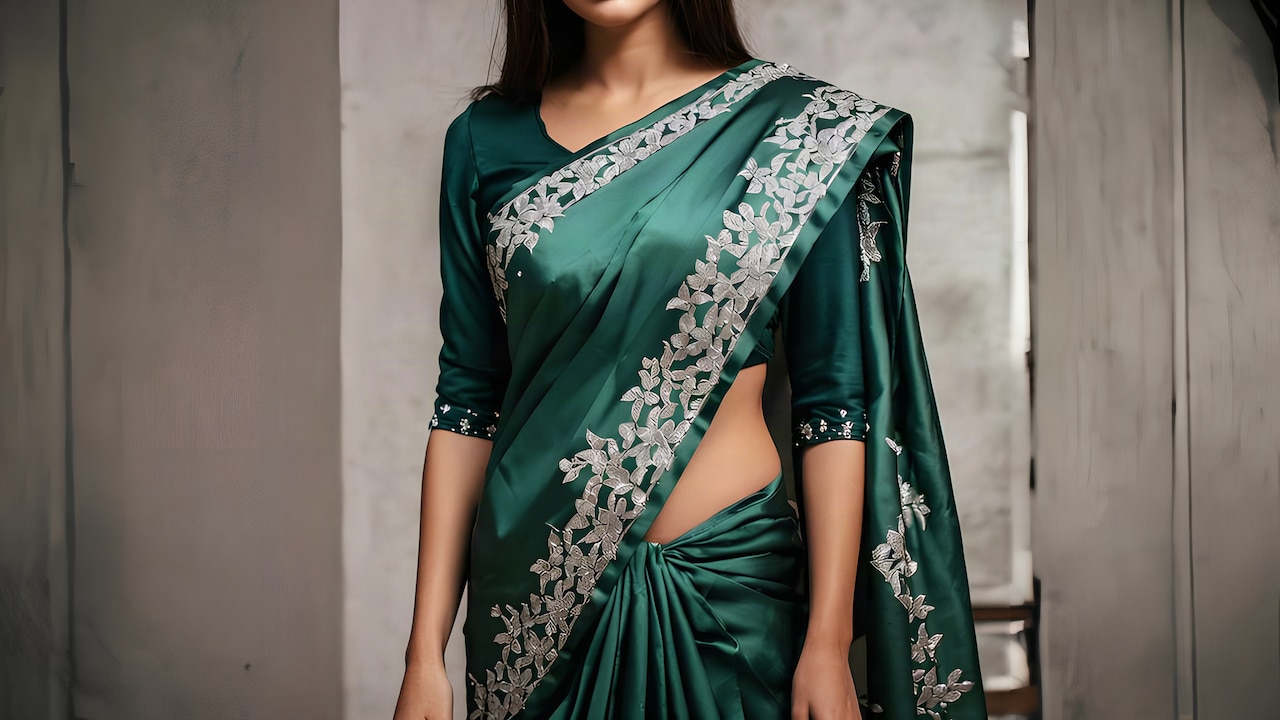
Colour coordination matters, although an exact match isn't always necessary. Gold, champagne, ivory, and silver bags often complement several festive outfits. Contrasting shades can also work beautifully. For example, an emerald green potli against a cream saree introduces colour without making the combination feel excessive.
Consider the jewellery, too. Large earrings, a statement necklace, and an embellished bag can compete for attention. Sometimes, one decorative accessory creates a stronger impression than several elaborate pieces.
Before buying, photograph your outfit and compare it with the bag. This simple trick can prevent a purchase that looks gorgeous on its own but feels completely out of place with your wedding ensemble.
2. Examine The Fabric And Material Before Falling For The Design
An ethnic bag's material influences its appearance, durability, weight, and maintenance. Velvet potlis, silk clutches, brocade handbags, and embroidered fabric purses each offer something different. The trick lies in understanding how these materials behave beyond the display shelf.
Velvet offers a rich appearance that suits evening weddings and winter celebrations. However, it can attract lint and show marks after repeated handling. Silk and satin bags look elegant but may develop snags when they rub against jewellery or rough surfaces.
Brocade and jacquard fabrics often provide beautiful traditional patterns. Their durability, however, depends on the weave, lining, and construction. Meanwhile, synthetic materials may offer easier cleaning, although some can feel stiff or develop cracks over time.
Pay attention to the fabric's thickness and texture. A thin outer layer without adequate support may lose its shape after carrying heavier essentials.
Shopping online? Look closely at customer photographs rather than relying entirely on promotional images. Product descriptions should mention the primary material and lining.
For an accessory intended for multiple celebrations, choose a fabric that combines attractive detailing with reasonable maintenance. After all, a festive bag should survive more than one memorable evening.
3. Make Sure The Bag Has Enough Space For Your Essentials
A miniature clutch might look charming beside a bridal lehenga, but its appeal fades quickly when your phone refuses to fit inside. Storage capacity deserves serious attention, especially during celebrations that stretch across several hours.
Before choosing a bag, think about what you'll realistically carry. A smartphone, lipstick, compact mirror, keys, tissues, cash, and a few personal essentials can occupy more room than expected.
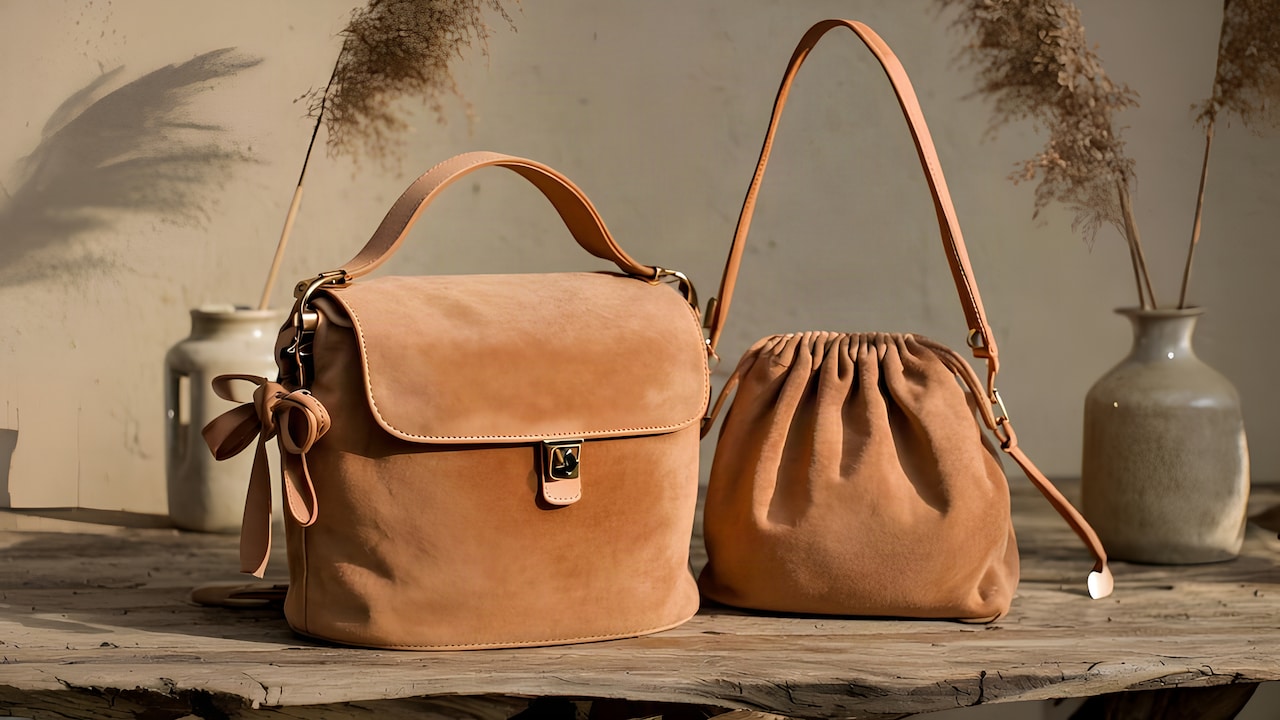
Potli bags often appear spacious because of their rounded shape. However, their actual capacity depends on the base width, lining, and drawstring opening. Structured clutches may offer less flexibility, particularly when they feature rigid frames.
Check the bag's dimensions against your belongings. Phone compatibility matters because modern smartphones can be longer than expected. A clutch measuring 18 cm across might not accommodate every device comfortably, especially if its internal space is narrower.
Internal compartments are another useful feature. Even a small pocket can separate cash or jewellery from other items.
Avoid stuffing an ethnic bag until it loses its shape. Excess weight can strain delicate embroidery and closures.
The right size should accommodate your necessities while remaining comfortable to carry. Fashion makes a statement, but practicality saves the evening.
Also Read: Add Finishing Touch To Your Ethnic Outfit: Shop Potli Bags Under ₹1,000 On Amazon
4. Inspect The Embroidery, Beadwork And Decorative Finishing
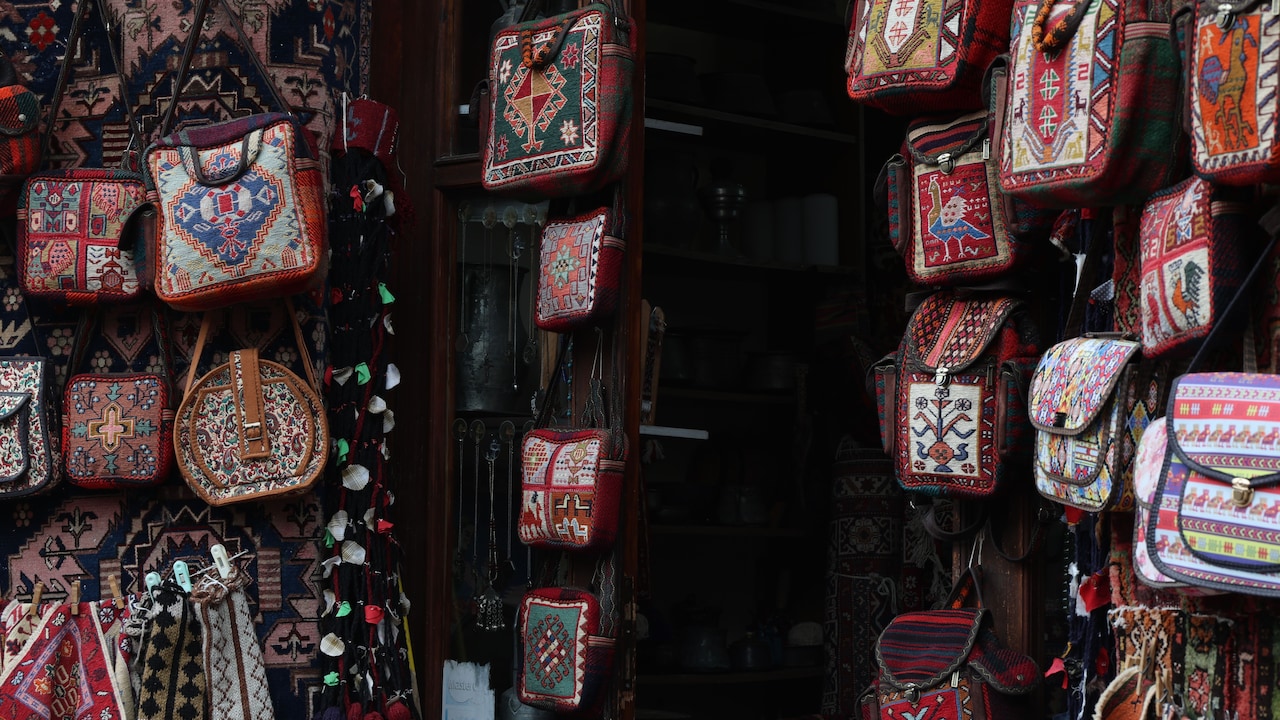
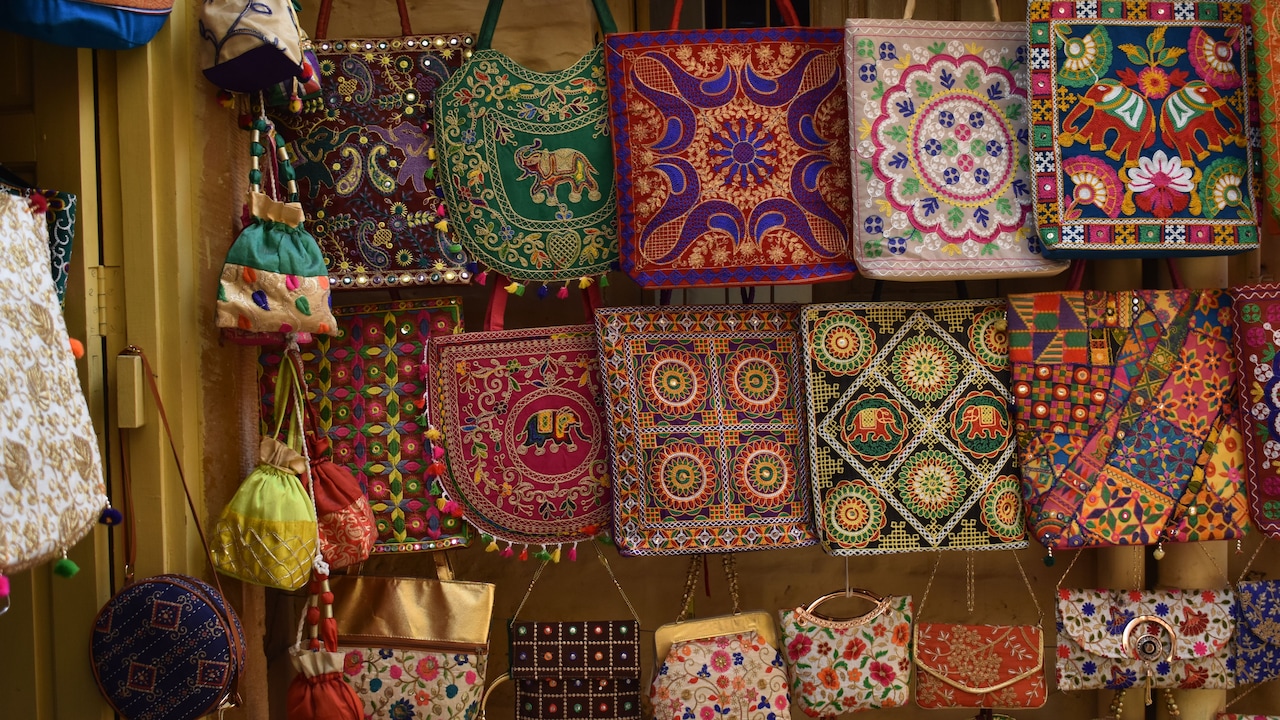
Ethnic bags often attract attention through intricate details. Zardozi embroidery, sequins, pearls, mirror work, zari threads, and colourful beads can transform an ordinary pouch into a striking festive accessory.
However, beautiful embellishments aren't always durable.
Examine how securely the decorations attach to the fabric. Loose threads, uneven stitching, or beads that move excessively could indicate finishing problems. A bag with several dangling elements may look attractive initially but could lose its charm after repeated use.
Run your fingers gently across the embroidery, if possible. Sharp mirror edges, exposed wires, or rough decorative pieces may catch on delicate sarees and dupattas. This becomes particularly troublesome when wearing chiffon, net, or organza.
For online purchases, zoom into close-up photographs. Look for consistent embroidery patterns and neatly finished edges. Customer reviews mentioning fallen beads or damaged embellishments deserve attention.
The placement of decorative elements matters as much as their quality. Heavy embellishments around the opening can make a potli difficult to close.
For frequent use, consider bags with secure embroidery and fewer fragile attachments.
A well-finished ethnic bag should retain its decorative appeal after several celebrations, not begin shedding pearls before the wedding photographs are complete.
5. Test The Closure To Keep Your Belongings Secure
Wedding celebrations involve movement, excitement, and occasional chaos. Between greeting relatives, dancing, and navigating crowded venues, keeping a constant eye on an open handbag isn't particularly enjoyable.
That's why the closure mechanism deserves careful consideration.
Ethnic bags commonly feature drawstrings, magnetic buttons, zippers, snap locks, and metal clasps. Each option has advantages and limitations.
Drawstring potlis provide easy access and traditional appeal. However, loosely fitted strings may leave gaps around the opening. Check whether the drawstring closes evenly without excessive force.
Clutches with magnetic closures offer convenience, but weak magnets may open when the bag becomes full. A sturdy snap lock or metal clasp can provide greater security, provided the mechanism works smoothly.
Zippers are particularly useful for protecting smaller belongings. Inspect whether the zip moves easily without catching the lining.
Don't overlook the possibility of accidental opening. A bag that looks perfectly secure when empty may behave differently once you add a phone and other essentials.
If you're shopping in person, test the closure several times. For online purchases, look for photographs showing the opening mechanism.
A reliable closure might not receive compliments, but it can prevent an unnecessarily stressful evening.
10 Things To Check Before Buying An Ethnic Bag For Festive Events
Photo Credit: Pexels
6. Consider The Strap, Handle And Overall Carrying Comfort
An ethnic bag may look effortless in photographs, but carrying it for five consecutive hours tells a different story. Comfort becomes especially important during weddings that involve multiple ceremonies, standing, and dancing.
Think about how you prefer to carry your accessories.
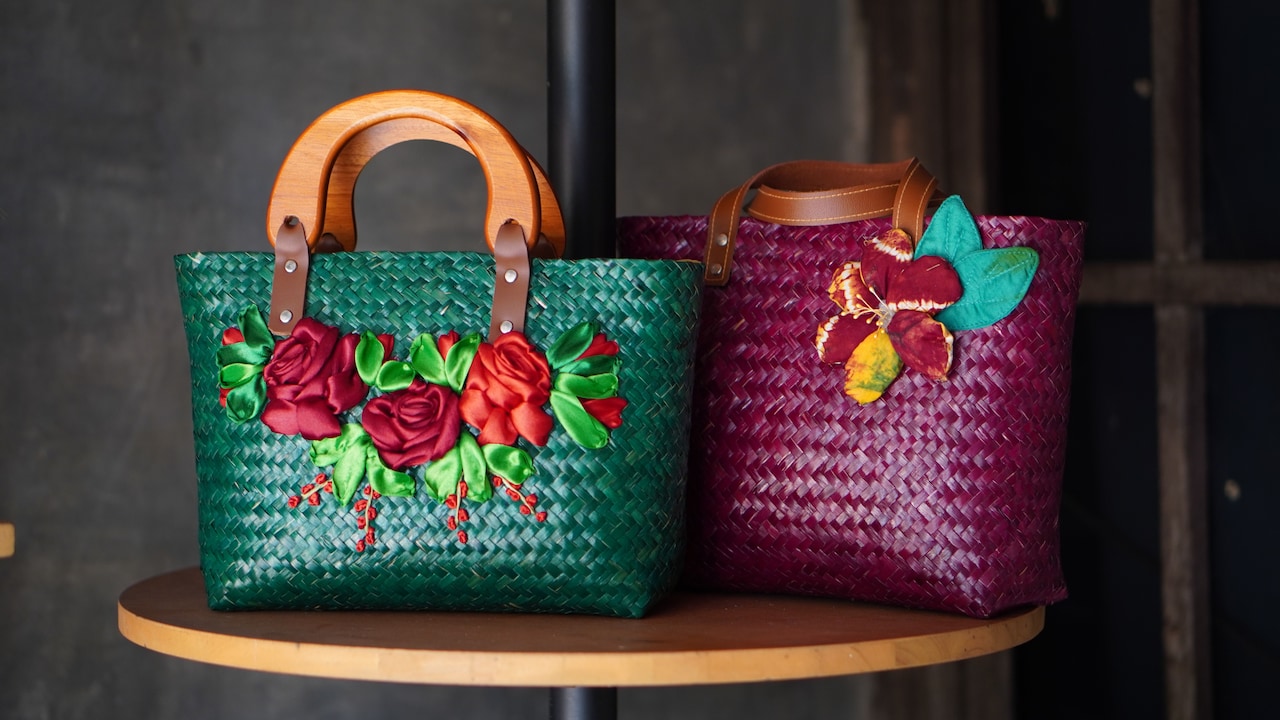
Traditional potli bags often feature drawstring handles that rest around the wrist. These work well for lightweight belongings, although thin cords may become uncomfortable when the bag gets heavy.
Clutches require hand support unless they include detachable chains. A chain strap offers flexibility when you need both hands free for food, photographs, or helping someone manage an elaborate outfit.
Pay attention to the strap's length, width, and attachment points. Metal chains should connect securely to the bag without appearing flimsy. Rough links may also rub against delicate fabrics.
For shoulder bags, check whether the strap sits comfortably without slipping. A crossbody option can be practical for less formal festive outings, particularly when travelling between venues.
Weight is another overlooked factor. A heavily embellished bag might feel manageable initially but become tiring as the evening progresses.
Choose a design that allows you to enjoy the celebration rather than constantly adjusting your accessory.
7. Look At The Stitching, Lining And Overall Construction
An ethnic bag can have exquisite embroidery and still disappoint because of poor construction. While decorative details attract attention, the stitching, lining, and structural support determine how well the accessory performs.
Begin with the seams. Neat, consistent stitching generally suggests better workmanship, particularly around corners, handles, and openings. Loose threads or uneven edges may indicate areas that could weaken with regular use.
Next, examine the lining. A smooth inner layer helps protect belongings from exposed embroidery threads and rough surfaces. It can also reduce friction against items such as sunglasses or phones.
Structured clutches require additional attention. Check whether their frames feel sturdy and whether the fabric sits evenly across the surface. Uneven padding or weak reinforcement may affect the bag's shape.
For potli bags, inspect the base. A reinforced bottom helps distribute the weight of belongings and reduces the chances of sagging.
If you're purchasing online, reviews that discuss stitching quality can offer valuable clues. Photographs showing the inside of the bag are particularly helpful.
Remember that an attractive outer design cannot compensate for weak construction. A well-made ethnic bag should handle ordinary festive use without developing loose seams or damaged corners after a handful of outings.
8. Choose A Bag That Works For More Than One Occasion
It's tempting to purchase a new accessory for every festive outfit, particularly when wedding shopping already involves an endless parade of beautiful options. However, choosing a versatile ethnic bag can save money and wardrobe space.
Consider how frequently you'll use the design after the upcoming celebration.
A heavily embellished bridal-style clutch may look spectacular for a reception but feel excessive for smaller family gatherings. In contrast, a moderately decorated potli in champagne, gold, maroon, or ivory can complement several traditional ensembles.
Neutral metallic shades are especially practical because they pair with different colours. However, versatility doesn't necessarily mean choosing something plain. A colourful embroidered bag can also work across multiple outfits when its design incorporates several complementary shades.
Think about occasions beyond weddings. Could the accessory accompany a festive dinner, family puja, engagement ceremony, or Diwali gathering?
The bag's carrying style matters here, too. A detachable chain allows some clutches to work as both handheld and shoulder accessories.
Rather than buying exclusively for one outfit, consider the existing clothes in your wardrobe.
A versatile ethnic bag doesn't need to match everything. It simply needs enough flexibility to make repeat appearances without looking out of place.
9. Check The Maintenance Requirements Before Making A Purchase
Festive accessories rarely escape an evening completely untouched. Makeup marks, food spills, dust, and accidental contact with perfume can all affect an ethnic bag's appearance.
Before purchasing, consider how easily you can maintain the material.
Velvet requires careful handling because rubbing can disturb its pile. Silk and satin may develop visible marks, while embroidered surfaces need gentle cleaning to protect their decorative elements.
Avoid assuming that every fabric bag can handle machine washing. Many ethnic bags contain cardboard reinforcement, adhesives, metal components, or delicate embroidery that water may damage.
Check the manufacturer's care instructions. Some designs permit gentle spot cleaning, while others require professional attention.
Storage deserves equal consideration. Keep embellished bags away from moisture and direct sunlight. A soft fabric pouch can protect decorative elements from scratches and reduce dust accumulation.
Avoid placing heavy objects over structured clutches because prolonged pressure may affect their shape. Similarly, loosely stuff soft potlis with clean tissue paper when necessary to help maintain their form.
A quick inspection after each celebration can also prevent small problems from worsening.
A little care goes a long way, especially when you've invested in an accessory that deserves more than a single outing.
10. Compare The Price With The Quality And Long-Term Value
Ethnic bags come in a wide price range, from affordable festive accessories to elaborate handcrafted designs. However, a higher price doesn't automatically guarantee better quality.
Before spending, consider what you're actually paying for.
A bag priced around ₹500 may provide sufficient value for occasional use, particularly when it has decent stitching and a practical closure. Meanwhile, a ₹2,500 handcrafted potli might justify its cost through intricate embroidery, quality materials, and careful finishing.
Compare similar products rather than judging the price in isolation. Two bags with almost identical designs may differ significantly in their lining, embellishment quality, and construction.
Pay attention to customer reviews and return policies, especially when ordering online. Colour differences, damaged beads, and misleading size photographs can turn an exciting purchase into a frustrating experience.
Think about cost per use, too. A versatile bag that accompanies several celebrations may offer better value than a cheaper accessory that stays untouched after one wedding.
Seasonal sales can help, but avoid buying something simply because the discount looks impressive.
Set a comfortable budget and prioritise workmanship, functionality, and versatility.
The best ethnic bag isn't necessarily the most expensive one. It's the accessory that looks beautiful, performs reliably, and earns its place in your festive wardrobe.
10 Things To Check Before Buying An Ethnic Bag For Festive Events
Photo Credit: Pexels
Products Related To This Article
1. PLANX Embellished Potli Clutch
2. Mochi Women Gold-Toned Embellished Box Clutch
3. Athizay Textured Bucket Handheld Bag
4. Anouk Embroidered Embellished Envelope Clutch
5. Peora Embellished Sequinned Potli Bag
6. Anekaant Metal Mirage Black Metallic Gold Mosaic Mother-Of-Pearls Clutch
7. VIOLA Embroidered Embellished Box Clutch
Choosing the right ethnic bag involves balancing style with everyday practicality. Beautiful embroidery and striking colours certainly matter, but so do comfortable handles, secure closures, sufficient storage, and durable construction. Before making a purchase, consider your outfit, the type of celebration, and how often you'll use the accessory. A thoughtfully chosen potli, clutch, or ethnic handbag can complement several festive looks while keeping your essentials within reach. After all, weddings and celebrations should revolve around memorable moments, delicious food, and good company, not worrying about whether your handbag can survive another round of dancing.
(Disclaimer: This article may include references to or features of products and services made available through affiliate marketing campaigns. NDTV Convergence Limited (“NDTV”) strives to maintain editorial independence while participating in such campaigns. NDTV does not assume responsibility for the performance or claims of any featured products or services.)