10 Styling Mistakes That Make Short Shrugs Cut The Outfit At An Awkward Point
Short shrugs can make an outfit look stylish or strangely proportioned. Discover 10 common styling mistakes that disrupt your silhouette and simple ways to create a more balanced, flattering look.
10 Styling Mistakes That Make Short Shrugs Cut The Outfit At An Awkward Point
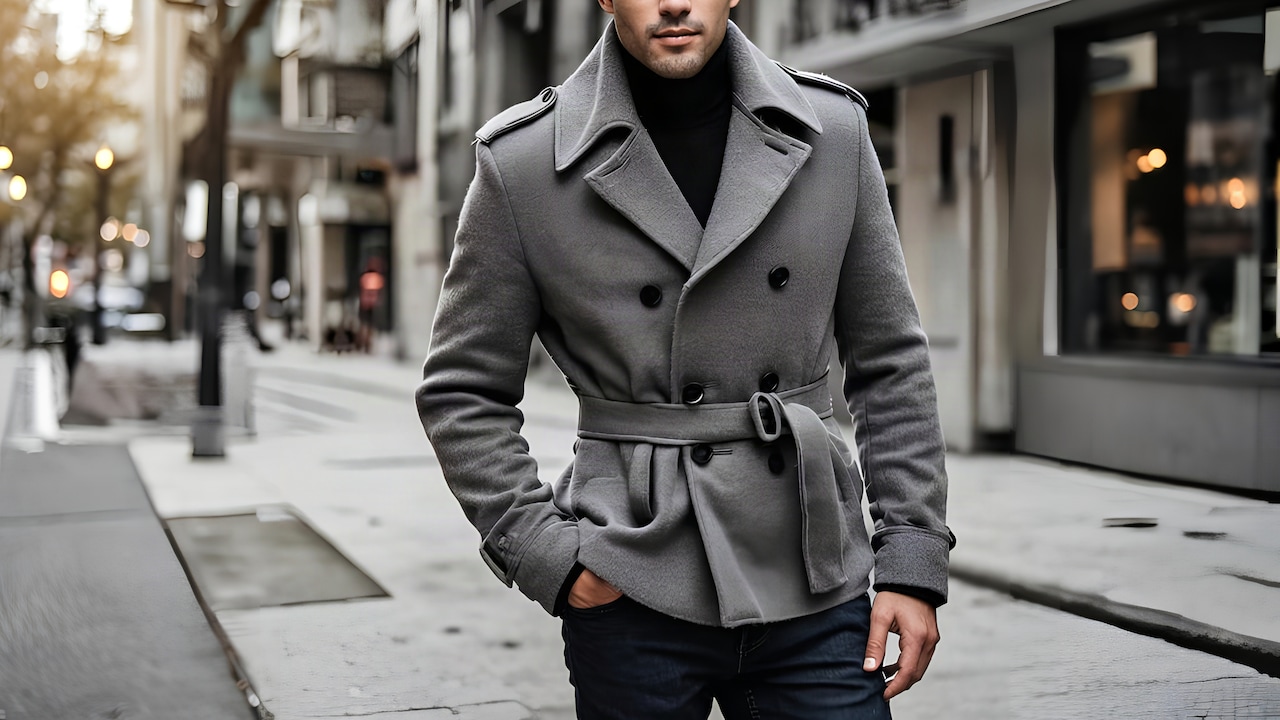
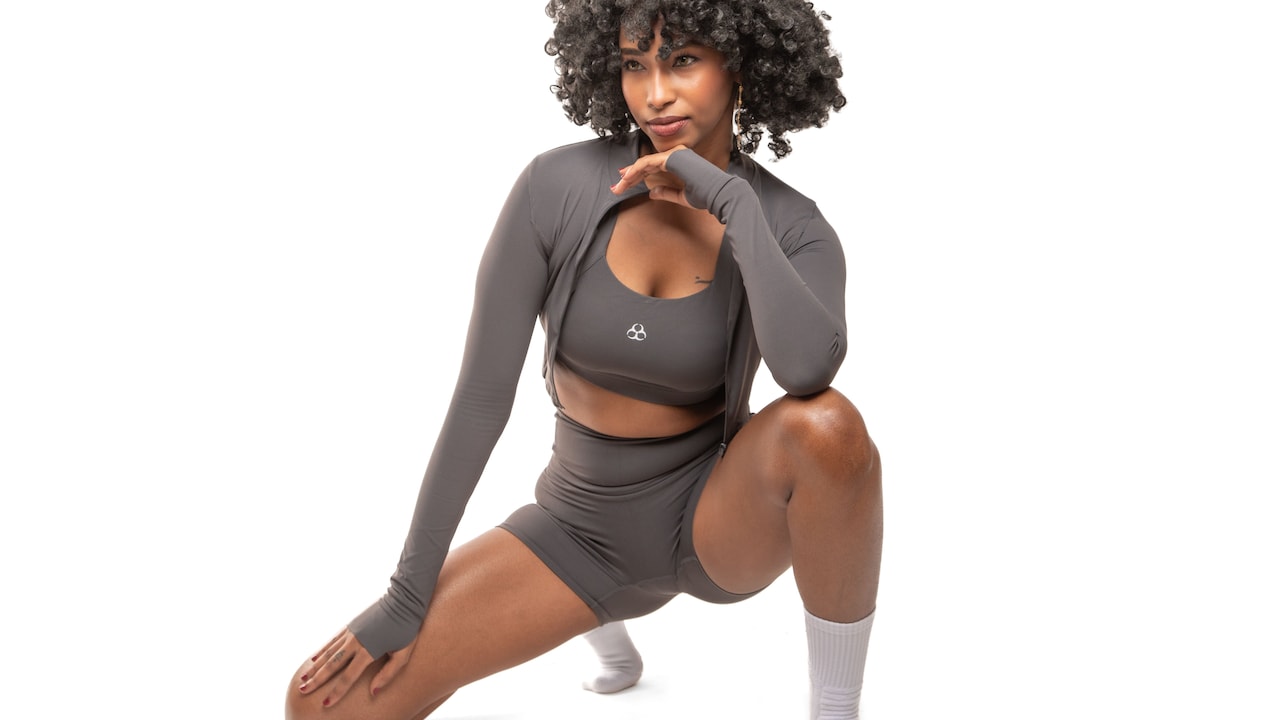
A short shrug can rescue an otherwise ordinary outfit. Throw one over a sleeveless kurti, a fitted dress or a basic top, and suddenly the whole look feels more interesting. It's one of those wardrobe pieces that seems effortless until something looks slightly off. The shrug fits perfectly, the colours complement each other, and the outfit looks lovely on its own. Yet the combination somehow makes the torso appear shorter, the waist disappear or the hips look wider. The problem often comes down to where the shrug ends. Unlike longer layers that create an uninterrupted vertical line, short shrugs introduce a horizontal break across the body. Depending on their length, shape and the clothes underneath, that break can either highlight the waist beautifully or divide the outfit at an awkward point.

10 Styling Mistakes That Make Short Shrugs Cut The Outfit At An Awkward Point
Photo Credit: Pexels
The good news? There's no need to abandon cropped layers or follow complicated fashion rules. A few thoughtful adjustments can make a remarkable difference. Whether you're dressing for work, a family gathering or a casual weekend outing, understanding these ten common mistakes can help your short shrugs work with your outfit rather than against it.
Common Short Shrug Styling Mistakes And How To Fix Them
1. Choosing A Shrug That Ends At The Widest Part Of The Torso
One of the most common styling mistakes involves choosing a shrug that stops exactly where the torso appears widest. This creates a strong horizontal line that draws attention to an area you might not have intended to highlight.
Imagine pairing a cropped shrug with a slightly loose top. If the shrug ends around the lower ribs while the top continues towards the hips, the sudden change in fabric creates an obvious division. Instead of looking like one coordinated outfit, the two pieces seem to compete for attention.
The solution isn't necessarily to choose a longer shrug. Sometimes, moving the hemline just a few centimetres higher makes the outfit look more balanced.
Try a shrug that ends near your natural waist, particularly when wearing high-waisted trousers or skirts. This helps connect the upper layer with the lower half of your outfit.
For straight-cut dresses, experiment with slightly shorter or longer hemlines until the proportions feel comfortable.
Also, check the fit from the side. A shrug might appear perfectly positioned from the front but create an unflattering horizontal line across the back.
The goal isn't to hide your shape. It's to choose a hemline that complements the overall outfit rather than interrupting it.
2. Pairing A Cropped Shrug With A Top That Is Too Long
Long tops and short shrugs can look stylish together, but the combination needs some visual coordination. Otherwise, the outfit may develop too many competing lengths.
Consider a short denim shrug layered over a tunic that reaches mid-thigh. The shrug ends near the waist, the tunic continues towards the thighs, and the trousers create another section underneath.
That's three distinct visual layers before accessories even enter the picture.
While layering adds interest, too many horizontal breaks can make an outfit appear disconnected.
A simple adjustment involves choosing a top that works with the shrug's proportions. For everyday outfits, try pairing a waist-length shrug with a tucked-in T-shirt and high-waisted jeans.
If you prefer longer tunics, choose pieces with a straight silhouette or subtle side slits. These details help the fabric fall naturally without creating unnecessary bulk.
Colour coordination also matters. A shrug and inner top in similar shades create a smoother transition between layers.
For example, a cream shrug over a beige tunic looks more cohesive than two sharply contrasting colours.
Long tops aren't the enemy of short shrugs. The trick lies in creating a clear relationship between the lengths rather than letting every layer establish its own boundary.
3. Wearing A Boxy Short Shrug Over An Equally Loose Outfit
Oversized clothing feels comfortable, especially during long days when fitted outfits seem unnecessarily demanding. However, pairing a boxy shrug with an equally loose inner layer can create an unexpectedly bulky silhouette.
The issue usually appears around the shoulders and upper waist.
A wide shrug adds volume across the upper body, while a loose top underneath continues that volume towards the hips. Without any visible structure, the outfit can resemble two rectangular pieces stacked together.
This doesn't mean every outfit needs a defined waist.
Instead, introduce some contrast between the layers.
If your shrug has a relaxed, boxy shape, wear it over a slightly fitted top or a dress with a clean, straight cut. The inner garment provides structure while the shrug maintains its casual appeal.
Alternatively, if you love oversized kurtis, choose a short shrug with softer fabric and a closer shoulder fit.
Avoid combining stiff fabrics with exaggerated sleeves unless you're deliberately creating a dramatic silhouette.
Even a small adjustment, such as rolling the sleeves or leaving the shrug open, can make the outfit feel lighter.
Comfort and good proportions can coexist. They simply need a little coordination.
Also Read: Upgrade Your Layering Game: Top 5 Shrugs You Can Grab Under ₹1,000
4. Ignoring The Waistline Of High-Waisted Bottoms
High-waisted trousers, jeans and skirts already establish a strong visual waistline. Adding a short shrug introduces another horizontal line, which can either reinforce that proportion or create an awkward gap.
Problems often arise when the shrug ends noticeably below the waistband.
For instance, a cropped cardigan-style shrug might finish around the upper hips while high-waisted jeans begin several centimetres above that point. The overlap hides the natural waist and makes the torso appear longer or less defined than intended.
A better approach involves aligning the shrug's hemline with the waistband or allowing it to finish slightly above.
This creates a cleaner transition between the upper and lower halves of the outfit.
Try pairing high-waisted wide-leg trousers with a fitted top and a shrug that stops near the waist. The combination creates a deliberate silhouette without requiring a belt.
If your shrug falls below the waistband, consider leaving it open so the inner top reveals the waistline.
A neatly tucked top can also restore some structure.
The important detail is visual alignment. When the shrug and bottoms acknowledge the same waistline, the outfit usually feels more intentional.

10 Styling Mistakes That Make Short Shrugs Cut The Outfit At An Awkward Point
Photo Credit: Pexels
5. Choosing A Shrug With Sleeves That Overwhelm The Outfit
A shrug's sleeves can influence proportions just as much as its length.
Bell sleeves, puff sleeves and exaggerated drop shoulders add personality, but they also introduce volume around the upper body.
When combined with a short hemline, oversized sleeves can make the shrug appear wider than it is long. This creates a strong horizontal impression across the torso.
Picture a cropped shrug with dramatic balloon sleeves worn over a loose printed dress. Both pieces demand attention, leaving little visual space for the outfit to settle.
The result may feel unnecessarily heavy, particularly when the shrug ends around the bust or upper waist.
For a more balanced look, pair statement sleeves with streamlined clothing underneath.
A fitted midi dress, narrow trousers or a simple straight-cut kurti allows the sleeves to remain the standout feature.
If your outfit already has gathered fabric, ruffles or embroidered shoulders, choose a shrug with simpler sleeves.
Sleeve length also makes a difference. Three-quarter sleeves can expose the wrists and create a lighter appearance.
There's nothing wrong with dramatic details. Just give them enough breathing room so the outfit looks expressive rather than overcrowded.
6. Creating A Harsh Colour Break At The Wrong Point
Colour can change how we perceive an outfit's proportions, even when the clothes fit perfectly.
A short shrug in a sharply contrasting shade creates a noticeable horizontal boundary wherever its hemline ends.
For example, a bright white shrug over a black dress immediately draws attention to the point where the two colours meet.
If that boundary falls at an awkward position, the contrast exaggerates the interruption.
This becomes particularly noticeable when the shrug is significantly shorter than the garment underneath.
Instead of abandoning contrasting colours, think about how they interact.
A tonal combination, such as chocolate brown with beige or navy blue with powder blue, creates a gentler transition.
Monochromatic layering works particularly well when you want the outfit to appear uninterrupted.
A black shrug over a black top, paired with dark trousers, offers texture without introducing multiple visual divisions.
However, contrasting colours can still look fantastic when the shrug ends at a deliberate point, such as the natural waist.
Accessories can help connect the shades too. A handbag, scarf or pair of shoes that repeats the shrug's colour gives the outfit a coordinated finish.
The secret isn't avoiding contrast. It's making sure the contrast highlights the right area.
7. Layering A Short Shrug Over A Dress With The Wrong Waist Placement
Dresses come with their own proportions, and not every shrug naturally complements them.
An empire-waist dress, for example, has a seam just below the bust. Adding a shrug that ends several centimetres beneath this seam creates two competing horizontal lines.
Similarly, a fit-and-flare dress might have a defined waist that disappears beneath a shrug ending near the hips.
The outfit loses some of the structure that made the dress appealing in the first place.
Before pairing a shrug with a dress, identify where the dress establishes its shape.
For dresses with a defined natural waist, choose a shrug that finishes close to that point.
For empire-waist styles, a shrug that ends near the dress's raised seam can create a more harmonious effect.
A-line dresses with minimal waist detailing offer greater flexibility because they don't have a strong horizontal seam to compete with.
Also, consider the dress's neckline. A deep V-neck or square neckline may look more balanced with an open-front shrug than a closed, buttoned style.
When getting ready for a wedding function or family celebration, try the complete outfit before deciding on accessories.
Sometimes, changing only the shrug's length can make a familiar dress look entirely different.
8. Buttoning Or Tying The Shrug At An Unflattering Height
Short shrugs often feature front buttons, small hooks or tie-up details. These closures seem insignificant, but their placement can change how the entire garment sits.
A tie positioned too high may pull fabric towards the bust, causing the lower hemline to flare outward.
Meanwhile, fastening a shrug tightly around the lower ribs can create tension across the torso.
The fabric then gathers around the closure instead of falling smoothly.
This becomes especially noticeable when wearing a fitted top underneath.
An easy solution is to experiment with wearing the shrug open.
Open-front styling creates two vertical lines along the torso, which can soften the visual impact of a short hemline.
If the shrug has several buttons, fastening only one near the waist may offer a more relaxed appearance.
For tie-front designs, avoid pulling the knot excessively tight. A loose, natural knot often looks better and feels more comfortable.
Check how the shrug behaves when you sit, stretch or move your arms.
An outfit that looks balanced while standing still shouldn't become uncomfortable the moment you reach for your handbag.
Good styling considers movement as much as appearance. After all, nobody wants to spend an entire afternoon adjusting a stubborn little knot.
9. Combining Too Many Statement Details Around The Upper Body
A short shrug already introduces an additional layer near the shoulders and waist. Adding several statement elements in the same area can make the upper half of an outfit appear visually crowded.
Think of a heavily embroidered shrug worn over a printed blouse, paired with a chunky necklace and an embellished dupatta.
Each item might look attractive individually, but together they compete for attention.
The crowded upper section can also make the shrug's short hemline appear more abrupt.
A useful approach involves choosing one main feature and allowing the remaining pieces to support it.
If you're wearing a colourful embroidered shrug, keep the inner top relatively simple.
A plain cotton kurti or solid-coloured dress provides a calmer background for decorative details.
On the other hand, if your outfit features an intricate neckline, choose a shrug with minimal embellishment.
Jewellery can make a difference too. Small earrings or a delicate chain often work better when the shrug already has bold patterns or textured sleeves.
This doesn't mean festive outfits must look understated.
Statement pieces can create beautiful combinations when they share colours, motifs or design elements.
The goal is to establish a visual hierarchy so the eye knows where to focus instead of jumping between several competing details.
10. Forgetting To Check The Outfit From Different Angles
One of the easiest styling mistakes happens before leaving the house: checking an outfit only from the front.
A short shrug might look perfectly proportioned in a mirror, but its back hemline may sit higher than expected.
This happens particularly with stiff fabrics, cropped denim layers and shrugs that fit tightly across the shoulders.
Some designs also feature curved or uneven hemlines that create different proportions from the front and back.
When worn over a dress or long top, these differences can become more noticeable.
Take a moment to examine the outfit from the side and back.
Check whether the shrug rests smoothly across the shoulders and whether the hemline follows the intended shape.
If the back rises excessively, the shrug might be too tight across the upper body.
Sometimes, sizing up solves the problem. In other cases, choosing a softer fabric or different cut works better.
Movement matters too. Raise your arms, sit down and walk around briefly.
If the shrug keeps riding up or bunching around the shoulders, it may not complement the outfit comfortably.
A well-styled outfit should look good beyond a carefully arranged mirror photograph.
When the proportions work during everyday movement, the entire look feels more relaxed and natural.
10 Styling Mistakes That Make Short Shrugs Cut The Outfit At An Awkward Point
Photo Credit: Pexels
Products Related To This Article
1. SASSAFRAS Women Black Ribbed Longline Open Front Shrug
2. Kryptic Open Front Cotton Shrug
3. Sera Women Multicoloured Printed Tie-Up Shrug
4. all about you Geometric Self Design Shawl Collar Shrug
5. Azira Floral Printed Longline Shrug
6. Sangria Women Tasselled Tie-Up Shrug
7. UnaOne Three-Quarter Sleeves Cotton Open Front Shrug
Short shrugs can add structure, colour and personality to outfits without demanding an entirely new wardrobe. However, their cropped length makes proportions particularly important. A misplaced hemline, competing waist seam or excessive volume can interrupt an otherwise attractive combination.
The simplest solution involves paying attention to where different garments meet. Aligning waistlines, balancing fabric volume and choosing complementary colours can make a surprisingly big difference.
Most importantly, styling rules should guide experimentation rather than limit personal taste. Whether you prefer relaxed layers, colourful ethnic outfits or contemporary casualwear, the right short shrug should make your outfit feel complete, not awkwardly divided.
(Disclaimer: This article may include references to or features of products and services made available through affiliate marketing campaigns. NDTV Convergence Limited (“NDTV”) strives to maintain editorial independence while participating in such campaigns. NDTV does not assume responsibility for the performance or claims of any featured products or services.)