Are Pants-Style Diapers Better For Active Babies? A Guide For Parents
Pants-style diapers promise ease and flexibility for active babies. But are they truly better than taped ones? This is a practical look at comfort, cost and convenience to help decide what works best.
Are Pants-Style Diapers Better For Active Babies?
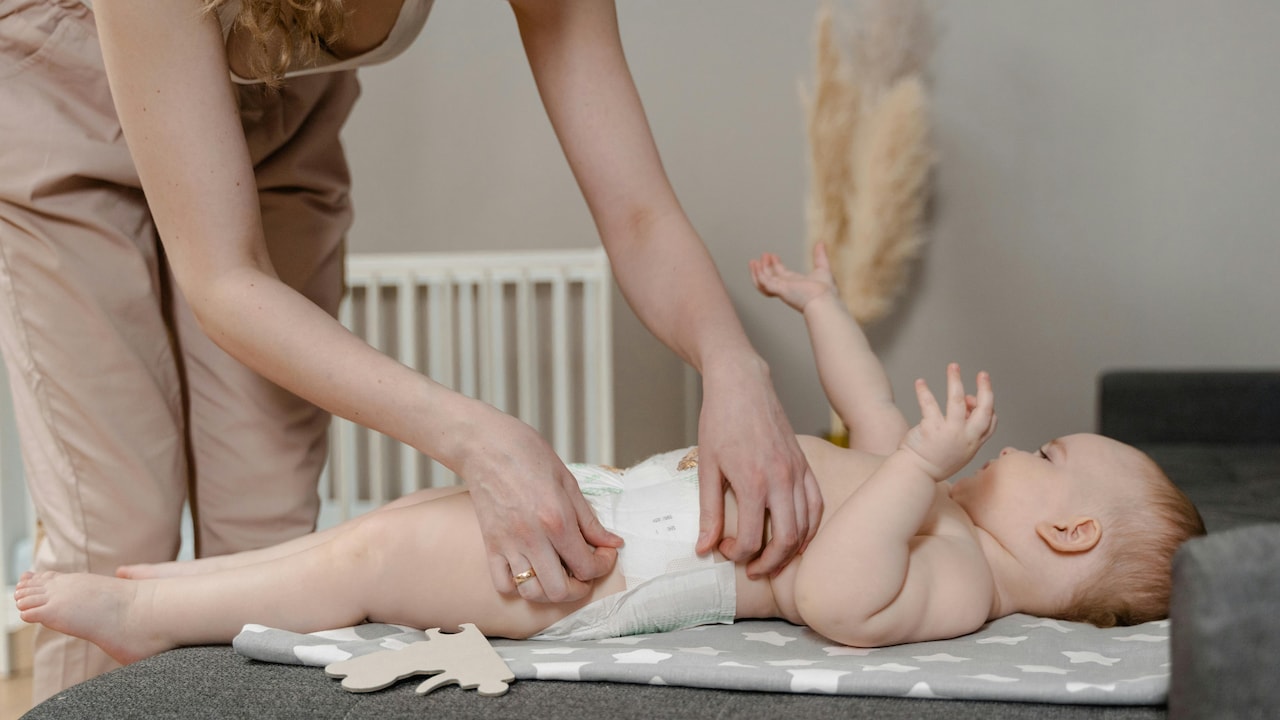
Babies do not stay still for long. One moment they lie peacefully, and the next, they attempt a dramatic roll-off the bed like a tiny stunt performer. Around the crawling and walking stages, traditional diaper changes can turn into a mini wrestling match. Parents often find themselves negotiating with a giggling toddler who has no interest in lying down. This is where pants-style diapers step into the picture. They promise ease, flexibility, and a quicker routine, especially for little adventurers who treat every moment as playtime. Yet, questions linger. Are they just a convenience product, or do they genuinely offer better comfort and protection?
The answer is not as straightforward as a simple yes or no. Every baby is different, and every household runs on its own rhythm. Exploring the advantages and drawbacks in a relatable, everyday context can help make the decision less confusing and far more practical.
Are Pants-Style Diapers Better For Active Babies?; Photo Credit: Pexels
Why Pants-Style Diapers Work For Active Babies
Comfort That Moves With The Baby
Active babies twist, crawl, and sometimes attempt moves that resemble yoga poses. A diaper that restricts movement can quickly become uncomfortable. Pants-style diapers often win here because they fit like snug underwear rather than something taped around the waist.
The elastic waistband adapts to constant motion. It stretches when the baby bends and settles back without leaving marks. During playtime on the floor or a visit to the park, this flexibility can make a noticeable difference. No awkward bunching or pulling distracts the little one.
Comfort also extends to sleep. Babies who move a lot during naps may wake up less irritated when their diaper shifts with them instead of against them. It may not seem like a big deal at first glance, but a content baby often translates into a calmer household.
Still, comfort depends on the fit. A poorly sized pants-style diaper can feel just as uncomfortable as a badly fastened taped one. Choosing the right size becomes crucial.
Also Read: Best Baby Diaper Pants For Everyday Use, Featuring Comfortable Absorption And Hygiene
Ease Of Changing On The Go
Picture this: a quick outing to a crowded market, and suddenly a diaper change becomes urgent. Finding a clean, flat surface is not always easy. Pants-style diapers simplify such situations.
Instead of laying the baby down, one can change them while they stand, holding onto a pram or even leaning against a parent. This reduces stress in public spaces where privacy and hygiene may be limited.
Travel, especially long train or car journeys, becomes more manageable. There is less fumbling with adhesive tabs and more focus on speed and efficiency. The entire process feels smoother, which matters when the baby grows impatient.
However, removing a soiled pants-style diaper requires tearing the sides, which can feel slightly messy compared to unfastening taped ones. Yet, many parents find the trade-off worthwhile for the convenience offered during unpredictable outings.
Leak Protection During High Activity
An active baby does not stay in one position long enough for a diaper to settle. Frequent movement can sometimes lead to leaks, especially with loosely fitted taped diapers.
Pants-style diapers usually feature a more uniform fit around the waist and thighs. This reduces gaps where leaks often occur. Whether the baby crawls across the living room or toddles around the house, the snug design keeps everything in place.
Parents often notice fewer wardrobe changes during the day, which is always a welcome relief. Laundry piles can already feel endless, and reducing them by even a small margin helps.
That said, not all pants-style diapers are equal. Quality matters. Cheaper variants may compromise on absorbency, leading to leaks despite a good fit. Spending a little more, perhaps ₹100–₹200 extra per pack, can sometimes make a noticeable difference in performance.
Are Pants-Style Diapers Better For Active Babies?; Photo Credit: Pexels
Independence And Growing Confidence
As babies transition into toddlers, they begin to assert independence in amusing ways. Wearing pants-style diapers can subtly support this phase.
The design mimics regular underwear, which helps children feel more grown-up. During early potty training stages, this familiarity can ease the transition. Some toddlers even attempt to pull them up or down themselves, turning diaper time into a learning moment.
It creates a sense of participation rather than resistance. Instead of resisting a diaper change, the child may feel involved in the process. This small psychological shift can make daily routines smoother.
Of course, independence also brings unpredictability. A curious toddler might attempt to remove the diaper at the most inconvenient time. Still, this behaviour often signals readiness for the next stage of development.
Skin Health And Breathability
A baby's skin is delicate and reacts quickly to moisture or friction. Pants-style diapers often come with breathable materials that allow better air circulation.
This can reduce the chances of rashes, especially in warm weather. Considering the climate in many regions, where humidity can be high, breathability becomes more than just a marketing term.
The snug fit also prevents constant rubbing, which sometimes occurs with loosely taped diapers. Less friction means fewer chances of irritation.
However, hygiene practices remain crucial. No diaper, regardless of type, can prevent rashes if left unchanged for too long. Regular checks and timely changes matter more than the style itself.
A gentle wipe-down and occasional diaper-free time can further support healthy skin, keeping the baby comfortable throughout the day.
Cost Considerations And Budget Impact
Pants-style diapers often cost slightly more than traditional taped ones. For families managing monthly budgets, this difference can add up.
A pack may cost ₹100–₹300 more, depending on the brand and size. Over a month, especially for babies who require frequent changes, this can feel significant.
However, cost should not be viewed in isolation. Reduced leaks and fewer outfit changes may offset some expenses. Less laundry means saving on water, detergent, and time.
Some families adopt a mixed approach. Pants-style diapers for outings and nights, and taped ones for daytime use at home. This balances convenience and budget without compromising on comfort.
Ultimately, the value depends on individual priorities. For some, ease of use justifies the extra cost. For others, sticking to a tighter budget takes precedence.
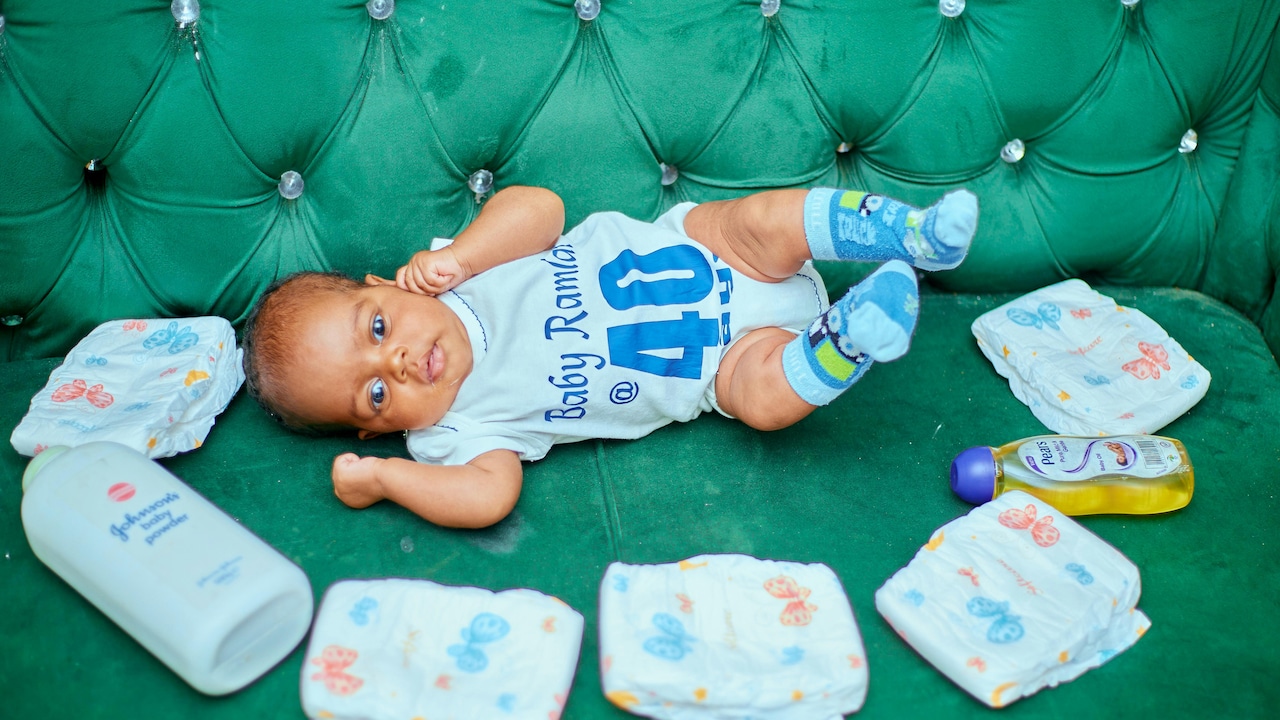
Are Pants-Style Diapers Better For Active Babies?; Photo Credit: Pexels
Night-Time Performance And Sleep Quality
Night-time diapering is a different challenge altogether. Babies move less but stay in one diaper for longer durations. Absorbency becomes the key factor.
Many pants-style diapers perform well overnight due to their snug fit and even distribution of absorbent material. They reduce the chances of sagging, which often causes discomfort.
A well-fitted diaper can mean fewer midnight wake-ups caused by leaks or discomfort. For tired parents, uninterrupted sleep feels like a luxury.
Yet, some babies may still benefit from high-absorbency taped diapers designed specifically for night use. The choice depends on the baby's sleep patterns and frequency of wetting.
Testing a few options helps find what works best. There is no universal solution, only what suits a particular routine.
Environmental Concerns And Disposal
With growing awareness about waste, diaper choices also come under scrutiny. Pants-style diapers, like most disposable options, contribute to landfill waste.
The convenience they offer often comes at an environmental cost. While some brands claim eco-friendly materials, complete biodegradability remains limited.
Parents concerned about sustainability sometimes explore hybrid approaches. Using cloth diapers at home and disposable ones during travel can reduce overall waste.
Proper disposal also matters. Wrapping used diapers securely and disposing of them responsibly helps maintain hygiene in shared living spaces.
Balancing convenience and environmental responsibility can feel tricky, but small adjustments can make a meaningful difference over time.
Suitability Across Different Stages
Not every stage of a baby's growth demands the same diaper style. Newborns, for instance, benefit more from taped diapers due to frequent changes and delicate skin.
As the baby grows more active, pants-style diapers become more practical. The shift usually happens naturally, guided by the baby's movement and behaviour.
Toddlers, especially those learning to walk, often find pants-style diapers more comfortable. They allow unrestricted movement, supporting physical development.
Understanding these stages helps avoid unnecessary expense or inconvenience. Instead of sticking rigidly to one type, adapting to the baby's needs can simplify daily routines.
Flexibility often proves more useful than loyalty to a single product style.
Real-Life Parenting Moments
Every parent has faced the classic “diaper change struggle.” A baby flips over mid-change, crawls away, and giggles as if it is a game. Pants-style diapers often turn this chaos into a manageable task.
In many households, mornings feel rushed. Getting a baby ready while juggling other responsibilities requires efficiency. A quicker diaper routine can ease the rush slightly.
Even grandparents, who may not be used to modern diaper designs, often find pants-style options simpler after a brief adjustment. The intuitive design reduces confusion.
These small everyday moments shape the overall experience. Convenience is not just about saving time; it is about reducing stress and creating smoother routines.
Sometimes, the simplest changes bring the most noticeable relief in a busy household.
Products Related To This Article
1. Huggies Complete Comfort Wonder Pants
2. Pampers Premium Care Pant Style Baby Diapers
3. Little's Premium Baby Diapers S Size (Small) Pants Style
4. Little Angel Easy Dry Pull-up Diaper Pants with 12 hours of Absorption Extra Large
5. Jr. Sr. Baby Diaper Pants
Pants-style diapers offer clear advantages for active babies. They provide flexibility, ease of use, and better adaptation to constant movement. For parents navigating busy days and unpredictable outings, they can feel like a practical upgrade.
Yet, they are not a one-size-fits-all solution. Cost, baby's comfort, and specific needs all play a role in deciding what works best. A balanced approach often delivers the most satisfaction.
Parenting rarely follows a fixed rulebook. It evolves with every stage, every milestone, and every unexpected moment. Choosing the right diaper style is just one of many small decisions that shape the journey.
In the end, the best choice is the one that keeps both the baby comfortable and the household running a little more smoothly.
(Disclaimer: This article may include references to or features of products and services made available through affiliate marketing campaigns. NDTV Convergence Limited (“NDTV”) strives to maintain editorial independence while participating in such campaigns. NDTV does not assume responsibility for the performance or claims of any featured products or services.)