Why Do Some Anarkalis Add Bulk Instead Of Flow? A Fit Guide
Some Anarkalis look graceful, while others feel bulky. The secret lies in fabric, flare, tailoring and styling. This guide explains what adds volume and how to choose silhouettes that flow beautifully.
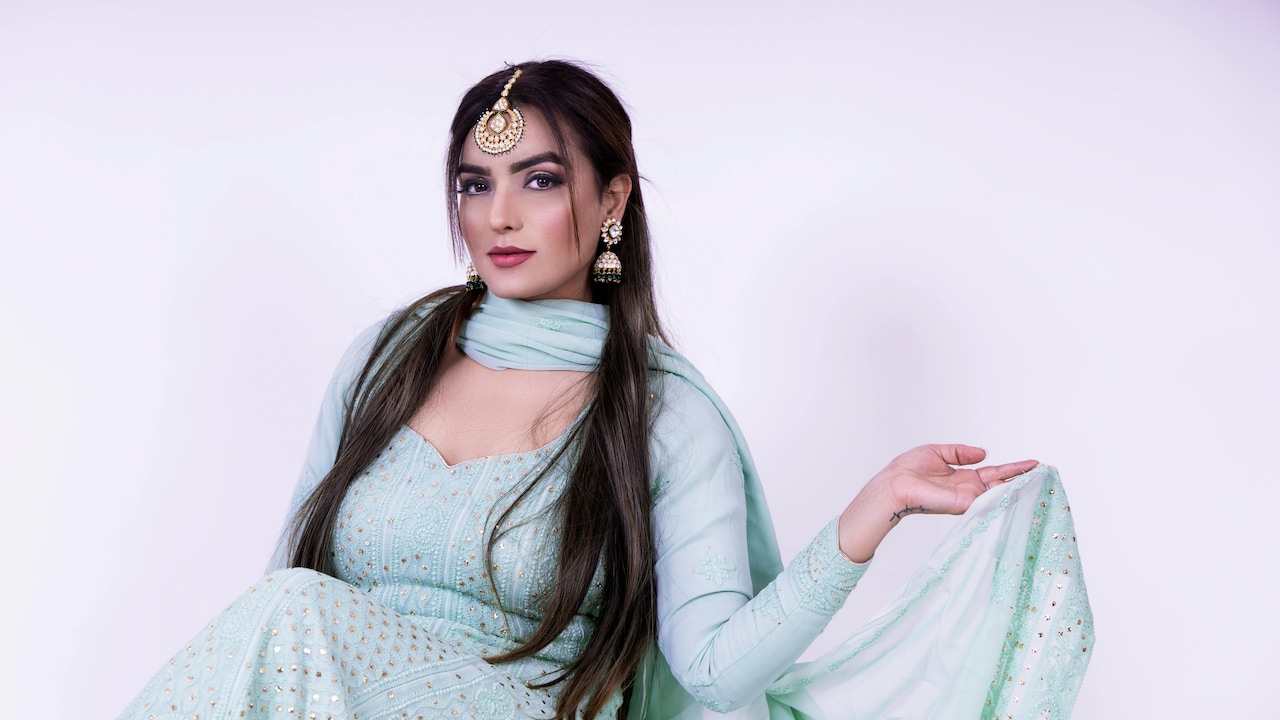
Anarkali Fit Guide: Why Some Styles Add Bulk And How To Avoid It
Anarkalis hold a timeless place in festive wardrobes. They carry nostalgia, grandeur, and a certain cinematic charm that instantly recalls royal courts, wedding celebrations, and family gatherings filled with colour and music. Yet not every Anarkali delivers that dreamy, floating elegance many hope for. Sometimes, instead of creating graceful movement, the silhouette appears stiff, oversized, or heavier than expected. That disconnect often causes frustration. After all, an outfit that looked breathtaking on a mannequin or in a boutique mirror may feel entirely different during an actual event. The issue usually has less to do with body shape and more to do with design elements that alter proportion. Fabric weight, excessive can-can layers, poor tailoring, and misplaced embellishments often create unnecessary visual volume.
Understanding these details can save both money and wardrobe regret. Spending ₹8,000 on an elaborate outfit only to feel uncomfortable all evening is hardly ideal. The beauty of an Anarkali lies in movement, balance, and harmony. With thoughtful choices, this classic attire can flatter beautifully rather than overwhelm. Knowing what creates bulk is the first step towards choosing styles that truly flow.
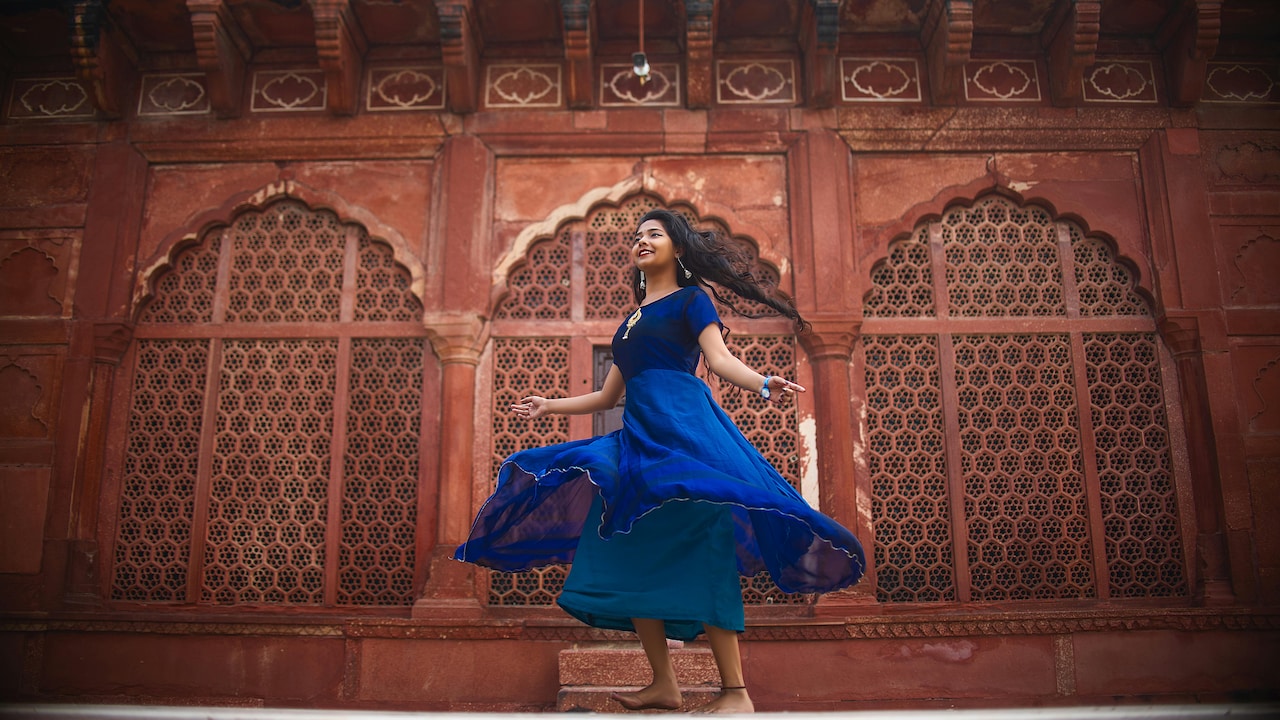
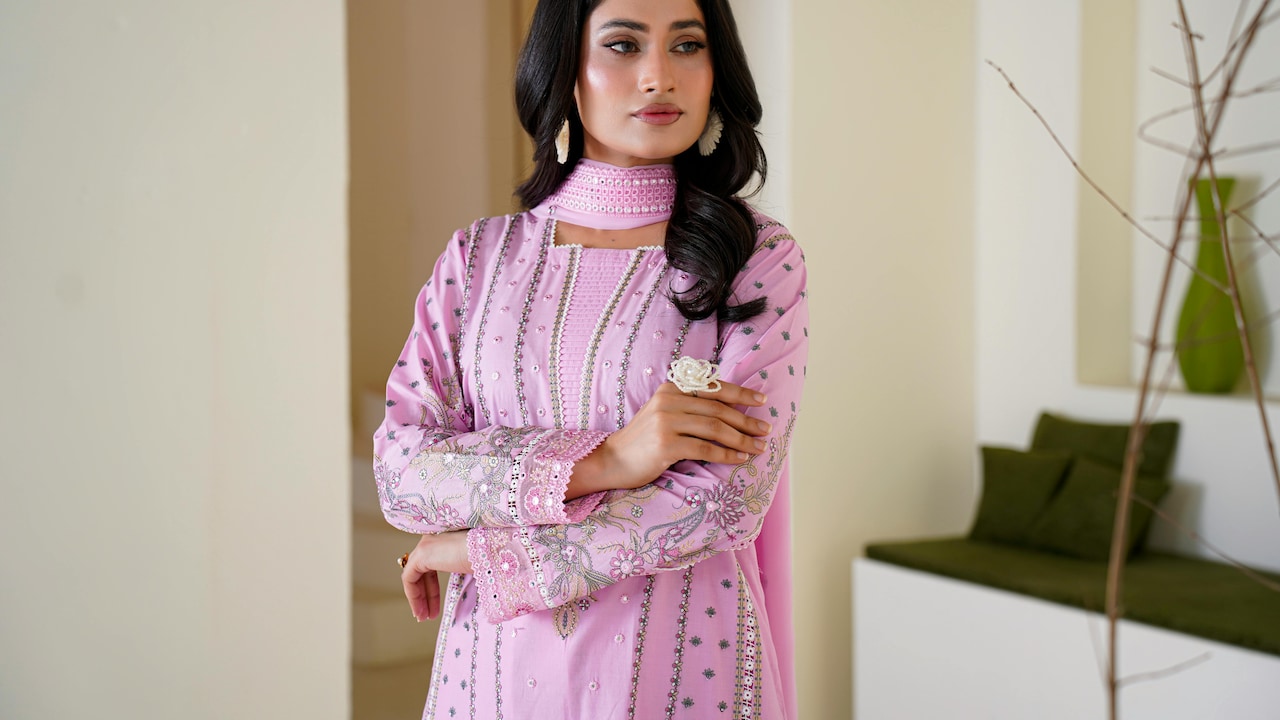
Anarkali Fit Guide: Why Some Styles Add Bulk And How To Avoid It; Photo Credit: Pexels
Understanding Why Some Anarkalis Add Bulk Instead Of Flow
The Fabric Choice Changes Everything
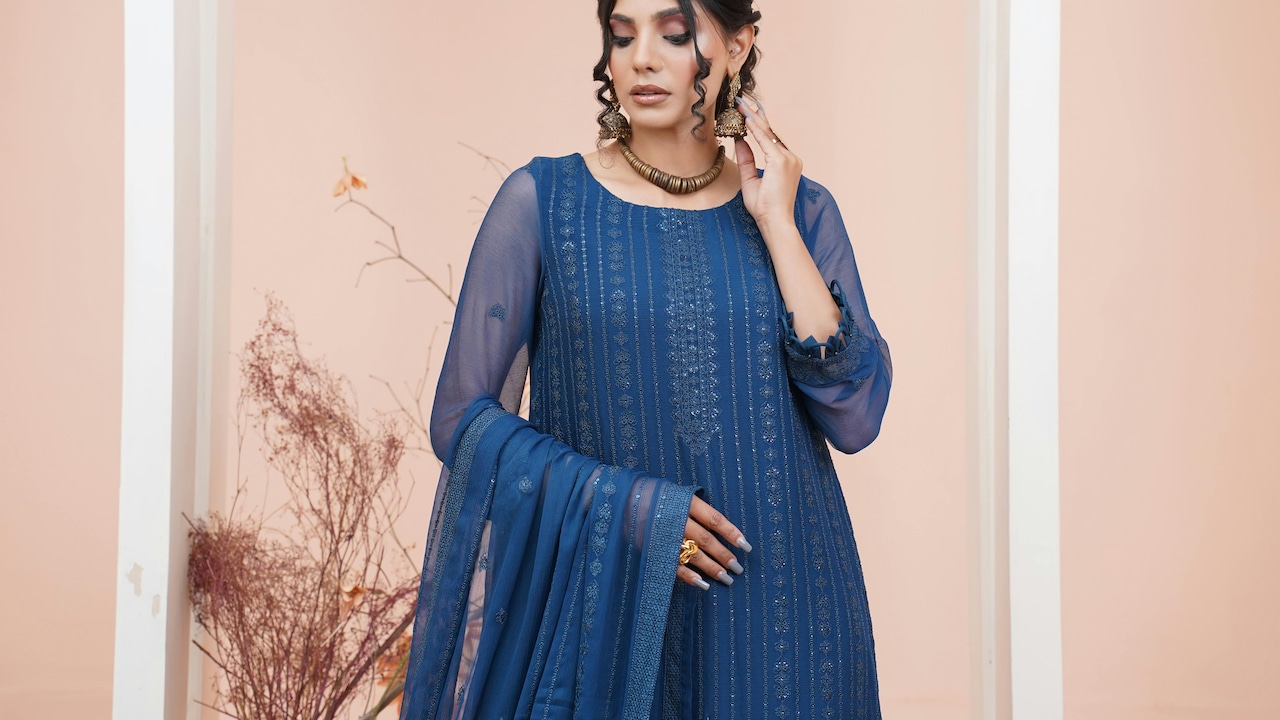
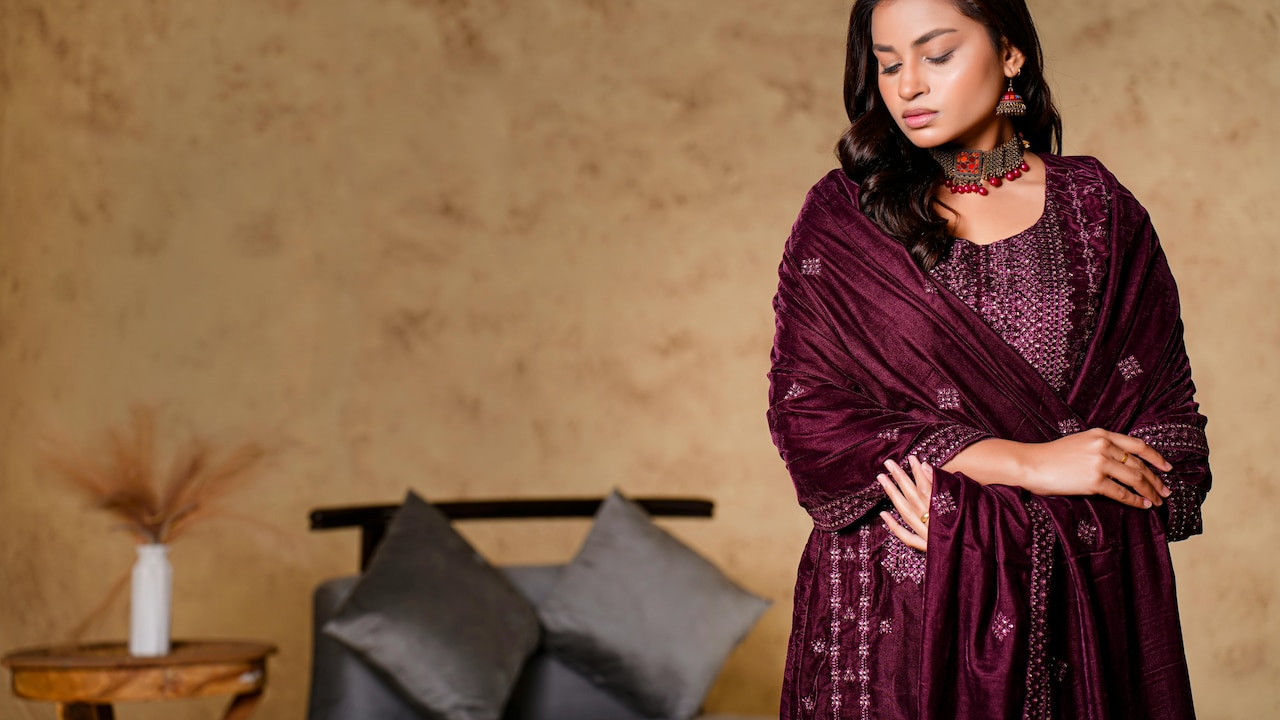
Fabric forms the very soul of an Anarkali. Heavy brocades, stiff silks, and thick velvets often create a regal appearance, but they can also add substantial visual weight. Instead of draping softly, these materials may stand outward, making the garment appear larger and more rigid.
Lightweight fabrics such as georgette, chiffon, crepe, or soft cotton blends usually encourage fluidity. These materials move naturally with the body, creating that sought-after swirl without exaggerating proportions. Imagine twirling at a cousin's sangeet and feeling graceful rather than trapped in a decorative lampshade.
The lining matters just as much. Even a delicate outer fabric can lose elegance if paired with a bulky synthetic inner layer. Poorly chosen linings create stiffness and trap heat, which proves especially unforgiving during humid celebrations.
Selecting fabric requires balancing occasion and comfort. While heavier textiles suit winter weddings or formal evening events, softer materials often offer more versatility. The right choice ensures the outfit complements movement rather than restricting it. In fashion, comfort and silhouette often share a closer relationship than many realise.
Excessive Flare Can Overwhelm The Frame
Flare often defines an Anarkali's drama, but too much can quickly cross into costume territory. Designers sometimes add numerous panels or excessive gathers to create grandeur, yet this abundance may drown the natural shape of the wearer.
A well-designed Anarkali should skim and flow, not engulf. Overly voluminous skirts can create width where none is desired, particularly for petite frames. The result may feel less Mughal elegance and more accidental stage production.
Balance remains key. Moderate flare offers movement without overpowering proportions. Strategic panel cuts can maintain fullness while preserving structure. In many cases, fewer kalis actually create a more refined and flattering look.
Practicality matters too. Navigating crowded wedding venues, climbing stairs, or sitting comfortably becomes significantly harder when carrying metres of extra fabric. Style should never require battling one's own hemline throughout the evening.
The most flattering Anarkalis create harmony between the bodice and the skirt. They celebrate shape while allowing graceful movement. More fabric does not always equal more elegance, and often, restraint delivers the strongest visual impact.
Also Read: From Assymetrical To Cape Style: Find Out Which Anarkali Kurta Suits You The Best
Poor Tailoring Disturbs Natural Flow
Even the finest fabric and design can fail under poor tailoring. Fit around the bust, shoulders, and waist determines how an Anarkali falls from the body. When these foundational areas lack precision, the outfit often balloons awkwardly.
A loose yoke may create unnecessary puffiness around the torso, while tight fittings can pull fabric in unflattering ways. Both extremes disrupt the seamless transition from structured bodice to flowing hem.
Tailoring mistakes frequently appear in mass-produced pieces. Standard sizing rarely accommodates diverse body proportions, making alterations essential. An off-the-rack purchase worth ₹5,500 may still require custom adjustments to achieve its true potential.
Length also influences appearance. Anarkalis that bunch excessively at the ankles can seem heavy and cumbersome. Ideally, the hem should graze the floor or ankles gracefully without dragging.
Good tailoring creates elegance that feels almost invisible. It supports shape without obvious intervention. Investing in proper alterations transforms even simpler outfits into polished ensembles. Sometimes, the difference between bulky and breathtaking lies in the hands of a skilled tailor rather than the designer label.
Embellishments Can Add Invisible Weight
Embroidery, sequins, zari, beads, and stonework often enhance beauty, but excessive embellishment can create visual and physical heaviness. Ornate detailing concentrated around the waist, hips, or lower skirt can amplify bulk dramatically.
Large motifs or dense embellishments tend to draw attention to specific areas, which may distort proportions. A heavily adorned hemline, for instance, can weigh down fabric movement and reduce fluidity.
Strategic embellishment works far better. Delicate embroidery near the neckline or sleeves can preserve elegance without overwhelming the silhouette. Subtle sparkle often appears more sophisticated than head-to-toe shimmer.
Weight matters physically, too. Heavy embellishments can make an outfit tiring over long celebrations. After several hours of dancing, dining, and endless photographs, cumbersome detailing may feel less glamorous.
Fashion often celebrates extravagance, but thoughtful restraint can feel equally luxurious. A well-placed threadwork design may offer more charm than kilograms of sequins. In many wardrobes, the most re-worn pieces are those that balance beauty with wearability.
Layering And Can-Can Often Create Unnecessary Volume
Can-can layers can undoubtedly create dramatic flair, but overuse often transforms elegant movement into stiff expansion. Excessive underlayers force the skirt outward unnaturally, creating bulk rather than softness.
While some occasions call for structured grandeur, everyday festive dressing usually benefits from lighter support. Too much can-can can make movement awkward and seating uncomfortable, which rarely suits long celebrations.
Layering multiple fabrics may also contribute to overheating, especially during summer events. Comfort becomes crucial when celebrations stretch across several hours under bright lights and crowded spaces.
A softer approach often works best. Minimal layering preserves silhouette while allowing natural drape. Selective use of structure near the hem can maintain volume without overwhelming the garment.
Modern styling increasingly favours breathable elegance over rigid extravagance. The shift reflects practical fashion choices that honour tradition while adapting to real-life comfort. An Anarkali should feel like a graceful extension of style, not architectural engineering.
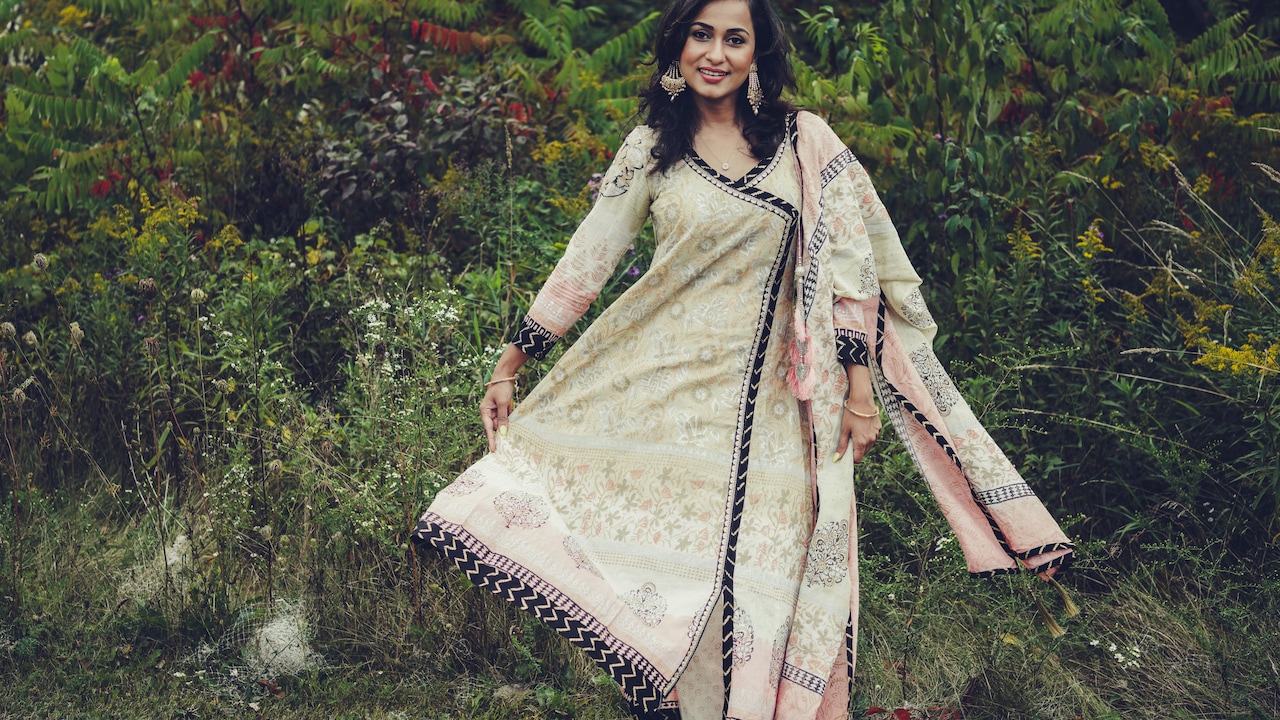
Anarkali Fit Guide: Why Some Styles Add Bulk And How To Avoid It; Photo Credit: Pexels
Body Proportion Plays A Major Role
Not every silhouette suits every frame equally, and understanding proportion helps avoid unnecessary bulk. Empire waistlines, floor-length cuts, and panel placement can dramatically alter visual balance.
For shorter frames, overly long or heavily flared Anarkalis may compress height. Taller wearers may carry dramatic cuts more easily, though excessive volume can still appear overwhelming.
Necklines also influence perception. High necks combined with heavy flare may create a crowded visual effect, while V-necks or scoop necks often elongate the upper body.
Sleeves matter too. Full sleeves with embellished cuffs can add weight, whereas lighter sleeve designs preserve balance.
Style should celebrate individuality rather than blindly follow trends. Recognising personal proportions allows smarter shopping decisions. The perfect Anarkali does not simply look beautiful on display; it complements the wearer's natural shape with confidence and ease.
Colour And Print Influence Perceived Volume
Visual bulk often extends beyond physical fabric. Large prints, horizontal patterns, and overly bright contrasting elements can make an outfit appear fuller than intended.
Dark or jewel-toned shades typically create a sleeker effect, while lighter shades with excessive detailing may enhance volume. Vertical motifs or subtle prints often elongate the silhouette beautifully.
Colour blocking requires careful execution. Contrasting borders placed awkwardly may visually shorten or widen the frame. Meanwhile, monochromatic palettes often encourage seamless elegance.
Print scale matters significantly. Oversized florals or bold motifs can dominate petite figures, while smaller, refined patterns usually preserve proportion.
Choosing colour strategically transforms the overall aesthetic. A thoughtfully selected palette can make a ₹3,000 outfit look couture-worthy, while poor visual design can diminish even expensive ensembles. Fashion thrives on illusion as much as construction.
Dupatta Styling Can Make Or Break The Look
The dupatta often acts as the finishing touch, yet improper draping can add surprising bulk. Heavy fabrics, excessive pleating, or awkward placement across the torso may obscure the outfit's silhouette.
A heavily embroidered dupatta paired with an ornate Anarkali can feel visually overwhelming. Instead of enhancing elegance, it may create unnecessary layering.
Lighter drapes usually work best. Softly pinned dupattas or open-flowing styles preserve movement while adding sophistication. The goal lies in complementing, not competing with, the outfit.
Proportion matters here, too. Oversized dupattas may swamp smaller frames, while appropriately scaled options maintain balance.
Styling choices often separate polished looks from cluttered ones. A well-draped dupatta can elevate an ensemble effortlessly, while poor execution may undermine even the finest tailoring.
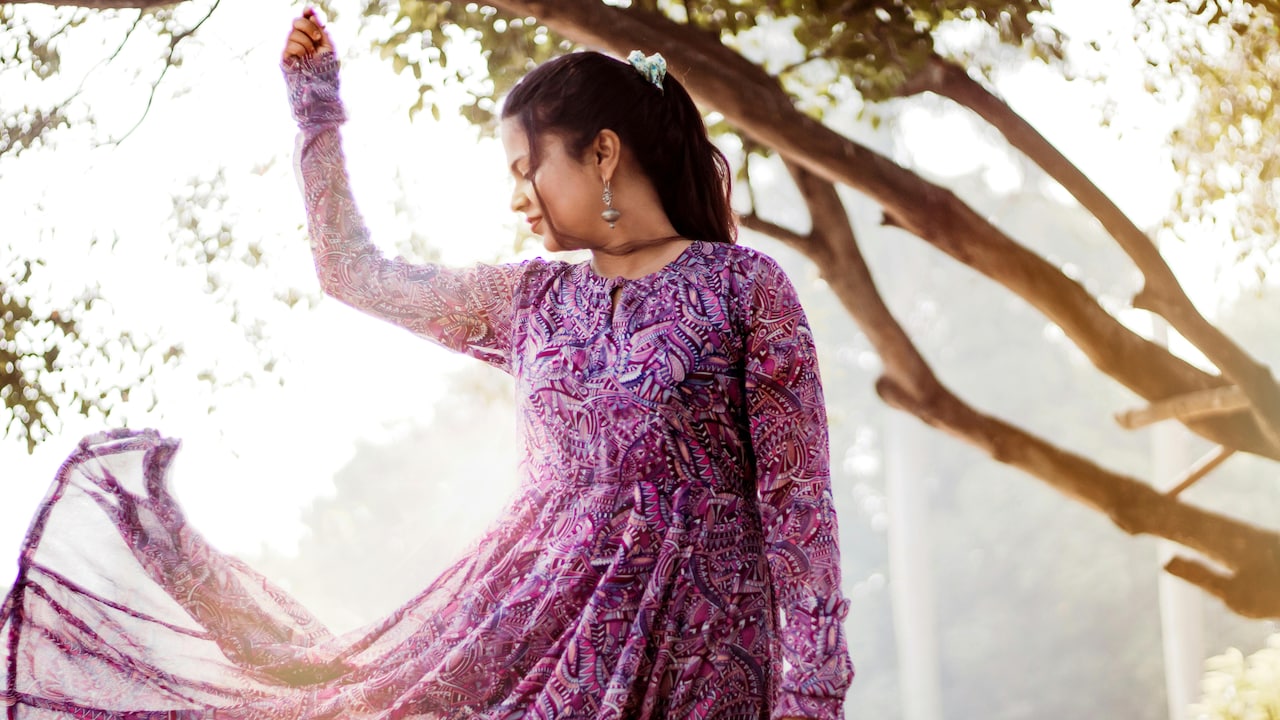
Anarkali Fit Guide: Why Some Styles Add Bulk And How To Avoid It; Photo Credit: Pexels
Occasion Matters More Than Trends
Fashion trends often glorify dramatic silhouettes, but practicality should guide final decisions. A heavily layered velvet Anarkali may suit a winter reception beautifully, but feel unbearable at a daytime summer function.
Context shapes style success. Breathable fabrics, manageable flare, and lighter embellishments often prove wiser for intimate gatherings or outdoor events.
Following trends blindly can lead to costly mistakes. Just because exaggerated silhouettes dominate social media does not mean they suit every setting. Spending ₹12,000 on a trending outfit that remains unworn after one event offers little satisfaction.
Timeless style often prioritises versatility. Choosing pieces that adapt across occasions ensures better value and repeated wear.
True elegance comes from wearing clothing that feels appropriate, comfortable, and authentic. Trends may inspire, but thoughtful dressing always wins.
Confidence Is The Ultimate Styling Tool
Even the most perfectly tailored Anarkali loses charm without comfort and confidence. Clothing should support self-expression rather than create insecurity.
Feeling physically weighed down often translates into visible discomfort. Tugging at layers, adjusting flare, or struggling with heavy fabrics affects posture and presence.
The best outfits allow effortless movement and natural confidence. They let personality shine brighter than embellishment. Fashion should feel empowering, not burdensome.
Choosing flattering silhouettes, breathable materials, and thoughtful design ultimately enhances both appearance and experience. The right Anarkali feels graceful from the first fitting to the final dance.
Style is never solely about trends or price tags. Whether an outfit costs ₹2,500 or ₹25,000, confidence remains its strongest feature. When comfort meets craftsmanship, true elegance follows naturally.
Products Related To This Article
1. Sangria Embroidered Anarkali Kurta
2. ANANDITA Women Embroidered Thread Work Anarkali Kurta
3. Rangita Women Floral Embroidered Anarkali Kurta
4. IKRASS Checked Round Neck Anarkali Kurta
5. YASH GALLERY Plus Size Printed Anarkali Kurta
Anarkalis possess enduring charm, blending heritage with sophistication in ways few garments can rival. Yet their beauty depends heavily on thoughtful design choices. Fabric, flare, tailoring, embellishment, layering, and styling all determine whether the result feels ethereal or unnecessarily bulky.
Understanding these elements transforms shopping from guesswork into informed decision-making. Rather than chasing excess, selecting balance often creates the most flattering and wearable outcomes.
The ideal Anarkali should move with grace, celebrate individuality, and offer comfort throughout every festive moment. It should never feel like a burden hidden beneath sequins and structure.
Fashion thrives when tradition meets practicality. By choosing silhouettes that prioritise flow over bulk, timeless elegance becomes effortlessly achievable.
(Disclaimer: This article may include references to or features of products and services made available through affiliate marketing campaigns. NDTV Convergence Limited (“NDTV”) strives to maintain editorial independence while participating in such campaigns. NDTV does not assume responsibility for the performance or claims of any featured products or services.)