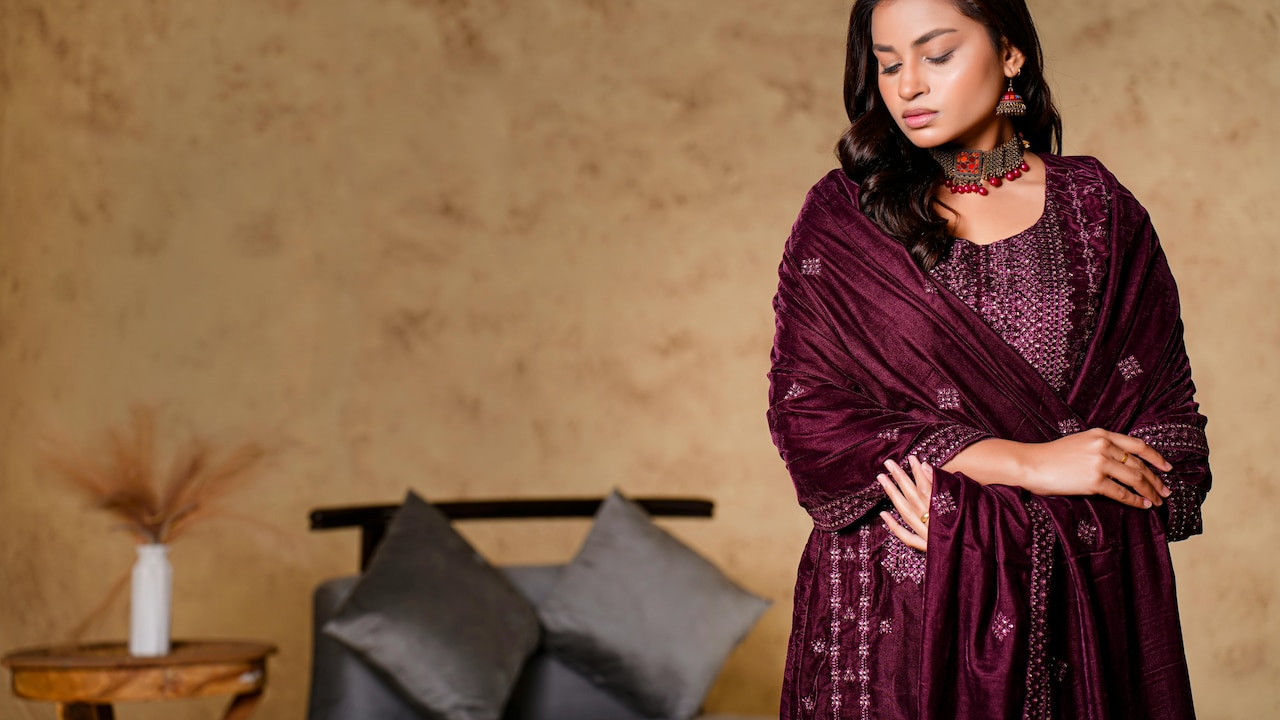
Why Do Cotton Kurtas Feel Stiff After Washing? Here Is What Actually Works
Stiff cotton kurtas after washing often result from hard water, detergent buildup, or harsh drying. Simple laundry tweaks like gentler washing, vinegar rinses, and proper drying can restore softness and keep favourite outfits comfortable.
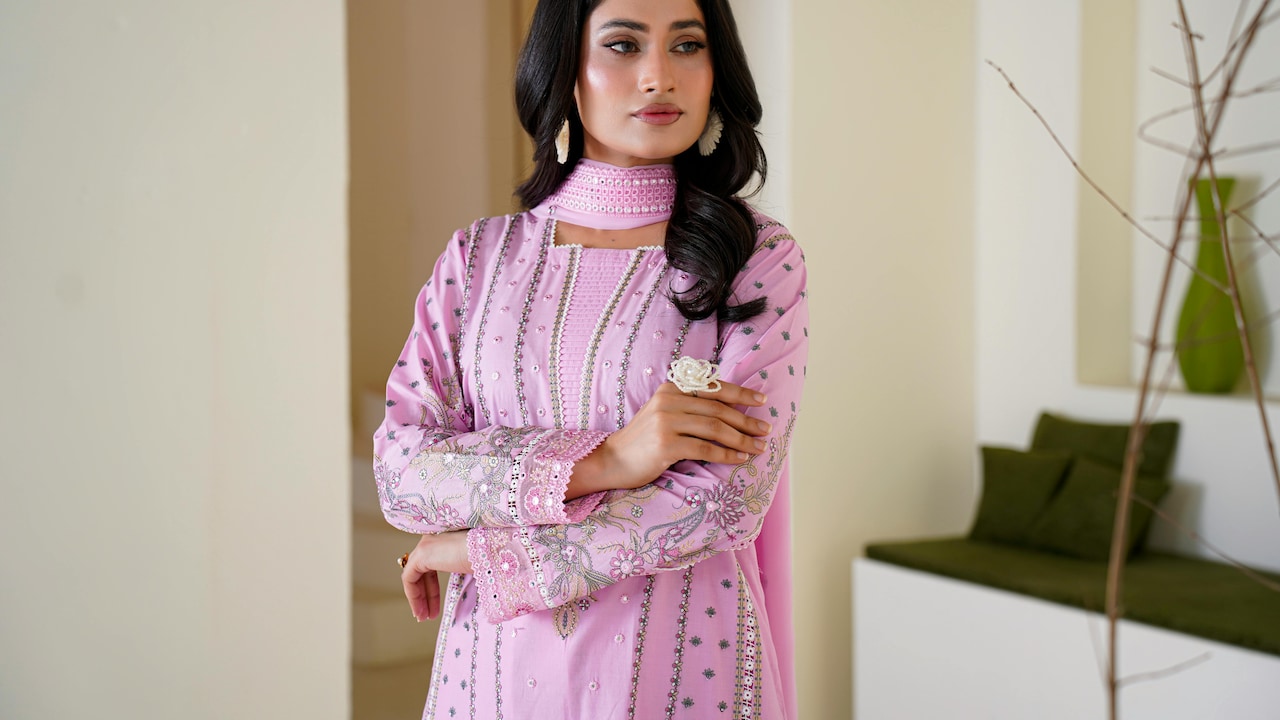
Different reasons for cotton kurtas feeling stiffer after every wash
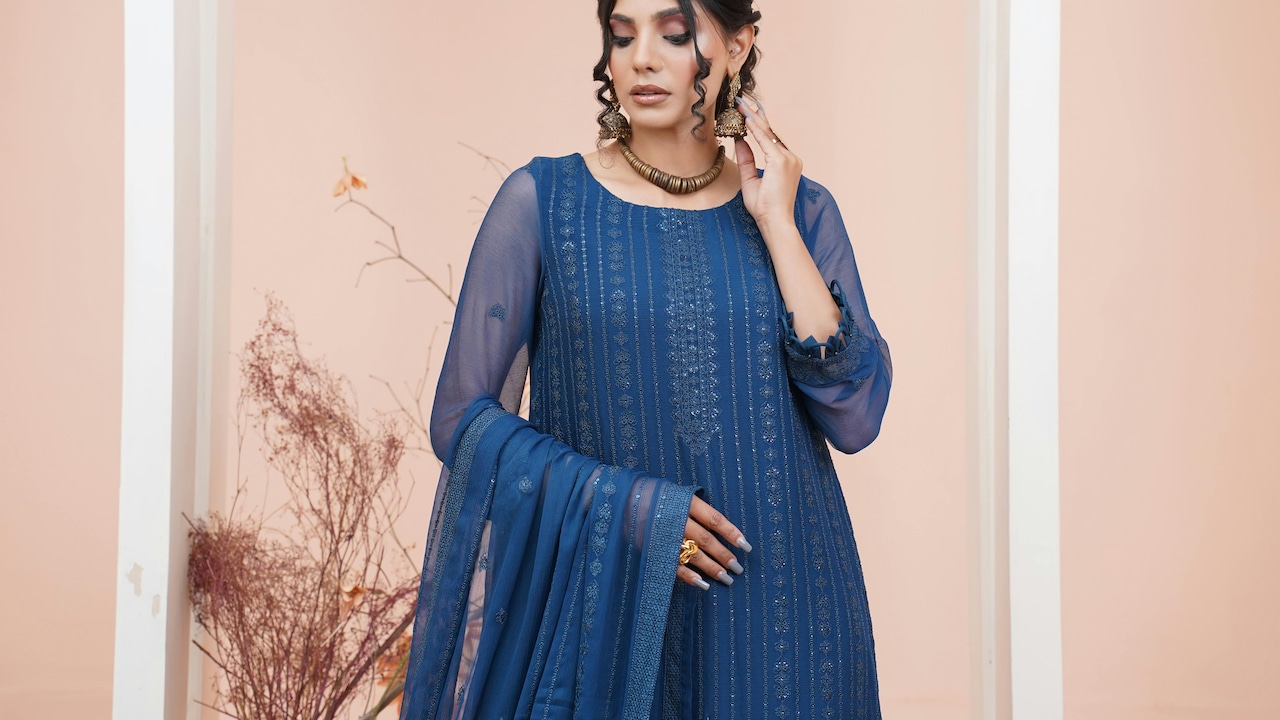
Cotton kurtas hold a special place in everyday wardrobes. They suit bustling office mornings, festive gatherings, casual chai outings, and everything in between. Their airy comfort often makes them a first choice, especially when temperatures soar, and synthetic fabrics feel unbearable. But there is one recurring heartbreak many face. After washing, the once-soft kurta can emerge feeling stiff enough to rival cardboard. This transformation often sparks frustration. Some blame poor fabric quality, while others assume it is simply unavoidable. In truth, cotton is naturally soft, but it responds deeply to how it is cared for. Hard water, detergent residue, fabric treatment, and drying habits all influence texture more than most realise.
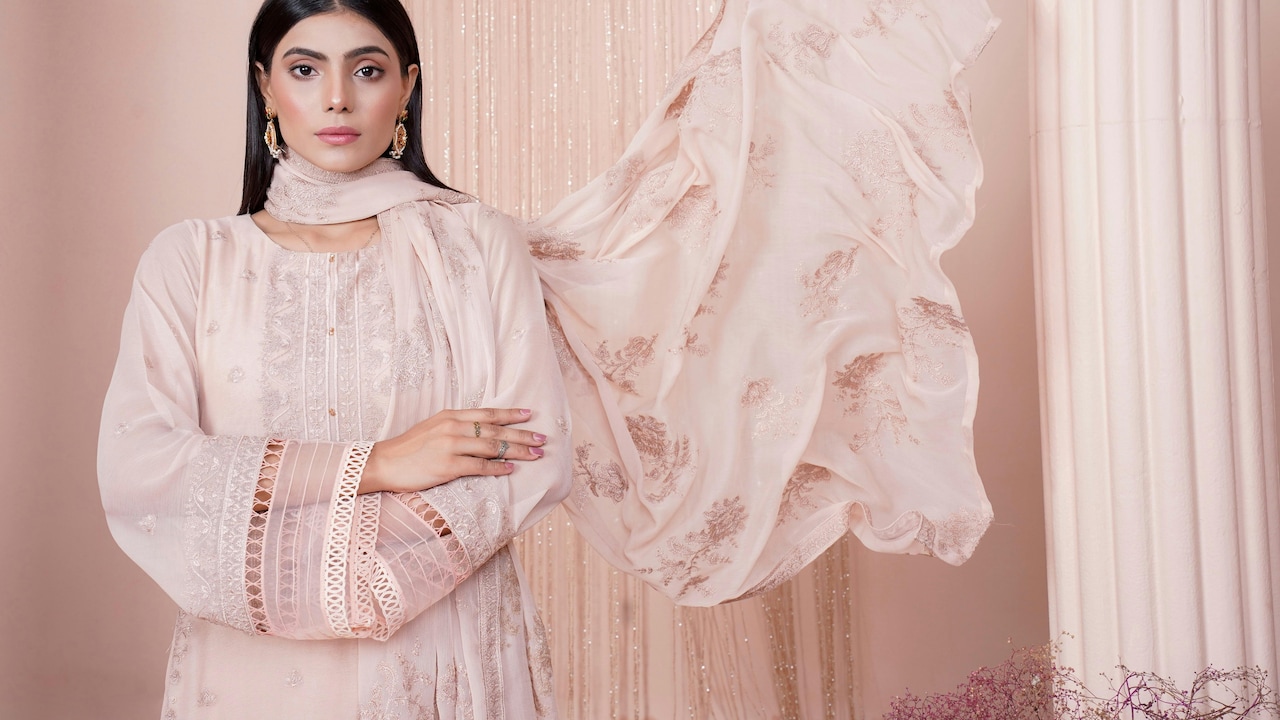
Common reasons why some cotton kurtas turn stiff after washing; Photo Credit: Pexels
The mystery behind stiff kurtas is not as complicated as it seems. Small changes in laundry routines can preserve softness without expensive fabric products or endless trial and error. Whether it is a treasured chikankari kurta or an everyday block print favourite bought for ₹800 at a local market, proper care can make all the difference.
Here is what actually causes stiffness and, more importantly, what truly brings back that breezy softness.
Also Read: Top 5 Long Cotton Kurtis For Women Under ₹1000 On Myntra
What Really Causes Cotton Kurtas To Turn Stiff After Washing And How To Fix It
Hard Water Is Often The Hidden Villain
Many households unknowingly battle hard water every laundry day. Water rich in minerals like calcium and magnesium can cling to cotton fibres during washing. Instead of rinsing clean, these minerals settle into the fabric, leaving kurtas feeling rough and rigid.
This issue becomes especially common in urban areas where borewell or municipal water often carries heavy mineral content. Even the gentlest detergent cannot fully combat this buildup if the water itself causes trouble. Over time, cotton loses its smoothness, and each wash seems to worsen the problem.
A practical solution lies in adding white vinegar during the rinse cycle. Vinegar helps dissolve mineral deposits naturally without damaging delicate embroidery or prints. Another option involves water softeners, though these may feel less budget-friendly.
Simple habits can also help. Using filtered water for the final rinse may sound excessive, but for cherished garments, it often works wonders. Cotton thrives when fibres remain free from residue. Once hard water minerals stop coating the fabric, softness usually returns surprisingly quickly.
Too Much Detergent Can Backfire
There is a common assumption that more detergent equals cleaner clothes. In reality, excessive detergent often creates the opposite effect for cotton kurtas. Surplus soap rarely rinses out completely, especially in handwashing or semi-automatic machines.
The leftover residue stiffens fibres, making the fabric feel crunchy rather than fresh. Bright prints may also appear dull over time. That “extra clean” scent may come at the cost of softness.
Mild liquid detergents designed for delicate fabrics usually outperform heavy powders. Powders can remain trapped in seams and folds, particularly in detailed kurtas with pleats or embellishments. Measuring detergent carefully matters more than many realise.
For regular wear kurtas, less is often more. A second rinse can dramatically improve texture. Cotton benefits from breathing room, not chemical overload. Think of it like over-seasoning a home-cooked dal. Too much of one ingredient ruins the balance.
Choosing gentle cleansers and avoiding detergent excess helps preserve both softness and colour, ensuring kurtas feel inviting wash after wash.
Overdrying In Harsh Sunlight Makes Fabric Brittle
Sun-drying remains a long-standing tradition, and for good reason. Fresh air and sunlight naturally disinfect clothing. However, prolonged exposure to intense midday heat can strip cotton of its flexibility.
When kurtas hang under harsh sun for too long, fibres tighten excessively. The result feels coarse, faded, and sometimes slightly scratchy. Darker shades may suffer even more, losing vibrancy alongside softness.
Drying in partial shade often proves far kinder. Morning sunlight works beautifully without causing unnecessary stiffness. Turning garments inside out also protects colours while reducing direct fibre damage.
The difference can feel remarkable. A kurta dried thoughtfully often retains movement and softness, while one baked for hours can feel uncomfortably rigid.
Traditional habits sometimes need slight adjustments rather than complete abandonment. Sun remains useful, but moderation is key. Cotton, much like skin during peak summer, prefers gentle exposure over relentless intensity.
Fabric Softeners Are Not Always The Best Answer
Many turn immediately to commercial fabric softeners when kurtas lose softness. While these products may offer temporary smoothness, they often coat fibres rather than solving underlying issues.
This coating can build up over time, reducing cotton's breathability. For garments meant to keep wearers cool and comfortable, that trade-off hardly feels ideal. Some softeners may also irritate sensitive skin, particularly during humid weather.
Natural alternatives frequently work better. White vinegar, baking soda, or even a final rinse with hair conditioner diluted in water can soften cotton effectively without heavy residue.
A simple kitchen staple often outperforms expensive laundry aisle promises. Spending ₹250 on a softener every month may not deliver lasting benefits when a far cheaper household remedy does the job.
True softness comes from maintaining fibre health, not masking roughness. Cotton responds best to care methods that respect its natural qualities rather than artificially coating them.
Starching Can Cause Unwanted Rigidity
Some prefer crisply starched kurtas for formal occasions, but accidental starch residue can make everyday garments feel unpleasantly stiff. Certain detergents or laundry services may include starch without clear notice.
While structured cotton can look polished, excessive stiffness reduces comfort dramatically. Daily wear kurtas should ideally flow with ease rather than stand upright on their own.
Checking laundry labels and communicating preferences to local dhobis can prevent this issue. Home washing also allows better control over what touches the fabric.
If starch buildup already exists, soaking kurtas in warm water with vinegar can gradually break it down. A few careful washes often restore natural softness.
Comfort and elegance need not compete. Cotton shines brightest when it balances neatness with ease, rather than resembling freshly ironed table linen.
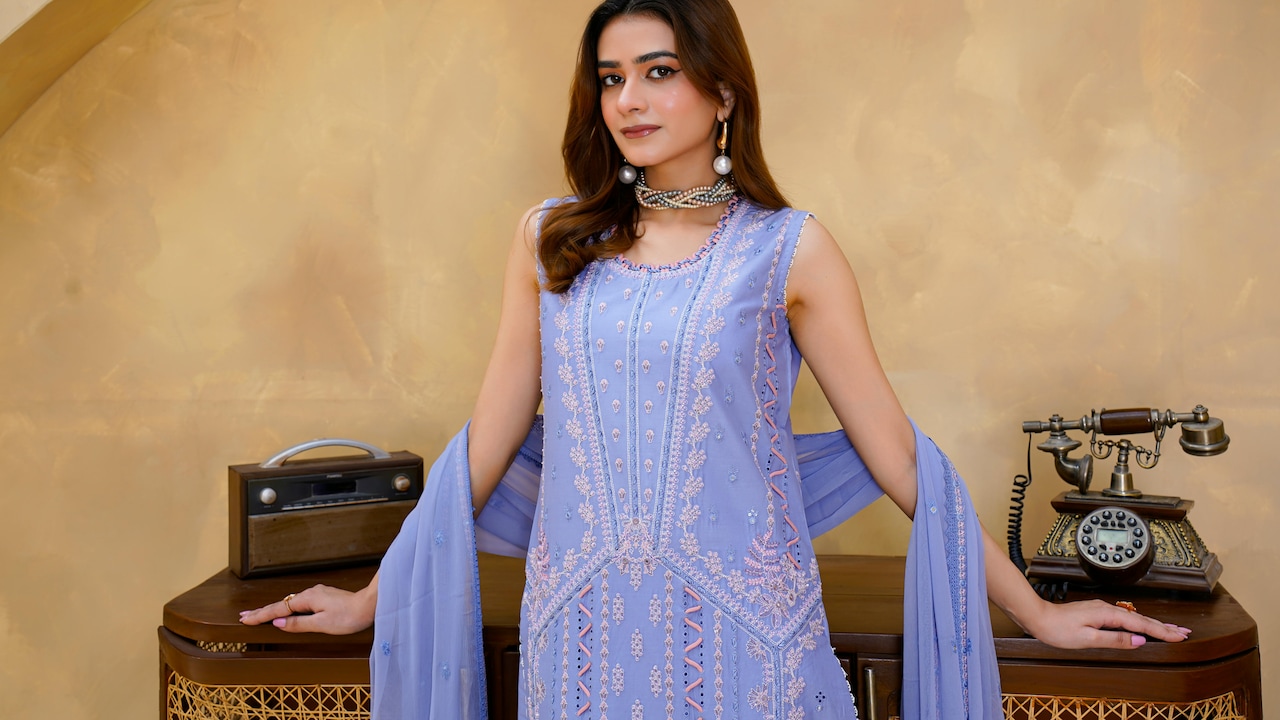
Soak kurtas in warm water and vinegar to break down starch buildup; Photo Credit: Pexels
Washing Machines May Be Too Rough
Modern washing machines save time, but aggressive spin cycles can twist cotton fibres harshly. This mechanical stress often contributes to stiffness, particularly in lightweight or handwoven kurtas.
Delicate settings exist for a reason. Gentle cycles reduce wear while preserving texture. Overloading machines can worsen fibre damage, as garments rub excessively against each other.
Mesh laundry bags offer extra protection for embroidered pieces. Handwashing remains an excellent choice for premium kurtas, though it requires patience.
Treating cotton with care during washing pays off significantly. Just as fragile bangles need careful handling, soft fabrics deserve similar respect.
Convenience should never completely override garment longevity. Small adjustments in machine settings can keep kurtas soft and wearable for far longer.
Ironing Technique Matters More Than Expected
Improper ironing can lock stiffness into cotton rather than smoothing it out. High heat without moisture often flattens fibres too aggressively, creating dryness.
Using steam or lightly dampening kurtas before ironing can preserve softness beautifully. Steam relaxes fibres instead of scorching them. Many traditional ironing methods, especially heavy dry pressing, may unintentionally harden fabric further.
A quality steam iron may cost around ₹2,500, but it often proves worthwhile for frequent cotton wearers. Even simpler methods, such as placing a damp cloth over the garment, can help.
Ironing should enhance comfort, not merely appearance. Soft, flowing cotton feels just as elegant as sharply pressed attire, often more so.
Storage Conditions Can Affect Texture
Even perfectly washed kurtas can stiffen if stored poorly. Humid wardrobes, overcrowded shelves, or prolonged folding may compress fibres.
Cotton benefits from breathable storage spaces. Fabric covers work better than plastic containers, which can trap moisture. Refolding garments occasionally also prevents permanent creases and stiffness.
Adding neem leaves or lavender sachets offers freshness while naturally protecting clothes. Traditional wisdom often carries practical brilliance.
Storage may seem minor, but it shapes how garments feel when worn again. A kurta deserves better than being crammed into an overstuffed cupboard corner.
Quality Of Cotton Makes A Real Difference
Not all cotton kurtas are created equal. Lower-quality cotton blends may naturally stiffen faster after washing due to shorter fibres or synthetic mixing.
Pure cotton, mulmul, and handloom fabrics generally maintain softness better when cared for properly. While premium options may cost more initially, they often offer greater comfort and durability.
Spending ₹1,500 on a better-quality kurta may prove wiser than repeatedly replacing cheaper alternatives that lose charm quickly.
Understanding fabric composition empowers smarter shopping choices. Sometimes, the stiffness problem begins not in the laundry basket but at the checkout counter.
Simple Home Remedies Often Work Best
Grandmothers often knew best when it came to fabric care. Home remedies such as vinegar rinses, baking soda soaks, and gentle handwashing consistently outperform many commercial quick fixes.
These methods remain affordable, accessible, and effective. They restore softness naturally while preserving cotton's breathable beauty.
Laundry care need not feel overly technical. Sometimes, small, thoughtful habits transform outcomes more than expensive products ever could.
Soft cotton kurtas are not a luxury. With the right approach, they remain a dependable everyday pleasure.
Products Related To This Article
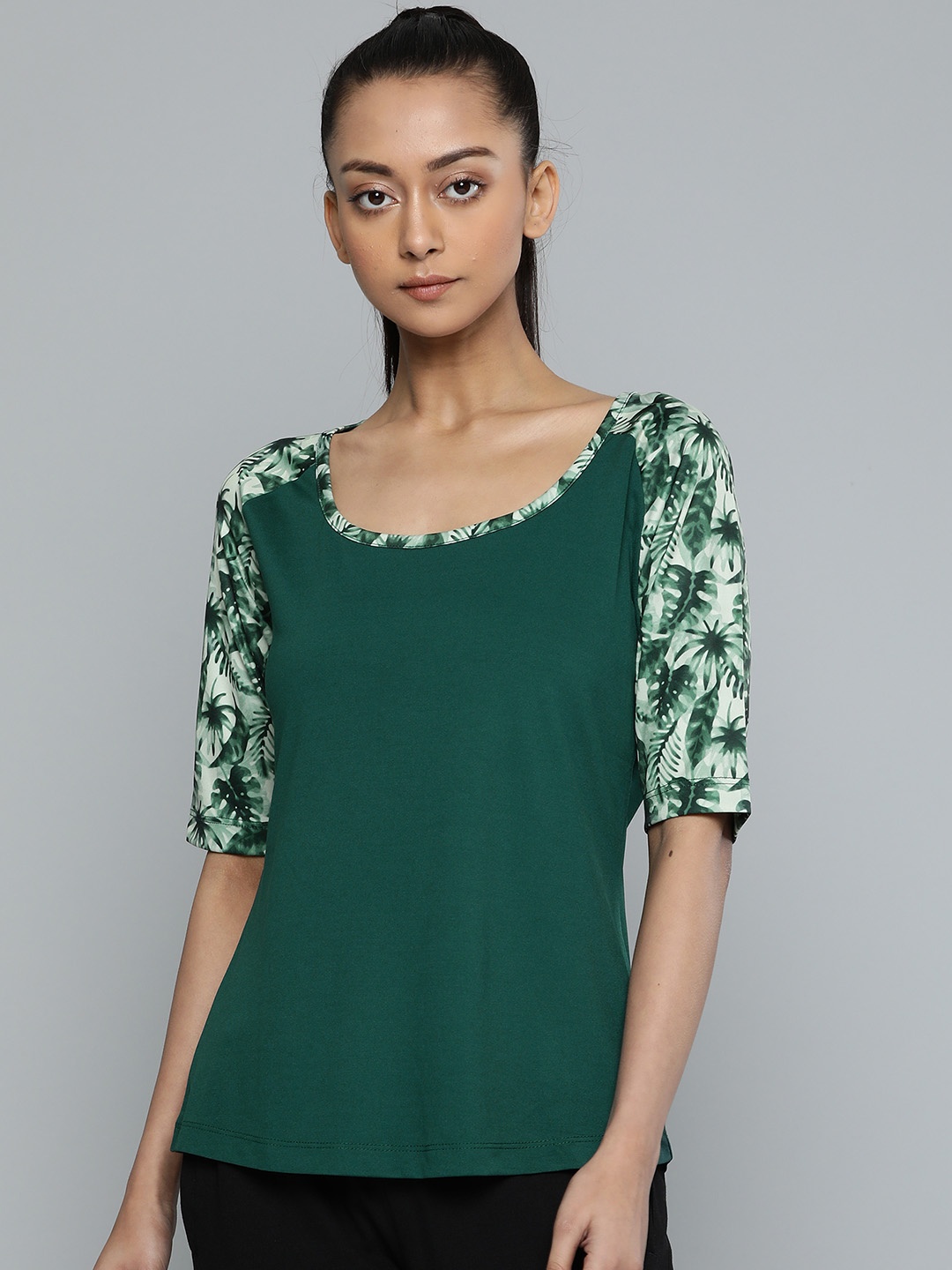
1. Taavi Women Kalamkari Printed Pure Cotton High-Low Shirt Kurta
2. Vishudh Floral Printed V-Neck Cotton Straight Kurta
3. KPF Women Embroidered Floral Kurta
4. Anouk Floral Printed Round Neck Cotton Straight Kurta
5. Libas Woven Design V-Neck Pure Cotton Straight Kurta
Cotton kurtas turning stiff after washing may feel frustrating, but the solution rarely requires dramatic changes or costly interventions. In most cases, stiffness stems from manageable factors such as hard water, excess detergent, overwashing, harsh sunlight, or improper storage.
The beauty of cotton lies in its simplicity, and caring for it should reflect the same principle. Gentle detergents, natural softening methods, moderate drying, and mindful handling can preserve that beloved softness for years.
A favourite kurta should feel like comfort, not compromise. Whether worn for festive elegance or daily ease, cotton deserves thoughtful care. By understanding what actually works, wardrobes can remain filled with garments that feel as good as they look — soft, breathable, and effortlessly timeless.
(Disclaimer: This article may include references to or features of products and services made available through affiliate marketing campaigns. NDTV Convergence Limited (“NDTV”) strives to maintain editorial independence while participating in such campaigns. NDTV does not assume responsibility for the performance or claims of any featured products or services.)