Are Puffer Jackets Good for Winter? A Practical Guide To Warmth And Comfort
Puffer jackets are everywhere during winter, but are they practical or just trendy? This guide breaks down warmth, comfort, and everyday usability to help decide if one truly earns a place in the wardrobe. Here are 10 things to know about puffer jackets before buying one for yourself.
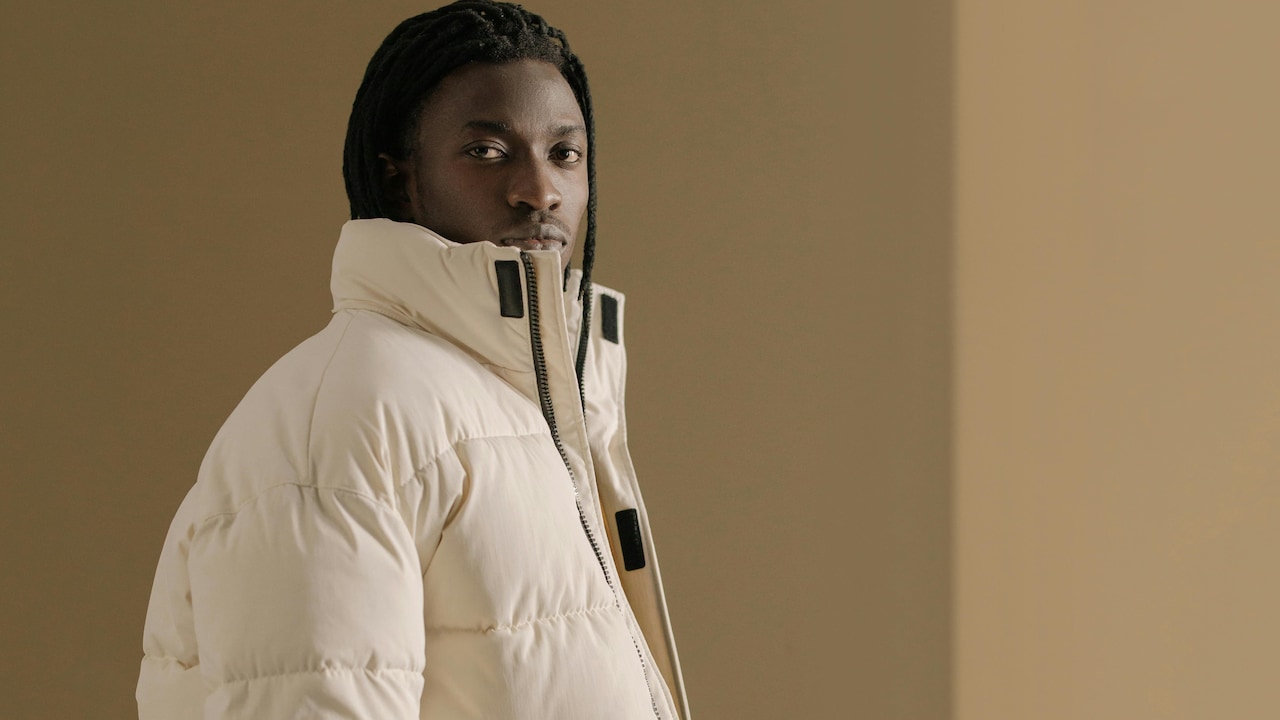
Puffer Jackets for Indian Winters: Practical Guide to Choosing Comfortable, Weather-Appropriate Wear.
Winter dressing has always involved a bit of guesswork. The chill rarely stays consistent, and temperatures swing wildly between regions. Early mornings can feel sharp and unforgiving, while afternoons soften into something far milder. This is where the puffer jacket enters the conversation. Once seen mainly in travel photos from colder countries, puffer jackets now hang in wardrobes across cities, towns, and hill destinations. They promise warmth without the bulk of heavy woollens and bring a modern edge to winter outfits. Yet doubts remain. Do they trap too much heat? Are they practical beyond short trips? And do they justify their price tags?
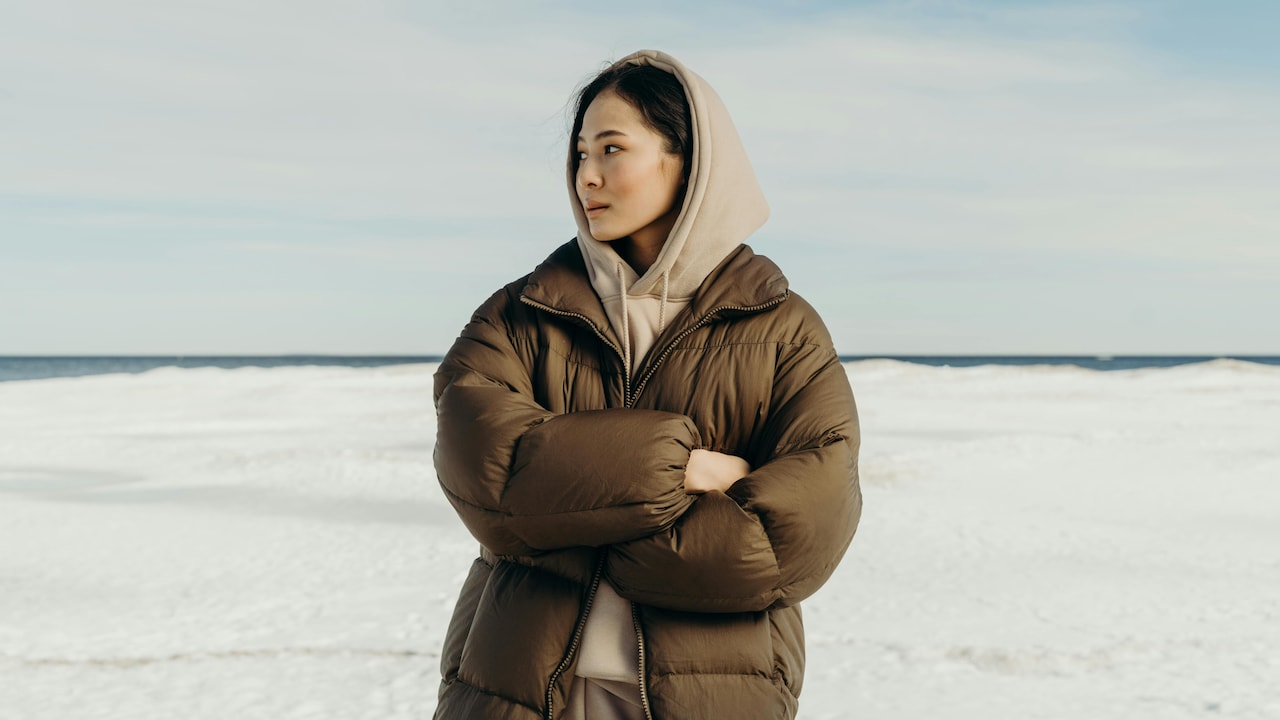
Explore if puffer jackets can actually protect you in winter or they just for the show; Photo Credit: Pexels
This article unpacks the appeal of puffer jackets, looking at comfort, usability, and everyday relevance. From brisk commutes to mountain getaways, this practical guide breaks down what works, what does not, and how to choose wisely.
Also Read: Parka Vs Puffer Jackets: Which One Should You Choose?
What To Know Before Choosing A Puffer Jacket For Winter
1. Understanding Local Winter Conditions
Winter here does not follow one script. Northern regions see biting cold and foggy mornings, while coastal areas deal with cool breezes rather than freezing air. Central zones experience short, sharp cold spells that vanish by noon. This diversity shapes winter clothing choices.
Puffer jackets work best because they adapt. Lightweight versions suit mild evenings, while thicker designs handle colder hill towns with ease. Unlike heavy coats, they allow layering. A hoodie or thermal underneath often does the trick.
The real strength lies in flexibility. A puffer jacket feels comfortable during an early commute and does not become unbearable once the sun comes out. This balance makes it appealing for everyday wear, especially when winters refuse to stay predictable.
2. Warmth Without the Weight
Traditional winter layers often feel bulky. Sweaters stack up, movement feels restricted, and shoulders carry the weight all day. Puffer jackets change that experience.
Filled with down or synthetic insulation, these jackets trap warm air efficiently. The result feels surprisingly light. Even thicker puffers sit comfortably on the body without dragging it down.
This matters during long days. Running errands, riding two-wheelers, or walking to work becomes easier when clothing moves with the body. Warmth stays consistent without the stiffness that heavy wool or thick coats bring. That sense of ease explains why many people reach for puffers once they try one.
3. Everyday Practicality and Comfort
Winter clothing should support daily routines, not complicate them. Puffer jackets score high on practicality. Most designs zip up quickly, feature roomy pockets, and block cold winds effectively.
Morning walks, school drop-offs, or quick grocery runs feel simpler when a jacket slips on easily. No careful wrapping or constant adjusting required. Many puffers also pack down neatly, fitting into bags once the day warms up.
Comfort extends beyond warmth. Soft linings, flexible shells, and breathable materials prevent that stuffy feeling. This balance suits long hours outdoors without causing discomfort indoors. The jacket works with the day, not against it.
4. Style That Fits Modern Wardrobes
Winter fashion has evolved. Gone are the days when warmth meant sacrificing style. Puffer jackets now come in sleek silhouettes, muted tones, and playful colours.
They pair effortlessly with jeans, joggers, and even traditional outfits during casual outings. Cropped designs feel trendy, while longer cuts add elegance. Neutral shades work for office commutes, while brighter options suit weekend adventures.
The appeal lies in versatility. One jacket can serve multiple looks without feeling repetitive. This blend of fashion and function makes puffers a reliable choice, especially for those who prefer simple wardrobes with maximum impact.
5. Choosing the Right Insulation
Not all puffer jackets feel the same. Insulation plays a key role. Down-filled jackets offer excellent warmth and remain lightweight, though they cost more and require careful maintenance. Synthetic insulation handles moisture better and suits humid or unpredictable weather.
For everyday use, synthetic options often make sense. They dry quickly and stay warm even when damp. Down works beautifully for dry, colder regions or travel to higher altitudes.
Understanding insulation helps avoid disappointment. A jacket that feels too warm or not warm enough usually comes down to this choice. Matching insulation to typical winter conditions ensures comfort throughout the season.

Choose the right insulation material of puffer jackets depending on the weather; Photo Credit: Pexels
6. Breathability and Temperature Control
Overheating ruins the joy of winter wear. Many worry that puffer jackets trap too much heat. Modern designs address this with breathable fabrics and smart construction.
Zips, adjustable hems, and lighter insulation allow temperature control. Opening the jacket slightly during a sunny afternoon prevents sweating, while closing it tight keeps cold out after sunset.
This adaptability suits climates where winter days start cold and end mild. The jacket adjusts to changing temperatures without demanding outfit changes. Breathability turns puffers into all-day companions rather than short-term solutions.
7. Durability and Long-Term Value
A good puffer jacket should last several seasons. Quality stitching, strong zippers, and resilient outer fabrics matter more than brand names. Frequent wear demands durability.
Cheaper options may lose shape or insulation after a few washes. Investing slightly more often pays off in the long run. A well-made jacket retains warmth and structure year after year.
Considering value helps justify the purchase. A jacket priced around ₹3,000–₹6,000 that lasts multiple winters offers better returns than cheaper alternatives that need replacing. Longevity adds comfort beyond warmth, bringing peace of mind.
8. Travel-Friendly Winter Essential
Winter travel often involves packing dilemmas. Space feels limited, and bulky clothing eats into luggage allowance. Puffer jackets solve this neatly.
Many designs compress into small pouches, making them easy to pack. Once unpacked, they regain shape quickly. This feature proves useful during trips to hill stations or overnight journeys.
During travel, the jacket doubles as a blanket during cold bus rides or flights. It keeps warmth consistent without layering struggles. This convenience makes puffers favourites among frequent travellers who value practicality.
9. Caring for a Puffer Jacket
Proper care extends the life of a puffer jacket. Many hesitate to wash them, fearing damage. Simple steps prevent issues.
Gentle washing, mild detergent, and thorough drying keep insulation intact. Avoid harsh wringing or direct sunlight. Storing the jacket uncompressed helps maintain loft and warmth.
Care routines need not feel complicated. Following basic instructions ensures the jacket stays fresh and functional. A little attention keeps it looking new and performing well through repeated winters.
10. Is a Puffer Jacket Worth It?
The real question remains: does a puffer jacket earn its place in the wardrobe? For many, the answer feels clear after experiencing the comfort.
It offers warmth without bulk, adapts to changing weather, and suits both daily life and travel. It blends style with function and supports busy routines effortlessly.
While not the only winter option, it stands out for versatility. Once worn regularly, it becomes hard to replace. That quiet reliability explains why puffers continue gaining popularity season after season.
Products Related To This Article
1. U.S. POLO ASSN. Men Solid Puffer Jacket
2. BAYSTREET Women Solid Puffer Jacket
3. DUKE Men Solid Puffer Jacket
4. BRAZO Women Solid Puffer Jacket
5. DUCATI Men Solid Puffer Jacket
Winter dressing thrives on balance. Comfort, warmth, and ease matter more than dramatic fashion statements. Puffer jackets meet these needs with surprising grace.
They respond well to unpredictable weather, fit seamlessly into modern wardrobes, and simplify daily routines. Whether worn during a foggy morning walk or packed for a mountain escape, they prove their worth repeatedly.
Choosing the right one requires thought, but the reward feels lasting. When winter arrives with its usual unpredictability, a well-chosen puffer jacket offers reassurance, warmth, and a touch of effortless style.
(Disclaimer: This article may include references to or features of products and services made available through affiliate marketing campaigns. NDTV Convergence Limited (“NDTV”) strives to maintain editorial independence while participating in such campaigns. NDTV does not assume responsibility for the performance or claims of any featured products or services.)