Are Slim Ties Really Outdated? 5 Balanced Width Styles That Look Sharp
Are slim ties truly outdated, or simply misunderstood? Discover five balanced tie widths that flatter modern tailoring and keep your look sharp for work, weddings and everything in between.
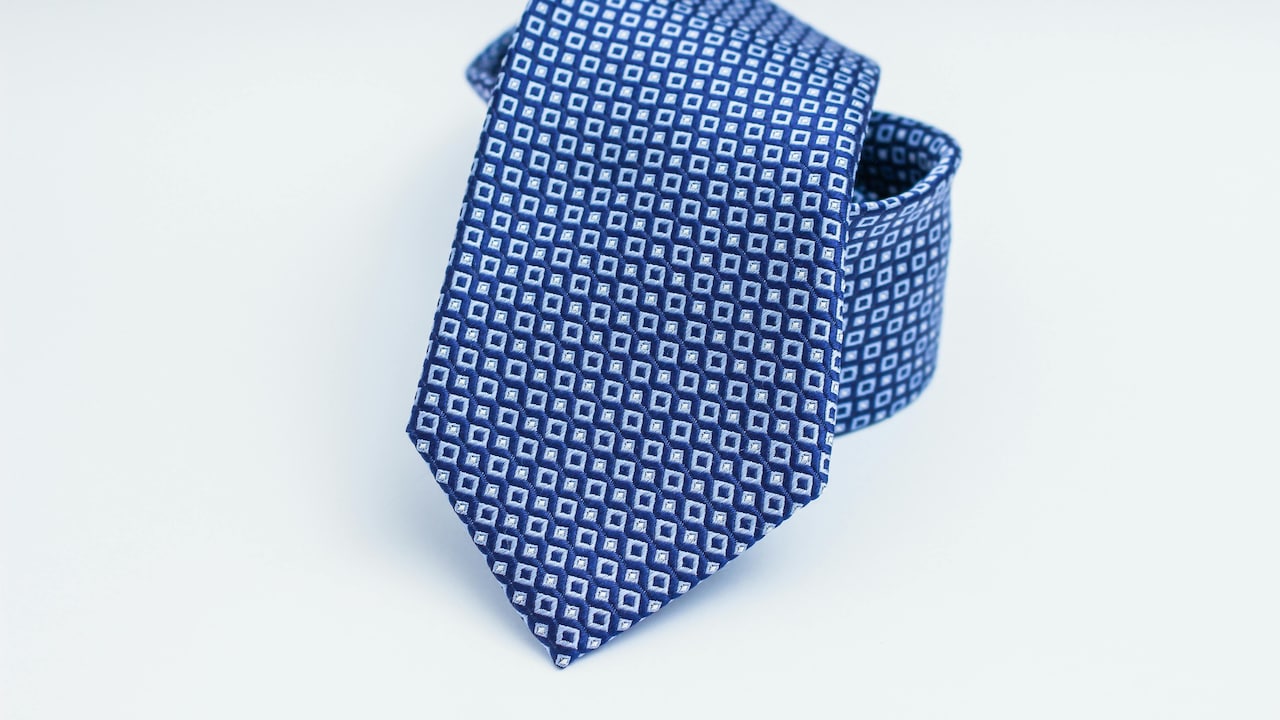
Are Slim Ties Outdated? Discover 5 Perfectly Balanced Tie Widths That Keep You Looking Sharp.
Fashion thrives on cycles. Bell-bottoms return. Moustaches stage a comeback. Even the humble waistcoat resurfaces when least expected. Ties follow the same rhythm. A decade ago, slim ties dominated wardrobes from Connaught Place to corporate parks in Bengaluru. Young professionals paired them with fitted shirts and narrow lapels, chasing a sharp, modern silhouette. Then broader ties began creeping back into boardrooms and wedding mandaps. Suddenly, the slim tie seemed dated.
But does a change in trend really make a style obsolete? Or does it simply nudge it into a different context? The conversation around tie width feels less about right or wrong and more about proportion, personality, and occasion. For readers navigating job interviews, festive celebrations, or even a first big presentation after a ₹10 lakh promotion, choosing the right tie can feel surprisingly significant.
So, are slim ties truly outdated? Or have they simply found a new company in a lineup of balanced-width styles that look sharp without trying too hard?
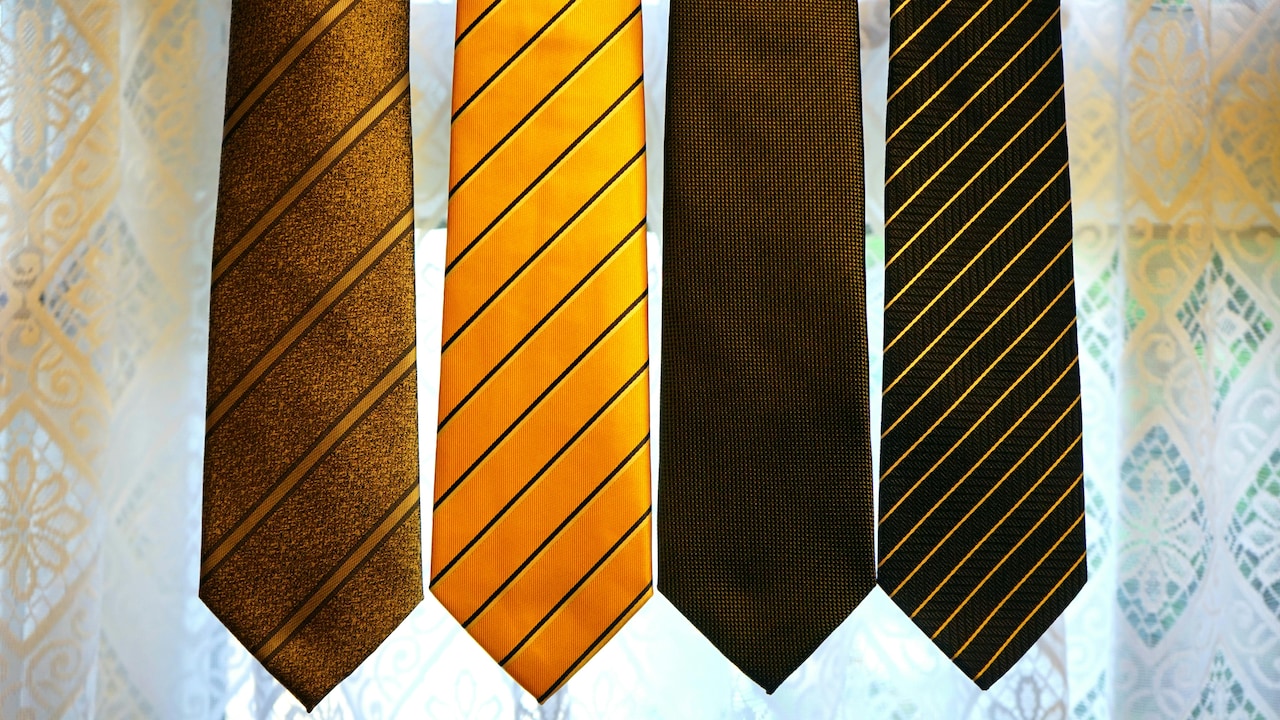
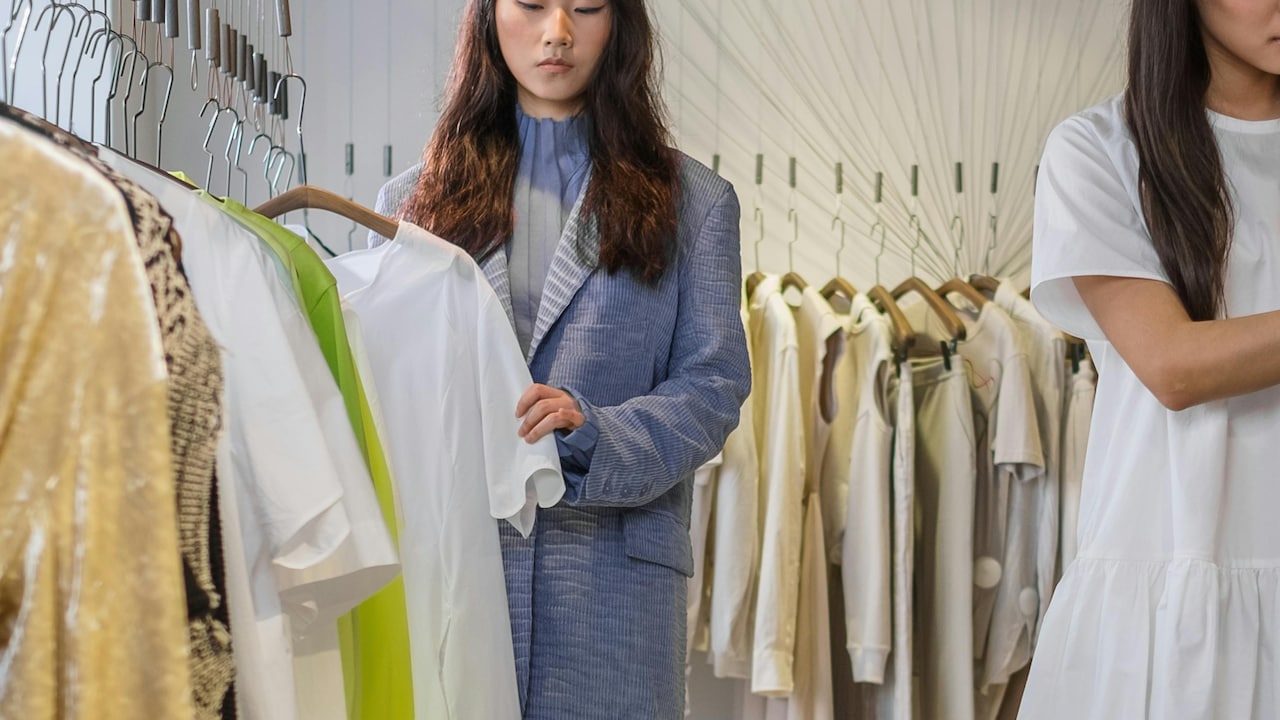
Are Slim Ties Really Outdated? 5 Balanced Width Styles That Look Sharp; Photo Credit: Pexels
Finding The Perfect Balance In Tie Width
The Rise And Retreat Of The Slim Tie
Slim ties gained momentum during the era of tailored suits and cropped trousers. Bollywood red carpets and start-up founders alike embraced the lean silhouette. The appeal felt obvious. A narrow tie looked youthful and energetic. It complemented fitted blazers and gave even a modest ₹3,000 suit a polished finish.
However, trends shifted as menswear leaned towards comfort and classic tailoring. Lapels widened. Trousers relaxed. With that change, ultra-slim ties began to look slightly out of sync. When a tie measures barely 2 inches at its widest point, it struggles to balance a broader jacket. The overall look can appear top-heavy.
Yet calling slim ties outdated feels harsh. They still work beautifully with narrow lapels and trim builds. The key lies in proportion. Fashion rarely discards a piece entirely. It simply asks for a thoughtful pairing. Slim ties have not vanished. They have just stepped out of the spotlight.
Why Width Matters More Than Trend
Tie width affects visual balance more than most realise. A tie frames the centre of the torso. It draws attention upward to the face. When the width clashes with the jacket, the eye senses something amiss.
Consider a wedding reception in Jaipur. A groom wearing a richly embroidered sherwani would never choose a flimsy stole. The same principle applies to suits. A broader chest and structured shoulders demand a tie with presence. Meanwhile, a lightweight summer blazer in Chennai pairs better with something sleeker.
Width also influences formality. Narrow ties often feel relaxed and creative. Wider ties suggest authority and tradition. Neither carries superiority. Each tells a different story. In professional settings, especially where seniority commands respect, a slightly broader tie can convey confidence without shouting.
So the real question shifts from “Is it outdated?” to “Does it fit the outfit and occasion?” When width aligns with structure, the look feels intentional.
Also Read: Elevate Your Shirt Game: 7 Best Ties And Cufflinks Now On Myntra
The Balanced 2.5 To 2.75 Inch Classic
This width sits comfortably between slim and traditional. It usually measures around 2.5 to 2.75 inches at its widest point. Many stylists consider it the safest and most versatile choice.
A tie in this range complements most modern suits sold in shopping centres from Mumbai to Hyderabad. It aligns well with standard lapel widths and suits a wide range of body types. Whether heading to a client pitch or attending a cousin's engagement, this tie rarely feels out of place.
The beauty of this balanced width lies in subtlety. It does not scream for attention like an ultra-skinny tie. Nor does it lean heavily into vintage territory. It simply looks right. Patterns also shine at this width. Stripes, small motifs and textured weaves maintain clarity without overwhelming the frame.
For anyone building a reliable wardrobe without spending ₹20,000 on experimental pieces, this width offers longevity. Trends may shift again, but this middle ground continues to look sharp year after year.
The Modern 3 Inch Power Tie
At around 3 inches, the tie regains a touch of authority. This width nods to traditional business attire while still feeling contemporary. It pairs particularly well with structured suits and slightly broader lapels.
Imagine a senior manager presenting annual results in a packed conference hall. A 3-inch tie anchors the look. It conveys maturity and assurance. Darker shades like navy, burgundy or forest green enhance this effect. The result feels composed rather than flashy.
This width also suits taller frames and broader shoulders. It creates symmetry across the torso. When worn with a crisp white shirt and a charcoal suit, the ensemble feels timeless.
Some may fear that a broader tie looks old-fashioned. That concern often stems from memories of oversized 1990s ties. The modern 3-inch version avoids that trap. It maintains clean lines and refined proportions. It does not overpower the outfit. Instead, it completes it.
For formal events or leadership roles, this width often delivers quiet strength.
The Textured Knit Tie Revival
Knit ties deserve special mention. Though many measure within the balanced width range, their texture transforms the entire aesthetic. The squared-off end and visible weave add personality without excess.
Knit ties work brilliantly in semi-formal settings. Picture a festive dinner during Diwali hosted on a rooftop in Delhi. A navy knit tie paired with a light grey blazer strikes a relaxed yet polished note. It feels thoughtful, not rigid.
The texture also softens the look. While silk ties reflect light smoothly, knit ties absorb it. This quality reduces shine and adds depth. The effect suits creative industries and social gatherings.
Even within this category, width matters. A knit tie around 2.5 to 2.75 inches maintains balance. Anything slimmer may look flimsy. Anything much wider may feel bulky due to the thicker fabric.
Knit ties prove that modern style values nuance. They show that width and texture together shape the overall impression.

Are Slim Ties Really Outdated? 5 Balanced Width Styles That Look Sharp; Photo Credit: Pexels
The Subtle Tapered Hybrid
Some designers now experiment with slightly tapered ties. These styles begin a touch wider near the knot and narrow gently toward the tip. The effect feels contemporary without veering into extreme slim territory.
This hybrid suits those who appreciate modern tailoring but want flexibility. It complements jackets with moderate lapels and shirts with standard collars. The taper draws the eye upward, enhancing the knot and neckline.
For events like destination weddings in Udaipur or formal dinners at five-star hotels, this tie adds flair without overshadowing traditional attire. It also photographs well, maintaining proportion in both close-ups and full-length shots.
The tapered design subtly updates the classic silhouette. It respects tradition while embracing evolution. For many young professionals climbing the ladder, this balance feels just right.
Choosing Width Based On Body Type
Tie width interacts closely with body proportions. A slender build paired with a very wide tie can appear swallowed by fabric. Conversely, a broader frame wearing a narrow tie may look disproportionate.
Balanced widths often flatter most physiques. They create harmony between the shoulders and the waist. Taller individuals can experiment with slightly wider ties without overwhelming their frame. Shorter men may prefer mid-range widths to avoid excess fabric that shortens the torso visually.
Tailoring plays an equally important role. A well-fitted suit elevates even a modestly priced tie. A ₹2,500 tie can look premium when paired with precise tailoring. On the other hand, an expensive tie loses charm against an ill-fitting jacket.
Understanding proportions empowers better choices. Rather than chasing trends, selecting a width that complements natural build ensures the tie enhances rather than distracts.
Occasion Still Reigns Supreme
No single width suits every scenario. A slim or mid-width tie might feel perfect for a creative agency meeting. The same tie may appear underwhelming at a formal awards ceremony.
Festive occasions often invite richer fabrics and slightly broader ties. Business environments lean towards structured, balanced widths. Casual gatherings welcome knit textures and playful patterns.
Even climate influences choice. In humid coastal cities, lighter fabrics and moderate widths feel more comfortable. Heavier silk ties can feel restrictive in high heat.
Matching tie width to the occasion demonstrates awareness. It signals respect for the setting and those present. When done thoughtfully, the tie becomes more than an accessory. It becomes a statement of intent.

Are Slim Ties Really Outdated? 5 Balanced Width Styles That Look Sharp; Photo Credit: Pexels
Colour And Pattern Amplify The Effect
Width alone does not determine style. Colour and pattern amplify its impact. A slim tie in a bold print can look louder than a wider tie in a muted tone.
Dark, solid colours in balanced widths often project confidence. Subtle stripes add dynamism without chaos. Intricate paisleys or geometric motifs shine best when the tie offers enough surface area to display them clearly.
When selecting a tie, consider the entire ensemble. A light shirt and dark suit create contrast. The tie should bridge that contrast gracefully. Overly narrow ties sometimes struggle to carry complex patterns.
Investing in two or three balanced-width ties in versatile colours can cover most social and professional needs. Such a collection often costs less than ₹10,000 but serves for years.
Are Slim Ties Really Outdated?
Slim ties have not vanished into obscurity. They have simply shifted context. When paired with narrow lapels and lean silhouettes, they still look sharp. However, ultra-skinny styles may feel restrictive in today's broader tailoring landscape.
Balanced widths between 2.5 and 3 inches now dominate because they offer flexibility. They adapt to different builds, settings and trends. They bridge modern flair and classic elegance.
Declaring slim ties outdated oversimplifies the evolution of menswear. Fashion rarely operates in absolutes. Instead, it invites adaptation. Those who understand proportion and occasion will always appear well-dressed, regardless of what headlines proclaim.
Products Related To This Article
1. The Tie Hub Men Printed Broad Tie
2. The Tie Hub Blue & White Striped Broad Tie
3. Osking Ties Men Broad Tie
4. CALIXTO Men Ties
5. The Tie Hub Men Broad Tie
Style thrives on balance. Slim ties once captured the mood of a generation eager for sleek minimalism. As tailoring evolved, wider and more balanced options stepped forward. Yet no rulebook demands the retirement of slim ties.
The smarter approach involves assessing proportion, occasion and personal comfort. A tie should complement the suit, frame the face and reflect the wearer's role in that moment. Whether closing a ₹50 lakh deal or celebrating a family milestone, the right width can quietly elevate confidence.
Rather than chasing every passing trend, building a wardrobe around balanced widths ensures longevity. Slim ties still deserve space, but they shine brightest when styled thoughtfully.
In the end, sharp dressing relies less on what fashion declares outdated and more on how confidently one carries the choice.
(Disclaimer: This article may include references to or features of products and services made available through affiliate marketing campaigns. NDTV Convergence Limited (“NDTV”) strives to maintain editorial independence while participating in such campaigns. NDTV does not assume responsibility for the performance or claims of any featured products or services.)