Hair Accessories That Slip Out Constantly: Grip Mechanism That Works
Hair accessories often slip because of poor grip design, not bad hair. From clips to bands, understanding how grip works can help keep styles secure all day without constant fixing.
Why Hair Accessories Keep Slipping: The Importance Of Grip Mechanism
Hair accessories promise control, style, and a touch of personality. Yet, many end up as unreliable companions. Clips loosen, bands stretch out, and pins vanish somewhere between morning rush and evening chai. The frustration builds quietly. A quick fix turns into constant readjustment. Blame often falls on “difficult hair,” humidity, or even luck. However, the real story sits within the design of the accessory itself.
Grip mechanism rarely receives attention, yet it defines success or failure. The way an accessory holds, distributes tension, and interacts with hair texture determines whether it stays or slips. From smooth metal clips to fabric-covered bands, each design carries a purpose. Some work beautifully for thick curls, while others suit fine, straight strands.
This article dives into the subtle mechanics behind everyday hair tools. It explores why certain accessories fail, what makes others reliable, and how small choices can transform daily styling because a good hair day should not depend on constant adjustments.
Hair Accessories That Slip Out Constantly: Grip Mechanism Matters
Photo Credit: Pexels
Understanding Why Hair Accessories Fail To Stay Put
The Hidden Science Behind Grip And Friction
Every slipping hair accessory tells a story of poor friction. Hair strands, especially those that feel silky or freshly washed, create a surface that resists hold. Accessories rely on friction to stay in place, and when that friction falls short, everything begins to slide.
Consider a basic metal clip. It may look sturdy, yet its smooth surface offers little resistance. Without texture or coating, it struggles to grip strands effectively. Now compare it with a clip that features rubber lining or matte finishing. The difference feels immediate. That added texture increases friction, allowing the accessory to hold onto hair without constant movement.
Humidity also plays a role. In coastal cities, hair absorbs moisture and becomes softer, reducing grip. Accessories designed without this factor in mind fail quickly. This explains why a clip that works perfectly in an air-conditioned room may betray expectations outdoors.
Understanding friction changes the approach to hair styling. Instead of blaming hair type, attention shifts to design. Accessories that prioritise grip through texture, coating, and structure perform better, even in challenging conditions.
Elastic Bands And The Myth Of “One Size Fits All”
Elastic bands appear simple, yet their design varies widely. Many assume all hair ties function the same way, but subtle differences influence performance. A thin elastic band stretches easily but often lacks the strength to hold thick or heavy hair. Over time, it loses tension and becomes unreliable.
Thicker bands distribute pressure more evenly. They grip better without pulling too tightly, reducing breakage and discomfort. Fabric-covered elastics add another layer of stability. The fabric increases friction while protecting strands from snapping.
However, not all fabric bands succeed. Some use smooth materials that slide just as easily as bare elastic. Others include textured weaves that enhance grip. Choosing the right band depends on hair density, length, and styling needs.
The idea of a universal hair tie often leads to disappointment. Hair varies too much for a single solution. A ₹100 pack of mixed-quality bands may seem economical, but investing in well-designed options saves time and frustration. Reliable bands maintain tension, adapt to hair volume, and hold styles securely throughout the day.
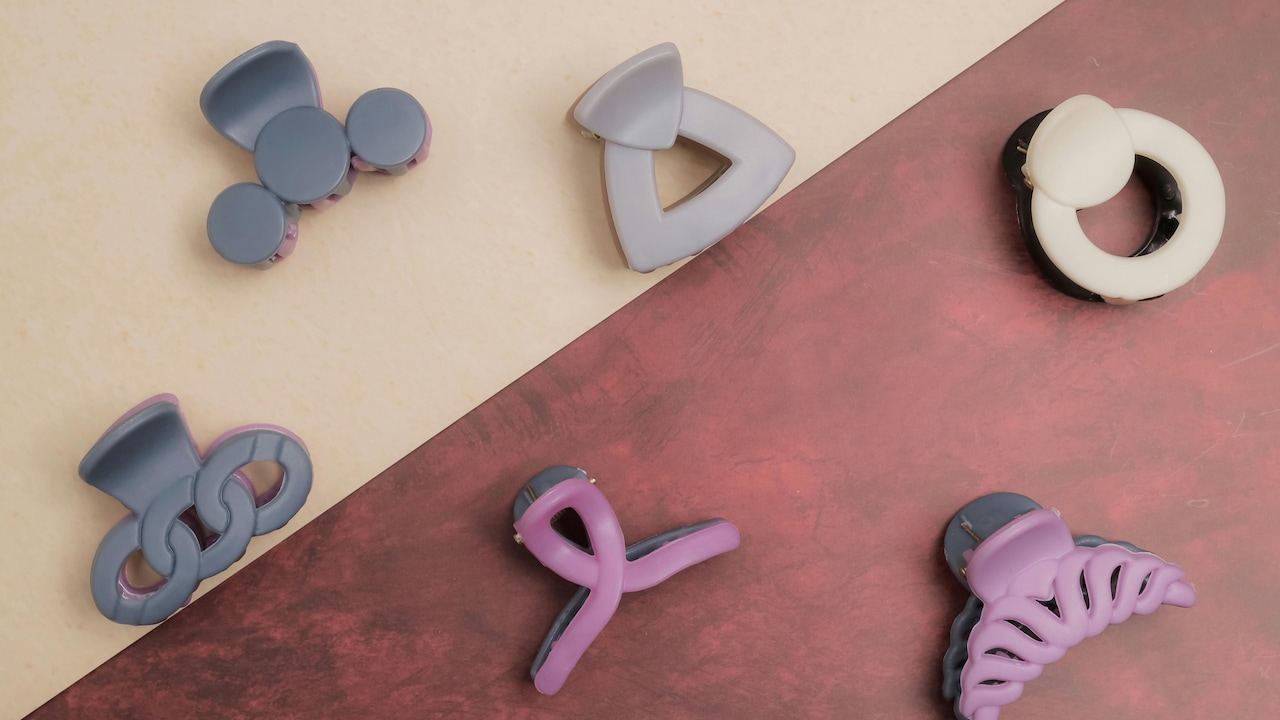
Claw Clips: Size, Shape, And Teeth Matter
Claw clips have made a strong comeback, offering effortless style with minimal effort. Yet, not every claw clip delivers the same results. The size and shape of the clip play a crucial role in how well it holds hair.
A small clip struggles to secure thick or long hair. It may grip initially, but the weight of the hair pulls it loose. Larger clips, designed with deeper jaws, distribute weight more effectively. They provide a stronger hold without excessive pressure.
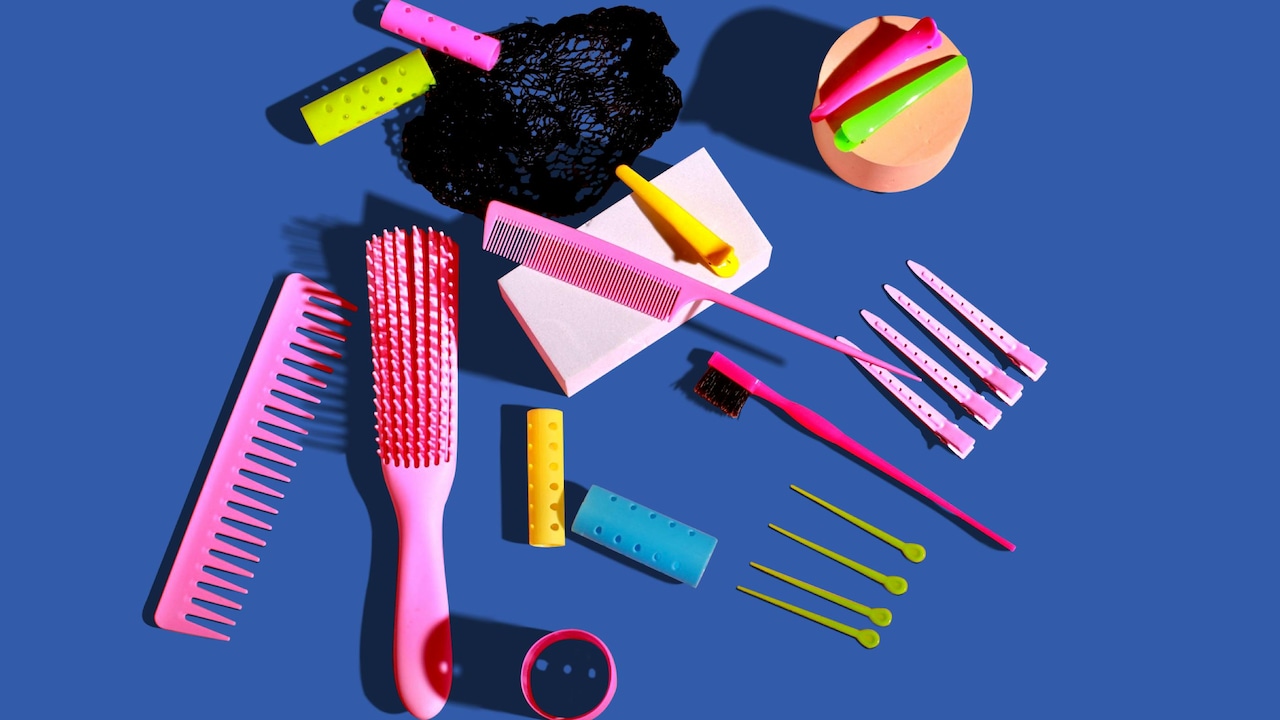
The teeth of the clip also influence performance. Smooth, widely spaced teeth allow hair to slip through. In contrast, closely spaced or textured teeth create a better grip. Some clips even include rubberised interiors, enhancing hold without damaging strands.
Shape matters just as much. Curved clips follow the natural contour of the head, offering better stability. Flat designs may look sleek, but often fail to secure hair firmly.
Choosing the right claw clip involves more than colour or style. It requires attention to structure and grip. A well-designed clip stays in place from morning meetings to evening outings without constant adjustment.
Bobby Pins: Small But Mighty: Or Not
Bobby pins often disappear into drawers, bags, and the depths of handbags. Despite their tiny size, they hold significant responsibility in hairstyling. Yet, many fail due to poor grip design.
A good bobby pin features a slight wave on one side. This wave increases friction, allowing the pin to hold hair securely. However, many low-quality pins flatten over time, losing their grip. Once the wave disappears, the pin becomes almost useless.
Coating also matters. Pins with a matte or rubberised finish grip better than shiny metal ones. The coating prevents slipping and reduces the need for constant repositioning.
Technique plays a role too. Sliding the pin against the direction of hair growth creates a stronger hold. Yet, even perfect technique cannot compensate for poor design.
Investing in durable, well-coated pins makes a noticeable difference. A small box priced at ₹150 may outperform cheaper alternatives that fail within weeks. Reliable pins stay hidden, hold firmly, and keep hairstyles intact without fuss.
Headbands And The Battle Against Slippage
Headbands often promise effortless elegance. Yet, many slide back within minutes, turning style into irritation. The issue lies in grip and fit.
Smooth plastic or metal headbands struggle to stay in place, especially on fine or straight hair. Without texture, they lack the friction needed to hold onto strands. Fabric-covered headbands offer better grip, but only if the fabric provides enough resistance.
Some designs include small teeth or silicone strips on the inner side. These additions anchor the headband, preventing movement. However, poorly designed teeth can cause discomfort, making the accessory impractical for long wear.
Fit also matters. A headband that feels too loose will slip, while one that feels too tight may cause headaches. The balance between comfort and grip defines success.
A well-designed headband stays in place without constant adjustment. It complements the hairstyle rather than competing with it. Choosing one with thoughtful design ensures both comfort and reliability throughout the day.
Hair Texture And Why It Changes Everything
Hair texture influences how accessories behave. Fine hair often struggles to hold clips and pins because it lacks volume and friction. Thick or curly hair, on the other hand, may overpower weak accessories.
Accessories designed without considering texture often fail. A clip that works beautifully on thick hair may slip out of fine strands within minutes. Similarly, a delicate pin may bend under the weight of dense hair.
Understanding texture helps in selecting the right tools. Fine hair benefits from lightweight accessories with added grip, such as rubberised clips or textured bands. Thick hair requires stronger, larger accessories that can handle volume without slipping.
Texture also changes with weather, products, and styling routines. A freshly conditioned head of hair may feel too smooth for certain accessories. Adding a bit of texture spray can improve grip significantly.
Matching accessories to hair texture transforms styling from a daily struggle into a smooth routine. It shifts the focus from constant fixing to confident wear.
Hair Accessories That Slip Out Constantly: Grip Mechanism Matters
Photo Credit: Pexels
The Role Of Material In Long-Lasting Hold
Material choice defines how well an accessory performs. Metal, plastic, fabric, and silicone each offer different levels of grip and durability.
Metal accessories often provide strength but may lack friction unless coated. Plastic options vary widely in quality. Some offer excellent grip, while others feel too smooth to hold hair effectively.
Fabric adds softness and friction, making it ideal for elastic bands and headbands. However, the type of fabric matters. Textured weaves outperform smooth finishes.
Silicone elements have gained popularity for their grip-enhancing properties. Clips and bands with silicone inserts hold hair securely without causing damage.
Durability also depends on the material. Cheap plastic may crack, while low-quality elastic loses tension quickly. Investing in better materials ensures longer-lasting performance.
Material choice goes beyond aesthetics. It directly impacts how well an accessory holds, how comfortable it feels, and how long it lasts. A thoughtful selection makes all the difference.
Design Flaws That Lead To Constant Slipping
Many hair accessories fail due to avoidable design flaws. Smooth surfaces, weak springs, and poor tension contribute to slipping. These issues often go unnoticed until frustration builds.
Weak springs in clips reduce their ability to hold hair securely. Over time, they lose strength, causing the clip to loosen. Similarly, poorly constructed elastics stretch out quickly, losing their grip.
Another common flaw lies in uneven pressure distribution. Accessories that grip too tightly in one area and loosely in another fail to hold hair evenly. This imbalance leads to slipping and discomfort.
Aesthetic design sometimes takes priority over functionality. Sleek, minimalist accessories may look appealing, but lack the grip needed for everyday use.
Recognising these flaws helps in making better choices. Instead of focusing solely on appearance, attention shifts to performance. A well-designed accessory balances style and functionality, ensuring it stays in place without compromise.
Everyday Habits That Affect Accessory Performance
Daily habits influence how well hair accessories perform. Applying conditioner close to the roots can make hair too slippery for clips and pins. Similarly, using heavy serums may reduce friction.
Storage habits also matter. Tossing accessories into a bag can bend pins, stretch elastics, and weaken clips. Proper storage keeps them in good condition, maintaining their grip.
Even the way hair is styled affects performance. Securing hair while it is slightly damp may improve hold, as the strands settle into place as they dry. On the other hand, styling completely smooth, dry hair may require additional texture for better grip.
Small changes in routine can improve results significantly. Paying attention to these details ensures that accessories perform as intended, reducing the need for constant adjustments.
Also Read: 5 Best 2000W Hair Dryers For Quick Salon-Style Hair At Home Under ₹2,600
Investing Smartly: Quality Over Quantity
A drawer full of unreliable accessories often leads to daily frustration. Investing in fewer, high-quality pieces proves more effective. Well-designed accessories offer better grip, durability, and comfort.
While a ₹300 clip may seem expensive compared to cheaper options, it often lasts longer and performs better. The same applies to elastic bands and pins. Quality materials and thoughtful design justify the cost.
Shopping with intention helps avoid unnecessary purchases. Instead of buying multiple low-quality items, choose a few reliable ones to simplify styling.
Quality accessories also reduce hair damage. They hold securely without pulling or breaking strands. This adds long-term value beyond convenience.
A smart investment transforms the styling experience. It replaces constant fixing with confidence, allowing hairstyles to stay intact from morning to night.
Hair Accessories That Slip Out Constantly: Grip Mechanism Matters
Photo Credit: Pexels
Products Related To This Article
1. The Curl Co Curl Protect Satin Bonnet
2. HAIR DRAMA CO. Women Set of 6 Silk Satin Premium Hairband Scrunchies
3. Anouk Women Embellished Comb Pin
4. MAJESTIQUE Majestique Set of 3 Multicolor Soft Faux Fleece Fur Large Hair Clutcher Hair Claw Clips
5. ROTATION Women Embellished Hair Accessory Set of
Hair accessories often fail not because of hair type or styling skill, but due to poor grip design. Understanding the role of friction, material, and structure changes the way these tools are chosen and used.
From elastic bands to claw clips, each accessory carries unique design elements that determine its performance. Paying attention to these details transforms daily routines. It reduces frustration and creates a sense of ease.
Reliable accessories do more than hold hair in place. They support confidence, simplify styling, and save time. A thoughtful approach to selection ensures that every clip, band, and pin works as intended.
A good hair day should not feel like a constant battle. With the right grip mechanism, it becomes effortless.
(Disclaimer: This article may include references to or features of products and services made available through affiliate marketing campaigns. NDTV Convergence Limited (“NDTV”) strives to maintain editorial independence while participating in such campaigns. NDTV does not assume responsibility for the performance or claims of any featured products or services.)